Swift Launches Its Own Blockchain: Can XRP Still Replace it?
SWIFT just activated its own blockchain ledger with 17 major banks already running live transactions on it, and the move puts XRP's biggest claim to fame directly in the crosshairs.

This post may contain links from our sponsors and affiliates, and Flywheel Publishing may receive compensation for actions taken through them.

Swift, the prominent bank messaging network connecting over 11,500 institutions worldwide, has activated its own blockchain ledger, with 17 banks currently testing it for live payments. This development raises questions about XRP (CRYPTO:XRP) and its potential to replace SWIFT for international money transfers.
Swift created this ledger specifically for its network, allowing banks to pilot live transactions using their own tokenized deposits. Notably, Chainlink (CRYPTO:LINK) is providing a solution that lets banks connect to this new system. But with SWIFT upgrading its own network, can XRP still claim a role in the future of payments?
Swift Built a Blockchain Ledger for Tokenized Bank Deposits, and 17 Banks Are Piloting It
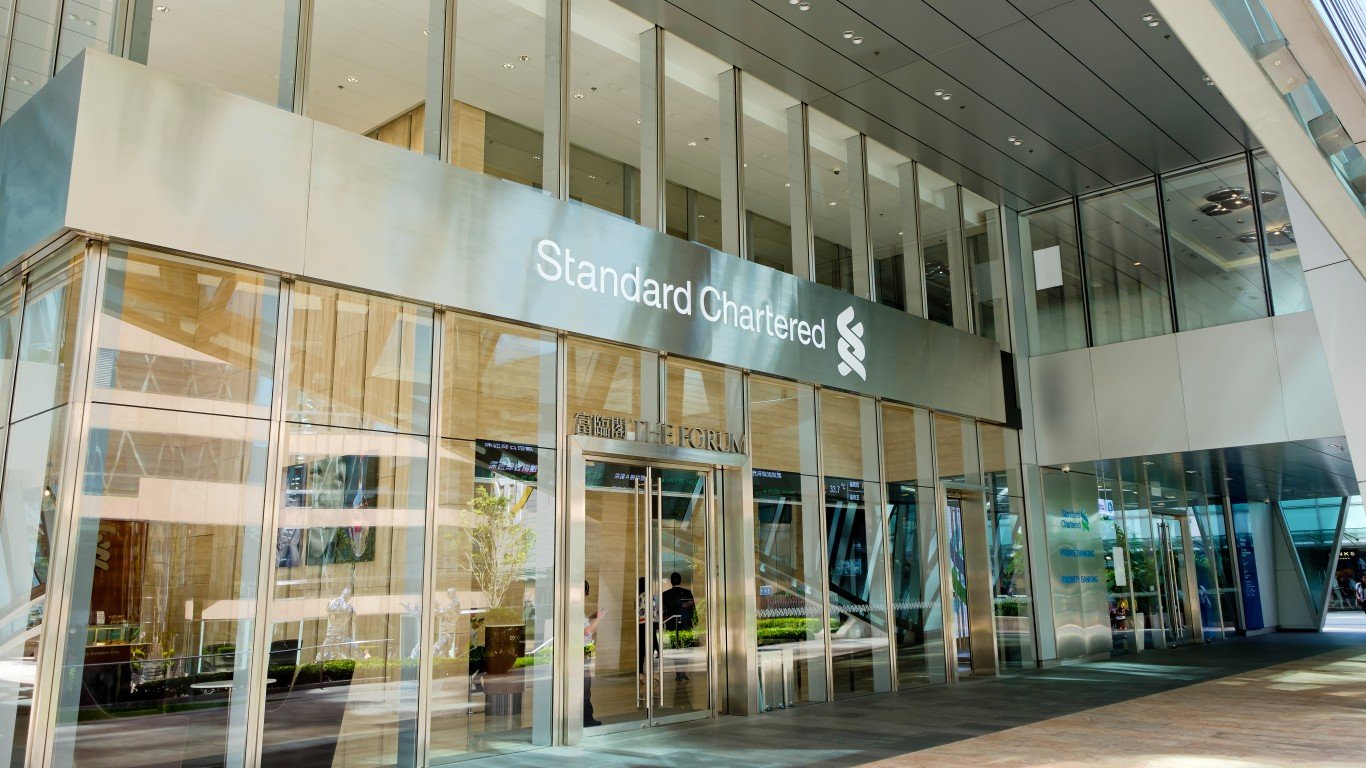
At the Sibos conference in September 2025, Swift introduced its blockchain ledger, in collaboration with Consensys, a well-known blockchain software firm. By March 2026, Swift finalized the design, and on July 9, they announced the ledger was ready for initial testing. Seventeen banks from six continents, including major players like Citi, HSBC, UBS, and Standard Chartered, are currently piloting this technology.
These pilots use tokenized deposits, which are digital representations of traditional bank money issued by the participating banks. The ledger maintains a continuous record of what each bank owes others, enabling transactions even during off-hours, including nights and weekends. This feature could let businesses pay suppliers abroad on weekends instead of waiting until Monday.
In fact, banks have already initiated live transactions using the ledger. Notably, Standard Chartered and HSBC successfully completed the first interbank transfer in August, while First Abu Dhabi Bank and Citi moved U.S. dollars across the platform in September.
Chainlink and IBM Are Connecting Banks to the Ledger, While XRP Has No Role

Chainlink announced on September 28 that it can help banks integrate their existing systems with the SWIFT ledger while allowing them to retain their own signing keys. These keys are crucial as they authorize each payment, addressing regulatory concerns for banks. Keeping their keys means banks have greater control over their transactions.
While Chainlink is one way for banks to connect to the ledger, IBM has also introduced its own adapter on September 24, enabling banks to join using their standard payment messages. Although Chainlink has gained attention for its bank connections, the reports do not say banks must hold LINK tokens to utilize them.
Importantly, XRP does not play a role in this new blockchain setup. The banks involved settle transactions using their tokenized deposits rather than a bridge currency like XRP. Neither SWIFT, the pilot banks, Chainlink, nor IBM have included Ripple or the XRP Ledger in their plans.
Swift Already Moves Most Payments Within 10 Minutes

XRP has often been promoted for its speed and low cost, claiming that banks could use it to transfer money globally within seconds. However, Swift already reports that 75% of transactions on its network are completed within 10 minutes, and many occur in just seconds.
The new ledger further narrows the time frame for transactions, allowing banks to move tokenized deposits around the clock. Swift’s extensive connections to more than 11,500 institutions and the established practices banks already follow give it an advantage that any replacement would need to overcome.
While traders are turning their attention to Chainlink, driving its price up by 30.6% over the past month to about $15, XRP trades at $1.50 as of September 29, 2026, approximately 59% below its peak of $3.67 in July 2025.
Can XRP Still Replace SWIFT?
The short answer is no. SWIFT’s decision to enhance its own network, and the fact that pilot banks are settling using their own tokenized deposits, place XRP outside this new ecosystem. For XRP to become a viable alternative, banks would need to reconsider their participation in the SWIFT network. However, every current indication shows that these banks are opting to remain within the SWIFT framework.
As it stands, XRP’s future within the banking sector now hinges on the success of Ripple’s own business, which has reached a $50 billion valuation independently of the SWIFT network. If SWIFT or any pilot bank recognizes the XRP Ledger as a connected network or accepts XRP as a bridge asset, the situation could change. However, if the pilot projects continue relying solely on tokenized deposits, XRP’s aspirations to replace Swift will likely dissipate.
Contact [email protected] for any questions or corrections.
Sam Daodu is a crypto analyst and the editor of 24/7 Wall St.'s Crypto Desk, where he covers Bitcoin, XRP, Ethereum, Solana and the altcoins investors search for most. His work focuses on price levels, spot ETF flows, on-chain data and the regulatory decisions that move crypto markets, written so a first-time buyer and a seasoned trader can both use it.
Sam has written about crypto professionally since 2019 and has published more than 2,000 articles. Before joining 24/7 Wall St., he wrote for crypto media outlets and Web3 companies and ghostwrote for crypto founders and token launches. His analysis is syndicated on Yahoo Finance, MSN and AOL and has been cited by other crypto news sites. He also founded MacLabs Marketing, a content and personal branding agency for crypto founders and executives.
When he isn't reading charts, Sam is usually at the gym or watching One Piece, a series he maintains has better tokenomics than most altcoins.