Standard Chartered Just Launched 24/7 Settlement Between Banks Without XRP. Should XRP Holders Worry?
Standard Chartered now settles bank transactions around the clock without touching XRP, and HSBC just completed the first international tokenized deposit transfer the same way. The question is whether banks are building around XRP entirely or leaving one door open.

This post may contain links from our sponsors and affiliates, and Flywheel Publishing may receive compensation for actions taken through them.
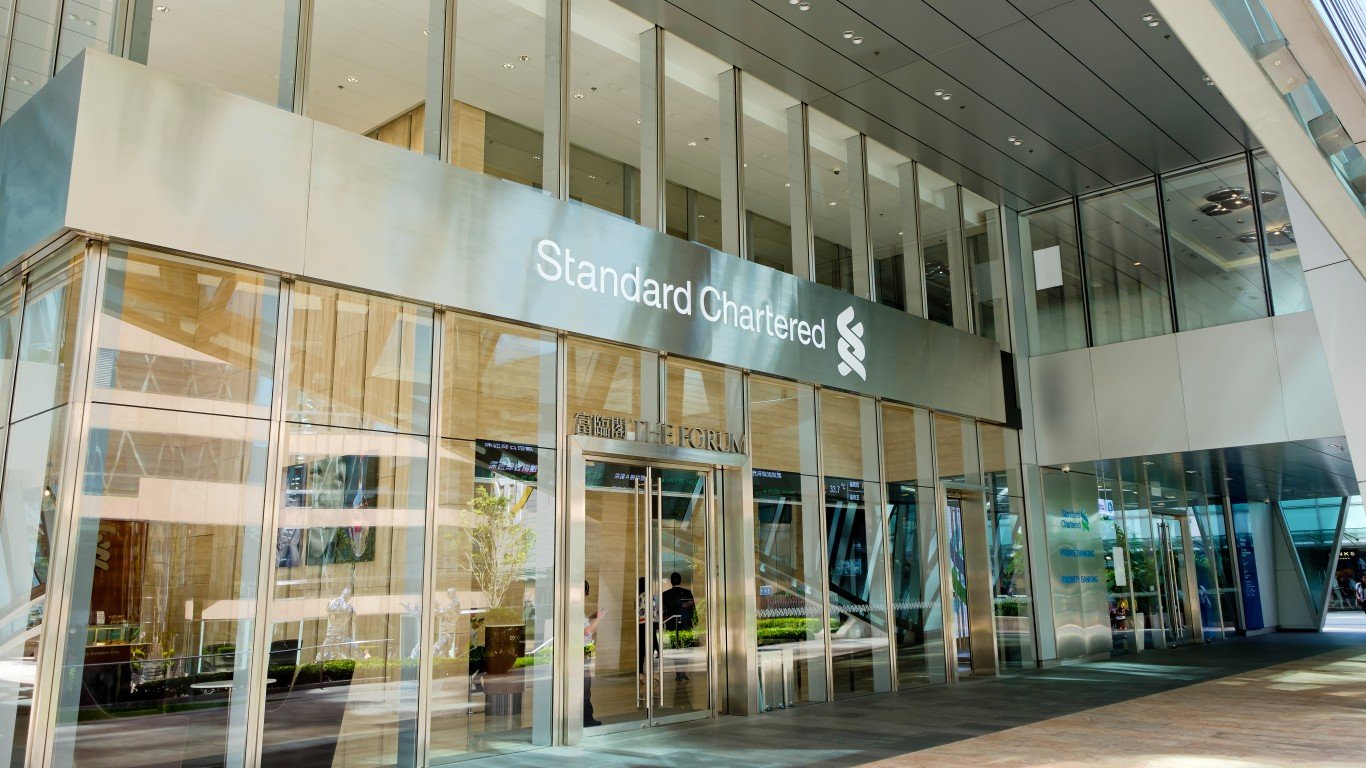
Standard Chartered has begun offering tokenized deposits to corporate clients in Hong Kong, enabling bank transfers that settle around the clock without relying on XRP (CRYPTO: XRP). A tokenized deposit is a regular bank deposit that is converted into a digital token on a shared ledger, enabling transactions at any time while still appearing on the bank’s balance sheet.
This new service does not involve Ripple’s Ripple USD (CRYPTO: RLUSD) stablecoin, prompting XRP holders to wonder whether they should worry about the announcement’s implications. XRP’s price remains relatively stable at $1.25, down 0.1% over the last 24 hours and 3.2% over the past week. This positions XRP about 65.8% below its all-time high of $3.65 reached on July 17, 2025.
Standard Chartered’s Tokenized Deposits Now Settle Around the Clock

Ensemble TX facilitates the new settlements through a live pilot project run by the Hong Kong Monetary Authority for tokenized deposits. Launched in November 2025, the project has drawn participation from several major banks, including HSBC Hong Kong, part of HSBC Holdings (NYSE: HSBC | HSBC Price Prediction). The goal is to transition bank settlements to a fully tokenized system that functions continuously, and Standard Chartered has now achieved this milestone.
Central bank money, or cash held directly with the central bank, is considered the safest way to settle transactions because it eliminates the risk of commercial bank failures.
Noteworthy participants like China AMC, Finloop, and PantherTrade (a crypto trading platform under Futu Holdings, NASDAQ: FUTU) have already conducted successful transactions. Initial applications of this system have focused on tokenized money market funds, allowing clients the ability to access funds outside standard banking hours.
Because the funds remain on Standard Chartered’s balance sheet, the bank retains custody of the client’s cash and benefits from the associated lending margins. Standard Chartered also offers a tokenized deposit service for Ant International, covering Hong Kong dollars, offshore yuan, and U.S. dollars, and is one of the city’s three banknote-issuing banks.
Banks Are Settling Without XRP at Home and Abroad
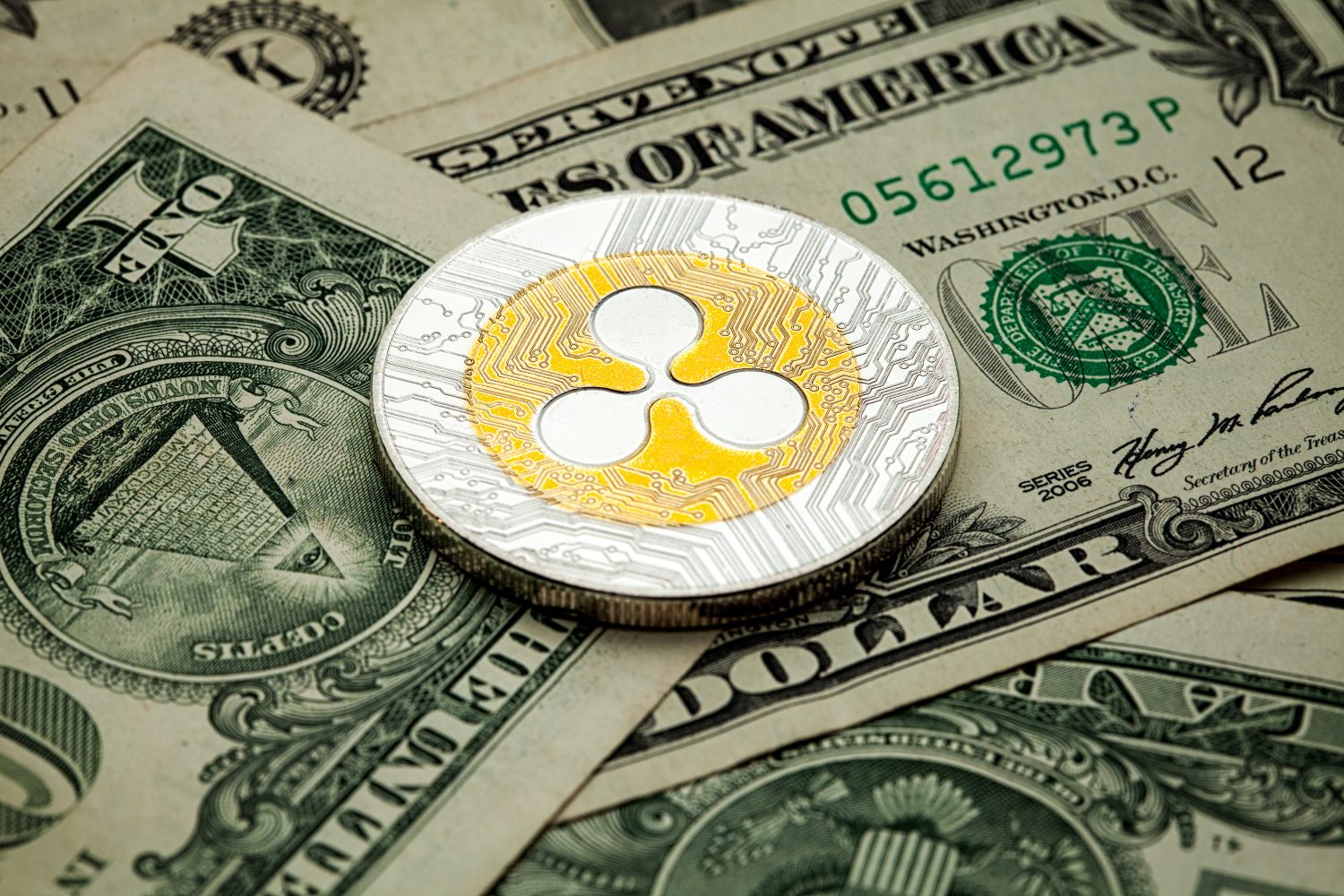
Ripple initially promoted XRP as a bridge asset, suggesting it could facilitate transactions between different currencies without cash reserves in foreign accounts. However, the Ensemble TX system allows for settlements using Hong Kong central bank money entirely within the same jurisdiction, eliminating the need for a bridging asset. Realistically, domestic bank settlements were never XRP’s strongest arena.
A more pressing concern may arise from international transactions. In August, HSBC and Standard Chartered successfully completed the first live international tokenized deposit transaction on SWIFT’s blockchain platform. Notably, neither bank utilized a bridging token. Instead, they offset their payment obligations against one another and only transferred the net difference. This approach diminishes the liquidity challenge that XRP was intended to address.
In addition, HSBC is advancing its own bank-issued digital currency. Its Hong Kong dollar stablecoin, RedCoin, recently reached circulation of about HK$87.8 million, up HK$6.7 million in just a week—backed fully by cash reserves totaling HK$88.8 million.
Binance founder Changpeng Zhao has embraced this trend, stating that “More countries will start to realize that issuing a local stablecoin increases demand for their currency.” This shift could mean that local currencies traded directly might reduce the need for a neutral bridge asset like XRP.
Bank Tokens Compete More With Ripple’s RLUSD Than With XRP
The introduction of Standard Chartered’s tokenized deposits and HSBC’s RedCoin gives corporate clients regulated, digital Hong Kong dollars straight from familiar banks. Ripple also aims to offer similar benefits with RLUSD in U.S. dollars, creating more direct competition between these bank-issued tokens and Ripple’s payment services than with XRP itself.
Ripple’s strategy focuses on regulatory compliance and innovation. Following the Office of the Comptroller of the Currency’s final approval of Ripple National Trust Bank on October 26, the trust can now oversee RLUSD’s reserves and ensure client-first custody practices.
Ripple CEO Brad Garlinghouse said the new charter bolsters RLUSD and the institutional products being developed for payments, custody, and capital markets. Notably, he referenced RLUSD specifically while omitting XRP.
Despite these changes, Ripple’s infrastructure continues to attract institutional interest. Notable recent commitments include Aviva, which pledged £50 million towards tokenized money markets on the XRP Ledger, as reported on October 29. However, transactions on the ledger typically incur only minimal XRP fees, suggesting that a fund utilizing the ledger creates significantly less demand for XRP than a cross-border payment would.
Should XRP Holders Worry About Standard Chartered’s Move?
While XRP holders have valid reasons to feel some apprehension, the main concern is that increased bank adoption of blockchain technology would naturally lead to XRP purchases. However, recent developments suggest banks are finding alternatives that may operate independently of XRP.
Cross-currency payments between countries with no shared central bank still leave room for XRP as a bridge. So the signal to watch is the first corridor between two currencies on Ensemble TX or SWIFT’s ledger that names its settlement asset. If it settles in tokenized deposits or local stablecoins, XRP’s bank case could take a direct hit, while a bank choosing XRP could bring its first bank demand on either platform.
Contact [email protected] for any questions or corrections.
Sam Daodu is a crypto analyst and the editor of 24/7 Wall St.'s Crypto Desk, where he covers Bitcoin, XRP, Ethereum, Solana and the altcoins investors search for most. His work focuses on price levels, spot ETF flows, on-chain data and the regulatory decisions that move crypto markets, written so a first-time buyer and a seasoned trader can both use it.
Sam has written about crypto professionally since 2019 and has published more than 2,000 articles. Before joining 24/7 Wall St., he wrote for crypto media outlets and Web3 companies and ghostwrote for crypto founders and token launches. His analysis is syndicated on Yahoo Finance, MSN and AOL and has been cited by other crypto news sites. He also founded MacLabs Marketing, a content and personal branding agency for crypto founders and executives.
When he isn't reading charts, Sam is usually at the gym or watching One Piece, a series he maintains has better tokenomics than most altcoins.