Bitcoin Crossed $85,000 on Cooler Inflation Data, Then Lost It the Same Day. Why Does Bitcoin Keep Failing at $85,000?
Bitcoin surged past $85,000 on promising inflation news, then gave it all back within hours. Three forces keep colliding every time buyers push the price to that level, and until one of them breaks, the pattern shows no signs of…

This post may contain links from our sponsors and affiliates, and Flywheel Publishing may receive compensation for actions taken through them.
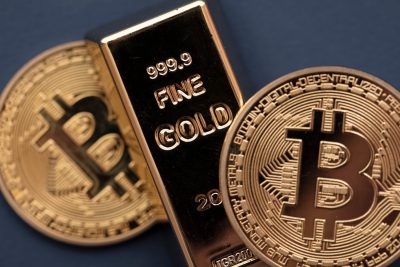
Bitcoin (CRYPTO:BTC) recently climbed above $85,000 following a better-than-expected inflation report, only to retreat within hours. As of September 30, 2026, Bitcoin is trading around $84,070, just below the key $85,000 level, after fluctuating between $85,518 and $82,951 over the last day.
This puts Bitcoin about 33% below its all-time high of $126,080 recorded on October 6, 2025, and shows a decline of around 4% over the past week. So, what is causing Bitcoin to falter every time it approaches the $85,000 mark?
A Cooler PCE Inflation Report Pushed Bitcoin Above $85,000

A recent report from the Commerce Department showed that the core PCE index, the Federal Reserve’s favorite inflation measure, rose only 0.2% in August, below the expected 0.3%. Over the course of a year, core prices increased by 3%, down from 3.3% in July.
This type of good news is often supportive for Bitcoin, as the asset doesn’t earn interest. When inflation is lower, traders tend to believe that the Fed is less likely to raise interest rates, making it less costly for holders to choose Bitcoin over bonds.
Following this report, futures traders reduced the probability of an October rate hike from around 70% earlier in the week to about 35%, prompting buyers to push Bitcoin’s price above $85,000 shortly afterward.
Treasury Yields Near 5.2% Keep Pulling Money Away From Bitcoin

However, the Fed had already raised its benchmark interest rate to a range of 3.75% to 4% on September 16, marking its first increase since 2023. Higher rates make borrowing more expensive and generally pull money toward safer investments like cash and bonds.
As of September 25, the 10-year Treasury yield was around 5.17%, close to its highest level since 2007. This means that an investor could earn about $5,170 annually from a $100,000 investment in government bonds while Bitcoin earns no interest. This significant difference incentivizes sellers to take profits whenever Bitcoin’s price rises.
Additionally, one encouraging report about inflation is not enough to settle the debate around interest rates. The Fed will meet again on October 27 and 28, and a higher-than-expected inflation reading in September could reignite concerns about rate hikes.
Holders Who Bought Near $85,000 Keep Selling Into Bitcoin Rallies

Bitcoin reached a peak of $87,397 on September 21 but has struggled to hold above $85,000 since then. Many investors who bought in around that price are now selling to recoup their investments, creating a strong layer of sell orders at that level, often referred to as resistance.
Bitcoin has also been outperformed by other large cryptocurrencies. In the last 30 days, Bitcoin has gained about 8%, while Solana gained 16%, Dogecoin 15%, XRP 10%, and Ethereum 10%. Furthermore, Bitcoin’s market share has dipped below 60%, and at a market cap of about $1.69 trillion, it needs significantly more new investment to push its price higher than smaller coins.
On the downside, buyers have been stepping in at around $82,951, just below the current price. If Bitcoin drops below this low, those buyers might retreat, allowing sellers to drive the price down further.
Why Does Bitcoin Keep Struggling at $85,000?
Bitcoin continues to struggle at $85,000 primarily because many holders who bought at or near this price are selling into each rally. Combined with rising Treasury yields and a recent Fed rate hike, this makes potential buyers hesitant. While the lower inflation report decreased the likelihood of another immediate rate hike, it hasn’t been enough to break through the sell wall at $85,000.
To change this trend, Bitcoin would need to close above $85,518—about 2% higher—before the Fed’s meeting on October 27 and 28. Such a move could signal that buyers are finally absorbing the selling pressure. Conversely, if Bitcoin falls below $82,951 before then, it may indicate sellers have taken control, and future rallies could also falter at the same $85,000 resistance.
Contact [email protected] for any questions or corrections.
Sam Daodu is a crypto analyst who's spent nearly a decade making blockchain understandable—no easy task when most whitepapers read like fever dreams. He writes for 24/7 Wall St., covering Bitcoin, altcoins, and crypto market analysis for investors. Before crypto, he was a tech writer (back when explaining "the cloud" was peak innovation). Since 2018, he's written for CoinTelegraph, Yahoo Finance, The Block, Cryptonews, Zypto, Rain, and more—basically anywhere people want crypto news without the headache. Sam runs MacLabs Marketing, a content agency for crypto brands tired of sounding like AI wrote their website. He also publishes free crypto education on his site for Web3 enthusiasts who think "gas fees" is a typo. When he's not writing or staring at charts, Sam's either: - Watching anime (currently convinced One Piece has better tokenomics than most altcoins) - At the gym sculpting himself into a Greek god - Listening to the music your mum warned you only bad boys listen to Connect: LinkedIn | Email | MacLabs Marketing