Lion Group Sells Solana to Invest in Hyperliquid: A Smart Move or a Risky One?


Lion Group (NASDAQ:LGHL) decided to sell all of its Solana (CRYPTO:SOL) holdings and part of its Bitcoin (CRYPTO:BTC) to acquire approximately 38,102 Hyperliquid (CRYPTO:HYPE) tokens, totaling around $3.3 million based on current prices. The question is whether Lion Group’s investment in Hyperliquid is a smart strategy for the fourth quarter, or a risk that concentrates its holdings in one asset.
As of September 30, HYPE is trading at $87, reflecting a small daily increase of less than 1%, but it remains about 11% lower than its peak of $98 on September 23. After the announcement, Lion Group’s shares jumped about 13%, yet HYPE’s price barely moved, suggesting traders viewed the news as relatively minor.
Lion Group Now Holds About 232,900 HYPE Tokens Worth $20 Million
After the purchase, Lion Group’s total HYPE holdings rose to about 232,900 tokens, valued at about $20 million. The newly acquired tokens make up about 16% of this total stake, indicating that Lion Group is expanding its existing position rather than starting anew.
Hyperliquid operates as a decentralized exchange, allowing trading on a public blockchain while letting users maintain control of their funds. HYPE serves as the token associated with this exchange. Unlike Strategy’s Bitcoin treasury, which is anchored in the largest cryptocurrency by market cap, Lion Group’s investment now relies heavily on the success of a single exchange.
Lion Group has not disclosed specific figures on how much Solana and Bitcoin it sold or how much Bitcoin it retains, leaving shareholders unsure of the full impact of this decision on their crypto holdings.
Lion Group Sold Solana and Bitcoin After Both Outran HYPE
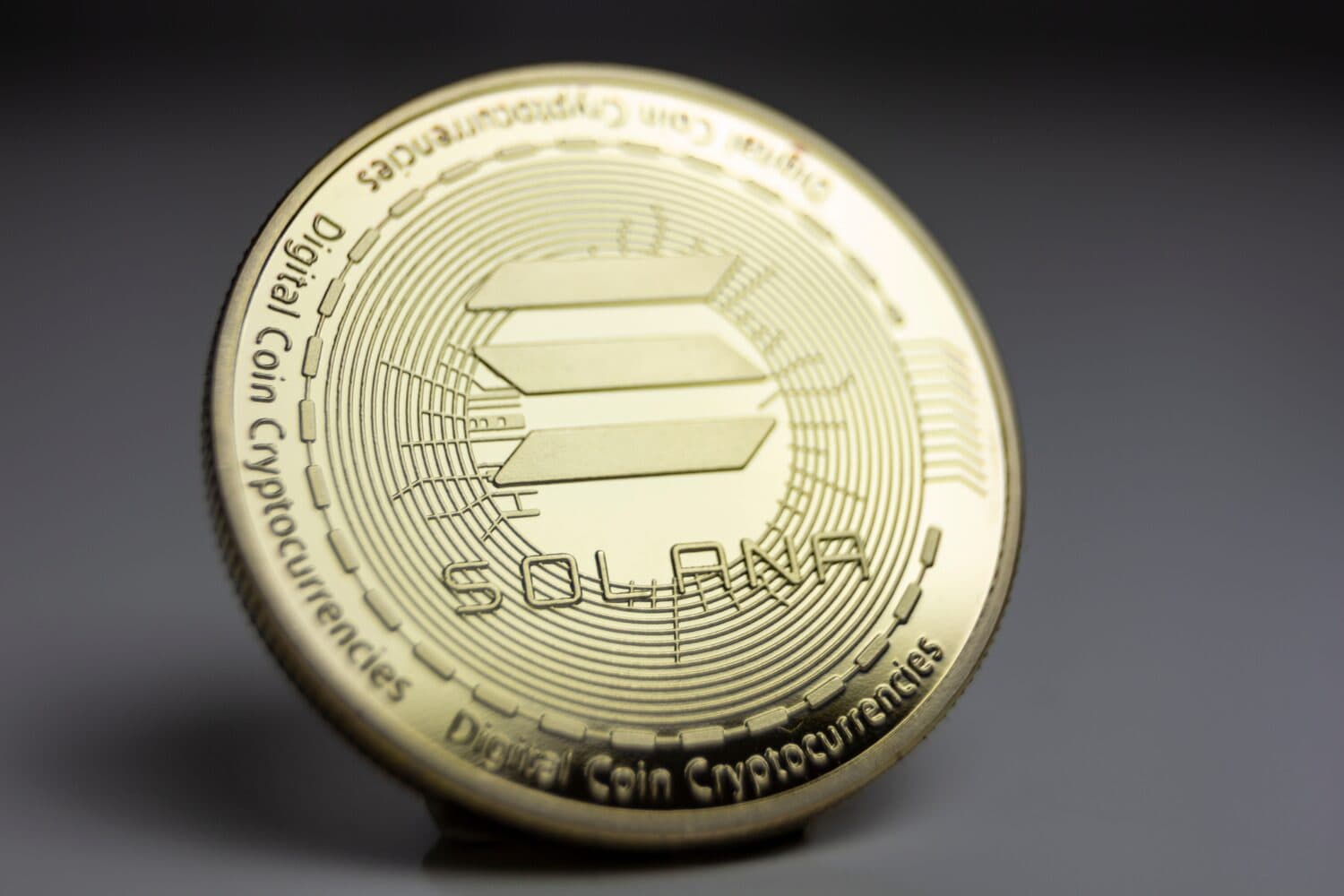
In the last month, Solana has appreciated about 16%, and Bitcoin has risen about 8%, while HYPE has increased by only 6%. If an investor had put $1,000 into HYPE a month ago, it would now be worth about $1,063, compared to approximately $1,162 for Solana.
Therefore, Lion Group’s choice to sell its two stronger-performing assets for HYPE, which has lagged behind, suggests that the company anticipates future growth for Hyperliquid rather than relying solely on recent performance trends.
The company stated that this reallocation reflects its confidence in Hyperliquid’s fundamental strengths and long-term potential, although it refrained from making predictions about HYPE’s future price.
Whale Selling and Unreleased Supply Keep HYPE Near $86 Support

Recently, large holders have been offloading HYPE tokens, increasing selling pressure. Traders are closely monitoring the $86 price point, which has previously acted as a support level. Lion Group’s acquisition came at a time when some of the token’s most significant holders were exiting their positions.
Supply dynamics add to this pressure, as only about 222 million HYPE tokens, or 22% of the maximum supply of 1 billion, are currently in circulation. This gives HYPE a market capitalization of about $19.4 billion. If the remaining 78% of tokens are eventually released onto the market, it could lead to further selling unless demand surges alongside supply.
Hyperliquid could benefit from regulatory clarity in the U.S., though it has not yet received approval. President Trump indicated on August 19 that the CFTC chair was working to bring Hyperliquid onshore, but as of September 23, Hyperliquid had not submitted a formal application and still restricts access to U.S. users.
Is the Lion Group Hyperliquid Move the Trade of Q4?
For outside investors, Lion Group’s move towards Hyperliquid may not be the standout trade of the fourth quarter. The company’s $3.3 million investment in HYPE barely moved the token’s price, while whale selling and untapped supply concerns weigh more heavily on its future trajectory. Therefore, individual investors may want to keep HYPE holdings as small, speculative positions.
This decision carries significant implications for Lion Group’s shareholders, as the company’s crypto results now hinge largely on one exchange token.
If HYPE falls below $86, Lion Group likely entered the market at an inopportune time. Conversely, if HYPE rebounds to reclaim its previous high of $98, roughly 12% higher, or if the CFTC permits Hyperliquid to serve U.S. users, Lion Group’s strategy could ultimately prove to be a wise investment.
Contact [email protected] for any questions or corrections.
Sam Daodu is a crypto analyst and the editor of 24/7 Wall St.'s Crypto Desk, where he covers Bitcoin, XRP, Ethereum, Solana and the altcoins investors search for most. His work focuses on price levels, spot ETF flows, on-chain data and the regulatory decisions that move crypto markets, written so a first-time buyer and a seasoned trader can both use it.
Sam has written about crypto professionally since 2019 and has published more than 2,000 articles. Before joining 24/7 Wall St., he wrote for crypto media outlets and Web3 companies and ghostwrote for crypto founders and token launches. His analysis is syndicated on Yahoo Finance, MSN and AOL and has been cited by other crypto news sites. He also founded MacLabs Marketing, a content and personal branding agency for crypto founders and executives.
When he isn't reading charts, Sam is usually at the gym or watching One Piece, a series he maintains has better tokenomics than most altcoins.