Hedera Jumped 27% on an IBM Cloud Deal and Gave Back 16% the Next Day. HBAR vs XRP: Which Enterprise Coin Is the Better Buy?


Hedera (CRYPTO: HBAR) jumped 27% in just 24 hours on September 28, 2026, after IBM (NYSE:IBM | IBM Price Prediction) added a Hedera-based identity app to its IBM Cloud Catalog. This surge pushed HBAR to an eight-month high. However, the excitement was short-lived, as sellers quickly stepped in, and HBAR fell 16% the following day.
Despite the decline, IBM still lists the app, suggesting the drop likely reflects traders cashing in profits rather than negative news. As of September 30, HBAR trades at around $0.11.
Both Hedera and XRP (CRYPTO: XRP) aim to attract investors by promoting their enterprise adoption potential—a concept where increased company usage of a network boosts demand for its token. In the ongoing HBAR vs XRP comparison, which cryptocurrency has stronger backing?
IBM Listed Hedera’s IDTrust App Without Disclosing Any Customers
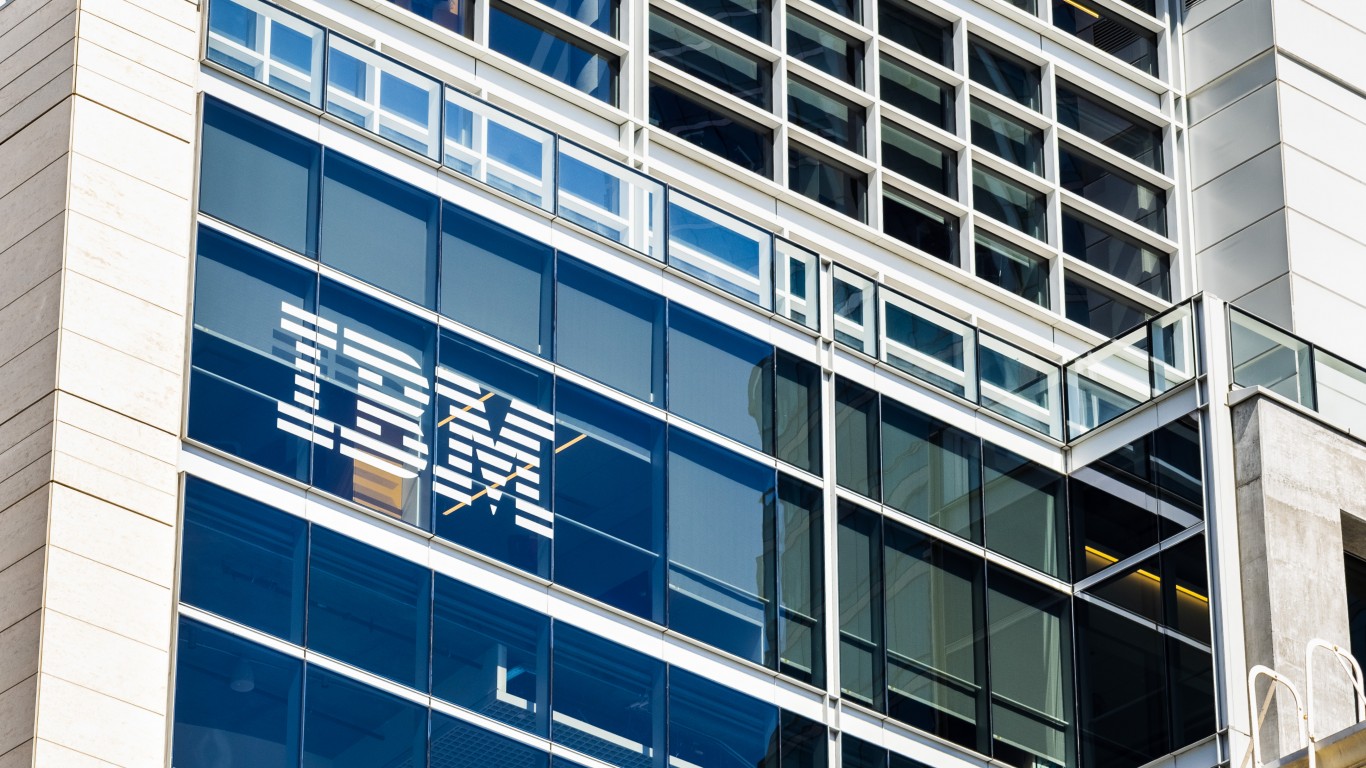
The app in question is IDTrust, developed by The Hashgraph Group, a Swiss software firm that builds on the Hedera network. IDTrust lets individuals, devices, and AI agents store digital identities on Hedera, enabling companies to verify that an AI agent has authority to act on their behalf.
IBM validated IDTrust and featured it in its cloud catalog, an online marketplace where IBM Cloud customers can subscribe to various software solutions.
In addition, The Hashgraph Group became an IBM Silver Partner and signed a global Embedded Solution Agreement, allowing it to integrate IBM software into its products for resale. Hedera claims that IDTrust is the first commercial business application built on its platform to be sold as a subscription through a major cloud marketplace.
However, the lack of disclosed customers, contract values, and estimates of HBAR fees limits this listing’s impact on HBAR’s price. Hedera charges small fees in HBAR for transactions on its network, but most transactions cost just a fraction of a cent. This means the app would need many identity checks before it creates meaningful demand for HBAR.
HBAR Beats XRP on Recent Gains, While XRP Wins on Size and Drawdown

Recent performance metrics favor HBAR, which has appreciated about 38% over the past month compared to XRP’s 8%. HBAR also leads over 60 and 90 days and is down just 4% for 2026, while XRP has declined 19% despite a recent rally.
| Metric | HBAR | XRP |
|---|---|---|
| Price (September 30) | $0.11 | $1.49 |
| One month | +38% | +8% |
| 60 days | +47% | +40% |
| 90 days | +43% | +37% |
| 2026 so far | -4% | -19% |
| One year | -53% | -48% |
| Record high | $0.57 | $3.65 |
| Below record | 81% | 59% |
While HBAR benefited significantly from the IBM news, the subsequent 16% pullback shows how quickly volatility can reverse gains.
In the longer term, XRP demonstrates relative strength. Over the past year, it has lost 48%, while HBAR has lost 53%. XRP trades only 59% below its $3.65 record from July 2025, whereas HBAR is 81% off its $0.57 high from September 2021. This means HBAR would need to multiply by more than five times to reach its peak again, while XRP would need approximately 145% growth.
Market capitalization further distinguishes the two coins. XRP is valued at around $94 billion with 63 billion tokens in circulation, making it about 20 times larger than HBAR’s roughly $5 billion valuation. A larger market cap generally drives more trading activity and institutional investment, making XRP less sensitive to individual news than HBAR.
XRP’s Edge Rests on Evernorth’s 473 Million XRP Treasury
One of XRP’s key advantages is Evernorth, a Ripple-backed company that holds over 473 million XRP, valued at approximately $700 million. Shareholders of Armada Acquisition Corp. II reportedly approved its merger with Evernorth on September 30, moving it closer to a Nasdaq listing as XRPN. However, the deal still requires confirmation before the shares trade.
Evernorth’s large holding offers XRP a significant corporate owner, but it doesn’t necessarily indicate actual usage of the XRP Ledger for transactions. The 473 million XRP it holds could remain off the market for an extended period or be released if Evernorth decides to sell.
Additionally, XRP faces a supply challenge, as approximately 37 billion of its total 100 billion tokens have yet to enter circulation. While Ripple promotes tokenized Treasuries on the XRP Ledger and Hedera has established a sales channel with IBM, both companies still owe investors a measurable fee or transaction volume tied to a defined enterprise customer.
HBAR vs XRP: Which Enterprise Coin Is the Better Buy?
For most investors, XRP appears to be the better option. It has retained its value more effectively over the past year, trades closer to its all-time highs, and boasts a market cap significantly larger than HBAR. Evernorth’s backing gives XRP a clearer path forward with confirmed token quantities. Meanwhile, HBAR’s recent surge is largely tied to the IBM announcement, and HBAR has already lost 16% from that peak.
However, this could change if IBM or The Hashgraph Group identifies a customer using IDTrust, along with associated fees or transaction counts. Such news could provide HBAR with the foundation it needs to strengthen its investment case.
Contact [email protected] for any questions or corrections.
Sam Daodu is a crypto analyst and the editor of 24/7 Wall St.'s Crypto Desk, where he covers Bitcoin, XRP, Ethereum, Solana and the altcoins investors search for most. His work focuses on price levels, spot ETF flows, on-chain data and the regulatory decisions that move crypto markets, written so a first-time buyer and a seasoned trader can both use it.
Sam has written about crypto professionally since 2019 and has published more than 2,000 articles. Before joining 24/7 Wall St., he wrote for crypto media outlets and Web3 companies and ghostwrote for crypto founders and token launches. His analysis is syndicated on Yahoo Finance, MSN and AOL and has been cited by other crypto news sites. He also founded MacLabs Marketing, a content and personal branding agency for crypto founders and executives.
When he isn't reading charts, Sam is usually at the gym or watching One Piece, a series he maintains has better tokenomics than most altcoins.