Robinhood Will Trade Stocks 24/7 Like Crypto. Does Bitcoin Lose Its Weekend Edge?
Robinhood just announced weekend stock trading, threatening to strip away one of Bitcoin's most distinctive bragging rights. But does round-the-clock availability actually protect crypto investors, or has that supposed edge always been more marketing than reality?

This post may contain links from our sponsors and affiliates, and Flywheel Publishing may receive compensation for actions taken through them.

Robinhood Markets (NASDAQ:HOOD | HOOD Price Prediction) has announced plans to offer 24/7 trading for certain U.S. stocks and ETFs, including on weekends. This move could take away one of Bitcoin‘s (CRYPTO:BTC) unique selling points: its ability to trade every hour of every day, while traditional stocks stop trading on Friday evening.
Robinhood shared these plans at its HOOD Summit in Houston on September 29, 2026, with weekend trading expected to launch soon, pending regulatory approval. This raises the question: what happens to Bitcoin’s status as the “market that never sleeps” once stocks can also be traded on Saturday nights?
Robinhood Plans Weekend Stock Trading Through Bruce ATS, Pending Approval
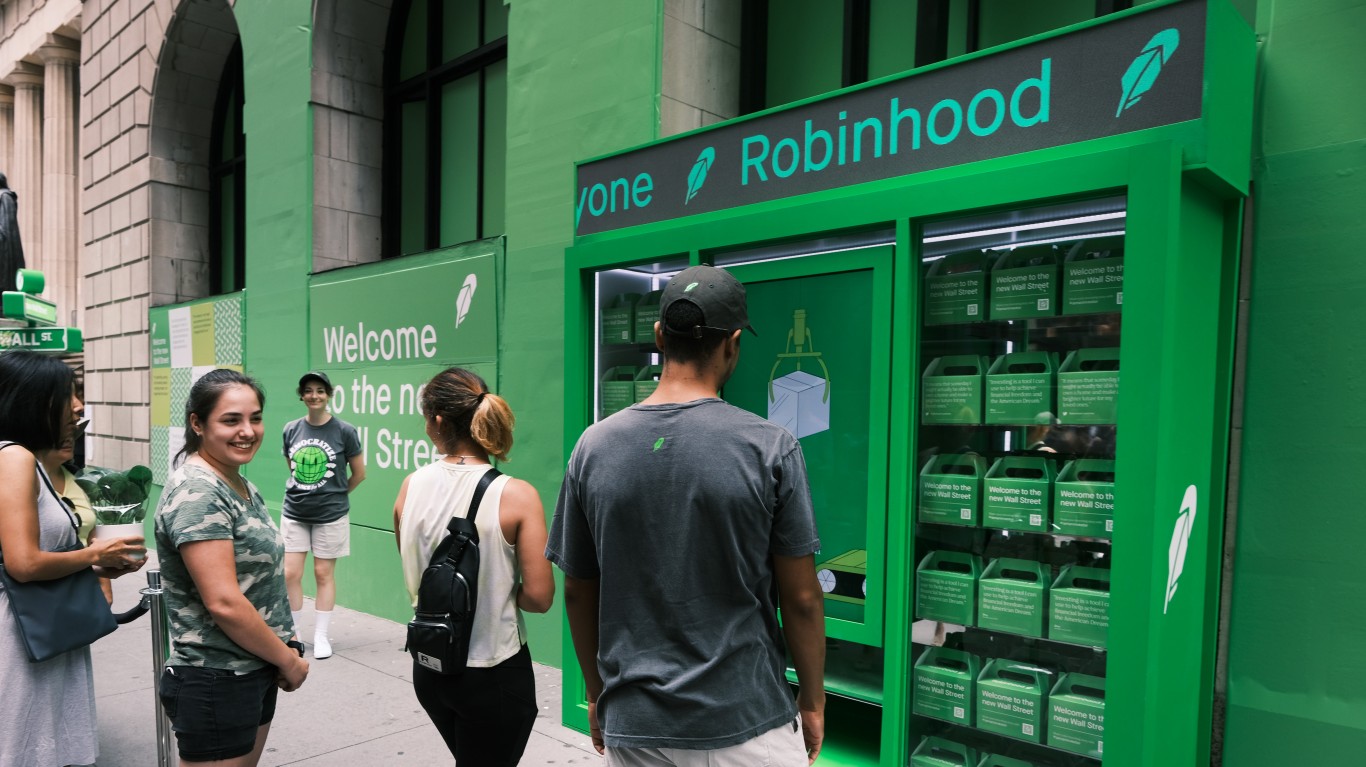
Robinhood currently allows trading from Sunday at 8 p.m. ET to Friday at 8 p.m. ET. The new plan will extend trading hours to include Saturdays and Sundays through an alternative trading system (ATS) called Bruce ATS, backed by PEAK6, Robinhood, and Nasdaq Ventures.
In addition to weekend stock trading, Robinhood is also introducing AI trading agents and crypto perpetual futures. These contracts, which never expire, will be available for Bitcoin, Ethereum (CRYPTO:ETH), Solana (CRYPTO:SOL), XRP (CRYPTO:XRP), and several other cryptocurrencies, allowing up to 10x leverage on Bitcoin and Ethereum, and up to 3x on the others. Some stocks are also already traded around the clock as tokenized versions on the Solana blockchain.
Weekend Stock Trading Could Run Thin, Just Like Weekend Crypto

While weekend trading sounds appealing, it often runs into challenges. With major exchanges and professional traders mostly inactive during weekends, there are typically fewer buyers and sellers. This can widen spreads—the difference between the best buy and sell prices—meaning weekend traders may pay more than they would on a busier weekday.
Bitcoin shares this challenge. During weekends, professional trading slows down, which can cause significant price swings. Additionally, spot Bitcoin ETFs can only trade when stock markets are open, making market movements even more pronounced during quieter periods.
Bitcoin’s Weekend Edge Has Never Protected Its Price

Despite the changes ahead, Bitcoin’s intrinsic qualities still set it apart. Bitcoin trades globally without a broker and has no closing bell. However, trading 24/7 has not necessarily protected its price.
As of October 2, Bitcoin was priced at $85,975 after a 35% increase over 90 days but was still down about 3% in 2026 and 29% over the past year. Someone who invested $1,000 in Bitcoin a year ago would now have roughly $713, even with Bitcoin available to trade every hour.
Does Robinhood 24/7 Trading Cost Bitcoin Its Weekend Edge?
With Robinhood’s new 24/7 trading, Bitcoin might lose its weekend marketing tagline, but its core weekend trading advantage remains intact. Bitcoin remains unique in that it trades without a broker or a closing bell, and its weekend performance hasn’t been significantly driven by its continuous availability.
However, more trading opportunities could lead to increased speculation and volatility in thinner markets. If Bitcoin starts to respond similarly to weekend stock prices once Robinhood’s trading sessions go live, it could blur the distinction between crypto and traditional markets. Conversely, if Bitcoin preserves its independent trading behavior over the weekend, it might maintain its unique edge in the financial landscape.
Contact [email protected] for any questions or corrections.
Sam Daodu is a crypto analyst who's spent nearly a decade making blockchain understandable—no easy task when most whitepapers read like fever dreams. He writes for 24/7 Wall St., covering Bitcoin, altcoins, and crypto market analysis for investors. Before crypto, he was a tech writer (back when explaining "the cloud" was peak innovation). Since 2018, he's written for CoinTelegraph, Yahoo Finance, The Block, Cryptonews, Zypto, Rain, and more—basically anywhere people want crypto news without the headache. Sam runs MacLabs Marketing, a content agency for crypto brands tired of sounding like AI wrote their website. He also publishes free crypto education on his site for Web3 enthusiasts who think "gas fees" is a typo. When he's not writing or staring at charts, Sam's either: - Watching anime (currently convinced One Piece has better tokenomics than most altcoins) - At the gym sculpting himself into a Greek god - Listening to the music your mum warned you only bad boys listen to Connect: LinkedIn | Email | MacLabs Marketing