Why Does XRP Follow Bitcoin? Understanding the Correlation
XRP and Bitcoin tend to move together, but three specific events shattered that pattern and sent XRP in a completely different direction. Understanding what actually drives XRP independently reveals a tension that most crypto investors never see coming.

This post may contain links from our sponsors and affiliates, and Flywheel Publishing may receive compensation for actions taken through them.

XRP (CRYPTO: XRP) often mirrors Bitcoin (CRYPTO: BTC) movements. This pattern arises because the same money, market forces, and news generally influence both cryptocurrencies on most trading days. However, the XRP-Bitcoin correlation has broken down on three occasions in recent years, each triggered by a court ruling, an SEC change, or a Senate vote.
As of October 7, 2026, XRP is priced at $1.47, down 1.4% over the last 24 hours, while Bitcoin is trading at $84,232, down 1.3%. Over a longer term, XRP has fallen more sharply, now about 60% below its all-time high of $3.65. In contrast, Bitcoin is approximately 33% under its peak of $126,080. While both assets typically move together, they don’t always change by the same amount.
Why XRP Moves With Bitcoin, Even on Quiet Ripple Days
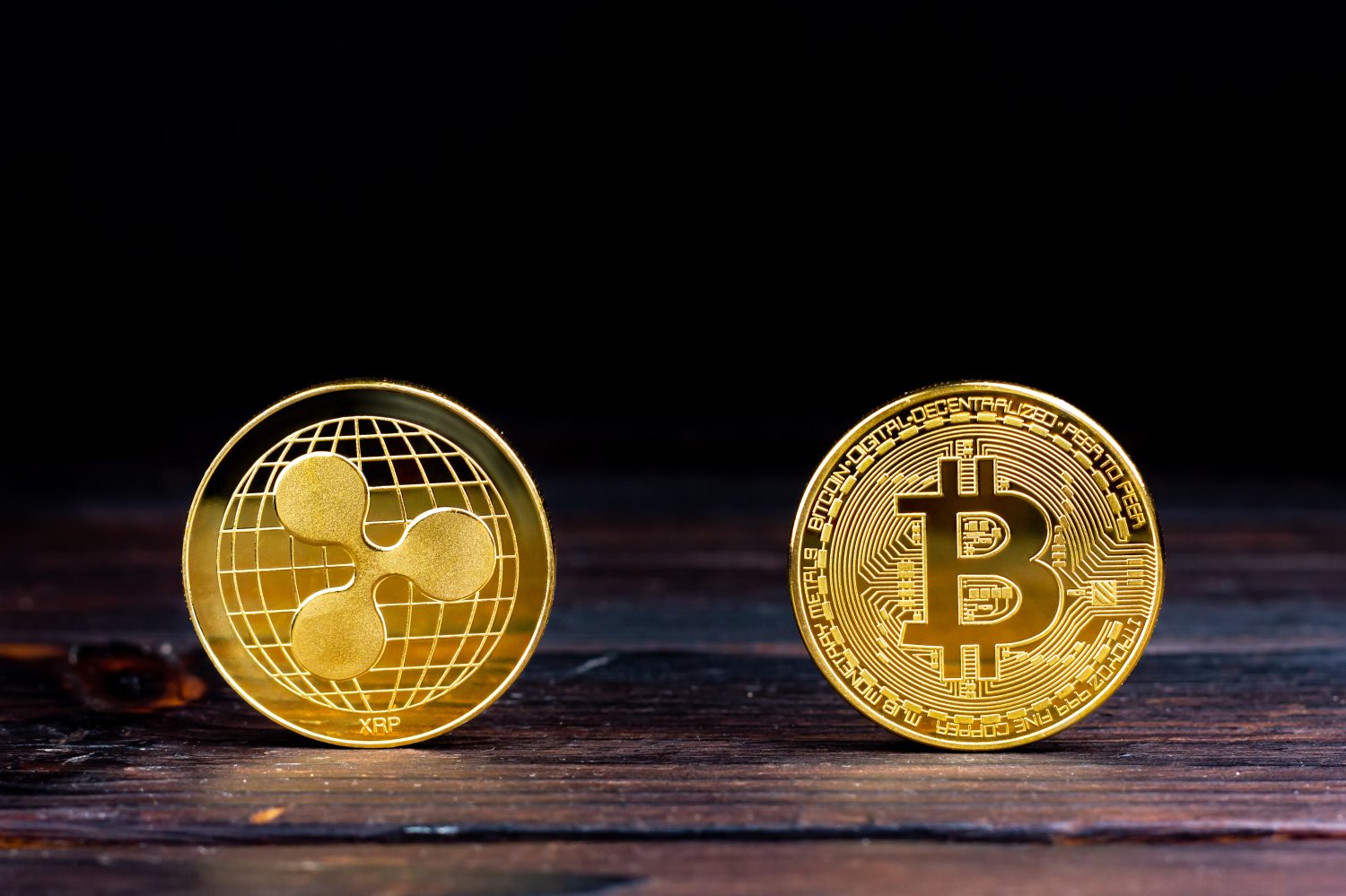
Bitcoin stands as the largest cryptocurrency, valued at around $1.69 trillion. When new funds flow into the market, they often start with Bitcoin before spreading to other coins like XRP. Likewise, when investors pull money out, Bitcoin often falls first, setting the trend for the rest of the market.
Leveraged trading also amplifies these movements. Traders may borrow funds to increase their positions and hold multiple cryptocurrencies at once. If losses surpass their collateral, exchanges will forcefully liquidate those positions. For instance, on November 21, 2025, around $1.9 billion in positions were liquidated within just 24 hours. A steep decline in Bitcoin can trigger similar selling in XRP due to this linked behavior.
Market reactions to shared news also contribute to this correlation. When major updates, such as changes in Federal Reserve rates or regulatory announcements, surface, traders can sell both Bitcoin and XRP simultaneously, even without news specific to Ripple.
The Three Times XRP Broke Away From Bitcoin, and What Caused Each One

The connection between XRP and Bitcoin has broken on three critical occasions, each time due to legal or regulatory actions:
- The First Break. On July 13, 2023, Judge Analisa Torres ruled that Ripple’s sales of XRP on public exchanges did not qualify as securities offerings. This decision caused XRP to surge about 60% within hours, while Bitcoin only rose modestly, as the ruling directly affected XRP’s legal standing and left Bitcoin unaffected.
- The Second Break. In November 2024, following the US elections, hopes for a more favorable SEC arose. On November 21, SEC Chair Gary Gensler announced his intent to resign. Over that stretch, XRP skyrocketed from approximately $0.50 in early November to nearly $2.50 by December 2, marking a roughly fivefold increase. Meanwhile, Bitcoin posted only about a 40% gain over the same period.
- The Third Break. On September 15, 2026, the Senate blocked the CLARITY Act, which sought to designate XRP as a commodity under federal law. Falling short with only 50 of the 60 votes it needed, the bill’s failure caused XRP to drop about 8% in the following day, while Bitcoin’s decline was limited to about 1.4%.
Why Ripple Partnerships Rarely Move XRP Away From Bitcoin
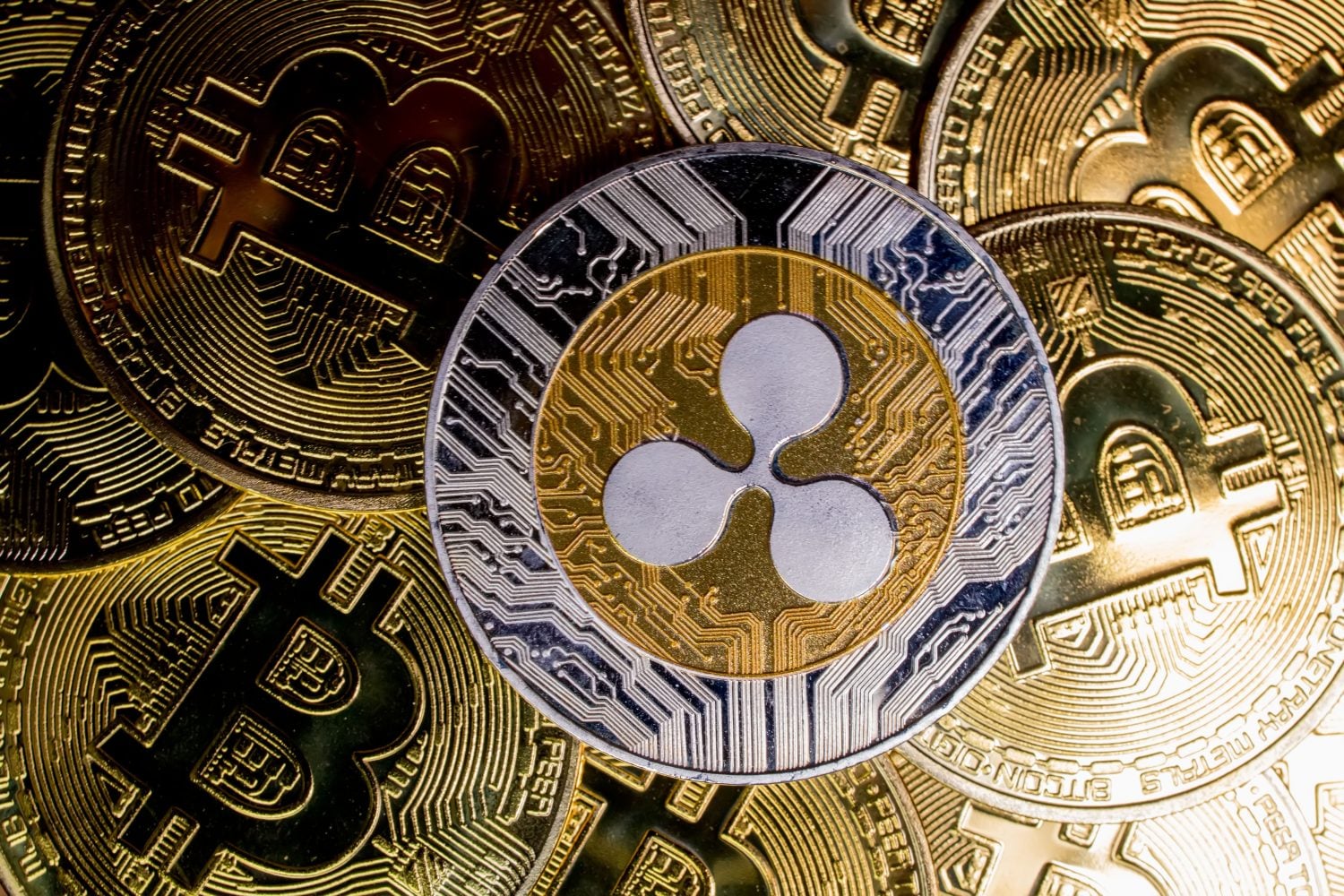
Ripple often announces partnerships and product updates, yet these developments usually don’t lead to significant price changes for XRP when compared to Bitcoin. In 2022, JPMorgan’s Michael Cembalest highlighted this anomaly. Ripple saw payment transactions increase fivefold between 2019 and 2020, but banks primarily used Ripple’s payment network, not the XRP token itself, to process transactions.
Thus, while partnerships can boost Ripple’s revenue, they do not necessarily increase the demand for XRP. In contrast, legal decisions and regulatory measures affect XRP’s market behavior immediately. These developments distinctly influence who can purchase XRP, which exchanges list it, and how regulators categorize it, leading to separate movements at times.
Is XRP a Bitcoin Proxy, and When Does the XRP Bitcoin Correlation Break?
For the most part, XRP acts like a proxy for Bitcoin, moving in tandem with it. However, it behaves independently in response to legal rulings, congressional actions, or regulatory changes affecting XRP specifically. Investors holding both cryptocurrencies for diversification often have to navigate this correlation. While both tend to rise and fall together, XRP has fallen further from its peak.
The next break in correlation could stem from regulatory changes rather than a court ruling, as both the SEC and CFTC have indicated they will develop cryptocurrency regulations without congressional input. If XRP begins to diverge from Bitcoin on Ripple’s partnership news, it might indicate that buyers are finally considering the growing demand for XRP itself, challenging its status as a mere Bitcoin proxy.
Contact [email protected] for any questions or corrections.
Sam Daodu is a crypto analyst and the editor of 24/7 Wall St.'s Crypto Desk, where he covers Bitcoin, XRP, Ethereum, Solana and the altcoins investors search for most. His work focuses on price levels, spot ETF flows, on-chain data and the regulatory decisions that move crypto markets, written so a first-time buyer and a seasoned trader can both use it.
Sam has written about crypto professionally since 2019 and has published more than 2,000 articles. Before joining 24/7 Wall St., he wrote for crypto media outlets and Web3 companies and ghostwrote for crypto founders and token launches. His analysis is syndicated on Yahoo Finance, MSN and AOL and has been cited by other crypto news sites. He also founded MacLabs Marketing, a content and personal branding agency for crypto founders and executives.
When he isn't reading charts, Sam is usually at the gym or watching One Piece, a series he maintains has better tokenomics than most altcoins.