Bitcoin Dips to $80,000: How Other Coins Fared in the Market Slide
When Bitcoin tumbled to $80,000 and dragged most of the crypto market down with it, two smaller coins barely budged. Whether that signals genuine strength or something far less exciting depends on answers the price data alone cannot provide.

This post may contain links from our sponsors and affiliates, and Flywheel Publishing may receive compensation for actions taken through them.

Bitcoin (CRYPTO: BTC) fell to $80,000, leading to a significant decline in the cryptocurrency market on October 8, 2026. Of the 15 major coins tracked, 13 fell more than Bitcoin. However, NEAR Protocol (CRYPTO: NEAR) and Monero (CRYPTO: XMR) stood out, falling only 0.3% and 1.3%, respectively.
By October 9, Bitcoin had bounced back slightly to $83,247, down 3.6% over the week. This raises the question: did NEAR and Monero show real strength during this crypto selloff, or did their stable prices reflect lower trading activity?
How 16 Major Coins Fared in the Crypto Selloff

Here’s how major coins ranked based on their seven-day price changes as of October 9, listed from smallest drop to largest:
| Rank | Coin | Seven-Day Drop |
|---|---|---|
| 1 | NEAR Protocol | 0.3% |
| 2 | Monero | 1.3% |
| 3 | Bitcoin | 3.6% |
| 4 | Hyperliquid (CRYPTO: HYPE) | 5.3% |
| 5 | Cardano (CRYPTO: ADA) | 6.4% |
| 6 | Avalanche (CRYPTO: AVAX) | 6.6% |
| 7 | Litecoin (CRYPTO: LTC) | 8.0% |
| 8 | Ethereum (CRYPTO: ETH) | 8.8% |
| 9 | Solana (CRYPTO: SOL) | 8.9% |
| 10 | XRP (CRYPTO: XRP) | 9.0% |
| 11 | Sui (CRYPTO: SUI) | 9.1% |
| 12 | Chainlink (CRYPTO: LINK) | 10.4% |
| 13 | Zcash (CRYPTO: ZEC) | 10.8% |
| 14 | Dogecoin (CRYPTO: DOGE) | 12.1% |
| 15 | Hedera (CRYPTO: HBAR) | 12.7% |
| 16 | Stellar (CRYPTO: XLM) | 13.5% |
Notably, smaller coins rank lower, with Chainlink, Zcash, Dogecoin, Hedera, and Stellar each down more than 10%. Their smaller market sizes largely contributed to these deeper losses.
Why Smaller Coins Fell Harder Than Bitcoin
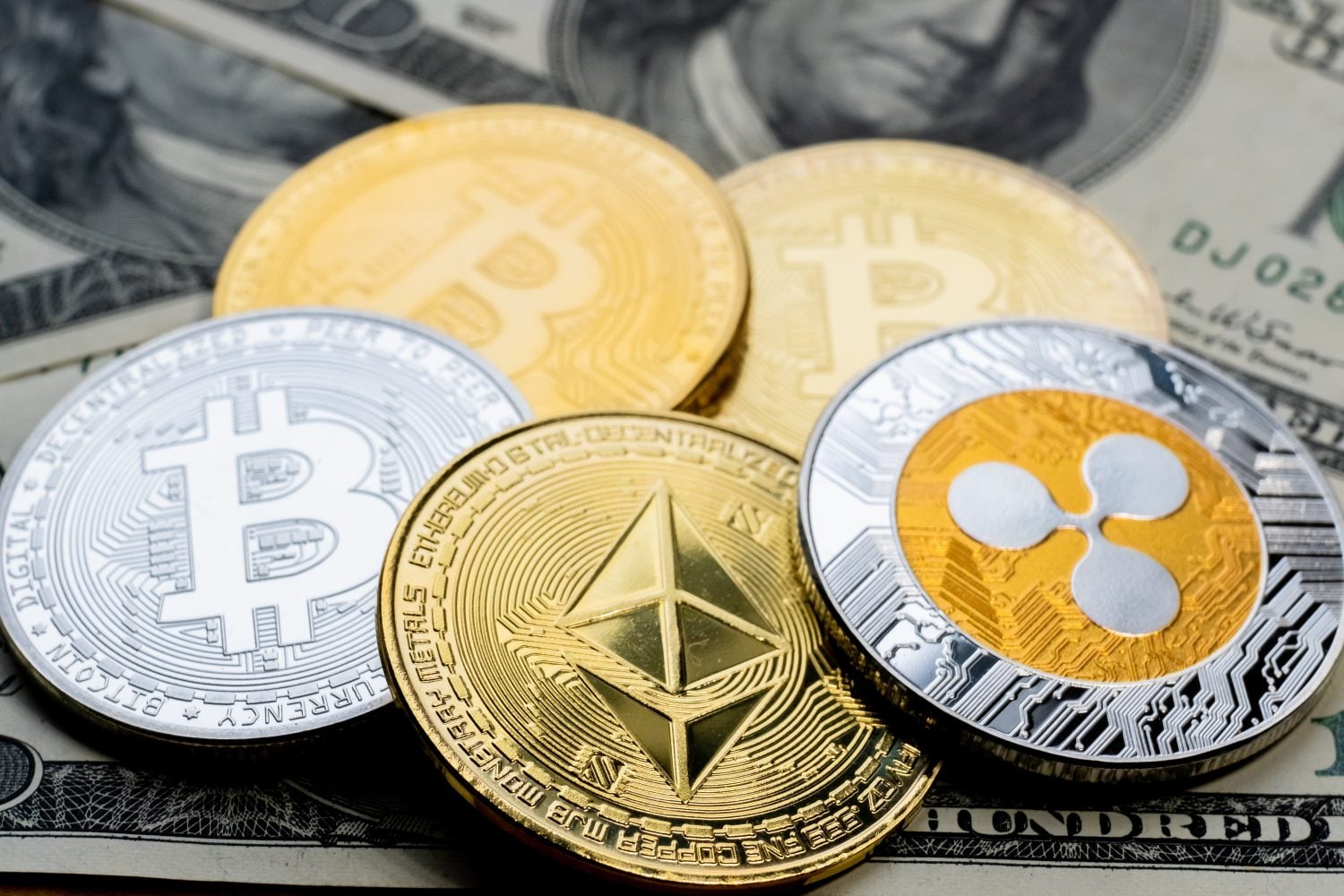
Market size is like water depth: a large rock tossed into a lake barely causes a ripple, while it creates a significant splash in a bathtub. Bitcoin’s daily trading volume consistently runs into the tens of billions of dollars, so even substantial sell orders have minimal impact on its price. Smaller coins, with less trading volume, can drop sharply on similar sell orders because fewer buyers are available at different price points.
However, market size alone doesn’t explain every coin’s performance. Ethereum, for example, is the second-largest cryptocurrency but fell 8.8%, steeper than Cardano’s 6.4% drop. Interestingly, NEAR and Monero, both smaller than Bitcoin, still posted less severe losses, inviting further investigation.
Did NEAR and Monero Hold Up or Just Trade Less?

When a coin’s price stays relatively stable during a market drop, it can point to different scenarios. On one hand, it might suggest robust buyer demand stepping in to support the price. On the other hand, it could indicate that the coin is rarely traded, so less selling pressure affects its price.
NEAR’s performance over the past month complicates this analysis. The blockchain network, designed for running applications, has surged 91.7% over the last 30 days, a stretch that includes the selloff week. This sharp rise may suggest earlier investors are still in profit, so a flat week could simply be a pause after recent gains.
Monero, known for privacy features that obscure transaction details, has risen 8.4% over the last month. Its more modest performance compared to NEAR weakens the momentum argument for its stable week, though price data alone can’t rule out lighter trading activity.
Crypto ETF Flows Show Investors Pulling Back From Bitcoin
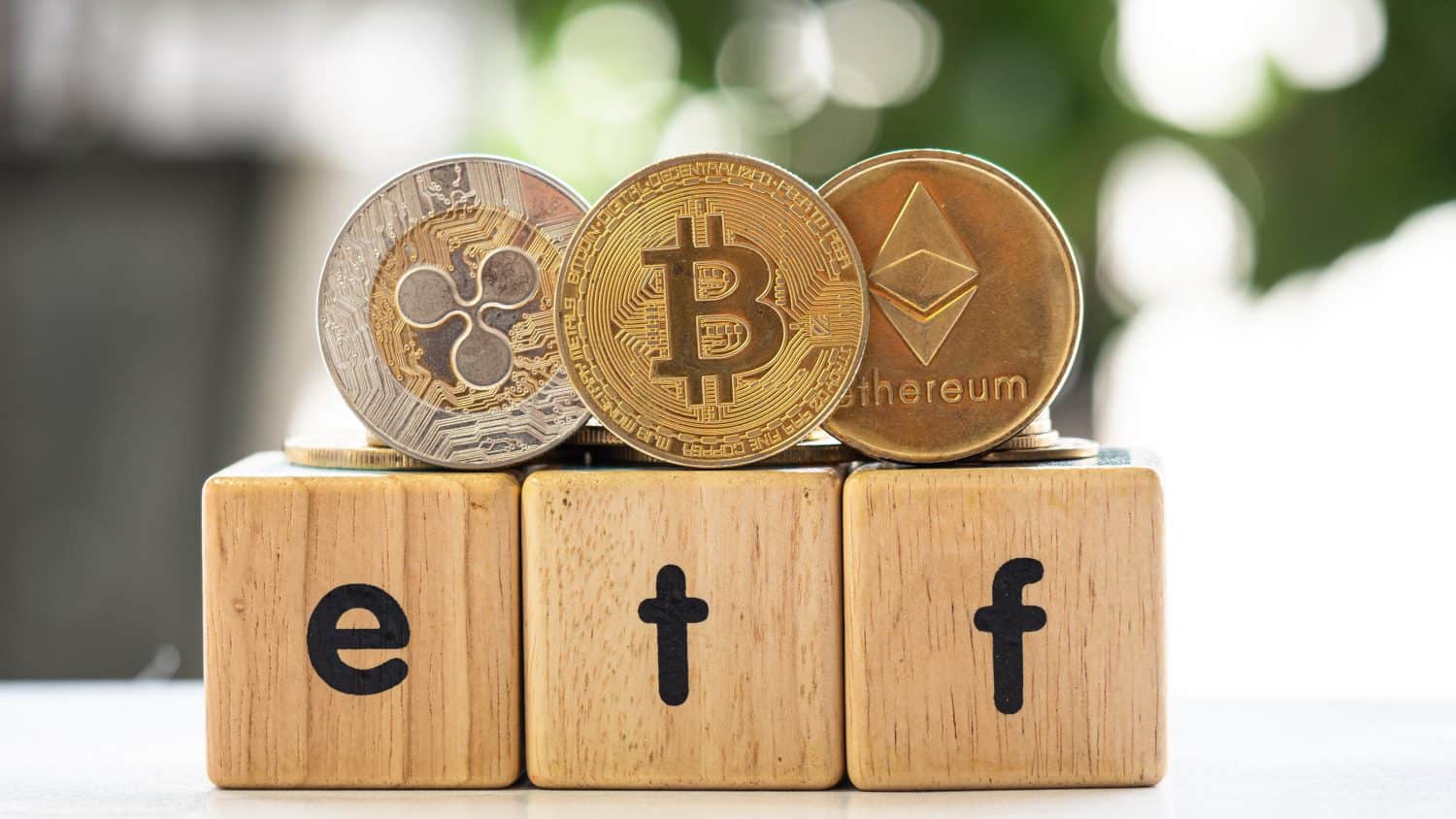
Examining fund flows offers additional insight, though data is limited to five coins on the list. Exchange-traded funds (ETFs) allow investors to own a coin through regular brokerage accounts. On October 8, Bitcoin-based funds lost $244 million, Ethereum funds lost $73 million, and Solana funds dropped $3.3 million. In contrast, XRP funds gained $8.2 million, and Dogecoin saw no change in flows.
Although these fund flows can inform us about investor sentiment, they don’t always correlate neatly with price changes. For instance, XRP funds attracted new investment while XRP fell 9.0%, more than Bitcoin, which saw the largest outflow. Notably, there is no fund flow data for NEAR or Monero, so it’s challenging to determine whether investor interest is supporting these coins.
Which Coins Held Up Best in the Crypto Selloff?
Bitcoin performed well, dropping only 3.6% amid a turbulent market, even as $244 million left Bitcoin funds in a single day. While NEAR and Monero posted smaller losses, those results could reflect lower trading volume rather than genuine buying support.
Future market shifts will be critical to assessing NEAR and Monero’s resilience. If Bitcoin drops below $80,000 and NEAR and Monero fall more sharply, their previous stability was likely due to lower trading volumes. However, if these coins remain stable while Bitcoin continues to slide, it would indicate healthy demand for NEAR and Monero and could position them as strong market contenders.
Contact [email protected] for any questions or corrections.
Sam Daodu is a crypto analyst who's spent nearly a decade making blockchain understandable—no easy task when most whitepapers read like fever dreams. He writes for 24/7 Wall St., covering Bitcoin, altcoins, and crypto market analysis for investors. Before crypto, he was a tech writer (back when explaining "the cloud" was peak innovation). Since 2018, he's written for CoinTelegraph, Yahoo Finance, The Block, Cryptonews, Zypto, Rain, and more—basically anywhere people want crypto news without the headache. Sam runs MacLabs Marketing, a content agency for crypto brands tired of sounding like AI wrote their website. He also publishes free crypto education on his site for Web3 enthusiasts who think "gas fees" is a typo. When he's not writing or staring at charts, Sam's either: - Watching anime (currently convinced One Piece has better tokenomics than most altcoins) - At the gym sculpting himself into a Greek god - Listening to the music your mum warned you only bad boys listen to Connect: LinkedIn | Email | MacLabs Marketing