The U.S. Government Moved $1.5 Billion in Seized Crypto in Two Days. Will It Sell?
Blockchain trackers flagged two massive government Bitcoin transfers within 48 hours, and traders are now watching every on-chain move for clues about whether billions in seized crypto could soon flood the market.

This post may contain links from our sponsors and affiliates, and Flywheel Publishing may receive compensation for actions taken through them.

U.S. government wallets transferred about $1.5 billion in seized cryptocurrency on October 7 and 8, 2026, mainly Bitcoin (CRYPTO: BTC), according to blockchain analytics firm Arkham. Traders quickly took notice since a government sale of this magnitude could significantly impact the market.
Despite the large movement, Bitcoin’s value rose about 1% over the past 24 hours, trading around $83,200 as of October 10. This is still roughly 34% below its all-time high of $126,080. So, is the U.S. government gearing up to sell its Bitcoin?
The U.S. Government Moved $1.5 Billion of Seized Bitcoin in Two Transfers

The first transfer occurred on October 7, when wallets associated with the Bitfinex hacker and Alameda Research sent about $470 million in Bitcoin, wrapped Bitcoin, and the stablecoin USDT to addresses likely linked to Coinbase Prime, Coinbase’s institutional arm that handles trading and asset custody.
The second, larger transfer occurred on October 8, when a government wallet linked to the Bitfinex hacker seizure sent 12,267 BTC, worth about $1.01 billion, to new, unidentified addresses. This Bitcoin came from the notorious 2016 Bitfinex hack, after which the Justice Department confiscated about 94,000 BTC in 2022. Arkham noted that this transfer did not result in any deposits to exchanges.
Even after these transactions, the government still holds an estimated 320,000 to 330,000 BTC, valued between $25 billion and $27 billion, according to Arkham. This amount represents roughly a quarter of the total 1.29 million BTC held by U.S. spot Bitcoin ETFs.
A 2025 Executive Order Prevents the Government From Selling Seized Bitcoin
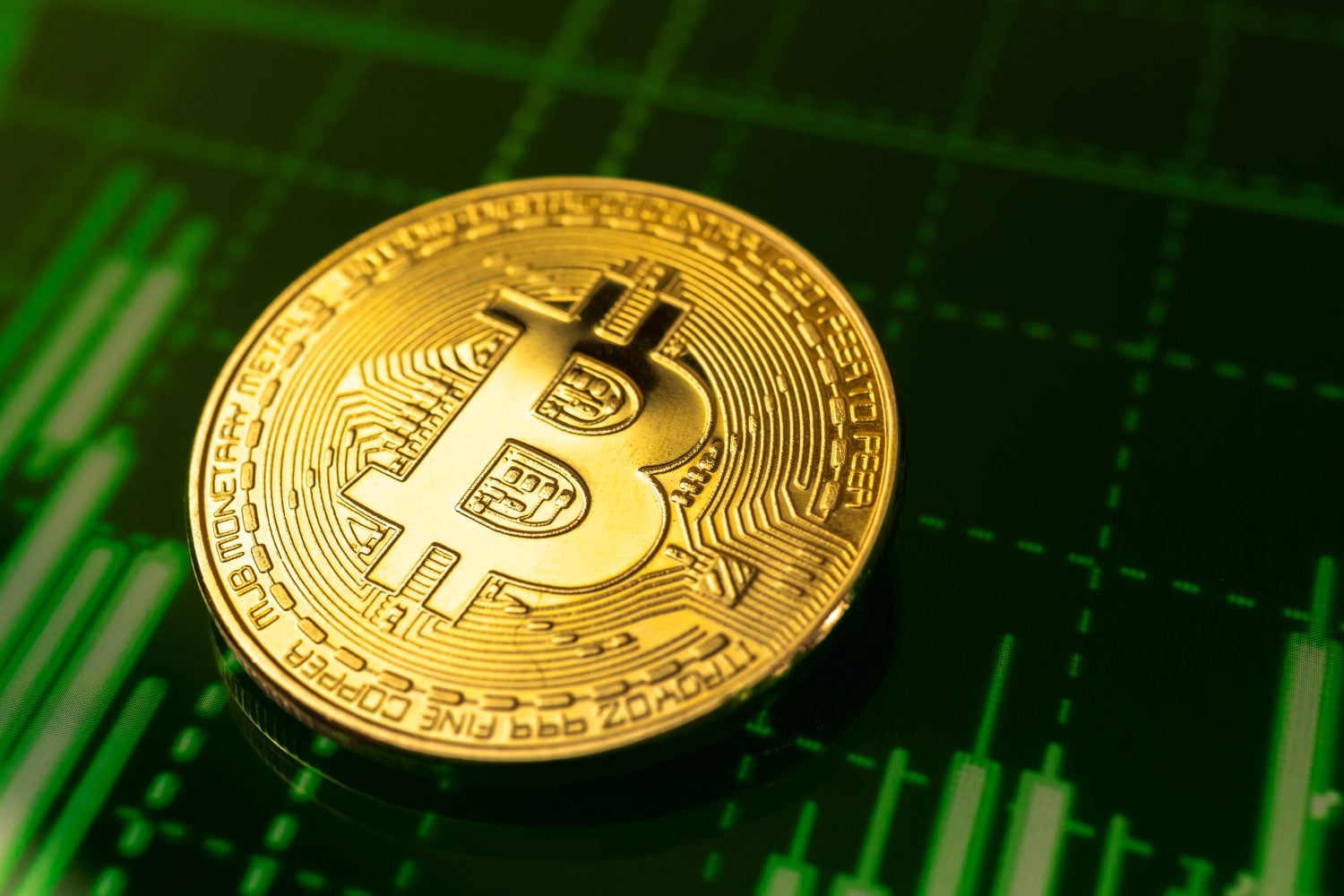
Current government policy seems to oppose a sale. A March 2025 executive order established a Strategic Bitcoin Reserve for long-term holding and directed that any forfeited Bitcoin be added to this reserve instead of sold. The White House indicated that previous sales had already cost taxpayers over $17 billion in lost value.
However, the order allows exceptions. Courts can order the sale or return of coins, and victims of hacks or creditors may still claim some of the seized funds. Additionally, the order categorizes tokens other than Bitcoin, like the USDT from the October 7 transfer, into a separate Digital Asset Stockpile with different rules. Congress has also discussed codifying these rules into law.
Coinbase Prime Transfers Don’t Always Indicate a Bitcoin Sale

While every Bitcoin transaction leaves a public record detailing the amount, sender, and receiver, these records don’t specify why the coins were moved. Governments may transfer their holdings for various reasons, such as improving security, splitting large balances across new addresses, or changing custodians—the firms that store assets.
The October 7 transaction is particularly difficult to interpret because Coinbase Prime offers both custody services and trading. The government used this same route previously, moving about 3,800 BTC and 30,007 ETH, valued at more than $288 million, to Coinbase Prime on July 13. At that time, Arkham noted that the move might not indicate an imminent sale.
Is the U.S. Government About to Sell Its Bitcoin?
Currently, the U.S. government appears not to plan to sell its Bitcoin. The larger transfer of 12,267 BTC on October 8 went to new wallets instead of an exchange. Meanwhile, the October 7 transfer went to a platform that provides both trading and custody services, and the 2025 executive order mandates that forfeited Bitcoin be placed into a reserve. For Bitcoin holders, the ongoing discussion brings uncertainty, as the blockchain cannot reveal the government’s future intentions until the coins move again.
This situation could change if coins from the 12,267 BTC transfer are deposited into an exchange address, or if a court order or agency decision permits a sale. A sale of this scale could introduce about $1 billion of new supply into the market, potentially impacting Bitcoin’s value, especially as it currently trades around 34% below its peak.
Contact [email protected] for any questions or corrections.
Sam Daodu is a crypto analyst who's spent nearly a decade making blockchain understandable—no easy task when most whitepapers read like fever dreams. He writes for 24/7 Wall St., covering Bitcoin, altcoins, and crypto market analysis for investors. Before crypto, he was a tech writer (back when explaining "the cloud" was peak innovation). Since 2018, he's written for CoinTelegraph, Yahoo Finance, The Block, Cryptonews, Zypto, Rain, and more—basically anywhere people want crypto news without the headache. Sam runs MacLabs Marketing, a content agency for crypto brands tired of sounding like AI wrote their website. He also publishes free crypto education on his site for Web3 enthusiasts who think "gas fees" is a typo. When he's not writing or staring at charts, Sam's either: - Watching anime (currently convinced One Piece has better tokenomics than most altcoins) - At the gym sculpting himself into a Greek god - Listening to the music your mum warned you only bad boys listen to Connect: LinkedIn | Email | MacLabs Marketing