She Bought Solana at Its $293 Peak Because It Was the Fastest Chain in Crypto. It Still Is. She Has Lost Three Times What a Bitcoin Buyer Lost the Same Day.
She picked Solana over Bitcoin because the technology was genuinely superior, and the network has since gotten even faster. So why did her investment collapse at three times the rate of someone who bought Bitcoin that same day?

This post may contain links from our sponsors and affiliates, and Flywheel Publishing may receive compensation for actions taken through them.

A buyer who purchased Solana (CRYPTO:SOL) at a record high of $293 on January 19, 2025, has now seen her investment drop by 62%. That’s about three times the loss a Bitcoin (CRYPTO:BTC) buyer experienced on the same day. She chose Solana because it was known as the fastest major blockchain in the crypto market, a claim that still holds true.
As of October 12, 2026, the Solana price stands at around $112. By comparison, a Bitcoin buyer on January 19, 2025, paid roughly $104,000 per coin, and Bitcoin now trades at about $83,400, a loss of around 20%.
So, if Solana’s technology delivered on its promises, why did its price fall so much more than Bitcoin’s?
Solana Delivered the Speed Its $293 Buyers Expected
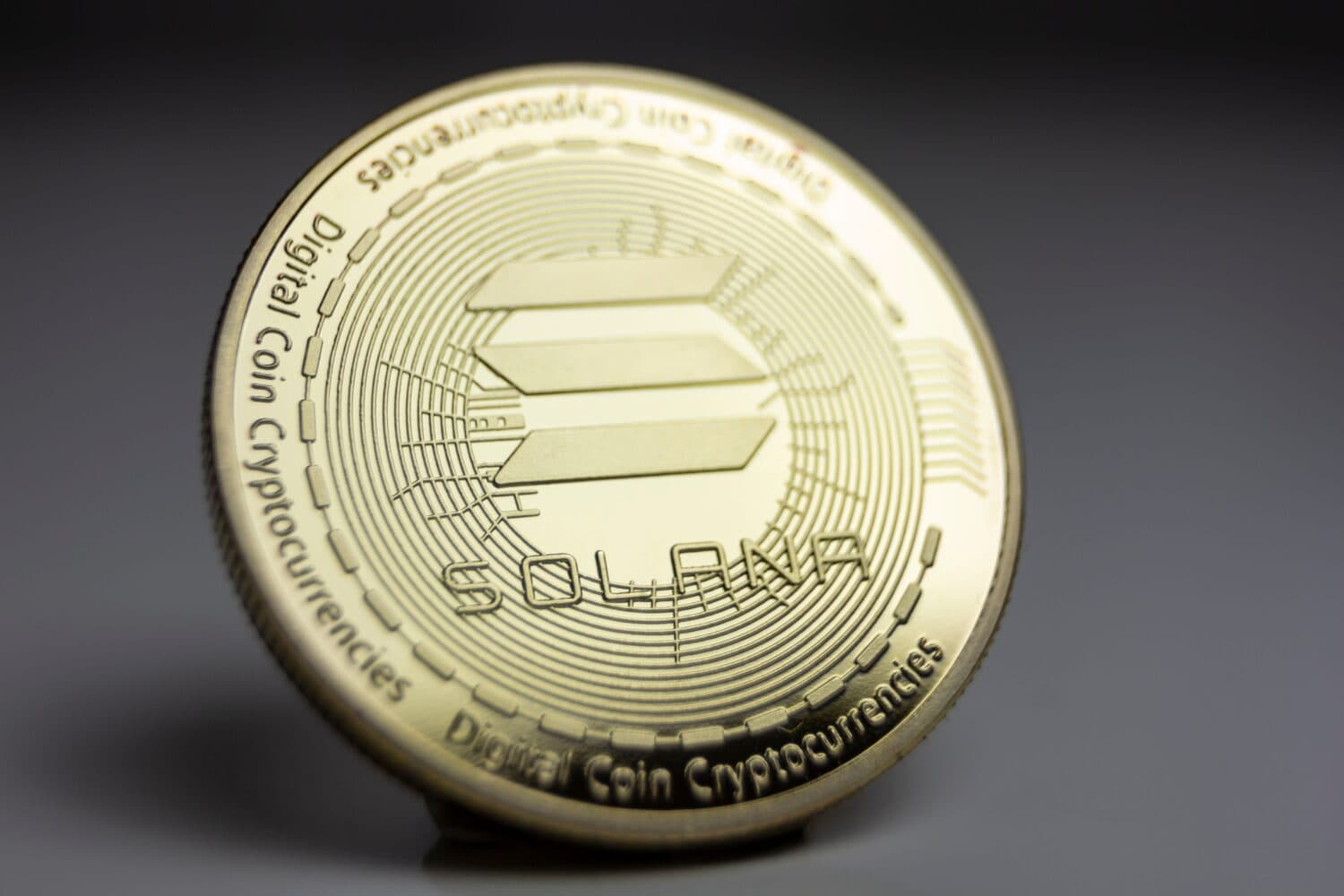
On October 9, Solana’s network reduced its block time to just 200 milliseconds, making it the fastest among major blockchains. Block time is how quickly a blockchain records a new batch of transactions; shorter times mean faster confirmations for payments or trades. Solana’s developers are also planning an upgrade called Alpenglow, which aims to improve final settlement speed further.
Businesses often choose a blockchain based on speed. For example, payment processing at a checkout, executing an order in a trading app, or tracking moves in a game all require rapid confirmations. For years, Solana’s promoters targeted developers who needed speed that slower networks couldn’t offer.
She invested in a faster network in January 2025, and Solana has indeed become faster, proving she was correct about the technology.
Solana Fell 62% While Bitcoin Fell 20% From the Same Day

The two investments look dramatically different when compared side by side. Solana is down 62% from its peak of $293, while Bitcoin has only fallen about 20% from its January 2025 price of $104,000. Despite entering the market on the same day, Solana buyers endured a far greater loss.
Buyers essentially set a coin’s price, and speed is just one factor influencing what they will pay. Other factors, such as risk appetite, money flows in and out of crypto, and how crowded the trade was at the peak, also affect prices. These elements can create a gap between a product’s value and its price that may persist for years.
When someone buys at an all-time high—the highest price a coin has ever traded—they risk the most when those prices begin to drop. She paid a premium, anticipating years of success. However, as enthusiasm waned, the price declined even while the network continued to improve.
Solana Swings Harder Than Bitcoin in Both Directions

Solana’s performance relative to Bitcoin can fluctuate sharply over time. For instance, over the past 30 days, Solana rose 9.9% while Bitcoin rose 8%, boosted by a rotation into altcoins in September. Solana rebounded from a June low of $60 to a September high of $125.
However, Solana’s price swings are more extreme in both directions. In the past week, Solana fell 7.6%, compared to Bitcoin’s 3% decline, meaning Solana holders experience greater highs and lows.
This means Solana has a significant climb ahead to return to $293. A 62% drop requires much more than a 62% increase to recover, as growth starts from a smaller base. Additionally, the recent upgrade has not yet been reflected in the price, which has fallen since January 2025.
Why Did the Solana Price Drop More Than Bitcoin’s?
The Solana price fell harder because buyers paid for years of expected success at its peak. Furthermore, Solana’s price tends to be more volatile than Bitcoin’s when enthusiasm fades. While she believed in the technology, she still lost 62% because choosing the technology and selecting an entry price are different decisions. Typically, a peak price suggests the market has already priced in most of a coin’s technical potential.
Two key levels could signal that speed is starting to affect Solana’s price. A monthly close above September’s high of $125, while Solana continues to outperform Bitcoin over 30 days, might indicate growing demand for the faster network. Conversely, a drop back toward June’s low of $60 could suggest that the gap between a functional network and a declining Solana price is still growing.
Contact [email protected] for any questions or corrections.
Sam Daodu is a crypto analyst who's spent nearly a decade making blockchain understandable—no easy task when most whitepapers read like fever dreams. He writes for 24/7 Wall St., covering Bitcoin, altcoins, and crypto market analysis for investors. Before crypto, he was a tech writer (back when explaining "the cloud" was peak innovation). Since 2018, he's written for CoinTelegraph, Yahoo Finance, The Block, Cryptonews, Zypto, Rain, and more—basically anywhere people want crypto news without the headache. Sam runs MacLabs Marketing, a content agency for crypto brands tired of sounding like AI wrote their website. He also publishes free crypto education on his site for Web3 enthusiasts who think "gas fees" is a typo. When he's not writing or staring at charts, Sam's either: - Watching anime (currently convinced One Piece has better tokenomics than most altcoins) - At the gym sculpting himself into a Greek god - Listening to the music your mum warned you only bad boys listen to Connect: LinkedIn | Email | MacLabs Marketing