Europe’s Biggest Electronics Retailer Pulled Ledger From Its Shelves, and the Former Mt. Gox CEO Says His Wallet Had a Spy Chip Too. Is a Hardware Wallet Still Safe to Buy in a Store?
Europe's largest electronics retailer just pulled Ledger wallets from its shelves, and the former CEO of collapsed exchange Mt. Gox claims his device came with a spy chip inside. Here is what these reports reveal about the risks hiding in…

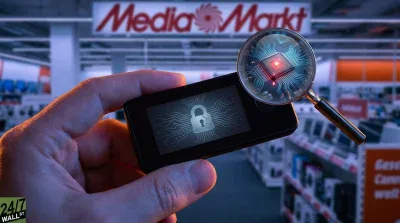
MediaMarktSaturn, parent company of the European electronics retailer MediaMarkt, has removed Ledger hardware wallets from its stores and websites as tampering reports spread beyond Southeast Asia, according to CoinGecko. Ledger produces hardware wallets, which are small offline devices that securely store the secret keys needed to control cryptocurrencies like Bitcoin. MediaMarkt is the first major European retailer to take this action.
This decision followed a user on X who claimed that two Ledger wallets he bought at different MediaMarkt locations included unauthorized cables and cellular modules. Additionally, Mark Karpeles, former CEO of the now-defunct crypto exchange Mt. Gox, said his Ledger Flex, bought at Singapore’s Changi Airport, also had a spy chip embedded in it.
Ledger is a privately held company and does not issue a cryptocurrency, so there is no direct impact on coin prices from this news. The real concern falls on individuals who use these devices to store their cryptocurrencies. Given these reports, should you feel safe purchasing a hardware wallet from a store, and how can existing owners check their devices for tampering?
MediaMarkt and Ledger Have Confirmed Only Some Tampering Reports

MediaMarktSaturn’s decision to remove Ledger products was a precaution they took on their own. Initial reports linked tampered devices to CryptoBilis, a Ledger reseller based in Southeast Asia, where customers reportedly lost funds.
To date, the reports rely on personal accounts. The X user’s claim involves two separate devices purchased from different MediaMarkt stores, while Karpeles’s account involves one Ledger Flex. Both claims are anecdotal experiences and have not been independently verified for tampering.
Ledger acknowledged receiving one tampering report from a customer in Germany, but said no funds were lost. The company has not clarified whether any tampered devices sold outside of CryptoBilis resulted in stolen funds.
A retailer pulling stock is a precautionary measure, not definitive proof that any device on their shelves was tampered with. Likewise, Ledger’s acknowledgment of a single tampering case doesn’t address the status of other devices users haven’t reported.
An Implant Can’t Read the Key but Can Still Empty a Hardware Wallet

Every hardware wallet includes a secure element, a hardened chip similar to the one in bank cards. This chip generates the private key—the secret that controls the cryptocurrency—and ensures it never leaves the chip’s protected environment.
While an unauthorized cable or cellular module may not be able to extract the private key directly, it can still pose risks. For example, a tampered device could display a recovery phrase the attacker already knows or install harmful firmware on the wallet.
The recovery phrase is a series of words you can use to recreate the wallet on any compatible device, so if an attacker has it, they can gain full control of the wallet’s funds.
Four Checks Show Whether a Hardware Wallet Was Tampered With

If you already own or are considering buying a hardware wallet, here are four checks you can do to make sure your device hasn’t been tampered with.
- Inspect the packaging. If the seal looks opened or resealed, think twice before opening the box.
- Check the weight. If the device weighs more than the manufacturer specifies, it may contain additional hardware.
- Watch for pre-printed recovery phrases. A device that comes with a pre-printed recovery phrase is compromised. Genuine devices generate their recovery phrases on-screen and show them only once.
- Use the manufacturer’s verification check. Run the genuine-device check in the manufacturer’s companion app to confirm the device’s authenticity before transferring any funds.
If your device fails any of these checks, treat it as compromised and contact the manufacturer’s support team before using it.
Buying Direct Removes the Retail Step but Not the Need for Checks

Buying from a retail store adds another layer between the manufacturer and the buyer, creating more opportunities for tampering. Buying directly from the manufacturer eliminates that retail step, but it introduces a delivery phase, so the four checks still apply regardless of the source.
Some buyers may also consider alternatives. For example, Jumper, a decentralized finance (DeFi) project, is currently offering Trezor wallets for free to its top-tier pass holders—though this offer is limited to the European Union and excludes the United Kingdom. Investors who want to avoid hardware questions altogether can hold Bitcoin through spot ETFs, where a custodian stores the coins.
Are Store-Bought Hardware Wallets Still Safe?
Yes, store-bought hardware wallets can still be safe, provided they generate a fresh recovery phrase directly on the device’s screen in front of the owner and pass the manufacturer’s device verification check. This process ensures that only the owner can confirm that the recovery phrase was generated safely on that device. Although this method involves a longer custody chain, it remains a viable option for securely managing your cryptocurrency.
We may prefer direct buying if Ledger confirms any further details about tampering.
Contact [email protected] for any questions or corrections.
Sam Daodu is a crypto analyst who's spent nearly a decade making blockchain understandable—no easy task when most whitepapers read like fever dreams. He writes for 24/7 Wall St., covering Bitcoin, altcoins, and crypto market analysis for investors. Before crypto, he was a tech writer (back when explaining "the cloud" was peak innovation). Since 2018, he's written for CoinTelegraph, Yahoo Finance, The Block, Cryptonews, Zypto, Rain, and more—basically anywhere people want crypto news without the headache. Sam runs MacLabs Marketing, a content agency for crypto brands tired of sounding like AI wrote their website. He also publishes free crypto education on his site for Web3 enthusiasts who think "gas fees" is a typo. When he's not writing or staring at charts, Sam's either: - Watching anime (currently convinced One Piece has better tokenomics than most altcoins) - At the gym sculpting himself into a Greek god - Listening to the music your mum warned you only bad boys listen to Connect: LinkedIn | Email | MacLabs Marketing