South Korea Just Told Exchanges to Keep More Crypto Offline. Should You Do the Same?
After a wave of hacks hit Binance, BTCPay Server, and Mercado Bitcoin within days of each other, South Korean regulators called an emergency meeting and demanded exchanges lock more coins offline. Whether that protects you depends on a risk most…

This post may contain links from our sponsors and affiliates, and Flywheel Publishing may receive compensation for actions taken through them.

South Korea’s Financial Services Commission has instructed the country’s crypto exchanges to increase the amount of customer coins they store in cold storage. Cold storage refers to wallets that are kept offline, making them less vulnerable to hackers. This announcement came after a major security breach at Binance prompted a wave of withdrawals.
During an emergency meeting with the Financial Supervisory Service, the DAXA exchange alliance, and major exchanges, regulators discussed the need for stronger security measures. They requested active monitoring of deposits and withdrawals, increased staffing for rapid response, and larger reserves. These measures affect anyone who keeps Bitcoin (CRYPTO:BTC), Ethereum (CRYPTO:ETH), or other cryptocurrencies on exchanges. As of November 2, 2026, Bitcoin is priced at $77,324, approximately 39% below its all-time high, while Ethereum is at $2,267.
Binance, Mercado Bitcoin and BTCPay Server Were Hit Within Days

Binance wasn’t the only platform facing challenges. Brazil’s Mercado Bitcoin experienced and contained a security incident, assuring clients that no funds were lost, although it paused deposits and withdrawals as a precaution. Likewise, BTCPay Server, an open-source payment software for merchants, reported attacks on hot wallets beginning on November 1, particularly affecting older versions.
In light of these events, many crypto holders are understandably concerned. One Reddit user pointed out, referring to Coinbase (NASDAQ:COIN | COIN Price Prediction), “Coinbase claims they keep 98% of their Bitcoin in cold storage anyway, so is the risk of storing on the exchange overblown?”
Your Exchange’s Cold Storage Ratio Sets How Much Hackers Can Steal
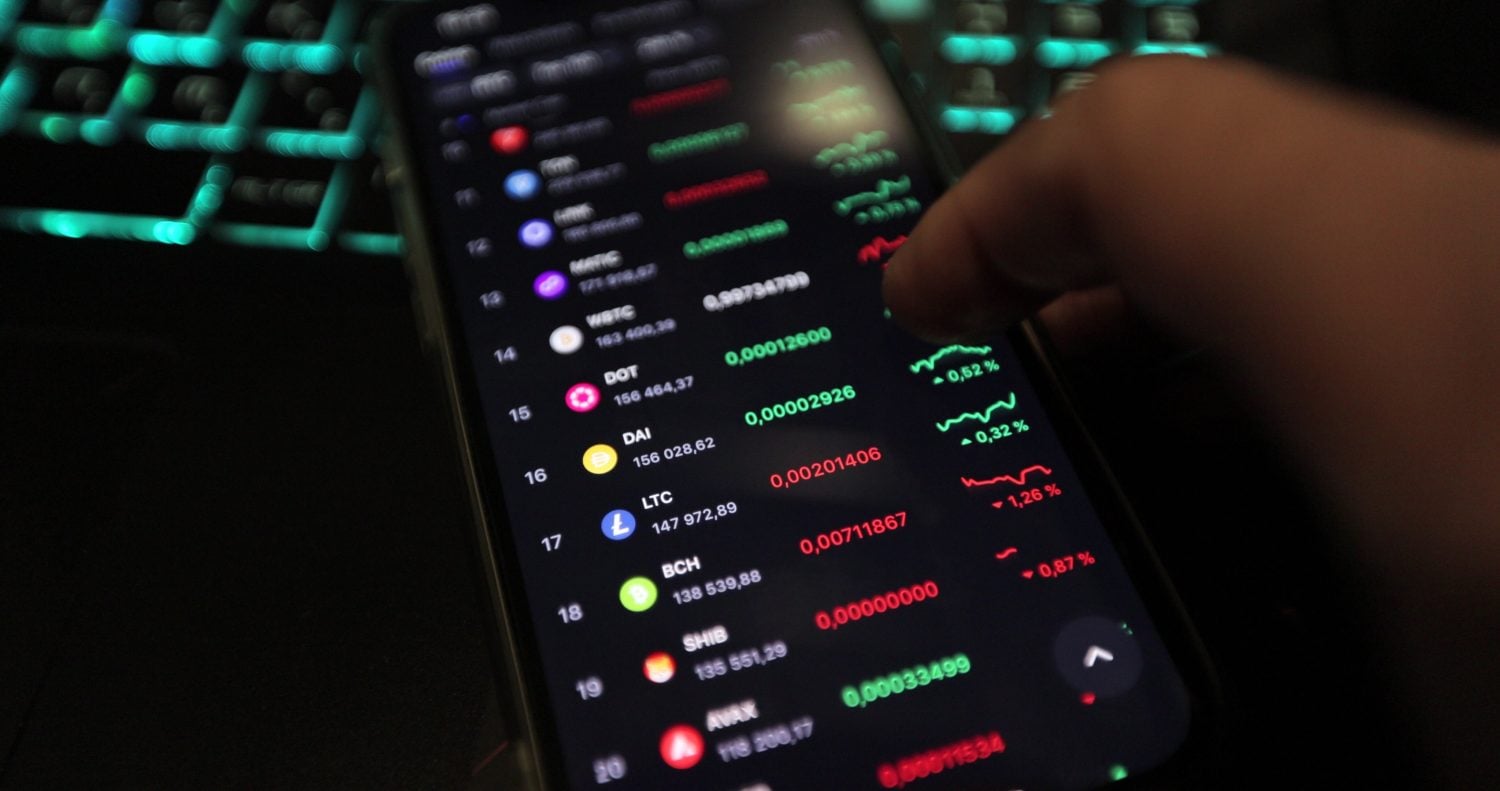
Exchanges use both hot wallets, which are connected to the internet, and cold wallets, which are offline. Hot wallets allow for instant withdrawals, but they are also easier for hackers to access. Cold wallets, by contrast, keep private keys offline, making theft much harder, though withdrawals may take longer. The amount of cryptocurrency an exchange holds in cold storage versus hot wallets determines how much an attacker can steal in a single attack.
South Korea’s Virtual Asset User Protection Act requires exchanges to keep at least 80% of user assets in cold storage. For instance, if an exchange has $1 billion in customer coins and follows this rule, it leaves up to $200 million accessible online. If the exchange maintains 98% in cold storage, only about $20 million is exposed. Therefore, a higher cold storage ratio reduces potential losses in a hack, while the exchange’s reserves affect how much users can recover after a theft.
However, a higher cold storage ratio does not guarantee quick access to your assets. For example, even though Mercado Bitcoin’s clients didn’t suffer financial loss, they couldn’t move their coins during the security pause.
Exchange, Hardware Wallet, or a Split: Each Carries Different Risks
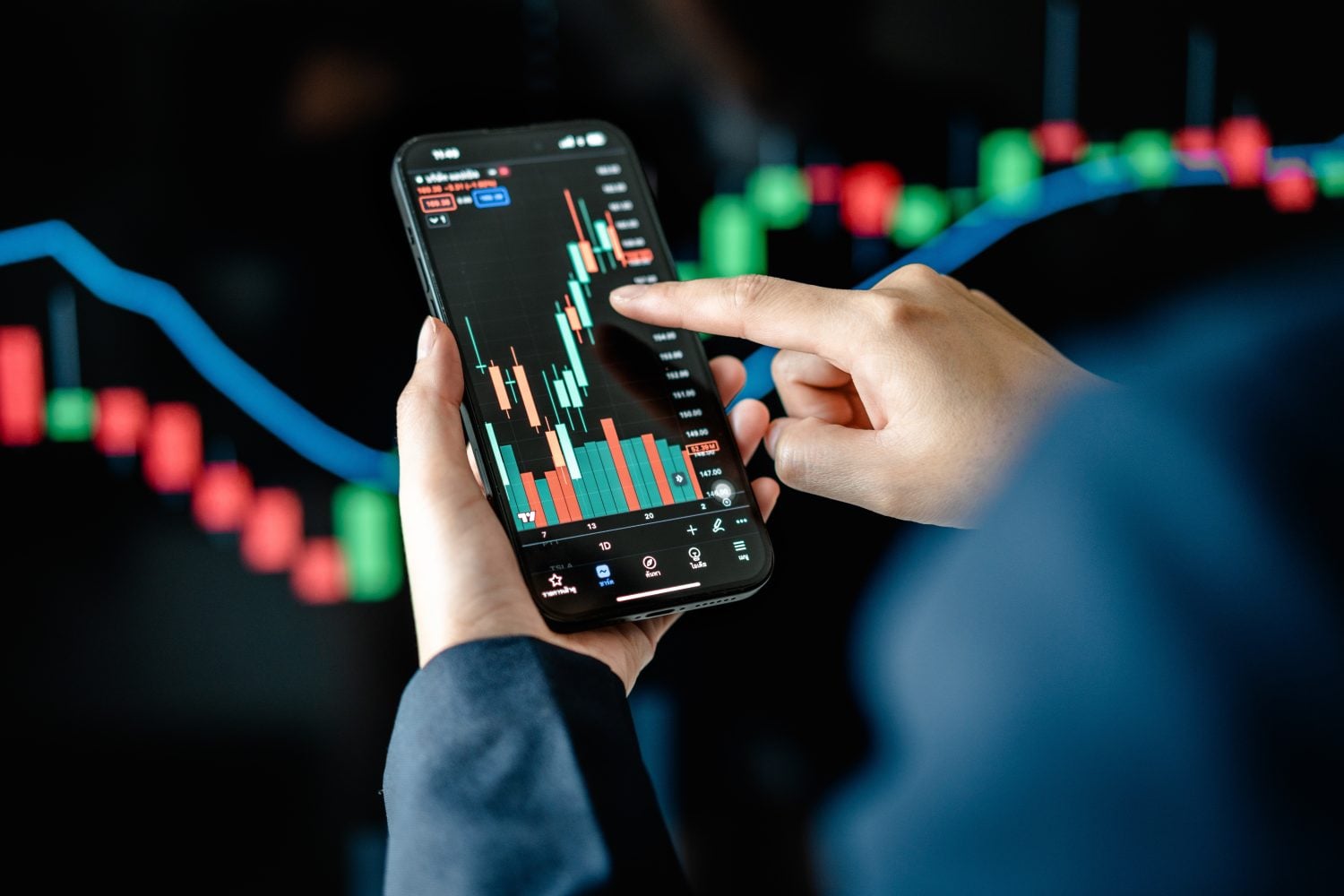
Storing everything on a major exchange can offer quick trades and password recovery, and it frees you from tracking private keys. However, this convenience comes with risks, such as potential hacks, sudden suspensions, or exchange insolvency, as an Indian exchange’s $16 million loss in October showed. This setup may be ideal for active traders or for those holding small amounts of crypto that they could manage without for a week.
On the other hand, moving your entire portfolio to a hardware wallet eliminates the exchange from the equation. This method gives you more control but also makes you responsible for your security. If you lose the recovery phrase, your coins are gone, and no one can help you recover them. It’s also crucial to have a plan for passing on your assets to heirs, since they won’t be able to access coins they don’t know about. Additionally, purchasing hardware from unofficial resellers can introduce risks, as some devices may have been tampered with.
A balanced approach often works best: keep a portion of your assets on an exchange for quick trading and move a significant chunk to cold storage for safekeeping. For instance, if you own 0.1 BTC, worth around $7,700, you might allocate a small amount for trading while storing the rest in a secure wallet. This method helps you minimize both exchange risk and the impact of personal mistakes.
Should You Move Your Crypto Into Cold Storage?
If losing your crypto would have a substantial impact and you don’t trade frequently, it’s wise to consider moving most of your assets into a wallet you control. Your decision should consider how much crypto you hold, your trading habits, and your ability to safeguard a recovery phrase long term. However, haste can lead to costly mistakes. After a hack, some users might impulsively pull their assets and buy a discounted hardware wallet from an unreliable source, exposing themselves to higher risk.
The safest path is to buy hardware wallets directly from trusted manufacturers and keep your recovery phrase securely written down, whether on paper or metal. If Korean regulators turn their request into tighter cold storage rules, other countries could follow suit. Nevertheless, even with a high percentage of assets in cold storage, hackers can still reach coins before an exchange notices. Therefore, creating a diverse strategy for storing your crypto is key.
Contact [email protected] for any questions or corrections.
Sam Daodu is a crypto analyst and the editor of 24/7 Wall St.'s Crypto Desk, where he covers Bitcoin, XRP, Ethereum, Solana and the altcoins investors search for most. His work focuses on price levels, spot ETF flows, on-chain data and the regulatory decisions that move crypto markets, written so a first-time buyer and a seasoned trader can both use it.
Sam has written about crypto professionally since 2019 and has published more than 2,000 articles. Before joining 24/7 Wall St., he wrote for crypto media outlets and Web3 companies and ghostwrote for crypto founders and token launches. His analysis is syndicated on Yahoo Finance, MSN and AOL and has been cited by other crypto news sites. He also founded MacLabs Marketing, a content and personal branding agency for crypto founders and executives.
When he isn't reading charts, Sam is usually at the gym or watching One Piece, a series he maintains has better tokenomics than most altcoins.