Ethereum’s Staking Yield Just Fell to 2.6%. Is Staking ETH Still Worth It?
Ethereum's staking yield has dropped sharply, yet record numbers of holders keep piling in, including one corporate giant that just locked up $391 million more. Before you stake, there are some uncomfortable comparisons worth making.

This post may contain links from our sponsors and affiliates, and Flywheel Publishing may receive compensation for actions taken through them.

Ethereum’s staking yield (CRYPTO:ETH) has dropped to 2.6%, according to Bitwise data. This raises a key question for anyone considering staking ETH: Is it still worth it? At this rate, staking $10,000 would earn about $260 a year in ETH before fees.
Despite the lower yield, more holders are entering staking. Bitwise reports a record 43.8 million ETH staked, which accounts for 36% of the total supply. Additionally, 1.16 million ETH is queued, waiting to enter the staking process.
Leading this queue is Bitmine (NYSE:BMNR | BMNR Price Prediction), the largest corporate holder of ETH. According to on-chain tracker Lookonchain, Bitmine recently staked an additional 159,728 ETH, valued at $391 million. This brings its total staked ETH to 5.23 million, or 87% of its holdings. So, when a company with billions at stake chooses to hand over nearly all its ETH to validators, should an average holder still consider staking at such a low yield?
Ethereum Staking Rewards Shrink to 2.6%

Many ETH holders know the routine. They park their ETH on an exchange and, with a click, put it to work. However, rewards have fallen significantly from the 4%-5% range, leaving many to wonder whether the lockup and associated fees still justify staking.
The declining yield is mainly because Ethereum’s new issuance is increasing more slowly than the total amount staked. Consequently, as more people stake, everyone’s share of the rewards gets diluted. One commenter on r/ethereum summed up the sentiment by calling staking “fine, as a yield boost” on top of whatever gains ETH’s price offers.
For an average holder with $10,000 in ETH priced at around $2,461 per token, a 2.6% yield translates to about $260 annually before fees. In contrast, 13-week Treasury bills, a government-backed alternative, averaged a 4.2% yield as of October 20, 2026. This means you must weigh the relatively small staking bonus against the risks of lockups, fees, penalties, and additional tax paperwork.
Price Volatility Can Erase Years of Staking Rewards

ETH price volatility influences this decision far more than the yield does. For instance, ETH surged about 3% in the last 24 hours, more than you’d earn in a full year of staking. However, losses can be just as dramatic. Over the past year, ETH’s price dropped about 37%, costing about $3,670 on a $10,000 investment.
In this scenario, it would take roughly 14 years of staking rewards to recover that loss. Bitmine faces the same reality on a larger scale. Its stock fell nearly 57% over the past year, even as it continued to accumulate ETH. This trend indicates that staking rewards alone cannot offset a declining asset.
Treasury bills offer higher returns without the price risk tied to ETH. A $10,000 investment in 13-week T-bills yields about $420 yearly—$160 more than staking—while the principal remains safe.
Tax implications also widen the gap. Under IRS guidelines, you pay taxes on staking rewards as ordinary income when they become available for sale, even if ETH’s value drops later. Conversely, T-bill interest is exempt from state income tax.
Every ETH Staking Method Takes a Cut Before Rewards Arrive
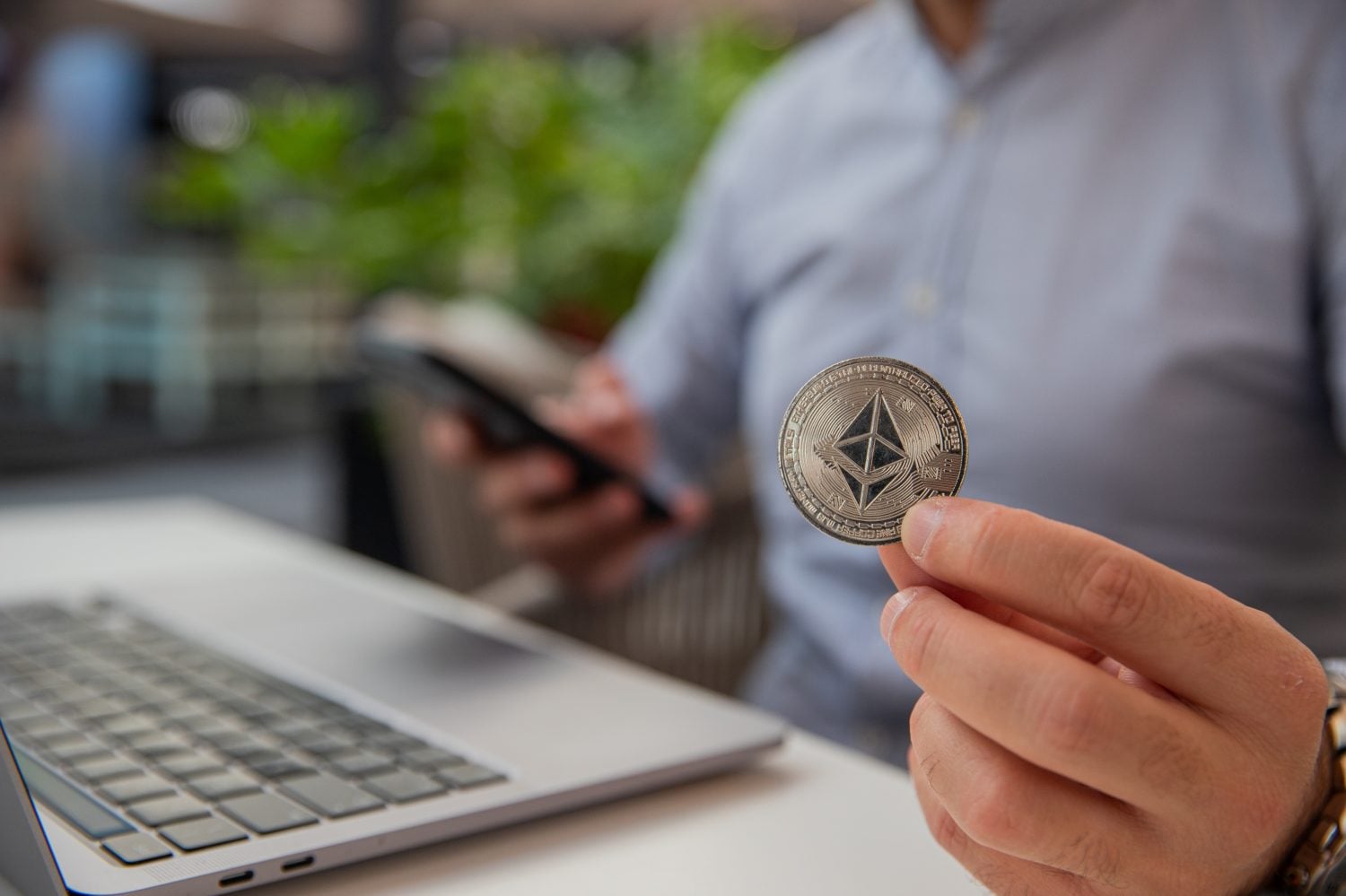
No matter the staking method, each route takes a portion of the rewards, so what the holder ultimately receives is less than the advertised yield.
Solo staking. This involves running your own validator with 32 ETH, priced around $78,764. While you retain the entire reward, you must manage uptime and face potential penalties if the validator breaks the rules.
Liquid staking. Services like Lido let you stake any amount and provide a token that reflects your staked ETH. However, Lido takes a share of the rewards, and holders take on smart-contract risks, especially if the token trades below ETH during market downturns.
Exchange staking. Platforms like Coinbase (NASDAQ:COIN) let you stake with one click. However, they charge a commission and hold your coins, so any failure on their part becomes your risk.
Staking ETFs. These funds allow you to earn rewards in a standard brokerage account with simpler tax reporting. However, the fund also deducts its fees from the rewards.
Withdrawals can also take time. Each unstake request goes through a withdrawal queue, which can get long when many people leave at once, risking price declines during the wait. New stakers also face delays, as the 1.16 million ETH in the entry queue means they start earning rewards late.
Is Staking ETH Still Worth It?
Staking ETH may still be a good option for those planning to hold the asset for years, as it provides a modest return on coins that would otherwise sit idle. For those who intend to hold ETH anyway, the approximate $260 gained from staking is profit, minus fees and taxes. However, if you are pursuing yield, the $420 in T-bill interest is a better choice, without the risk of a 37% drop.
The key cost of staking is accessibility. If you’re forced to sell during a downturn and your ETH is tied up in a withdrawal queue, you could lose more in a week than staking would earn in years. Therefore, staking funds that you may need in the short term is often a costly mistake.
If staking demand keeps rising, yields could fall further, widening the gap between staking and Treasury yields—unless short-term Treasury rates fall first.
Contact [email protected] for any questions or corrections.
Sam Daodu is a crypto analyst who's spent nearly a decade making blockchain understandable—no easy task when most whitepapers read like fever dreams. He writes for 24/7 Wall St., covering Bitcoin, altcoins, and crypto market analysis for investors. Before crypto, he was a tech writer (back when explaining "the cloud" was peak innovation). Since 2018, he's written for CoinTelegraph, Yahoo Finance, The Block, Cryptonews, Zypto, Rain, and more—basically anywhere people want crypto news without the headache. Sam runs MacLabs Marketing, a content agency for crypto brands tired of sounding like AI wrote their website. He also publishes free crypto education on his site for Web3 enthusiasts who think "gas fees" is a typo. When he's not writing or staring at charts, Sam's either: - Watching anime (currently convinced One Piece has better tokenomics than most altcoins) - At the gym sculpting himself into a Greek god - Listening to the music your mum warned you only bad boys listen to Connect: LinkedIn | Email | MacLabs Marketing