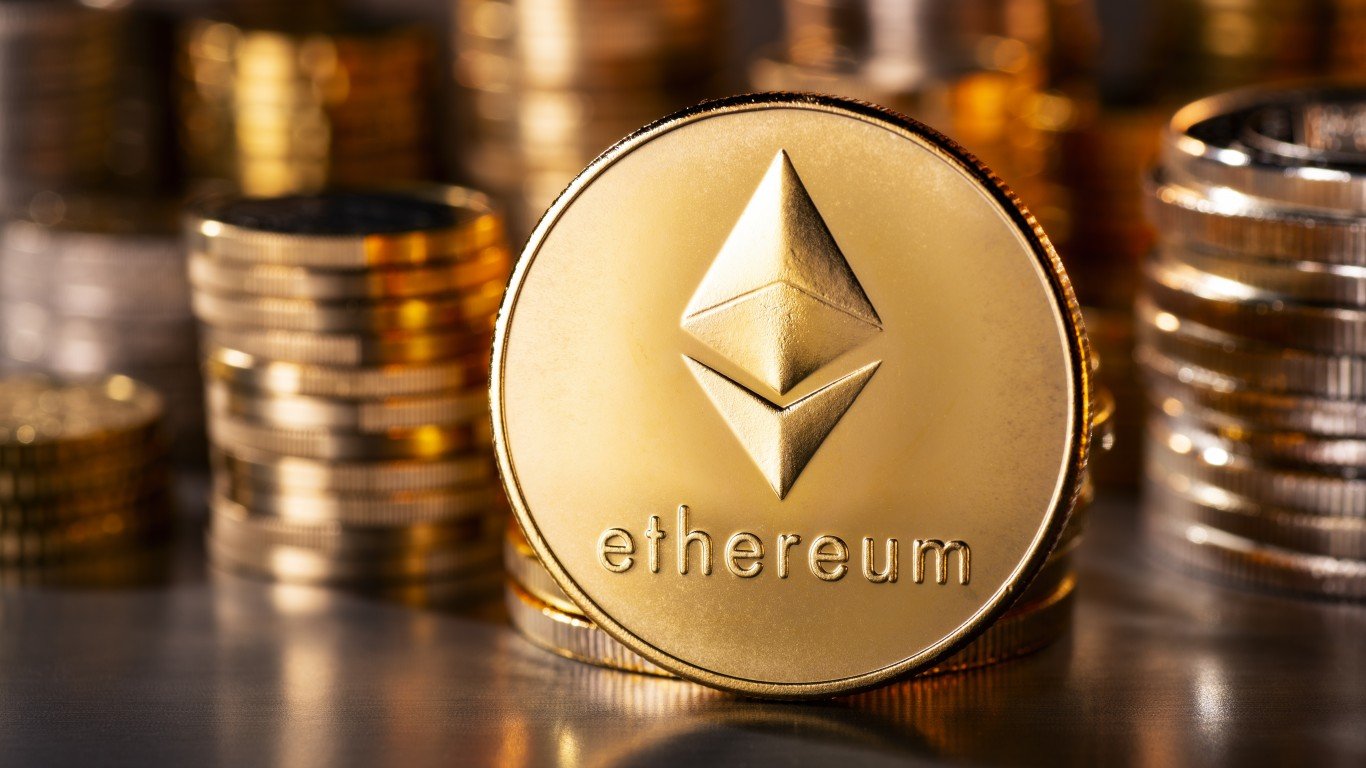
Staking Ethereum, Solana or Avalanche (AVAX): Which Pays You More in 2026?
Staking crypto looks simple until you factor in the new coins each network mints, the lock-up periods that trap your funds, and tax rules that hit you even when prices fall. The coin advertising the biggest yield may actually leave…

When you stake $10,000 worth of Ethereum (CRYPTO:ETH), you’ll earn about $260 a year at its 2.6% staking yield. In comparison, if you invest the same amount in Solana (CRYPTO:SOL) or Avalanche (CRYPTO:AVAX), you might see figures close to double that. However, each network generates new coins to fund these rewards, and all three coins have fallen in 2026.
So, which staking option ultimately yields more money after accounting for new coin generation and associated risks?
Solana and Avalanche Claim Higher Staking Yields
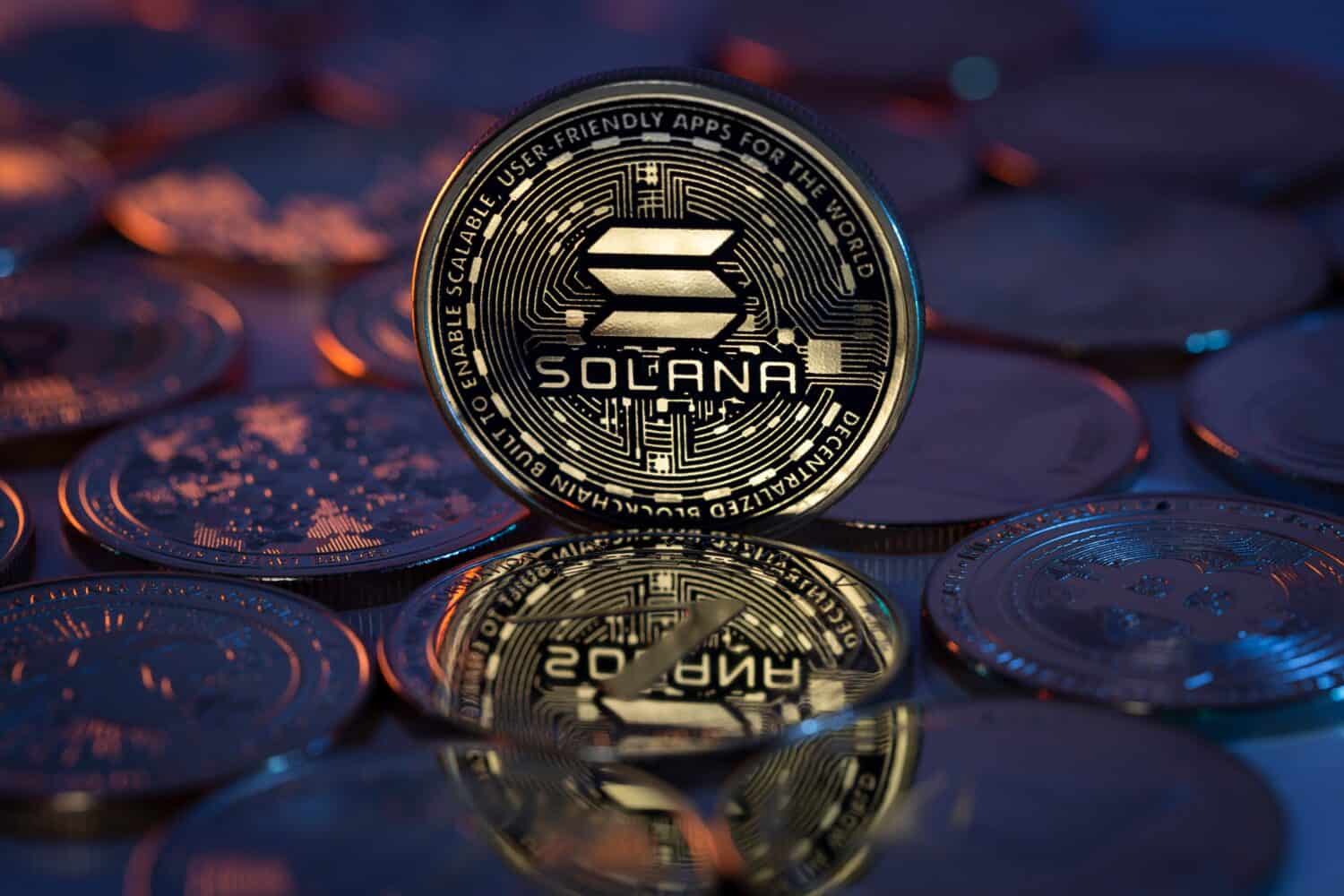
Many investors start by staking through exchanges that display an attractive percentage yield, making it easy to assume the coin with the highest number is the best pick. A member of the r/ethereum community aptly described staking as “fine, as a yield boost,” as we reported in October, and that perspective seems appropriate. Staking rewards can boost your earnings, but they won’t offset a potential drop in the coin’s value.
| Coin | Price | Staking Yield | New Coins Created Each Year |
|---|---|---|---|
| ETH | $2,333 | 2.6% | About 0.8% of supply |
| SOL | $101 | 5.7% gross | About 4.3% |
| AVAX | $8.83 | 5.5% on staked AVAX | Unconfirmed |
These yields fluctuate daily. For context, the average 12-month certificate of deposit (CD) offers 1.8%, and 10-year Treasury bonds yield 5%. Both carry far less risk than a cryptocurrency, which could lose half its value in a single year.
New Coins Shrink Each Network’s Staking Yield
The “inflation-adjusted yield” accounts for the rate at which a network creates new coins, since this fresh supply can dilute each holder’s stake. Ethereum validators earn about 2,600 new ETH each day, increasing the total supply by approximately 0.8% each year. As a result, the 2.6% staking yield drops to an effective 1.8% after accounting for this dilution.
Solana’s situation appears to be even less favorable when adjusted for inflation. Its gross yield of 5.7% is offset by an inflation rate of about 4.3%, leaving roughly 1.3% as the net yield. Solana’s initial inflation was 8% but decreases by 15% annually, eventually leveling off at a 1.5% floor. This means its staking yield could decline further.
Avalanche’s situation is harder to quantify. Approximately 249 million AVAX coins have yet to be issued, and this unissued supply contributes to staking rewards. Since we cannot confirm Avalanche’s annual issuance rate, its inflation-adjusted yield must be considered as being below 5.5%, though the exact amount remains uncertain.
However, keep in mind that market price movements generally outweigh the staking yields. For instance, AVAX fell 54% over the past year, meaning a $10,000 stake would have lost about $5,400, compared with only a $550 reward. AVAX also fell about 10% in a week and trades about 94% below its all-time high.
Direct Staking, ETFs and Brokers Carry Different Costs and Lockups

Direct Staking on the Network
To become an Ethereum validator, you need at least 32 ETH, roughly $74,700. Validators who violate the network’s rules risk “slashing,” which could result in losing part of their staked amount.
Avalanche delegators require 25 AVAX (about $220), while validators need 2,000 AVAX (about $17,700). Delegators face a lock-up period of at least two weeks, and rewards are paid only after the period ends. Instead of slashing, Avalanche reduces rewards for validators who are online less than 90% of the time.
Staking ETFs in a Brokerage Account
For those considering Solana, the Bitwise Solana Staking ETF (NYSEARCA:BSOL) offers a net staking rate of 5.3%, which translates to about $530 annually on a $10,000 investment. The VanEck Avalanche ETF (NASDAQ:VAVX) earns 4.2%, as it stakes only a portion of its AVAX.
More staking funds may emerge in the future. Under IRS guidelines, specifically IRS Rev. Proc. 2026-20, dated October 6, investment trusts like spot crypto ETFs can stake without losing their tax status. However, this safe harbor applies exclusively to the funds and does not change how individual stakers are taxed.
Broker Staking
Interactive Brokers (NASDAQ:IBKR) launched ETH staking on October 13 and retains up to 30% of the rewards as a fee. This could reduce Ethereum’s staking yield from 2.6% to around 1.8%. Additionally, staked ETH at this brokerage lacks SIPC coverage, the insurance that protects customers if the firm fails.
Regardless of your chosen method, the IRS treats staking rewards as taxable income when you receive them, even if the coin’s value declines afterward.
Which Coin’s Staking Yield Pays You More in 2026?
While Solana may offer the highest coin rewards, Ethereum offers better long-term value because its inflation-adjusted yield is about 1.8%, compared with Solana’s 1.3%. Avalanche promotes a yield near Solana’s, but its unclear issuance rate, combined with steep price drops, adds uncertainty. Ethereum suits long-term holders using brokers or ETFs. Solana may suit ETF buyers who prioritize staking income, while Avalanche may suit those who can handle a two-week lock-up.
Nonetheless, one of the biggest pitfalls is staking money you might need before the staking period ends. A 10% price drop while your coins are locked could wipe out more than a year’s worth of staking rewards. If Solana’s inflation continues to decrease at about 15% annually, its yield could converge closer to Ethereum’s, at which point fees and lock-up terms will likely influence which coin ultimately pays more.
Contact [email protected] for any questions or corrections.
Sam Daodu is a crypto analyst and the editor of 24/7 Wall St.'s Crypto Desk, where he covers Bitcoin, XRP, Ethereum, Solana and the altcoins investors search for most. His work focuses on price levels, spot ETF flows, on-chain data and the regulatory decisions that move crypto markets, written so a first-time buyer and a seasoned trader can both use it.
Sam has written about crypto professionally since 2019 and has published more than 2,000 articles. Before joining 24/7 Wall St., he wrote for crypto media outlets and Web3 companies and ghostwrote for crypto founders and token launches. His analysis is syndicated on Yahoo Finance, MSN and AOL and has been cited by other crypto news sites. He also founded MacLabs Marketing, a content and personal branding agency for crypto founders and executives.
When he isn't reading charts, Sam is usually at the gym or watching One Piece, a series he maintains has better tokenomics than most altcoins.