Tether Made $1.5 Billion in Q3 and Doubled Its Reserve Cushion to $8 Billion. How Safe Is USDT Now?
Tether just reported its most profitable year yet and nearly doubled its reserve cushion, but a frozen billion-dollar hack, a rival stablecoin with a Moody's rating, and incoming federal rules all test whether that cushion is as solid as it…

This post may contain links from our sponsors and affiliates, and Flywheel Publishing may receive compensation for actions taken through them.
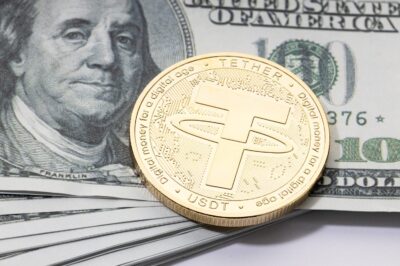
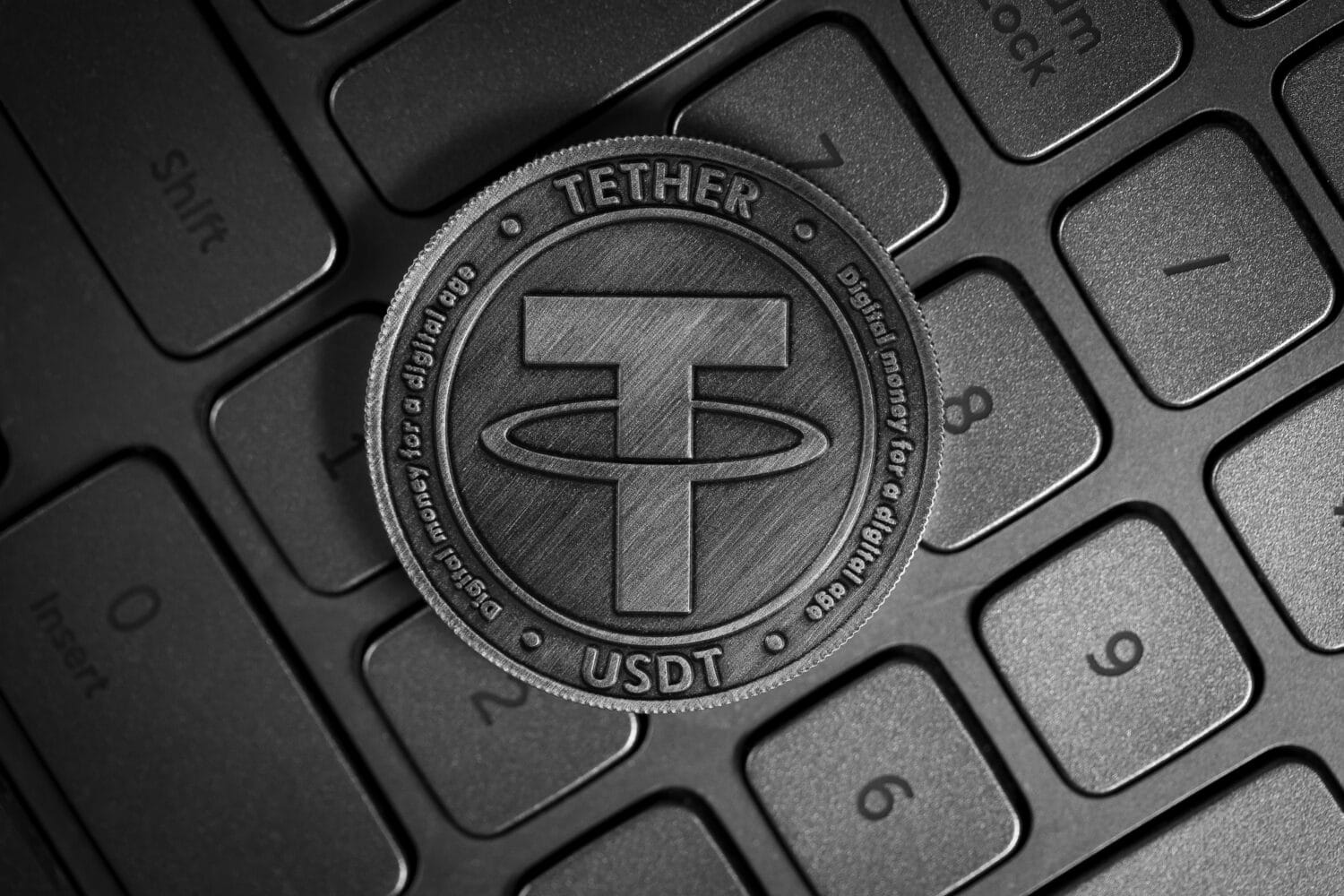
Tether earned a net profit of $1.5 billion in the third quarter of 2026, per an attestation by accounting firm BDO on October 30, 2026. That brings Tether’s nine-month profit to $4.5 billion. The company also increased its reserve buffer—the assets it holds beyond what it owes USDT holders—from $4.1 billion to $7.95 billion.
Tether’s token, USDT (CRYPTO:USDT), the largest dollar-pegged stablecoin, barely fluctuated after the announcement. USDT is trading at $0.9995, up 0.03% over 24 hours, staying close to its intended $1 value. A healthier balance sheet may strengthen that $1 peg, but it can’t push USDT above $1.
The report counts $191.45 billion of total assets, including $132.4 billion in U.S. Treasury bills. T-bills are short-term government IOUs, among the safest assets an issuer can own. The snapshot is dated September 30, 2026, a month before the Binance hack that CNBC called the largest crypto theft on record.
Breakdown of Tether’s $191.45 Billion Balance Sheet
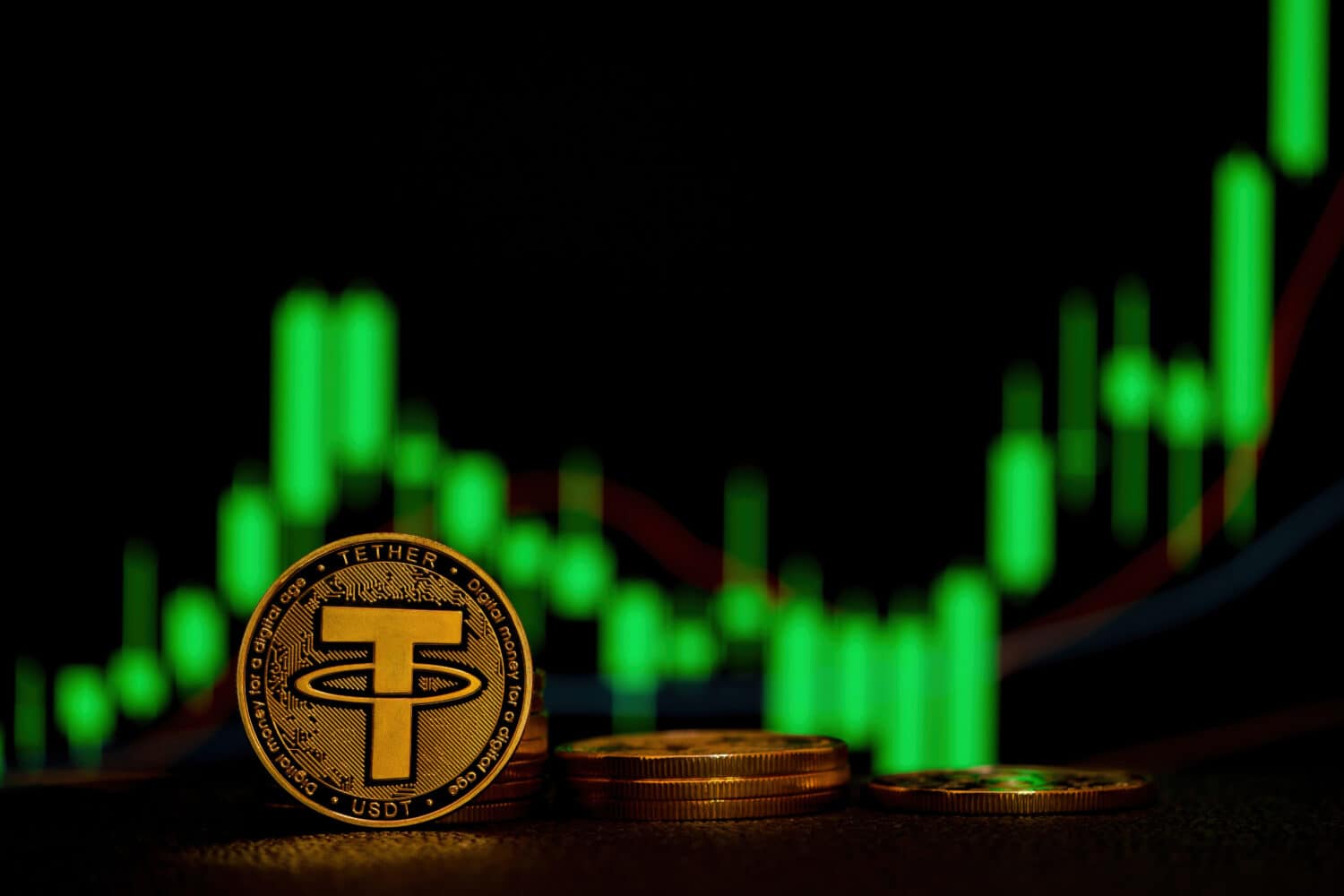
Tether’s business model is straightforward. Customers exchange dollars for USDT, and Tether invests most of those dollars in short-term government debt, keeping the interest since USDT holders earn no interest. Treasury bills and reverse repos made up the main revenue sources in Q3. A reverse repo is a very short-term loan, often overnight, where banks or dealers post Treasuries as collateral.
So Tether’s profits track interest rates. When the Federal Reserve lowers short-term rates, it slightly reduces the returns Tether earns from T-bills. The $1.5 billion Q3 profit was stable compared to the prior quarter, a steady income machine with no notable growth engine.
Some assets beyond T-bills carry more risk. Tether’s reserves also include Bitcoin (CRYPTO:BTC), gold, and secured loans backed by borrower collateral. Bitcoin and gold swing in price, and a secured loan is only as sound as the borrower and the collateral. The buffer absorbs losses on those assets.
The Impact of Liquidity and Tether’s U.S. Expansion Plans
The initial $4.1 billion reserve reflected a decline from the prior quarter. CEO Paolo Ardoino said the strategy aims to keep enough liquidity for redemption demands during market stress, though a snapshot can’t confirm that held before or after its date.
Tether’s U.S. ambitions run through a different token. USAT launched January 27, 2026 under an OCC charter via Anchorage Digital Bank, while USDT stays the offshore product.
Tether’s Freeze Powers and Risks for Holders

In late October 2026, Tether showed a power many holders overlook. On October 29, Ardoino said Tether froze over 1.567 billion USDT tied to the Binance hack, a figure from Tether’s own executives, not independently verified. Blockchain analytics firm Elliptic reported that Tether froze the attacker’s main wallet just 37 minutes after the USDT arrived, and is blacklisting addresses that receive funds from the attacker.
But the same freeze power is a holder risk. Tether can blacklist any address it links to bad funds, so a wallet that received money from a flagged sender could end up frozen too. Holders get a token that’s harder to steal and easier to lock, both from the same central control.
Market Movements and Competitive Landscape
Money also moved. Whale Alert tracked 255 million and 108.2 million USDT sent from Bitfinex, Tether’s sister exchange, to the Tether Treasury on October 30, likely redemptions. USDC (CRYPTO:USDC), Circle Internet Group’s (NYSE:CRCL | CRCL Price Prediction) stablecoin, saw 250 million minted the same day. USDT’s peg also wobbled more that day, with its weakest close in a year coming October 29, 2026, below $0.999, while USDC’s weakest 30-day close held above that threshold.
USDT still leads, ranking third among all cryptocurrencies by market value against USDC’s sixth, in a market DefiLlama put at $296.6 billion of stablecoin supply. But rivals are chasing U.S. credentials. Ripple’s Ripple USD (CRYPTO:RLUSD) carries a Moody’s A2 rating, investment-grade status that lets banks and pension funds bound against unrated assets hold it, while Tether’s Q3 attestation carries no rating at all.
How Safe Is USDT Now, and What Do Holders Gain from Tether’s Profits?
USDT appears safer at the end of September than at the end of June, since the larger reserve gives Tether more room to absorb a loss. Tether benefits the most, keeping its $1.5 billion profit and a stronger balance sheet to pitch exchanges and partners. Holders see fewer direct benefits. Their USDT stays pegged at $1, and they receive no interest. Their main gain is a bigger cushion between Tether’s riskier assets and their dollars.
Asset quality beyond T-bills poses a risk. Bitcoin, gold, and secured loans can lose value faster than Tether rebuilds its buffer. Bitcoin has already fallen 8.52% over the past 30 days, to $77,614, so the Bitcoin portion of the reserves has likely lost value since the snapshot, and the next attestation could show how much of the $7.95 billion survived.
Another risk involves U.S. regulatory oversight. The OCC, the federal regulator that charters national banks, finalized its GENIUS Act rules on October 21, 2026, setting new requirements for issuers, including foreign stablecoin issuers, effective January 18, 2027. The OCC said it will announce when it accepts applications and waivers, leaving USDT’s offshore status in question.
USDT appears to be in a safer position, but the upcoming Q4 2026 attestation will be crucial. If reserves remain above $7.95 billion despite Bitcoin’s October decline, the recovery from Q3 seems likely to hold. However, if reserves shrink back toward $4.1 billion, or if USDT falls below $0.999 again—without any indication of a hack—the safety cushion could be smaller than it seems.
Contact [email protected] for any questions or corrections.
Sam Daodu is a crypto analyst and the editor of 24/7 Wall St.'s Crypto Desk, where he covers Bitcoin, XRP, Ethereum, Solana and the altcoins investors search for most. His work focuses on price levels, spot ETF flows, on-chain data and the regulatory decisions that move crypto markets, written so a first-time buyer and a seasoned trader can both use it.
Sam has written about crypto professionally since 2019 and has published more than 2,000 articles. Before joining 24/7 Wall St., he wrote for crypto media outlets and Web3 companies and ghostwrote for crypto founders and token launches. His analysis is syndicated on Yahoo Finance, MSN and AOL and has been cited by other crypto news sites. He also founded MacLabs Marketing, a content and personal branding agency for crypto founders and executives.
When he isn't reading charts, Sam is usually at the gym or watching One Piece, a series he maintains has better tokenomics than most altcoins.