An Indian Exchange Lost $16 Million From Wallets It Said It Had Retired. Is It Safe to Leave Crypto on an Exchange?
India's biggest crypto exchange just lost millions from wallets it claimed were retired, and the CEO had called earlier breach reports a false alarm. What really happens to your funds when an exchange's systems quietly fail behind the scenes?

This post may contain links from our sponsors and affiliates, and Flywheel Publishing may receive compensation for actions taken through them.

CoinDCX, India’s largest cryptocurrency exchange, said it lost about 15.99 million Tether (CRYPTO: USDT), worth around $16 million, from old wallets that it said were no longer in use after a July 2025 hack. This revelation came just days after CEO Sumit Gupta dismissed earlier breach reports as “a false alarm.” It raises an important question for anyone who wants to keep crypto on an exchange.
According to CoinDCX, customer funds were not affected, and the company has promised to cover the loss. However, this incident reminds us that while your balance may look secure in an app, the systems behind it can fail unexpectedly. So, how vulnerable are those who keep Bitcoin (CRYPTO: BTC) or other cryptocurrencies on an exchange?
What Led to CoinDCX Losing $16 Million From Retired Wallets?
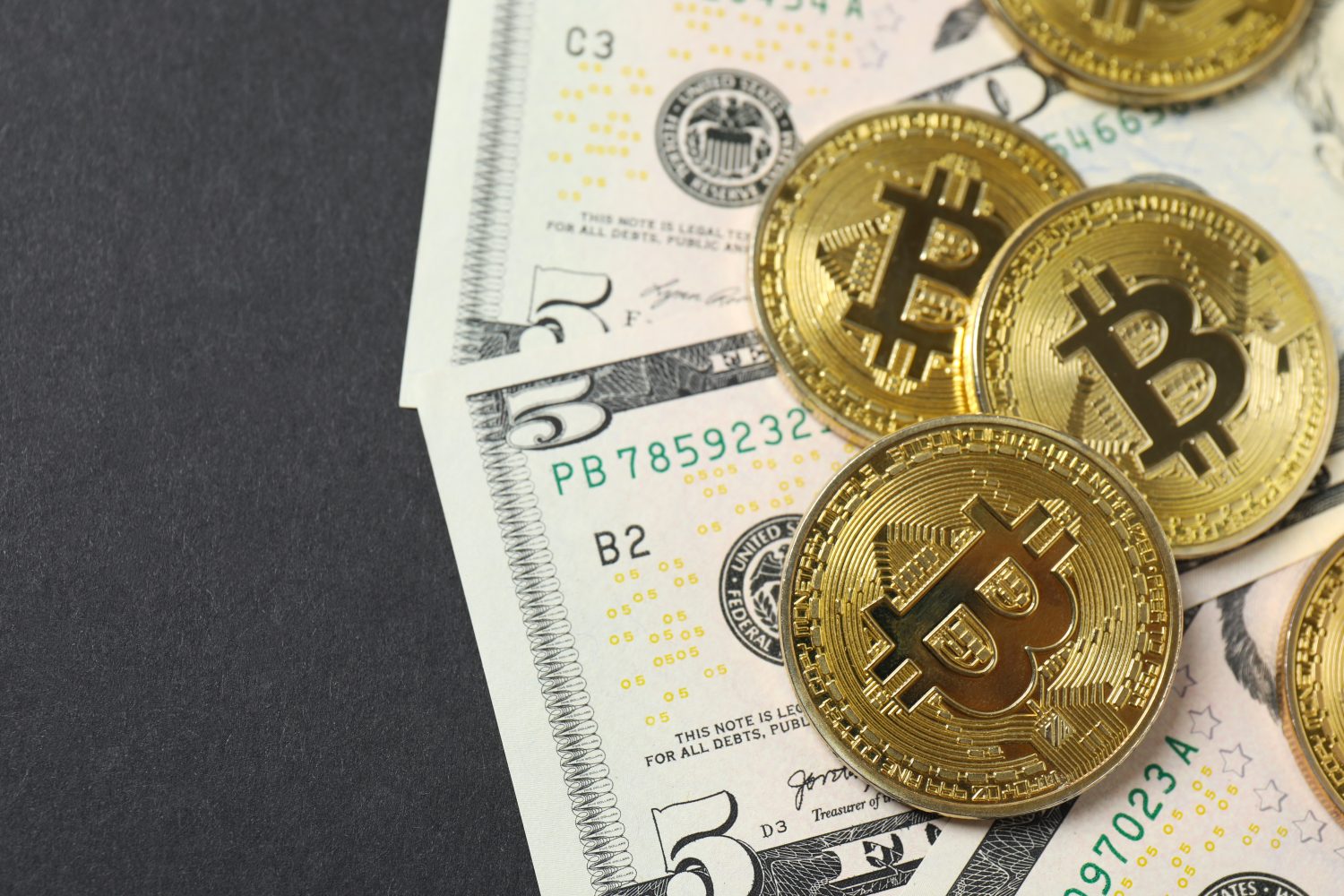
Exchanges manage customer funds using two types of wallets. Hot wallets connect to the internet to enable quick transactions, while cold wallets are offline, making them more secure against theft. CoinDCX’s troubles began with deposit addresses it set up in January 2025, which were compromised in a July 2025 hack.
Although CoinDCX said it had stopped using those old addresses, customers kept sending funds to them. Unfortunately, the internal service responsible for transferring those deposits into safer wallets failed. On-chain investigator ZachXBT noted that one of the compromised addresses still directed deposits to CoinDCX’s current hot wallet as recently as April and May.
| Item | Detail |
|---|---|
| Exchange | CoinDCX, the largest in India by trading volume |
| Loss | About $16 million in USDT |
| Cause | Failed sweep of deposits sent to retired wallets |
| Who paid | CoinDCX, which agreed to cover the losses |
CoinDCX’s customers are covered only because the exchange chose to absorb the loss and had the funds to do so. The company acknowledged it could have communicated the incident sooner.
An Exchange Balance Is an IOU Without Federal Insurance

When you keep your cryptocurrencies on an exchange, you don’t truly “own” those coins; the exchange does. Instead, you hold a claim to them. In the U.S., crypto on exchanges lacks FDIC insurance, and the Securities Investor Protection Corporation (SIPC) does not extend protections to cryptocurrencies not classified as securities.
In contrast, traditional bank customers enjoy strengthened protections. FDIC insurance covers up to $250,000 per depositor, and when a bank fails, another institution often assumes its accounts. For instance, when regulators shut down Nano Banc in Irvine, California, on September 25, Sunwest Bank took over its account holders’ deposits.
Conversely, crypto customers may face a lengthy court process. After the Mt. Gox exchange collapsed in 2014, its trustee pushed the creditor repayment deadline to October 31, 2027, stretching the wait to about 13 years. FTX customers received compensation based on their account values as of November 2022 but missed out on Bitcoin’s subsequent price rise.
While market fluctuations may seem daunting, the bigger risk lies in how you manage custody. For example, Ethereum (CRYPTO: ETH) has plunged around 44% over the past year, but holders still possess their coins.
If an exchange holding a customer’s entire $20,000 balance fails, that amount becomes part of a bankruptcy claim. In contrast, a holder who keeps $2,000 on the exchange and stores $18,000 in a personal wallet risks only $2,000.
Different Ways to Hold Crypto Carry Their Own Risks
Keeping all your crypto on an exchange is the easiest option, with quick trades and easy password resets, but it’s not ideal for long-term investors. Regular proof-of-reserves reports—showing that an exchange holds enough coins to cover customer balances—can help, but they reflect only one moment in time and may not account for the exchange’s other liabilities. Additionally, insurance may cover only specific types of hacks, not a complete failure.
A more balanced approach is to split holdings. This means keeping a small trading balance on the exchange while storing most of your coins in a wallet where you control the private keys—the secret codes that secure your assets. This way, an exchange only retains what you might need for a short-term trade.
Full self-custody removes exchange-related risks but introduces others. If you lose your recovery phrase—the backup words used to restore access to your wallet—you could permanently lose your coins. This method suits experienced users who rarely sell and manage their backups carefully. Meanwhile, spot Bitcoin ETFs secure assets with a regulated custodian.
Is It Safe to Keep Crypto on an Exchange?
In short, it’s generally safe to keep cryptocurrencies on an exchange for regular trading, but long-term holdings are at risk. Consider your balance size; if losing access for years would be damaging, it’s too large to keep on an exchange. Regular proof-of-reserves reports, transparent communication, and a history of covering losses can enhance a platform’s reliability. CoinDCX’s handling of this incident highlights the importance of prompt, clear disclosure to maintain customer trust.
Consider the costs and responsibilities of moving coins off an exchange to help protect your investments.
Contact [email protected] for any questions or corrections.
Sam Daodu is a crypto analyst and the editor of 24/7 Wall St.'s Crypto Desk, where he covers Bitcoin, XRP, Ethereum, Solana and the altcoins investors search for most. His work focuses on price levels, spot ETF flows, on-chain data and the regulatory decisions that move crypto markets, written so a first-time buyer and a seasoned trader can both use it.
Sam has written about crypto professionally since 2019 and has published more than 2,000 articles. Before joining 24/7 Wall St., he wrote for crypto media outlets and Web3 companies and ghostwrote for crypto founders and token launches. His analysis is syndicated on Yahoo Finance, MSN and AOL and has been cited by other crypto news sites. He also founded MacLabs Marketing, a content and personal branding agency for crypto founders and executives.
When he isn't reading charts, Sam is usually at the gym or watching One Piece, a series he maintains has better tokenomics than most altcoins.