Charles Schwab Now Lets Clients Trade Solana, Avalanche and Chainlink. Which Coin Could Gain the Most From Wall Street Access?
Schwab just opened its 40 million brokerage accounts to three new altcoins, yet only one of them jumped on the news. The smallest coin may hold a quiet edge, and a single price signal could confirm it.

This post may contain links from our sponsors and affiliates, and Flywheel Publishing may receive compensation for actions taken through them.
Charles Schwab (NYSE:SCHW | SCHW Price Prediction) announced today that clients can now buy and sell Solana (CRYPTO:SOL), Avalanche (CRYPTO:AVAX) and Chainlink (CRYPTO:LINK) through Schwab Crypto accounts. Previously, trading was limited to Bitcoin and Ethereum. Schwab Crypto began offering early access in May, then opened to all eligible retail clients in October.
The three cryptocurrencies have reacted differently since the announcement. AVAX trades around $9, up 8.9% over the past 24 hours. In contrast, SOL trades near $88, down 2.1%, while LINK trades at about $11, up 0.3%. Avalanche also had separate news the same day, which blurs how much of its jump came from Schwab. So which coin could gain the most from Schwab crypto trading at a firm with $13.3 trillion in client assets?
Schwab’s Crypto Fees and Client Base
Schwab Crypto offers spot trading, so clients buy and hold the coins directly in their Schwab accounts without a separate wallet. Reports in August said Schwab charges 75 basis points per trade, or 0.75% of the trade, and no custody fee. However, clients in New York and Louisiana can’t use the service.
As of the end of September, Schwab had 40.3 million active brokerage accounts and 48.6 million total client accounts, with 1.2 million new brokerage accounts opened in the third quarter alone.
Crypto commissions count toward Schwab’s trading revenue, the firm’s third-largest revenue source. Of its $7.17 billion in third-quarter revenue, $3.48 billion came from net interest revenue, $1.91 billion from asset management fees and $1.16 billion from trading. Schwab does not break out crypto revenue separately.
Schwab shares trade near $93, up 1.8% on the day and down 5.9% this year. Schwab’s main gain is defensive, because clients who want crypto no longer need to move cash to an exchange.
Schwab Arrives Late, and All Three Coins Have Fallen Hard
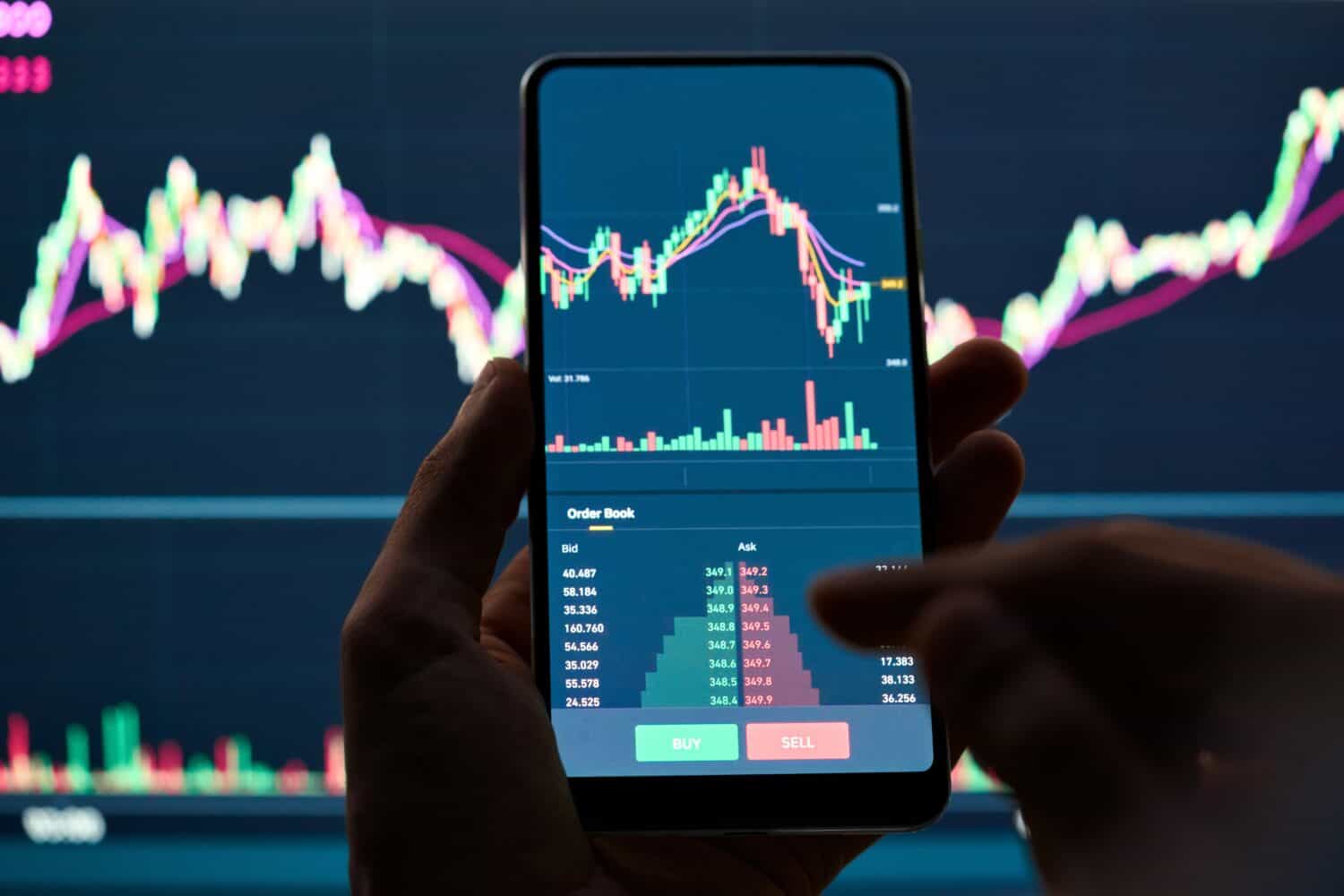
Schwab has added these coins later than its rivals. Platforms like Coinbase, Robinhood, and Kraken already offer some or all of them, and E*TRADE from Morgan Stanley launched spot Solana trading back in July at a lower fee of 50 basis points.
However, Schwab’s announcement leaves out key details that could show demand, such as the number of Schwab Crypto users, trading volumes, and a custody partner for the new coins. It also names no settlement asset, suggesting Schwab is merely selling these coins rather than using its network to move its own money.
Schwab has framed the expansion as giving clients more choices to build a digital asset allocation, but it hasn’t said how many clients asked for these three coins.
All three coins have dropped sharply heading into the launch. Over the past month, SOL is down 20.3%, AVAX is down 13.6%, and LINK is down 17.2%. SOL trades 70.1% below its all-time high, AVAX 93.8% below (as our review of AVAX after its 94% drop tracked), and LINK 79.6% below.
How Avalanche, Chainlink and Solana Rank After Schwab’s Listing
Avalanche Leads as the Smallest Coin With Fresh Wall Street News
We think Avalanche could gain the most in percentage terms. With a $4.0 billion market cap, it’s the smallest of the three, so the same dollar of buying moves its price more than it would move SOL or LINK. Ava Labs also announced the same day that Avalanche will run the core ledger for the clearing firm of an NYSE-affiliated platform for tokenized securities.
However, Avalanche faces ongoing challenges, as the network keeps issuing new tokens, which dilutes existing holders. Moreover, its ETFs have attracted far less capital than Solana’s.
Chainlink Ranks Second in Its Growing Tokenization Role
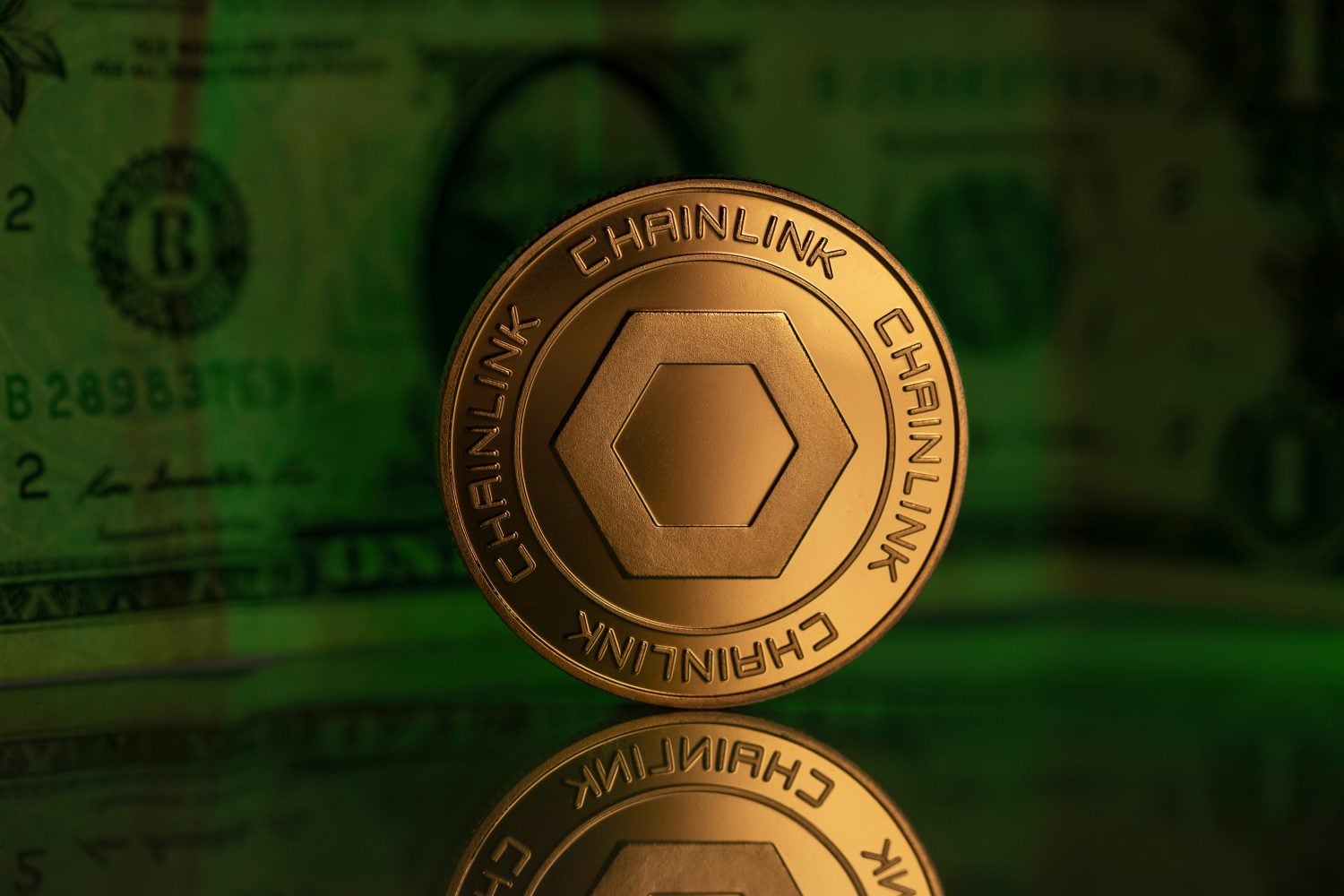
Chainlink ranks second in our assessment, with an $8.2 billion market cap, making it the 17th-largest cryptocurrency. As an oracle network, it feeds outside data such as prices onto blockchains, and its role in tokenization has grown since Archax picked Chainlink to price its tokenized Treasuries. LINK had no separate news on November 9, and our look at what $1,000 in Chainlink could be worth by 2028 runs the longer-term numbers.
Solana Ranks Third Because of Its Size
Solana ranks third for potential gains, even with significant news behind it. Its market cap stands at $51.8 billion, the seventh-largest in crypto, and E*TRADE already offers Solana trading. Formation Securities has said it intends to launch a tokenized securities exchange on Solana in early 2027, following Securitize’s move to put tokenized stocks on Solana. However, buying from Schwab clients may not move a coin of this size much.
Which Coin Stands to Benefit Most From Schwab Crypto Access?
Avalanche appears to have the most room for gains after Schwab’s launch. It’s the smallest coin in the group, and the only one with a Wall Street ledger deal announced the same day. However, Schwab earns its fee regardless of which coin performs well, so the launch doesn’t say which coin’s price could rise. Schwab’s fourth-quarter report might reveal crypto trading volumes or name a custody partner, giving the first concrete evidence of client demand.
The key price signal is the 50-day moving average, a coin’s average closing price over the past 50 days. If AVAX climbs back above its 50-day average of about $10 while SOL stays below its 50-day average of about $107 and LINK stays below its 50-day average of about $13, Schwab access and the NYSE-linked deal are probably showing up in Avalanche’s price. Until then, our ranking stays Avalanche first, Chainlink second, and Solana third.
Contact [email protected] for any questions or corrections.
Sam Daodu is a crypto analyst and the editor of 24/7 Wall St.'s Crypto Desk, where he covers Bitcoin, XRP, Ethereum, Solana and the altcoins investors search for most. His work focuses on price levels, spot ETF flows, on-chain data and the regulatory decisions that move crypto markets, written so a first-time buyer and a seasoned trader can both use it.
Sam has written about crypto professionally since 2019 and has published more than 2,000 articles. Before joining 24/7 Wall St., he wrote for crypto media outlets and Web3 companies and ghostwrote for crypto founders and token launches. His analysis is syndicated on Yahoo Finance, MSN and AOL and has been cited by other crypto news sites. He also founded MacLabs Marketing, a content and personal branding agency for crypto founders and executives.
When he isn't reading charts, Sam is usually at the gym or watching One Piece, a series he maintains has better tokenomics than most altcoins.