Why Is Avalanche (AVAX) Holding Up in This Crypto Crash?

This post may contain links from our sponsors and affiliates, and Flywheel Publishing may receive compensation for actions taken through them.
Avalanche (CRYPTO:AVAX) has lost 9.1% over the past week, significantly better than Bitcoin’s (CRYPTO:BTC) 13%, Ethereum’s (CRYPTO:ETH) 17.6%, and Solana’s (CRYPTO:SOL) 18.9% drop. The trend has continued over the last 14 days, with AVAX down only 12.3%, compared to Bitcoin’s 15.7%, Ethereum’s 19.2%, and Solana’s 23.9%.
However, AVAX has dropped 10.9% in just 24 hours, bringing its price down to around $7.49. That takes it below its lowest daily close in 30 days, about $7.93 on November 8. Overall, AVAX has declined 25.1% over the past month and remains 94.8% below its all-time high of about $145 from November 21, 2021. Despite its recent resilience, questions remain about whether this support can last.
An NYSE Deal Gave AVAX a Head Start on November 9
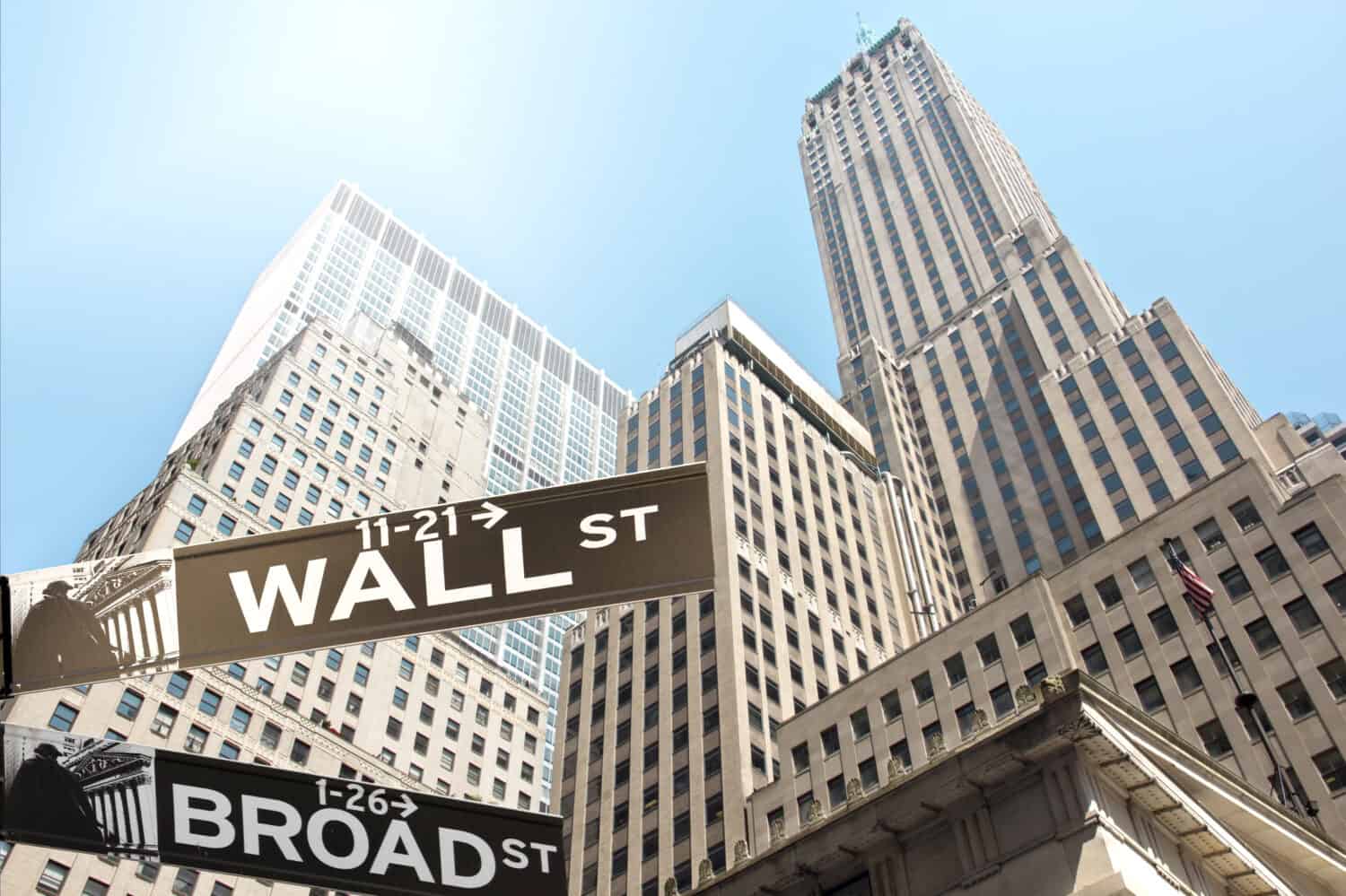
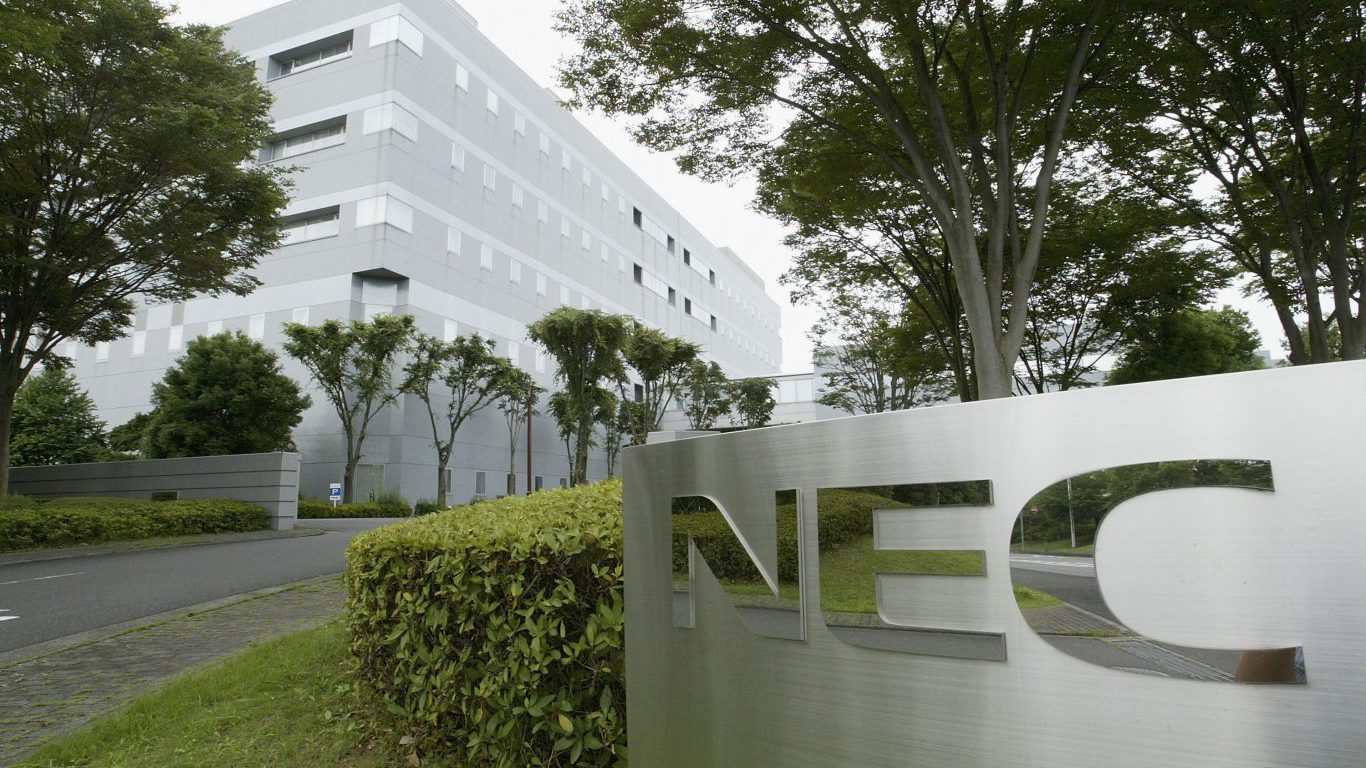
AVAX’s relative strength can be traced back to one key announcement. On November 9, Ava Labs, the main developer of Avalanche, revealed that the network would act as the ledger for the clearing firm of a new NYSE-affiliated platform focused on tokenized stocks. Tokenized stocks are shares recorded on a blockchain, allowing for round-the-clock trading and settlement. Charles Schwab (NYSE:SCHW | SCHW Price Prediction) added Avalanche and Solana to Schwab Crypto on the same day.
On that day, AVAX traded around $9, up 8.9% in 24 hours, while Ethereum fell 4.4% and Solana 2.3%. Because that jump falls inside the seven-day window, AVAX entered the selloff with a gain its peers lacked. Bitcoin, by contrast, faced selling as U.S. spot ETFs saw $1.28 billion in outflows from November 2 to November 6.
Tony Edward, host of the Thinking Crypto podcast and an AVAX holder, called the NYSE news “huge adoption for the Avalanche blockchain.” However, the deal has its limitations. The platform still requires regulatory approval, and Ava Labs has not disclosed the clearing firm or a launch date. Moreover, the announcement did not specify AVAX for settlement, fees, or staking, and trades are expected to be funded with stablecoins, tokens pegged to the U.S. dollar.
So AVAX’s recent gains rely primarily on the announcement, as verified figures on fund flows or network activity for Avalanche from November 9 to 14 aren’t available. Our look at Avalanche after the NYSE deal and our comparison of Avalanche and the XRP Ledger shed light on the broader tokenization race.
AVAX Fell Hardest Over 24 Hours and Lost Its Key Averages
Over 24 hours, AVAX’s drop of 10.9% stands out, as it is larger than Bitcoin’s 4.3% decline to about $65,900, Ethereum’s 5.1% drop to around $1,841, and Solana’s 9.1% drop to about $73. Despite having an initial advantage, AVAX is now losing its NYSE-related gains at the fastest rate. The price stayed near $8 early on November 14 but quickly fell to as low as $7.46, as hourly trading volume jumped about 4.5 times.
Moving averages, which represent the average of daily closing prices over a set period, are tools traders use to analyze trends. AVAX trades below its 20-day average of $8.51, 50-day average of $9.62, and 200-day average of $8.09. Back on November 9, it was above both the 20-day and 200-day averages, but the recent selloff has erased that progress.
Price history suggests that AVAX tends to follow the market downward. Its one-year low of $5.89 came on June 19, in the same stretch when Solana, Ethereum and Bitcoin set their one-year lows. So far this year, AVAX has dropped 39%, a worse performance than Bitcoin’s 25.4% and Ethereum’s 38.7%, though it fared slightly better than Solana, which is down 41.7%.
Previous tokenization rallies have also faded, as AVAX’s 55% rise from September 17 to September 21 on testing by the NYSE’s owner and the Helicon upgrade shows. However, it subsequently fell by 8% once Helicon went live. The recent spike after November 9 might be losing momentum in a similar fashion.
Avalanche Price FAQ
Will Avalanche Crypto Recover?
AVAX may recover if the NYSE platform gains approval and starts reporting settlement volumes. While AVAX is up 18.8% over the last 90 days, it has still lost 50.4% over the past year. Our look at whether Avalanche can reach $100 in five years gives the longer view.
Will Avalanche Crypto Go Back Up?
AVAX could climb again, especially if Bitcoin stabilizes and more Avalanche news emerges. A move back above the 20-day average of $8.51, approximately 14% higher, could signal that sellers are losing control.
Is Avalanche a Good Investment?
Whether Avalanche is a good investment depends on how much faith an investor puts in tokenization deals that don’t yet require AVAX. Our analysis of whether Avalanche is a good investment after its 94% drop assesses both the risks and catalysts.
Can AVAX Maintain Its Advantage Over Bitcoin and Solana?
AVAX is holding up better only on a weekly basis, and this advantage seems to be dwindling. The gains from the November 9 NYSE announcement have largely faded, as its recent 24-hour decline shows, and AVAX is starting to behave like a high-volatility altcoin again.
Its edge now relies on upcoming events such as regulatory approval for the NYSE platform, the announcement of a clearing firm, a confirmed launch date, and any sign the network needs AVAX for fees or staking. A daily close below $7.93 could confirm that the NYSE jump has fully reversed, while a close back above the 200-day average of $8.09, about 8% higher, could suggest buyers are backing the deal.
Contact [email protected] for any questions or corrections.
Sam Daodu is a crypto analyst and the editor of 24/7 Wall St.'s Crypto Desk, where he covers Bitcoin, XRP, Ethereum, Solana and the altcoins investors search for most. His work focuses on price levels, spot ETF flows, on-chain data and the regulatory decisions that move crypto markets, written so a first-time buyer and a seasoned trader can both use it.
Sam has written about crypto professionally since 2019 and has published more than 2,000 articles. Before joining 24/7 Wall St., he wrote for crypto media outlets and Web3 companies and ghostwrote for crypto founders and token launches. His analysis is syndicated on Yahoo Finance, MSN and AOL and has been cited by other crypto news sites. He also founded MacLabs Marketing, a content and personal branding agency for crypto founders and executives.
When he isn't reading charts, Sam is usually at the gym or watching One Piece, a series he maintains has better tokenomics than most altcoins.