Should You Buy, Sell or Hold Avalanche (AVAX) Before Year-End?

This post may contain links from our sponsors and affiliates, and Flywheel Publishing may receive compensation for actions taken through them.

Avalanche (CRYPTO:AVAX) has lost the gains it made after the New York Stock Exchange news, leaving investors pondering whether to buy, sell, or hold Avalanche before the year ends. After peaking at around $9 following the NYSE announcement on November 9, 2026, AVAX dropped back to about $7 just a week later.
So far this year, the coin has declined 42.1% and 50.8% over the past twelve months. With roughly six weeks left in 2026, should investors buy, sell, or hold Avalanche?
NYSE’s Avalanche Plan Gives Buyers a Reason to Step In
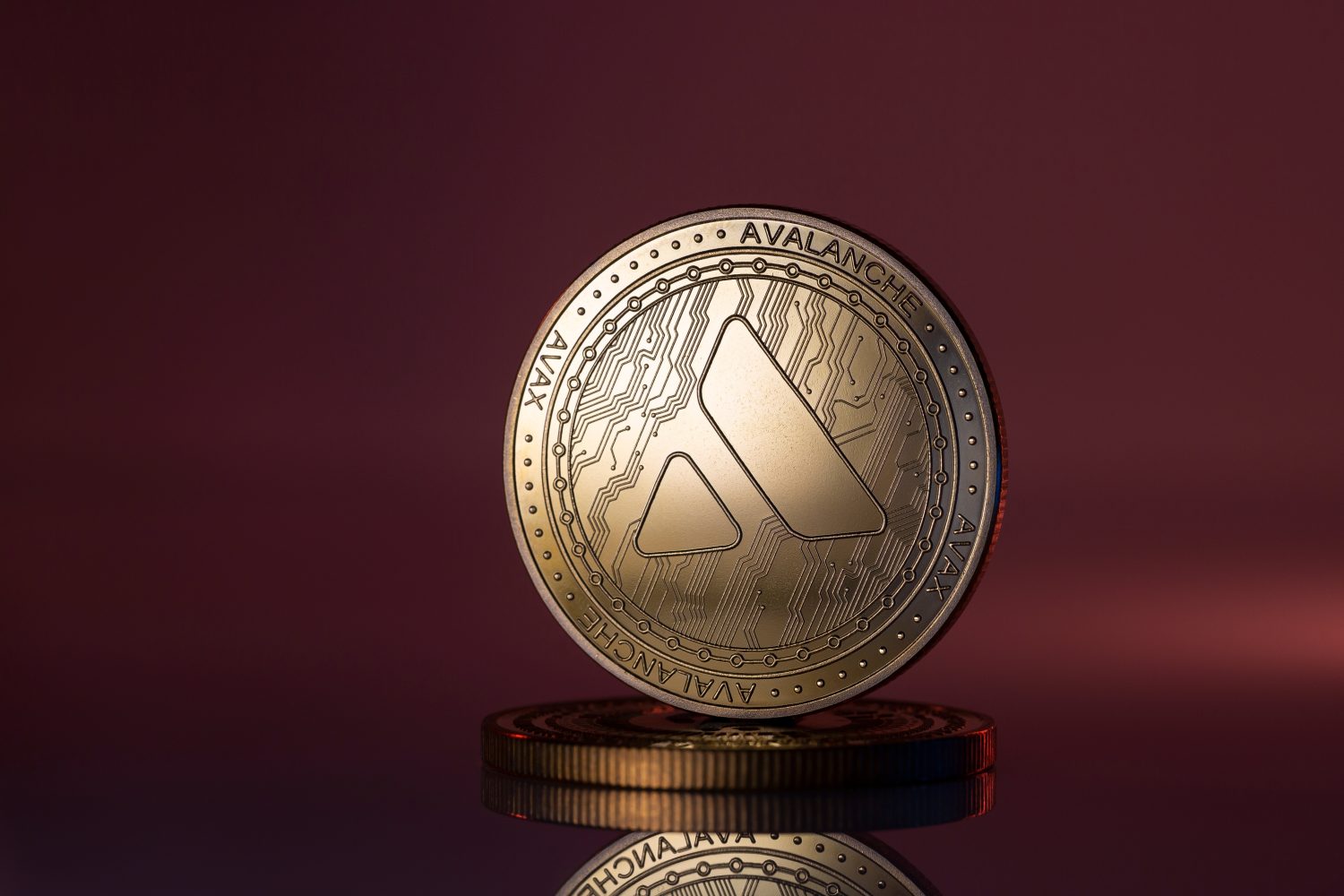
On November 9, Avalanche’s main developer, Ava Labs, revealed that NYSE plans to use Avalanche as the main ledger for trading tokenized stocks. This news initially boosted AVAX by as much as 10%, pushing it to around $9. The investment firm Charles Schwab (NYSE:SCHW) also added AVAX trading for its clients that day.
Fund buyers noticed. From November 9 to November 13, Avalanche funds were the only cryptocurrency ETFs to see a net inflow, taking in about $227,000. While this amount might seem small, it was significant in a week when other crypto ETFs faced either outflows or no activity.
That said, Ava Labs has not clarified whether AVAX would be used to pay for settlement fees on the NYSE platform, leaving the token’s immediate demand uncertain.
AVAX Has Erased Its NYSE Gain and Trades Below Key Averages
The excitement was short-lived, as sellers quickly took back the rally. By November 14, AVAX had fallen from around $8 to about $7, erasing the NYSE gain. Now, it trades below its 20-day, 50-day, and 200-day moving averages, the average closing prices over those periods, and remains 95.1% below its all-time high of $145 from November 2021.
For U.S. investors, selling at a loss could help with taxes. Capital losses can offset capital gains, and up to $3,000 of excess losses can help reduce other income each year, with any remaining losses carried forward. To apply these losses against 2026 taxes, you must sell by December 31.
Staking Rewards Pay AVAX Holders While They Wait
For those who choose to hold onto their AVAX, there are still ways to earn income. The Bitwise Avalanche ETF (NYSE:BAVA) stakes approximately 70% of its AVAX holdings to help secure the network in exchange for rewards. Individual holders can also stake their tokens.
These rewards generate new AVAX while holders await the NYSE platform’s launch, lessening the impact of any further price declines. Our comparison of staking rewards across Ethereum, Solana, and Avalanche highlights how AVAX’s offerings compare.
Should Investors Buy, Sell, or Hold Avalanche Before Year-End?
For most long-term holders, holding AVAX makes sense, as staking rewards can help offset the wait. Buying may appeal to patient investors willing to endure a 50.8% drop over the year, while selling may suit U.S. investors looking to record a tax loss before year-end.
Our analysis of Avalanche’s five-year outlook and whether AVAX could reach $100 in five years, a potential increase of around 1,320% from its current price, goes deeper. If AVAX recovers to its 200-day average near $8, approximately 13% higher, it could signal a buying opportunity. Conversely, if it drops below the one-year low near $6, about 15% lower, that may favor selling.
Contact [email protected] for any questions or corrections.
Sam Daodu is a crypto analyst and the editor of 24/7 Wall St.'s Crypto Desk, where he covers Bitcoin, XRP, Ethereum, Solana and the altcoins investors search for most. His work focuses on price levels, spot ETF flows, on-chain data and the regulatory decisions that move crypto markets, written so a first-time buyer and a seasoned trader can both use it.
Sam has written about crypto professionally since 2019 and has published more than 2,000 articles. Before joining 24/7 Wall St., he wrote for crypto media outlets and Web3 companies and ghostwrote for crypto founders and token launches. His analysis is syndicated on Yahoo Finance, MSN and AOL and has been cited by other crypto news sites. He also founded MacLabs Marketing, a content and personal branding agency for crypto founders and executives.
When he isn't reading charts, Sam is usually at the gym or watching One Piece, a series he maintains has better tokenomics than most altcoins.