What Warren Buffett Has Said About Bitcoin and Whether He Was Right

This post may contain links from our sponsors and affiliates, and Flywheel Publishing may receive compensation for actions taken through them.
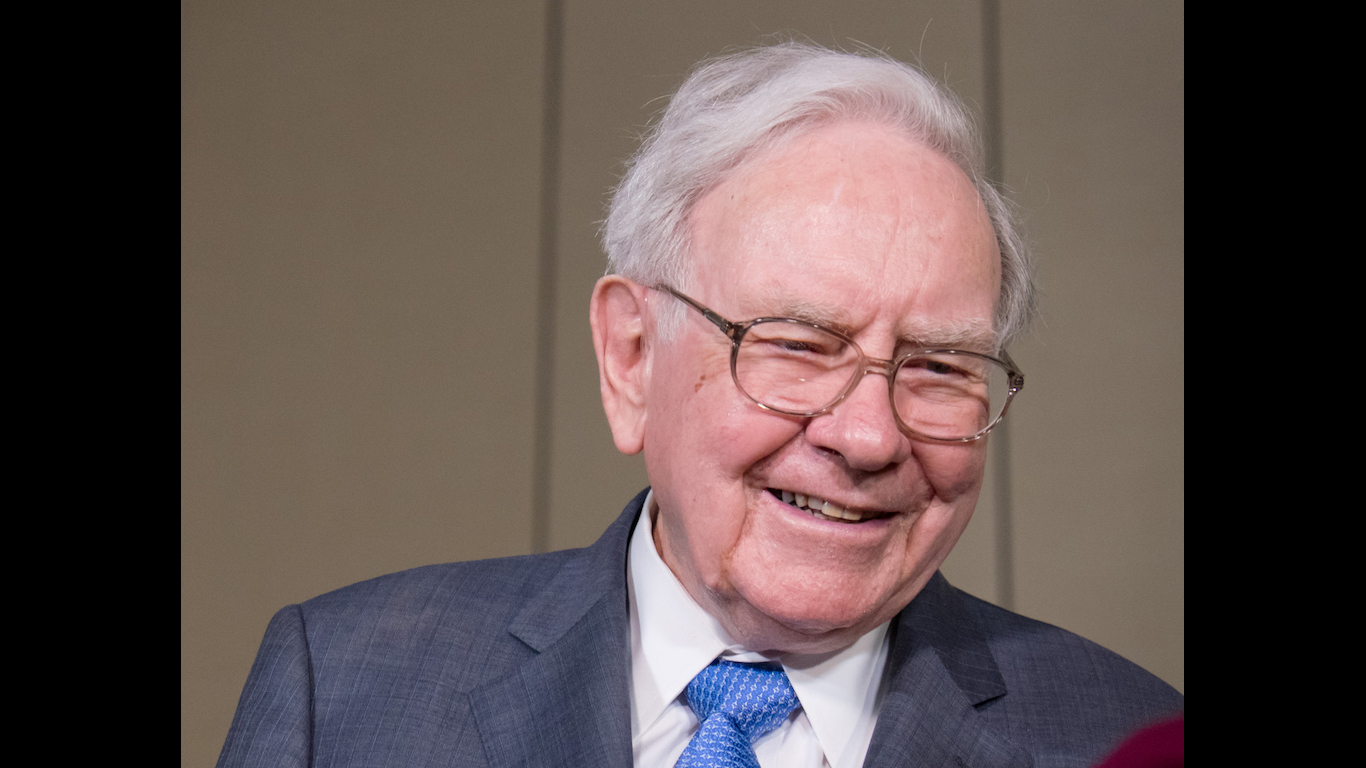
For most of the past decade, Wall Street has often treated Warren Buffett’s criticism of Bitcoin (CRYPTO: BTC) as the old guard’s final word on cryptocurrency. Whether Buffett was right about Bitcoin largely depends on when the clock starts. Bitcoin trades at about $60,801, 51.8% below its all-time high of $126,080.
Over a decade, however, Bitcoin has risen an impressive 7,997.1%, significantly outperforming Berkshire Hathaway (NYSE: BRK-B | BRK-B Price Prediction) Class B shares, which have increased by 259.3%. Despite this growth, Bitcoin’s latest decline has strengthened Buffett’s supporters. The cryptocurrency slipped below its summer low of about $57,700 during trading on November 21, reaching its lowest point in 16 months. Year to date, Bitcoin is down 31.5% and has declined 26.1% in just the past month.
So, how does Buffett’s skepticism hold up against Bitcoin’s price history since his first remarks?
Buffett Called Bitcoin “Rat Poison Squared” in 2018, Yet It Has Risen 522%
One of Buffett’s most famous statements came during Berkshire Hathaway’s annual meeting weekend on May 5, 2018, when he told an interviewer that Bitcoin is “probably rat poison squared.” On that day, Bitcoin closed at $9,769. His late partner, Charlie Munger, was even more critical at the 2021 meeting, calling cryptocurrency “disgusting and contrary to the interests of civilization.”
Buffett’s main concern centers around cash flow. Unlike a farm or a business, Bitcoin does not generate cash for its owner. Thus, he believes it lacks the productivity of traditional assets. For years, Buffett has encouraged everyday investors to consider low-cost funds that track the S&P 500 instead.
On pricing, Buffett’s 2018 remark hasn’t aged well. Since May 7, 2018, the first trading day following his comment, Berkshire’s Class B shares have gained 189.3%. That’s a solid return, but it lags far behind Bitcoin’s 522.4% increase, from $9,769 to $60,801.
Berkshire Has Outperformed Bitcoin Since Buffett’s $25 Comment in 2022
Buffett made another significant comment at Berkshire’s annual meeting on April 30, 2022. He stated that he wouldn’t pay $25 for all the Bitcoin in the world, emphasizing that it produces nothing. On that day, Bitcoin closed at $37,821.
Since then, Bitcoin has risen 60.8% from that closing price. However, Berkshire’s Class B shares have outperformed Bitcoin, gaining 79.1% since May 2, 2022. This means that an investor who shared Buffett’s view and chose Berkshire over Bitcoin has seen better returns.
Berkshire, now headed by CEO Greg Abel with Buffett as chairman, has never directly invested in Bitcoin. Its only crypto-related holding was a stake in a Brazilian fintech firm. Berkshire trades at roughly 12 times its earnings, while Bitcoin has no earnings to measure. In the second quarter of 2026, Berkshire also became a net stock buyer for the first time in over three years, investing about $23.5 billion in equities.
Bitcoin, meanwhile, has become accessible to more everyday investors since 2018. Retail investors can buy spot Bitcoin ETFs like the Grayscale Bitcoin Mini Trust (NYSEARCA: BTC), which track Bitcoin’s price, using the same apps they use to purchase Berkshire stock.
Bitcoin Fell Over 50% After Both of Buffett’s Remarks
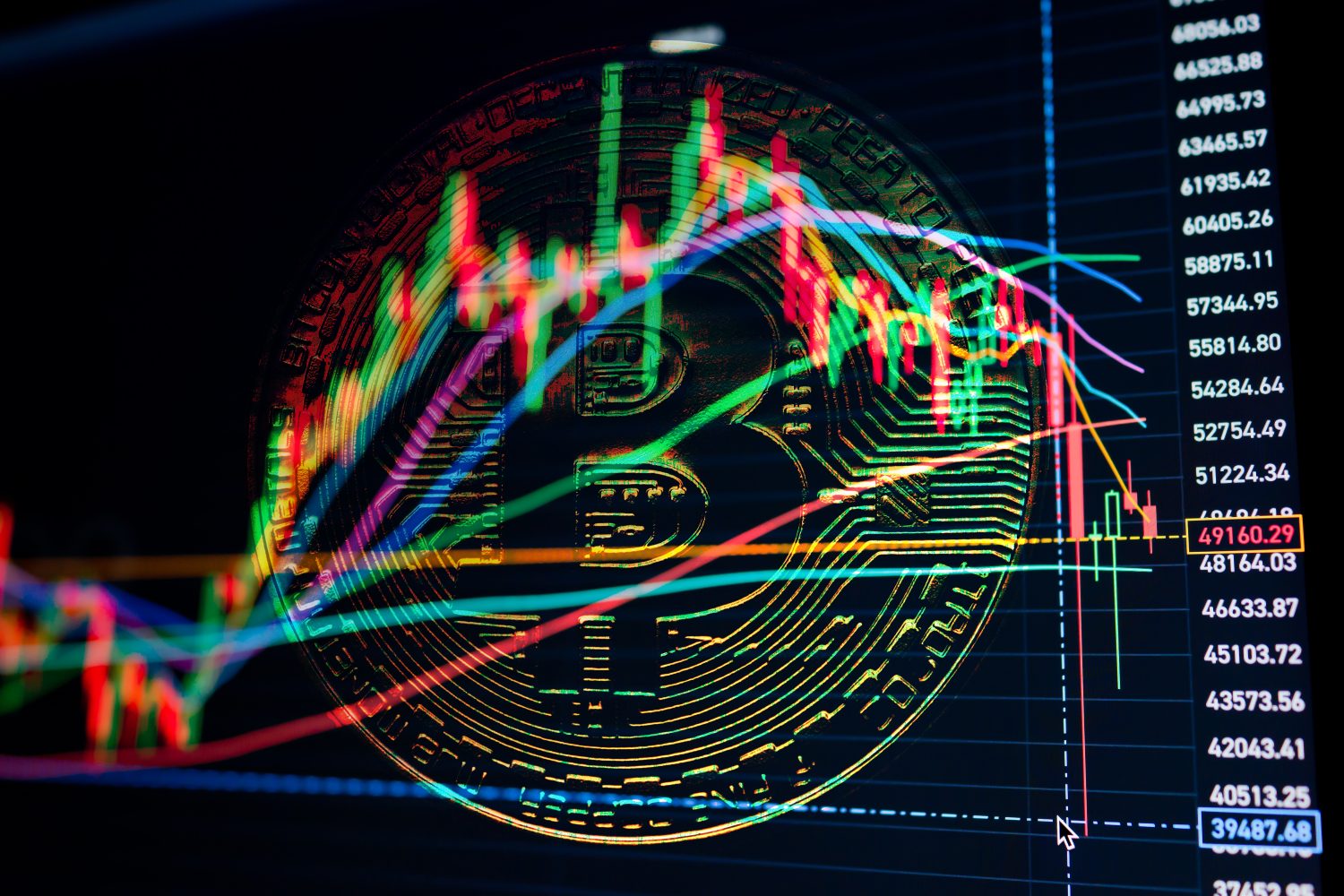
Buffett has been correct about Bitcoin’s volatility. After his 2018 comment, Bitcoin dropped a staggering 67.1%, falling from $9,769 on May 5, 2018, to $3,216 by December 15, 2018. Although it recovered to $13,034 by June 26, 2019, Bitcoin then fell 51% amid pandemic-driven market turmoil, dropping from $10,318 on February 14, 2020, to $5,054 on March 16, 2020.
Since Buffett’s 2022 comment, Bitcoin reached its all-time high of $126,080, but it trades 51.8% below that peak. The cryptocurrency has repeatedly dropped 50%, highlighting the concerns Buffett has raised. Bitcoin does not pay dividends or generate profits, so its price relies entirely on potential buyers—and those buyers often retreat quickly when panic sets in.
Some market analysts link the November selloff to the debut of a major AI listing, a connection tested in a look at whether the Anthropic IPO is why Bitcoin is crashing.
Was Buffett Right About Bitcoin?
Buffett was correct about Bitcoin’s price behavior, as shown by its repeated 50% drops, and Berkshire’s 79.1% gain since May 2022 supports his statement. However, when it comes to predicting prices, his 2018 comment—made when Bitcoin was priced at $9,769—missed the mark by a wide margin. Bitcoin’s modest five-year gain of just 4% underscores how much timing affects its returns.
For Bitcoin to catch up to Berkshire’s lead since 2022, it would need to rise to about $67,700, up 11.4% from its current price. If Bitcoin continues to decline and falls below its summer low of $57,700, Buffett’s $25 remark may appear even more accurate over time. Conversely, Standard Chartered expects a much brighter future, projecting Bitcoin could soar to $500,000 by 2030, suggesting significant room for recovery ahead.
Contact [email protected] for any questions or corrections.
Sam Daodu is a crypto analyst and the editor of 24/7 Wall St.'s Crypto Desk, where he covers Bitcoin, XRP, Ethereum, Solana and the altcoins investors search for most. His work focuses on price levels, spot ETF flows, on-chain data and the regulatory decisions that move crypto markets, written so a first-time buyer and a seasoned trader can both use it.
Sam has written about crypto professionally since 2019 and has published more than 2,000 articles. Before joining 24/7 Wall St., he wrote for crypto media outlets and Web3 companies and ghostwrote for crypto founders and token launches. His analysis is syndicated on Yahoo Finance, MSN and AOL and has been cited by other crypto news sites. He also founded MacLabs Marketing, a content and personal branding agency for crypto founders and executives.
When he isn't reading charts, Sam is usually at the gym or watching One Piece, a series he maintains has better tokenomics than most altcoins.