This ETF Copies Buffett’s Portfolio and Pays You Monthly. Why Buffett Would Never.
A new ETF mirrors Warren Buffett's stock picks and mails you a check every month, doing everything Buffett has famously refused to do for seven decades. The gap between admiring his portfolio and investing the way he actually invests turns…

The pitch behind the VistaShares Target 15 Berkshire Select Income ETF (NYSEARCA:OMAH) targets one kind of investor: someone who admires Warren Buffett, wants a slice of his equity book, and would like a check in the mail every month. OMAH holds a concentrated version of Berkshire Hathaway (NYSE:BRK-A | BRK-A Price Prediction, NYSE:BRK-B) disclosed positions alongside Berkshire itself, then sells options against that stack to fund a roughly 15% annual distribution paid monthly.
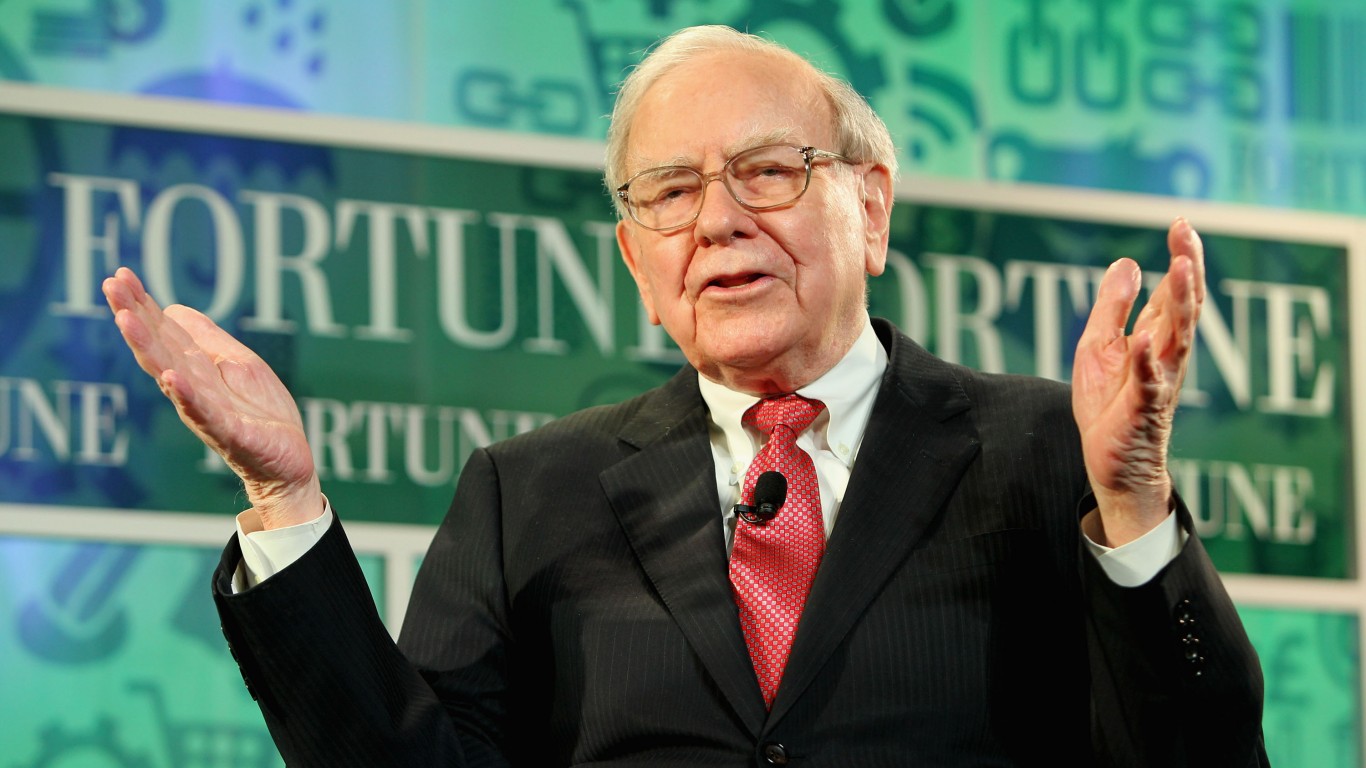
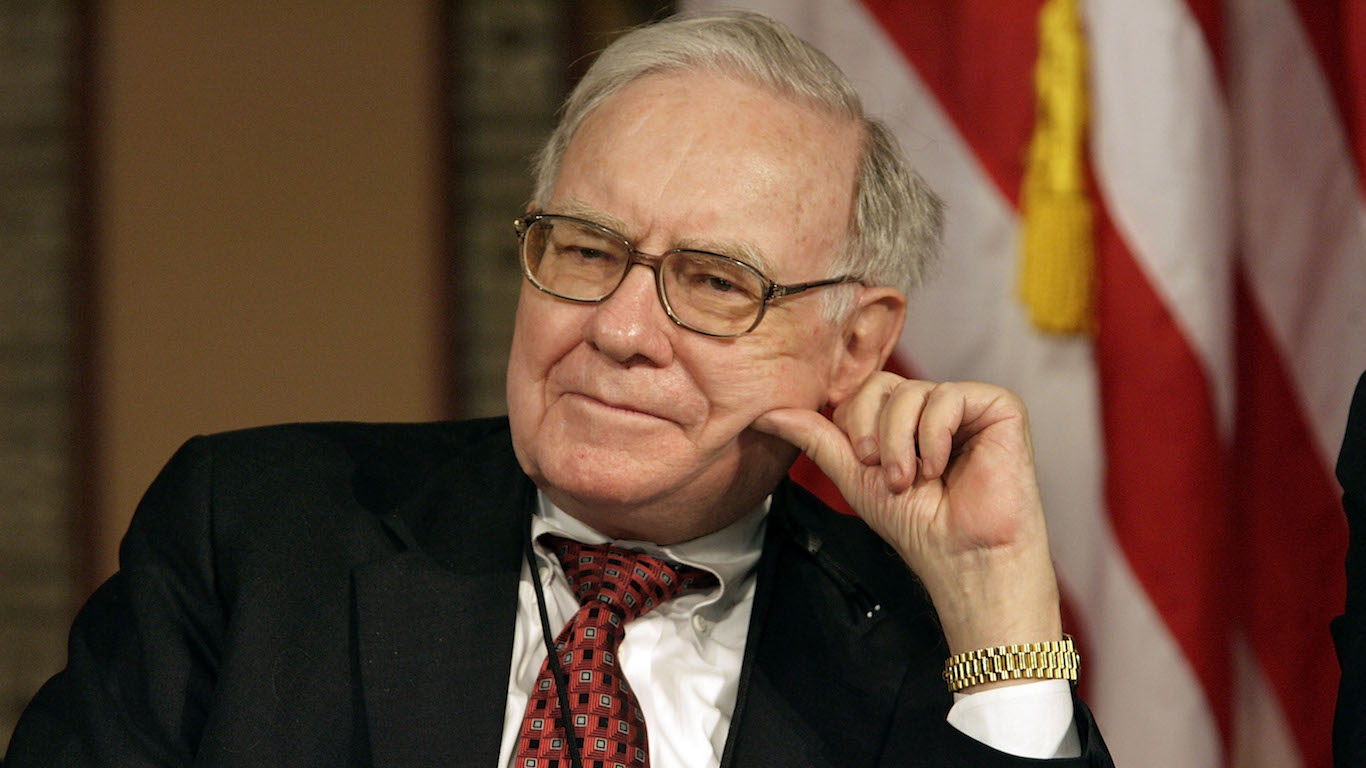
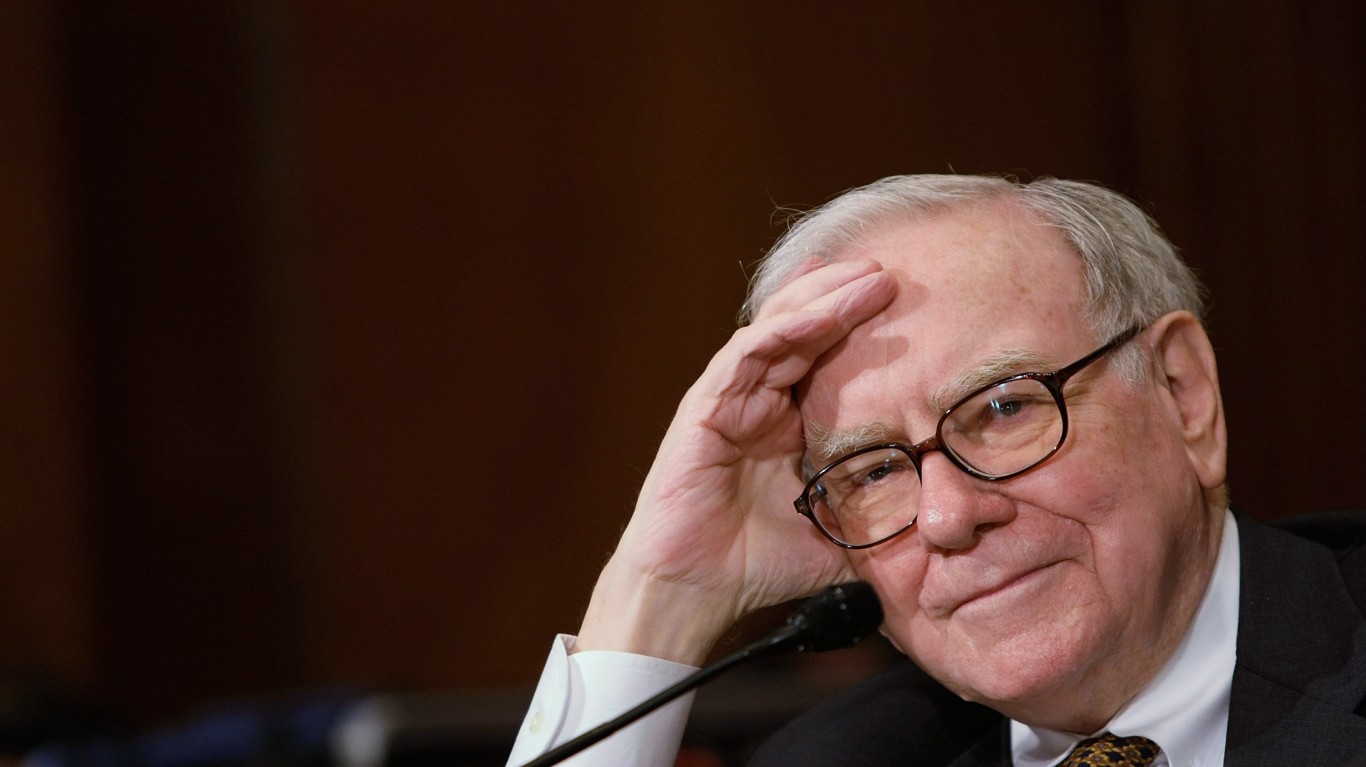
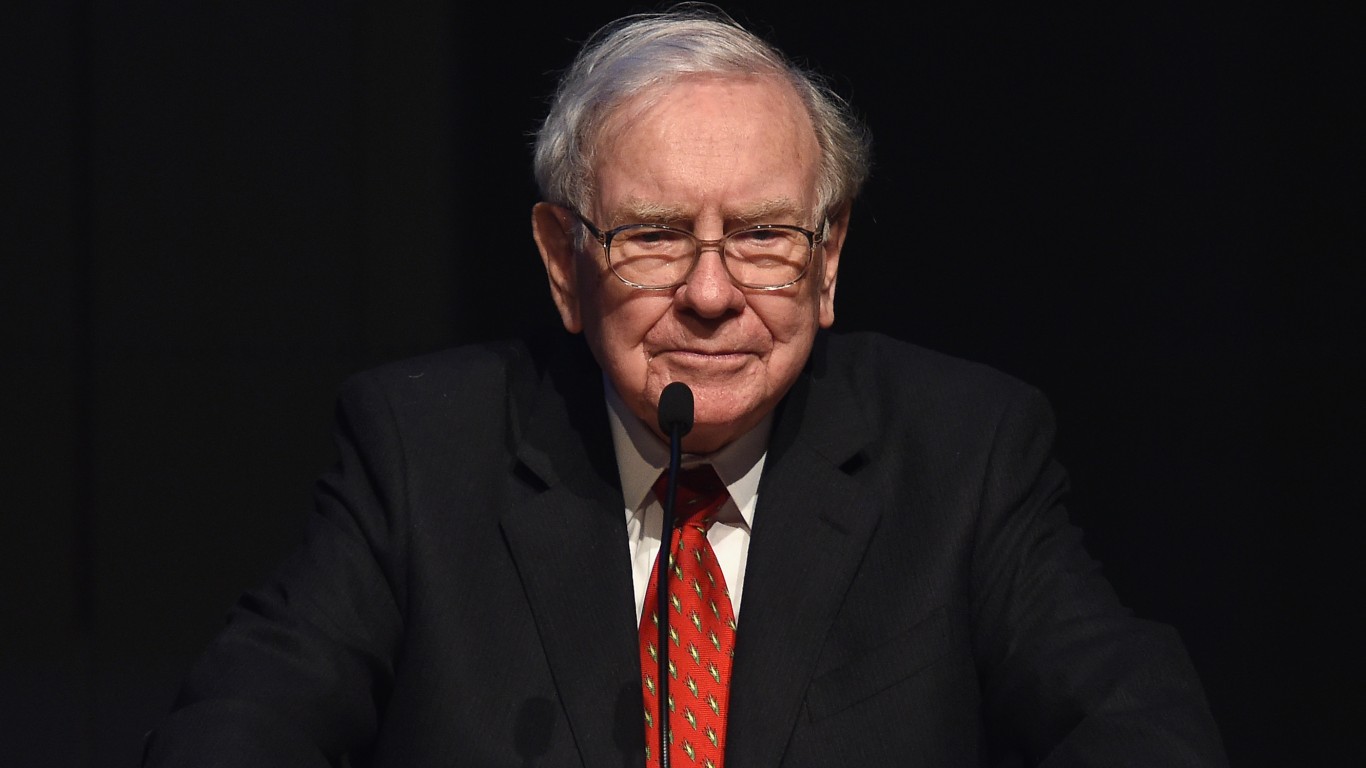
Buffett has no involvement with OMAH, has never endorsed it, and has refused to pay a dividend at Berkshire for his entire tenure.
What OMAH Owns and Why It Pays
The fund shadows Berkshire’s regulatory filings, copying positions disclosed with a lag rather than tracking anything in real time. VistaShares runs an options income overlay, primarily call writing, to generate the cash that funds the payout. That is where the “Target 15” comes from.
The mechanics matter because a 15% distribution must be sourced from somewhere. In a call-writing fund, cash comes from option premiums collected in exchange for capping the upside of part of the portfolio. If Berkshire and its holdings rally, the fund gives back some appreciation. If they stall, the premium is genuine income. Buffett has publicly called derivatives financial weapons of mass destruction, worth remembering when you buy a product built on selling them against his book.
Does the Payout Justify the Method
Since OMAH launched on March 5, 2025, the fund has returned 15% on a total return basis.
Over the trailing year, OMAH is up 11%, outpacing Berkshire’s Class B shares by 6%. Year to date, the gap widens, with OMAH at 8% and BRK.B at 1%.
That is a genuinely favorable stretch for the strategy. In a sideways market, a call overlay on Berkshire’s holdings harvests premium while the underlying goes quiet. OMAH shareholders collected roughly $2.82 per share in distributions over the trailing twelve months, with the stock trading near $19.
The comparison shifts in a strong up cycle. Berkshire’s Class B shares returned 76% over the past five years and 243% over the past ten years, with no dividend at all because Buffett reinvests every dollar of retained earnings. An options overlay would have capped a meaningful portion of that. The Buffett method paid nothing and compounded quietly. OMAH pays every month and surrenders the tail.
The Real Tradeoffs
- Capped upside in strong markets. When Berkshire and its top holdings rally hard, call writing surrenders part of that move. Over a full cycle, that shortfall is the true cost of the monthly check.
- Distribution character and taxes. Portions of the payout can be classified as return of capital rather than income, complicating tax planning and quietly eroding NAV if markets do not cooperate.
- Fee stack. OMAH charges a 0.98% expense ratio to replicate a portfolio you can approximate by owning a single BRK.B share for no fund fee. That gap compounds.
Fund assets sit near $1 billion, so liquidity is adequate, but the strategy remains young and untested through a serious drawdown.
Who OMAH Fits and Who Should Pass
OMAH makes sense as a small income sleeve, perhaps 5% to 10% of a portfolio, for a retiree who values a predictable monthly deposit tied to a Buffett-flavored basket and has accepted that the payout is funded by surrendered upside.
For anyone whose goal is to compound the way Buffett actually compounds, holding Berkshire directly remains the cleaner expression. Buffett has never paid his shareholders a dividend because he believes he can deploy capital better than they can. OMAH is the opposite bet: that you would rather have the cash in hand than let Abel and Buffett keep working on it.
Contact [email protected] for any questions or corrections.
Omor Ibne Ehsan is a writer at 24/7 Wall St. He is a self-taught investor with a focus on growth, cyclical, and dividend equities that have strong fundamentals, value, and long-term potential. He also has an interest in high-risk, high-reward investments such as penny stocks.