The 15% Yield ETF That Steals Warren Buffett’s Playbook
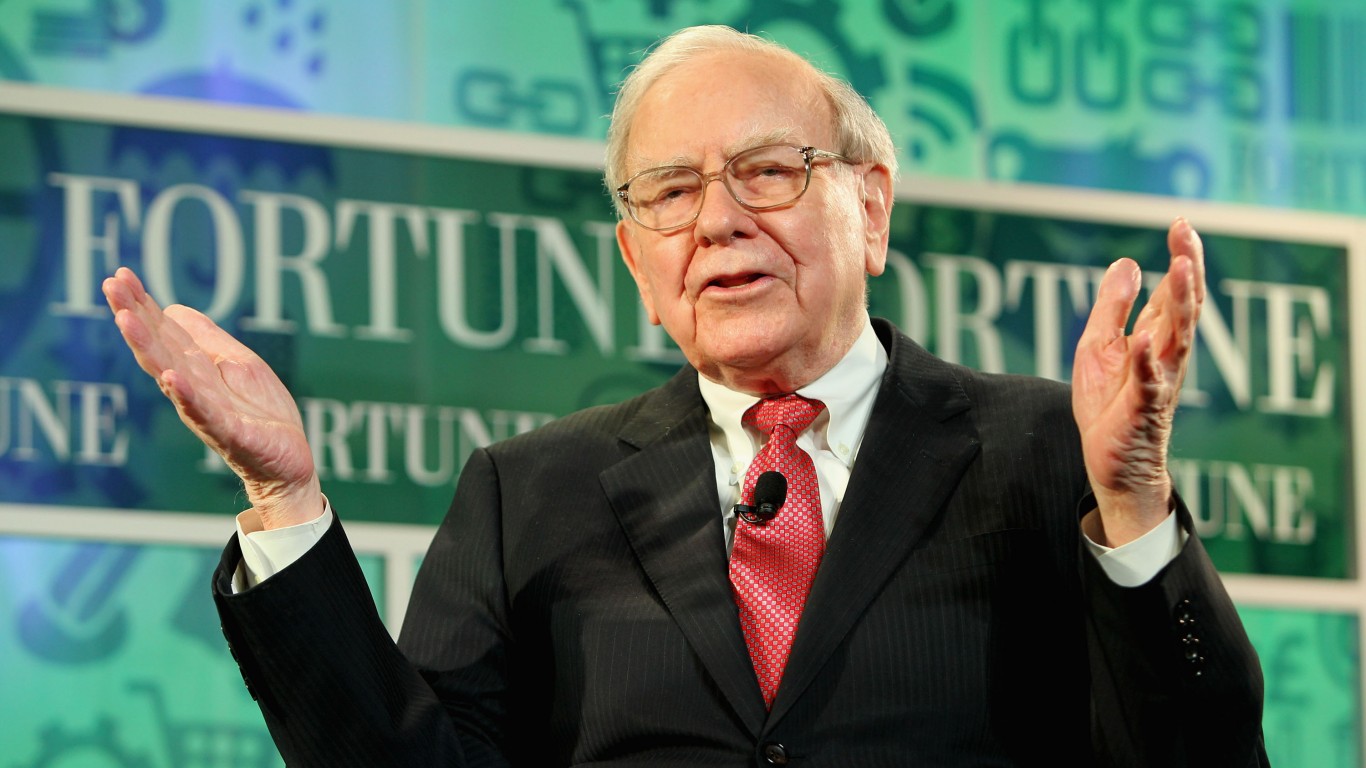
Buffett famously refuses to pay a dividend on Berkshire Hathaway because he can compound your cash better than you can. The VistaShares Target 15 Berkshire Select Income ETF (NYSEARCA:OMAH) disagrees, politely. OMAH holds a Berkshire-style basket of value names and…

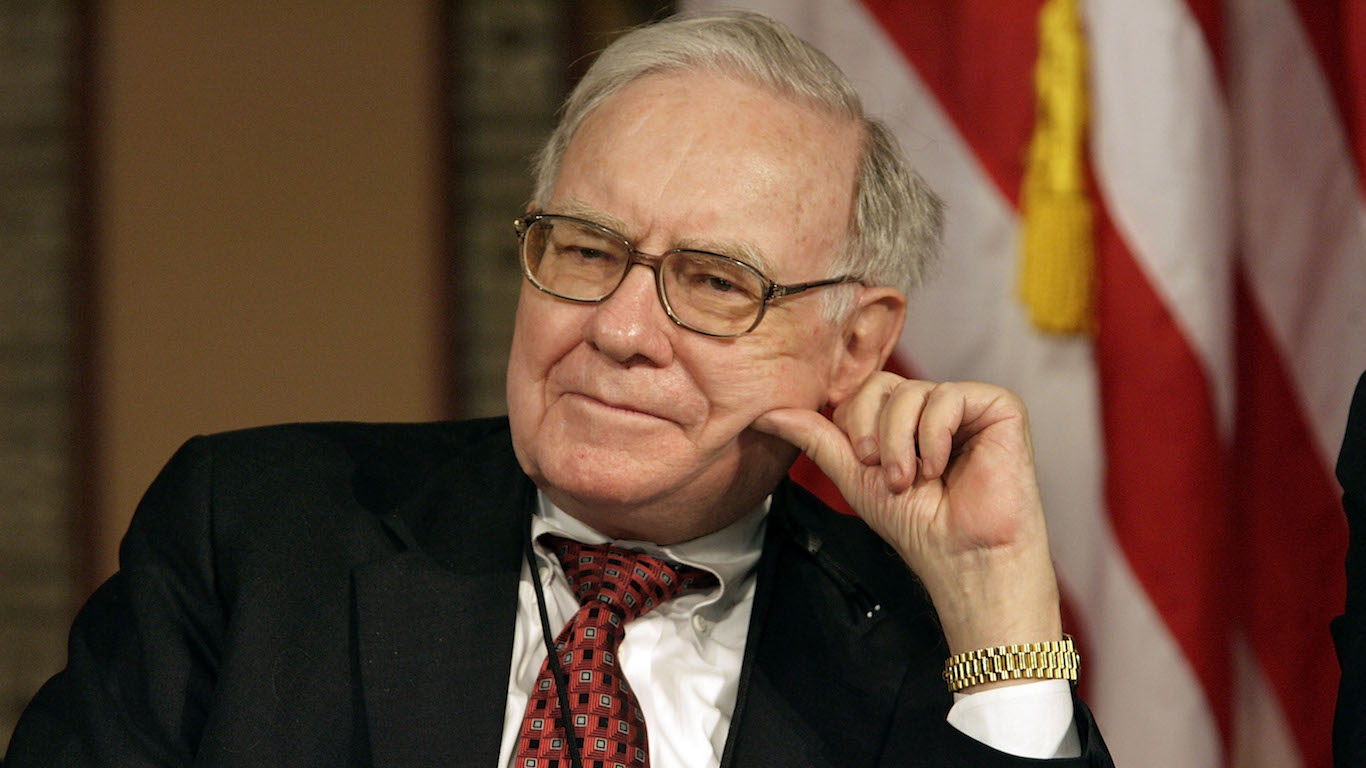
Buffett famously refuses to pay a dividend on Berkshire Hathaway because he believes he can compound your cash better than you can. The VistaShares Target 15 Berkshire Select Income ETF (NYSEARCA:OMAH) disagrees, politely. OMAH holds a Berkshire-style basket of value names and overlays an options strategy designed to push out a 15% annual distribution, paid monthly. The result: you get Warren’s shopping list, plus an income stream he would personally never authorize.
The fund and the trade it makes
The underlying portfolio leans on the cash-flow machines Berkshire actually owns. Coca-Cola (NYSE:KO | KO Price Prediction | KO Price Prediction), American Express (NYSE:AXP), Bank of America (NYSE:BAC), and Chevron (NYSE:CVX) anchor the lineup. Defensive consumer, premium credit, money-center banking, integrated energy. Boring on purpose. The options overlay sells calls against the basket and uses synthetic positions to manufacture the rest of the yield when option premium runs thin. The fund carries an expense ratio of 0.95%, which is typical for actively managed options-income ETFs but worth factoring into any yield comparison.
Whether the 15% target actually pays
Over the past year OMAH returned roughly 13% in price terms, before distributions. Berkshire shares, by contrast, were roughly flat over the same window. That gap matters because the standard knock on income-overlay funds is they bleed net asset value to fund the payout. OMAH’s price held up while Berkshire drifted, largely because the underlying basket delivered. The boring names, CVX, BAC, and KO, did the actual work.
The 15% figure on the label is a stated target with no guarantee attached. VistaShares constructs the distribution from option premium, dividends out of the holdings (KO yields about 2.6%, AXP about 1.1%), and, when the math falls short, return of capital. Return of capital is the fund handing you back a slice of your own principal and calling it income. If markets drift sideways for a year and call premium dries up, the monthly check still arrives, and NAV pays the bill. OMAH’s year-to-date price gain suggests the construction has held together through 2026, though a sustained bear market remains the real stress test. The fund’s rapid growth to nearly $1 billion in assets under management since its March 2025 launch signals that income-focused investors have accepted the trade-off.
The tradeoffs you accept
Three constraints define the product. The first is capped upside: short calls cut off the right tail. Berkshire has compounded roughly 70% over five years and about 240% over ten, but an options-overlay version of that basket would have surrendered most of the late-stage gains. The fund is built for a flat-to-rising market and gives up the melt-ups. In a year where the S&P 500 rips 25% on a tech-led rally, OMAH structurally cannot keep pace because call writing caps participation above the strike. That is the deal: trade upside for cash flow today.
The second constraint is tax friction. Monthly distributions in a taxable account get complicated fast, especially when part of the payout is option premium taxed at ordinary income rates and another slice is return of capital that reduces your cost basis rather than counting as qualified dividend income. Hold OMAH in an IRA or accept the drag. The third is the Berkshire impersonation problem. The basket borrows Buffett’s holdings but cannot borrow his process. The real conglomerate runs on insurance float, has the ability to acquire a railroad or a chemicals business on its own terms, and currently sits on nearly $400 billion in cash and short-term Treasury bills waiting for the right pitch. Now led by CEO Greg Abel following Buffett’s transition, Berkshire has maintained that discipline even as it posted record operating earnings. OMAH owns the names, not the operator or the balance sheet behind them.
Who should own OMAH
OMAH fits a retiree or pure income investor who has already accepted the terms. You want a monthly check denominated in dollars from companies that sell soda, swipe credit cards, and pump oil. You plan to spend the income, so surrendering Berkshire’s long-run compounding upside is a fair trade. A 5% to 10% sleeve alongside a broad index fund and a core bond allocation is the sensible dose, and the monthly cadence pairs cleanly with monthly bills in retirement. The right mental model is to treat OMAH as a fixed-income substitute rather than an equity growth vehicle, because the distribution profile behaves more like a high-yield bond than a conventional stock fund.
Anyone still in accumulation mode owns the wrong fund here. Berkshire’s ten-year total return of roughly 240% with zero distribution-tax drag is the actual Buffett playbook, and reinvesting forced distributions from OMAH inside a taxable account creates friction that compounds against you over a multi-decade horizon. For income seekers who want value-style holdings without the options engineering, a low-cost dividend ETF yields less but compounds without the synthetic plumbing or the return-of-capital footnotes that appear every January on the 1099. The right answer depends entirely on whether you need the cash now or later.
OMAH is unambiguously a now-cash product.
Editor’s note: This article has been updated to reflect Berkshire Hathaway’s record Q1 2026 cash and Treasury bill position of $397.4 billion, Greg Abel’s tenure as CEO, OMAH’s expense ratio of 0.95%, the fund’s growth to nearly $1 billion in assets under management, and a refreshed Berkshire ten-year total return of approximately 240%.
Contact [email protected] for any questions or corrections.
Omor Ibne Ehsan is a writer at 24/7 Wall St. He is a self-taught investor with a focus on growth, cyclical, and dividend equities that have strong fundamentals, value, and long-term potential. He also has an interest in high-risk, high-reward investments such as penny stocks.