JEPI Gets the Attention. JPMorgan’s 0.12% Quality ETF Has Quietly Grown Past $9 Billion

This post may contain links from our sponsors and affiliates, and Flywheel Publishing may receive compensation for actions taken through them.

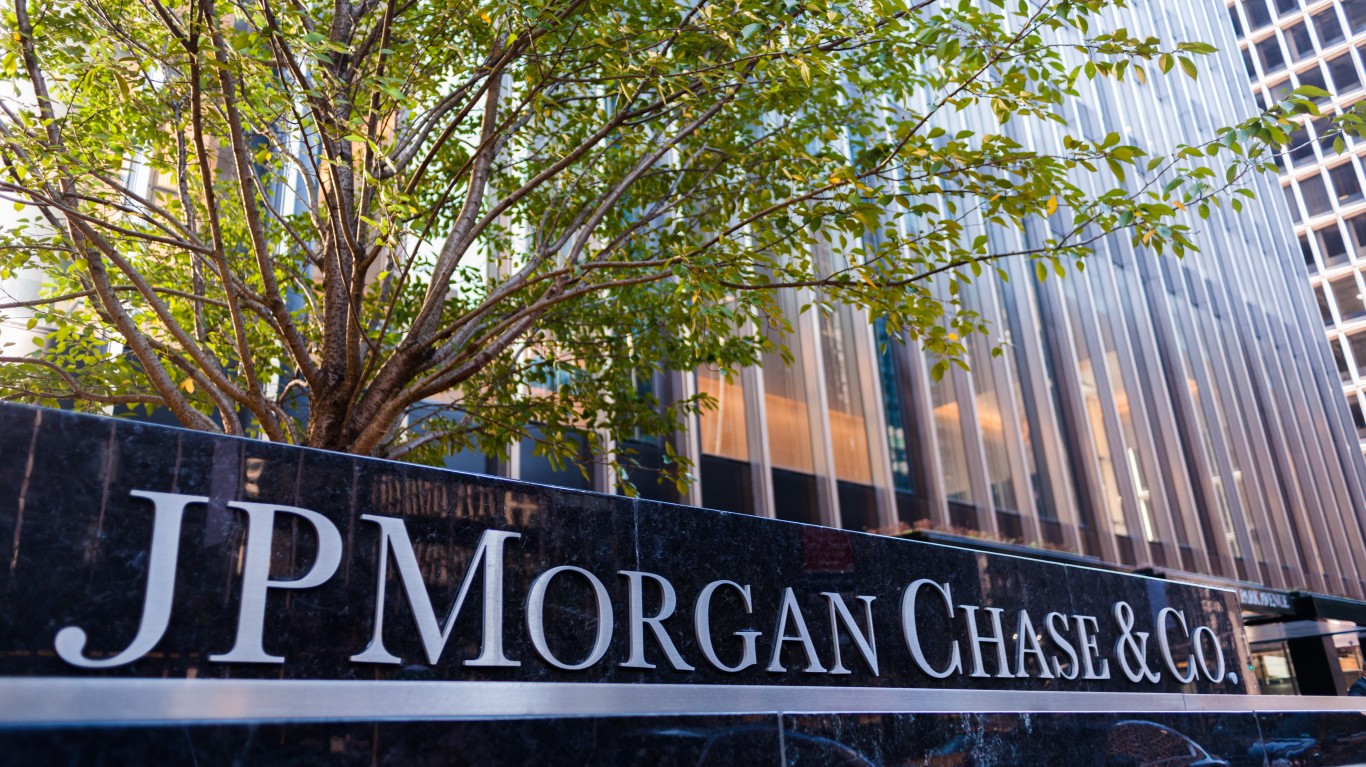
Ask a retiree which JPMorgan ETF they own, and the answer is often the JPMorgan Equity Premium Income ETF (NYSEARCA:JEPI). Its far less famous sibling goes by the ticker JQUA (NYSEARCA:JQUA). In its most recent holdings report, JQUA reported $8.22 billion in net assets as of July 31, 2026. As of November 25, 2026, the fund’s website shows assets at $9.83 billion.
JEPI only serves as the entry point to the JPMorgan ETF lineup. It sells options to produce income. JQUA owns profitable companies for long-term growth. Because they do different jobs, the fair yardstick for JQUA is the SPDR S&P 500 ETF Trust (NYSEARCA:SPY).
What JPMorgan Means by Quality
JQUA follows fixed rules. It tracks the J.P. Morgan US Quality Factor Index, and the Russell 1000 serves as a secondary benchmark. It is an index fund, so no manager is picking stocks. The index starts with securities selected from the Russell 1000. It then matches Russell 1000 sector weights and selects stocks based on quality within each sector.
JPMorgan says it targets businesses with high profit margins and low debt. It measures profitability by return on equity over the trailing 12 months, and it measures leverage by debt relative to earnings. The fact sheet describes the goal as owning companies with “strong quality and profitability characteristics and the potential to enhance returns” while reducing the risk tied to any single stock. FTSE Russell runs the index under published ground rules, last updated in August 2026. Those rules cover how constituents are periodically reviewed and weighted.
A Flatter Portfolio Than the S&P 500
JQUA’s five largest positions, per its latest report on July 31, 2026[1], were each close to 2% of the fund:
| Holding | JQUA weight |
|---|---|
| Apple | 2.08%[2] |
| Microsoft | 2.01%[2] |
| Broadcom | 2.00%[2] |
| Alphabet | 1.94%[2] |
| NVIDIA | 1.92%[2] |
Visa, ExxonMobil, and Berkshire Hathaway come next, at about 1.7% each. Most other positions are below 1%. SPY looks very different. Its March 17, 2026 fact sheet showed NVIDIA at 7.58%, Apple at 6.66%, and Microsoft at 4.91%. By design, JQUA’s sectors follow the Russell 1000.
Returns That Have Beaten SPY Lately
The figures below use dividend-adjusted prices for both funds and end on November 25, 2026:
| Period | JQUA | SPY |
|---|---|---|
| Year to date | 16.18% | 5.92% |
| Since Nov. 30, 2021 | 79.33% | 68.23% |
| Calendar 2023 | 25.13% | 26.19% |
| Calendar 2024 | 21.21% | 24.89% |
On costs, JQUA charges 0.12%, and SPY’s fact sheet lists 0.0945%. JPMorgan publishes JQUA’s gross and net annual expenses on its October 31, 2026 fact sheet. Morningstar puts the fund’s cost in the cheapest fifth of its Large Blend category.
Risks Retirees Should Weigh
- Quality can trail in speculative rallies. JQUA lagged SPY in both 2023 and 2024, years when the market’s biggest stocks led.
- Factor funds can trail for years. There is no guarantee that its recent lead over SPY will last.
- Weighting differs from the S&P 500. Sectors line up with the Russell 1000, but the stock choices and smaller position sizes inside each sector leave JQUA with much less exposure to mega-caps such as NVIDIA.
- Sequence of returns matters most at the start. A bad market in the first years of withdrawals does lasting damage, the exact problem we walked through in a free guide for near-retirees: The First Five Years.
Why So Few Investors Know About It
JQUA launched on November 8, 2017. On November 25, 2026, JQUA traded 1,155,261 shares, compared with 6,057,350 for JEPI and 73,112,796 for SPY. Morningstar gives JQUA a Bronze Medalist Rating as of October 31, 2026.
Who JQUA Fits and Who Should Look Elsewhere
JQUA could suit investors near retirement who want a core U.S. stock fund that leans toward profitable, low-debt companies and spreads its weight more evenly than SPY. It fits those who can hold through stretches when it trails the market. It is a poor fit for anyone who needs steady monthly income, which is JEPI’s purpose, and for those looking for full exposure to the largest technology names. Two things to track: JPMorgan’s next asset update, which will show whether assets remain above $9 billion, and whether its 2026 lead over SPY holds up if mega-cap leadership comes back.
Contact [email protected] for any questions or corrections.
Ryne Mauck is an investment writer covering exchange-traded funds, retirement planning, and portfolio strategy. Through his work at 24/7 Wall St. and other investment platforms, including Seeking Alpha, he aims to provide clear, research-driven insights that help investors make more informed decisions while maintaining a long-term approach to investing.
Ryne holds a B.Sc. in Finance and an M.A. in Political Science. He is a formerly registered Municipal Advisor Representative and has passed the Series 50, Series 63, and Series 65 exams. His articles are not intended to be, nor should they be interpreted as, financial advice.