Why No Nobel Prize for Literature Will Be Awarded This Year
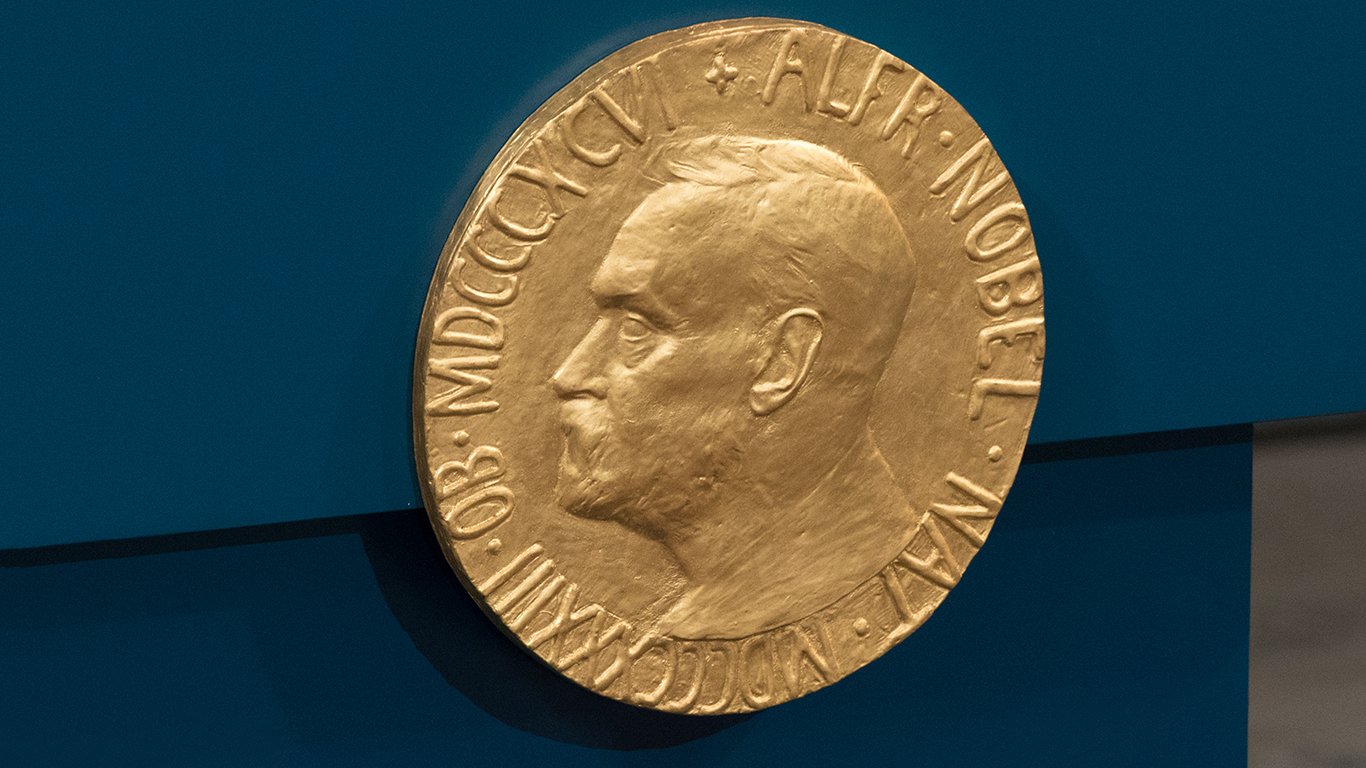
The Swedish Academy announced this morning that it will postpone the award of 2018 Nobel Prize in literature until 2019 as the body tries to recover from a well-publicized scandal.

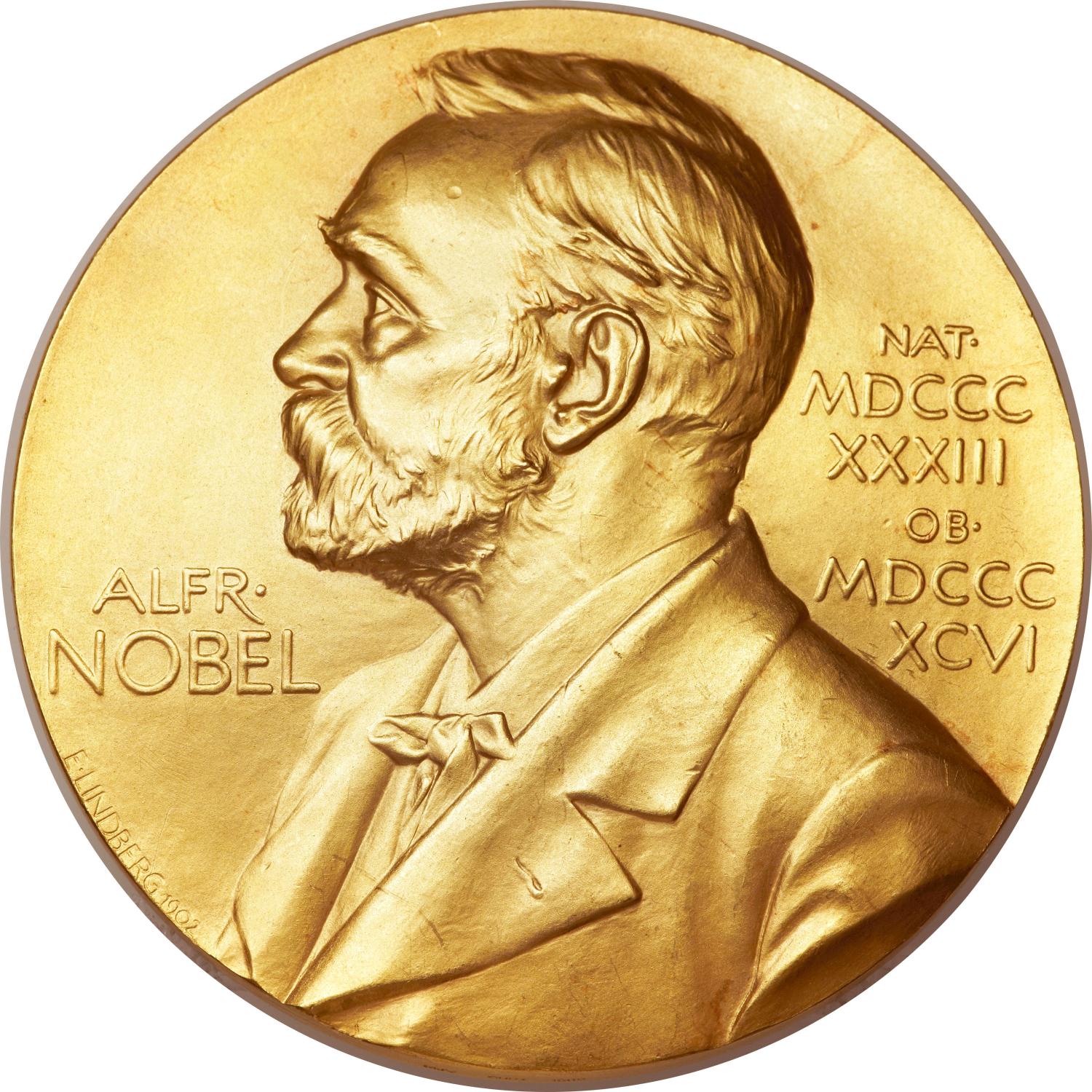
The committee charged with awarding the Nobel Prize in Literature announced Friday that the 2018 prize award would be postponed until 2019 and awarded “in parallel with the naming of the 2019 laureate.” While not unprecedented, such a postponement is rare. The last occurred in 1949.
The official reason given by the Swedish Academy, which names the prize winner, is the “currently diminished Academy and the reduced public confidence in the Academy.” The Academy normally has 18 members who are appointed for life by the king, but recent allegations of sexual assault against the husband of (now former) Academy member Katarina Frostenson have led to the resignation of several members and reduced the number of active members to just 10. Frostenson’s husband, French photographer Jean-Claude Arnault, has denied the allegations.
In its announcement the Academy said:
The active members of the Swedish Academy are in agreement that, without compromising the Academy’s purpose and to retain respect for its unique historical legacy, the Academy’s operative practices need to be evolved. The Academy has therefore newly begun a comprehensive work of change.
The main change is expected to allow the Academy and the king to replace members who resign. The Academy is also planning to tighten its rules on secrecy, possible in response to other allegations against Arnault that he leaked the names of seven former prize winners. He has also denied these allegations.
The first Nobel Prize in literature was awarded in 1901 to French poet Sully Prudhomme. The most recognizable name among the first 10 winners is that of British writer Rudyard Kipling. The most glaring omission among those first winners is Leo Tolstoy who was eligible for the prize until his death in 1910. Other well-known and highly respected non-winners include James Joyce, Vladimir Nabokov, Jorge Luis Borges, Simone de Beauvoir and Italo Calvino.
Contact [email protected] for any questions or corrections.
Paul Ausick has been writing for 247Wallst.com for more than a decade. He has written extensively on investing in the energy, defense, and technology sectors. In a previous life, he wrote technical documentation and managed a marketing communications group in Silicon Valley.
He has a bachelor's degree in English from the University of Chicago and now lives in Montana, where he fishes for trout in the summer and stays inside during the winter.