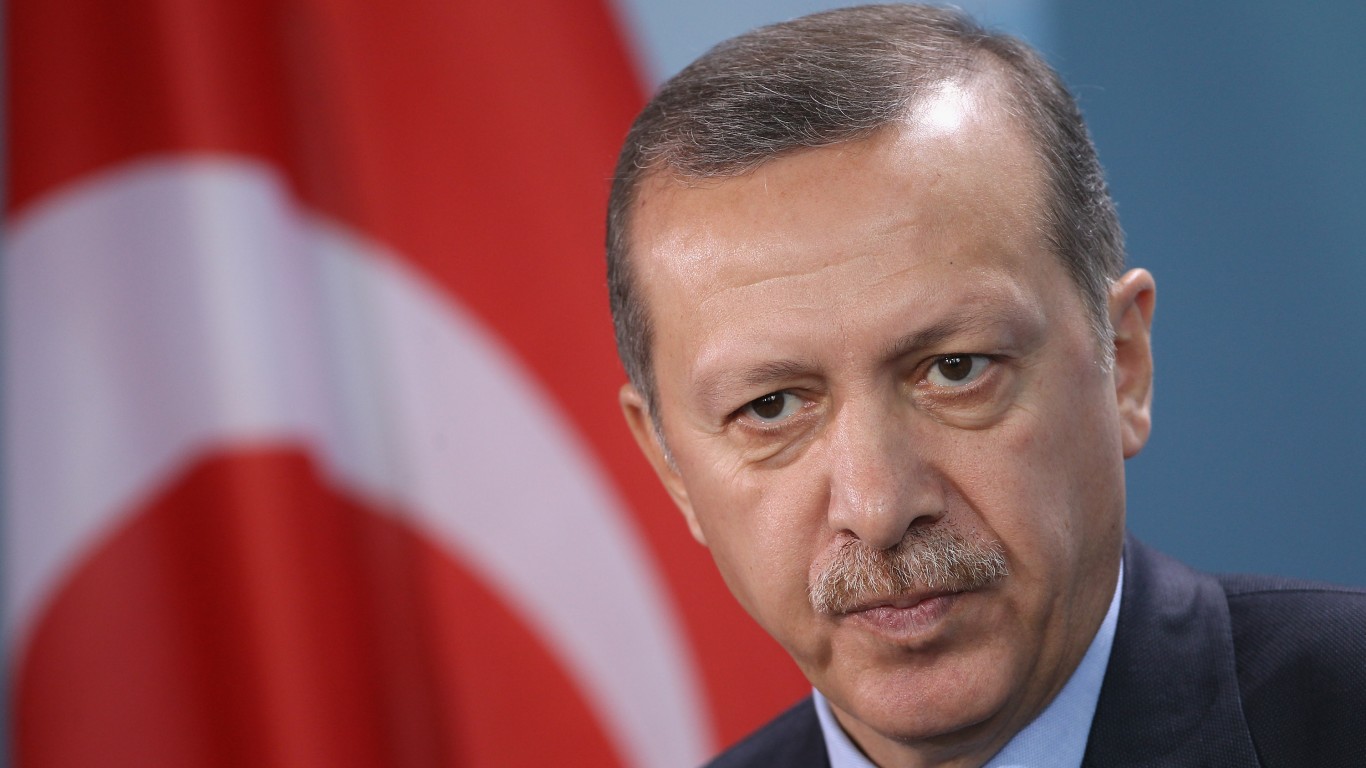
Turkey’s Complex Role in NATO: Strategic Importance and Internal Tensions
: Turkey is a key but controversial NATO member, bridging Europe and Asia. Ongoing tensions with Greece stem from historical disputes. Turkey controls the crucial Bosphorus Strait, impacting NATO strategy. While the defense sector is capturing attention in 2025, the…


Key Points:
- Turkey is a key but controversial NATO member, bridging Europe and Asia.
- Ongoing tensions with Greece stem from historical disputes.
- Turkey controls the crucial Bosphorus Strait, impacting NATO strategy.
- While the defense sector is capturing attention in 2025, the smart money is already looking to “the next Nvidia” for 2025’s biggest winners. Access the report for free now.
Turkey’s unique and complex role within NATO, highlighting its strategic importance and the cultural and political tensions it brings to the alliance. As the only majority Muslim country in NATO, Turkey straddles both Europe and Asia, maintaining a flexible foreign policy historically and presently. Turkey’s control over the Bosphorus Strait, a key access point to the Black Sea, is crucial for regional security. The conversation also touches on tensions with Greece, stemming from historical territorial disputes and differing geopolitical interests, which continue to influence Turkey’s relationships within NATO.
Turkey’s Unique Position Within NATO

- Turkey is a geographically and culturally unique member of NATO, straddling two continents—Europe and Asia.
- It is the only majority Muslim country in NATO, with a history of balancing a secular, Western-focused outlook and a more conservative, religious one.
- Recent political shifts suggest Turkey may be moving back toward secularism, as seen in its latest elections.
Turkey’s Flexible Foreign Policy

- Historically, Turkey has maintained a flexible foreign policy, exemplified during World War II by keeping good relations with both the Allies and Axis powers until the war’s outcome was clear.
- Turkey joined the Allies in 1945, but no Turkish troops saw combat, allowing Turkey to emerge from the war relatively unscathed.
Tensions Between Turkey and Greece
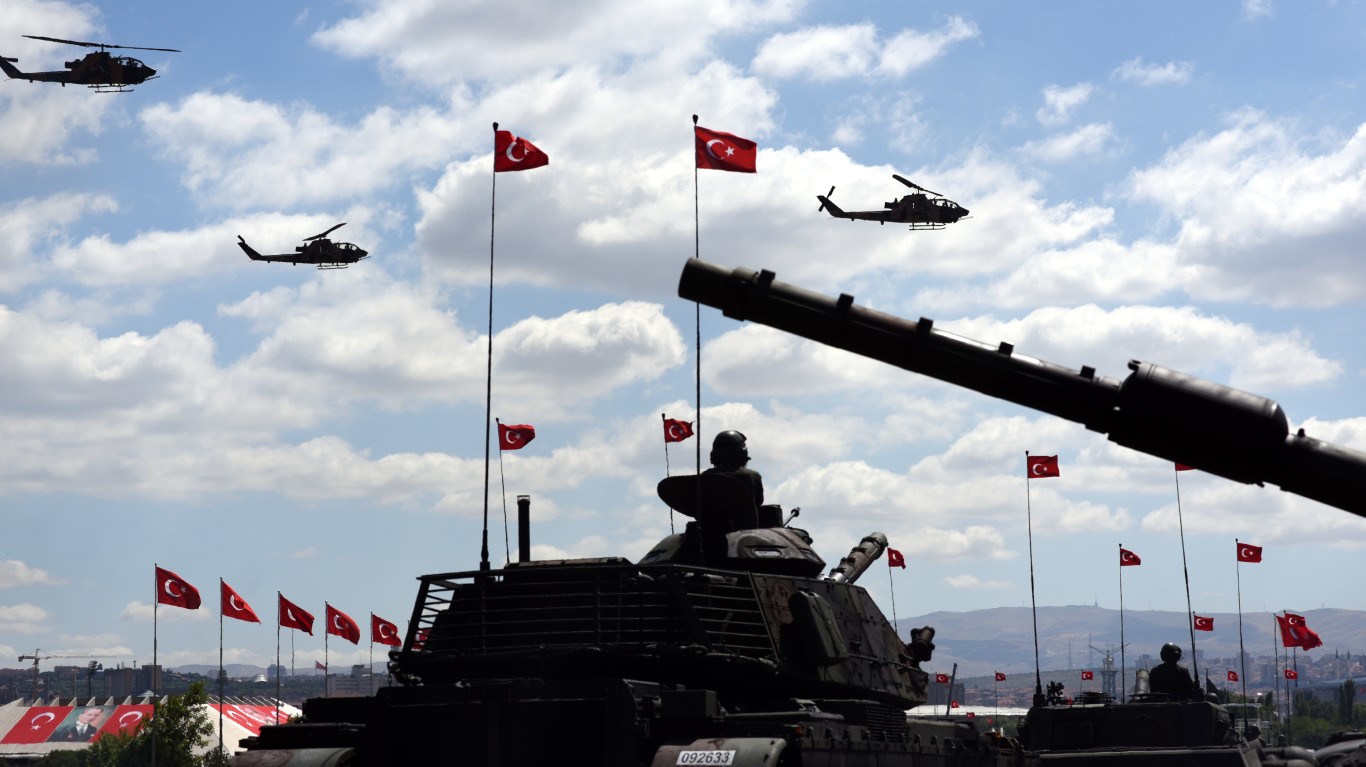
- Despite sending humanitarian aid to Greece during the Axis occupation in World War II, Turkey has had ongoing territorial disputes with Greece.
- Issues arose post-World War II over Aegean islands, which were returned to Greece but had previously been part of a territorial agreement with Turkey in the 1920s.
Strategic Importance of Turkey to NATO
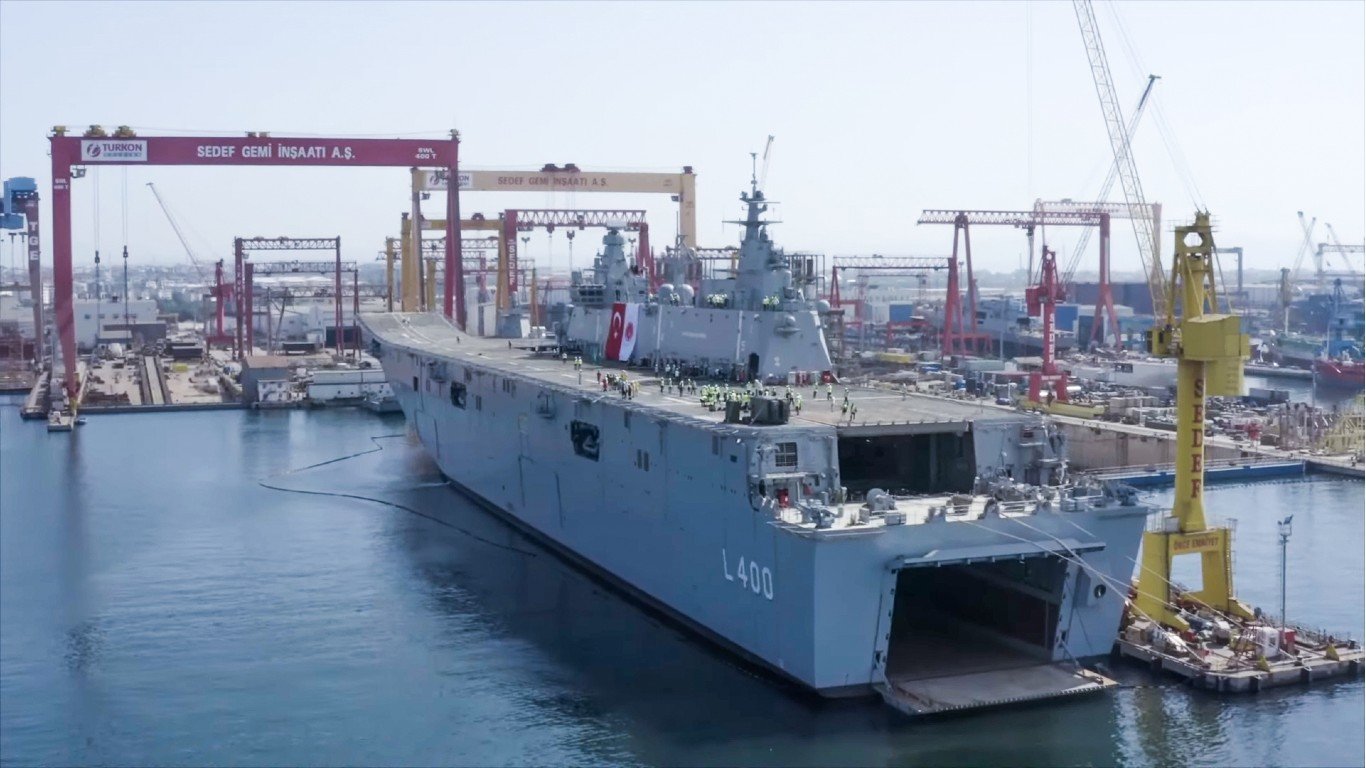
- Bosphorus Strait: Turkey controls this narrow waterway that separates Istanbul and is the key access point to the Black Sea, which has been vital in restricting the Russian Navy’s movements, especially during the Ukraine conflict.
- Geopolitical Land Bridge: Turkey serves as a crucial land bridge between Europe and Asia, enhancing its strategic importance for NATO’s southern flank.
Turkey’s Role in Middle Eastern Conflicts
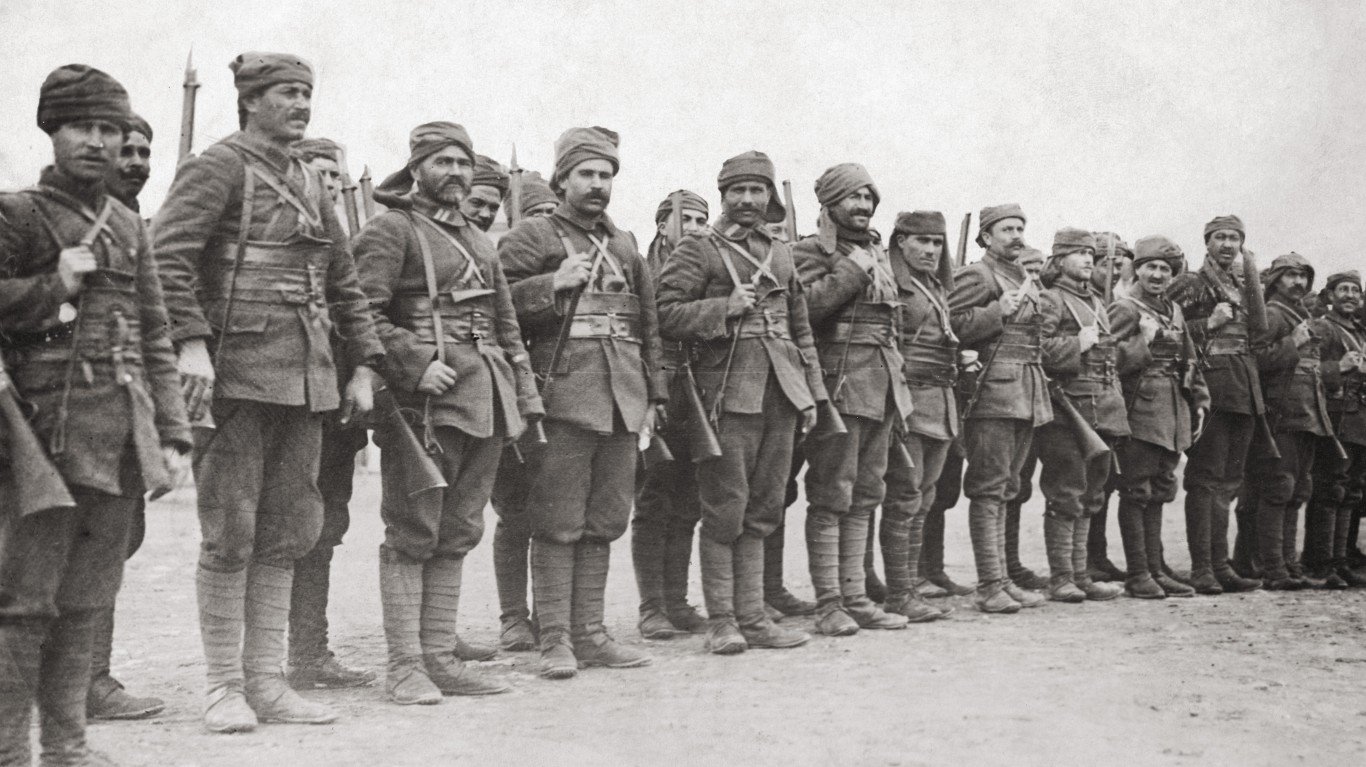
- Turkey was a critical partner for the United States during its Middle Eastern engagements in the early 2000s, though it did not always fully support U.S. military activities.
- Its strategic location and control over key maritime and land routes continue to make it a valuable but complex ally for NATO.
Conclusion: Turkey’s Valuable Yet Controversial Role

- Turkey’s unique geopolitical position, cultural diversity, and strategic control over key regions make it an indispensable but often contentious member of NATO.
- The ongoing tensions with Greece and Turkey’s shifting political landscape add layers of complexity to its role within the alliance.
Contact [email protected] for any questions or corrections.
Austin Smith is a financial publisher with over two decades of experience as an investor, analyst, and advisor. He covers stocks, ETFs, Artificial intelligence and personal finance for 24/7 Wall St. Previously, he spent over a decade at The Motley Fool as a senior editor for Fool.com, portfolio advisor for Millionacres, and launched The Ascent to help reader take control of their personal finances.
His work has been featured on Fool.com, NPR, CNBC, USA Today, Yahoo Finance, MSN, AOL, Marketwatch, and many other publications. He is as an advisor to private companies, and co-hosts The AI Investor Podcast with Eric Bleeker.
When not looking for investment opportunities, he can be found skiing, running, or playing soccer with his children. Learn more about Austin's investment approach here.