These Remote U.S. Regions Could Face the Greatest Nuclear Threat
24/7 Wall St. Insights Several American cities are considered the most likely targets in the event of an all-out nuclear war. Most of the US nuclear arsenal and other strategic military targets are located in rural areas. In the event…


24/7 Wall St. Insights
- Several American cities are considered the most likely targets in the event of an all-out nuclear war.
- Most of the US nuclear arsenal and other strategic military targets are located in rural areas.
- In the event of a counterforce strike, these would be in greater danger of attack than the urban areas.
- Also: 2 Dividend Legends To Hold Forever
The Russian invasion of Ukraine has rattled nerves across the world, especially as the United States and its NATO allies have provided funding, training, and advanced weaponry to Ukraine. Most recently, as of mid-to-late 2025, some NATO members (not all) have permitted limited Ukrainian strikes into Russian territory using Western-supplied weapons, mainly for defensive counterstrikes near the border. Some fear this could escalate into a nuclear exchange between Russia and the U.S. If you think you’re safe living in a rural area, think again. In fact, specific rural and isolated parts of the country (near military targets) may be in greater danger of attack than New York City or other urban targets.
This post was updated on October 9, 2025 to clarify Ukraine’s use of U.S. weapons on Russia, that not all rural areas are at risk (just those near military targets), the risks of being in isolated areas like Hawaii and Alaska, U.S. limited capability when it comes to shooting down ICBMs, and nuclear war.
Countervalue vs. Counterforce Targeting

You might assume that any nuclear conflict would automatically escalate to a full-on nuclear exchange with multiple cities and military assets being targeted. This is not necessarily the case. War planners look at various scenarios that can include countervalue strikes (attacks on cities and other non-military assets) or counterforce strikes (attacks on military command and control, bases, and assets). Modern nuclear planning often blends the two. Though countervalue strikes are meant to deter war, initial counterforce strikes could still cause large civilian casualties due to blast radius and fallout.
Motivations for Countervalue Targeting
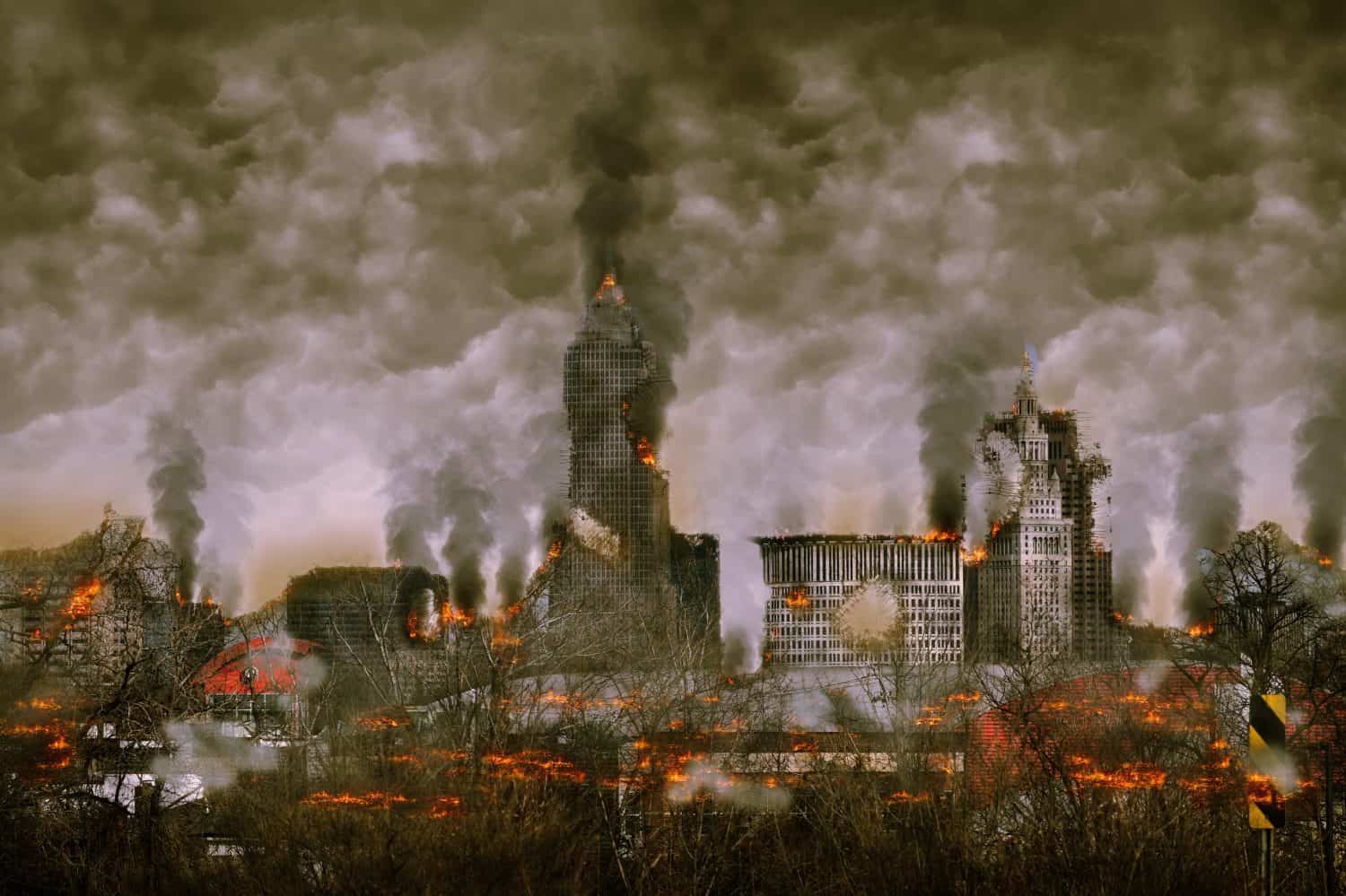
An enemy might choose countervalue targeting if their goal was to destroy the United States government and cripple the nation economically and socially. Experts suggest that New York, Washington D.C., Los Angeles, Chicago, Houston, Dallas-Fort Worth, Miami, and Philadelphia would be some of the most valuable targets in terms of their importance as centers of finance, government, industry, and trade.
A successful countervalue attack on these types of targets could set the country’s development back by a century and might even lead to the country’s breakup into multiple independent states. However, any country that attacked these kinds of targets could expect the same to be done back to them, so it would be a suicidal choice. Nonetheless, it is a choice an irrational enemy might make, or one who felt the survival of their country was already threatened.
Scenarios for Counterforce Targeting
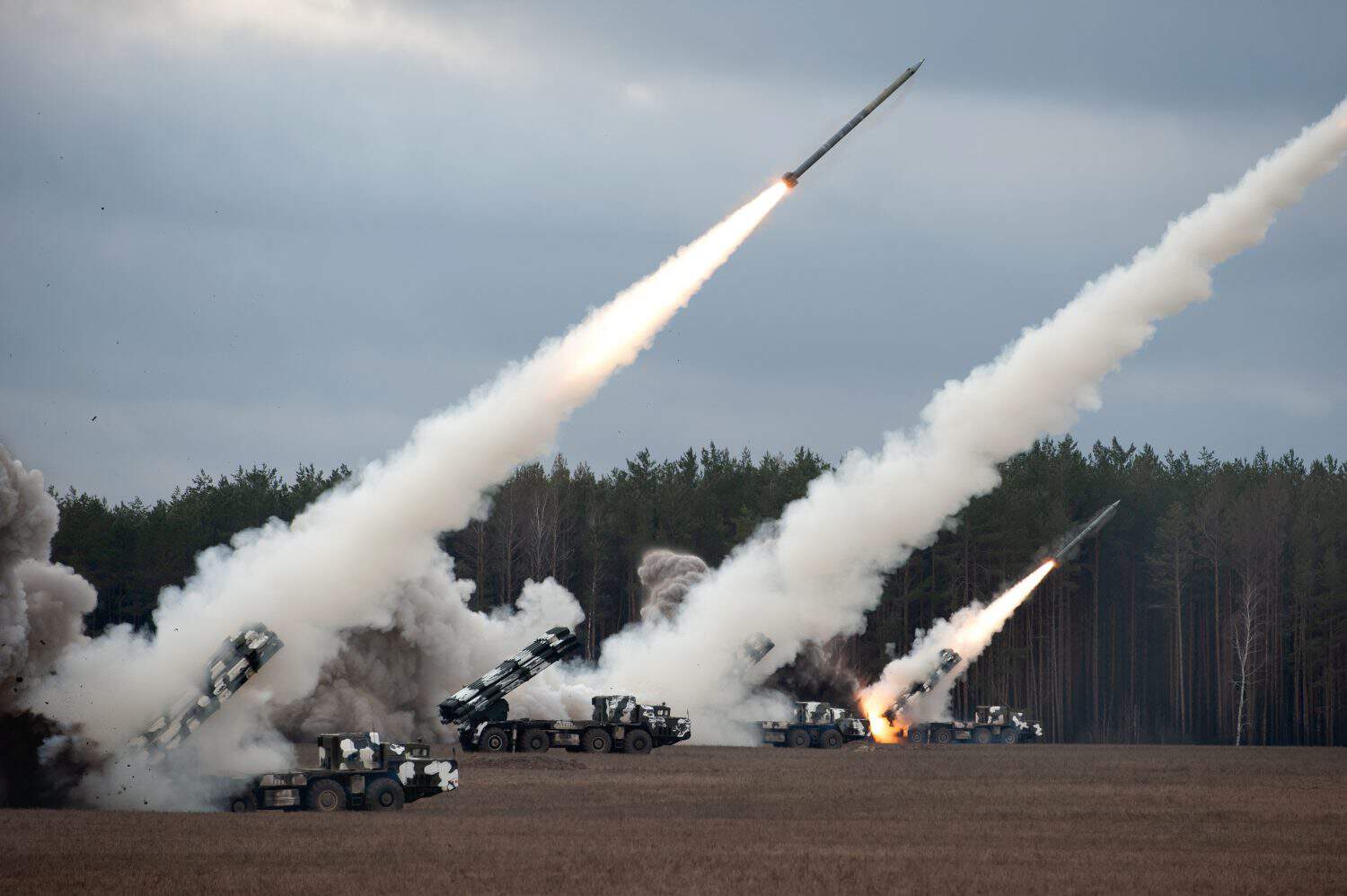
Wargame scenarios do not automatically assume that an enemy would resort to countervalue targeting. An enemy might take the risk of trying to disable American nuclear assets and command and control without targeting cities, at least initially. A first-wave surprise attack might try to knock out the United States’ ability to launch a response. Then an enemy could threaten to begin taking out cities unless the country met the enemy’s demands. The populations of threatened U.S. cities might rise up to demand the government make peace on any terms to protect their lives and property.
How the US Defends Against Counterforce Targeting
The United States has some capability to shoot down a small number of ballistic missiles before they reach their targets. However, U.S. systems like GMD (Ground-Based Midcourse Defense) have limited, unproven reliability (around 50–60% success rate in controlled tests). They can intercept a few ICBMs but would not reliably stop a large-scale attack.
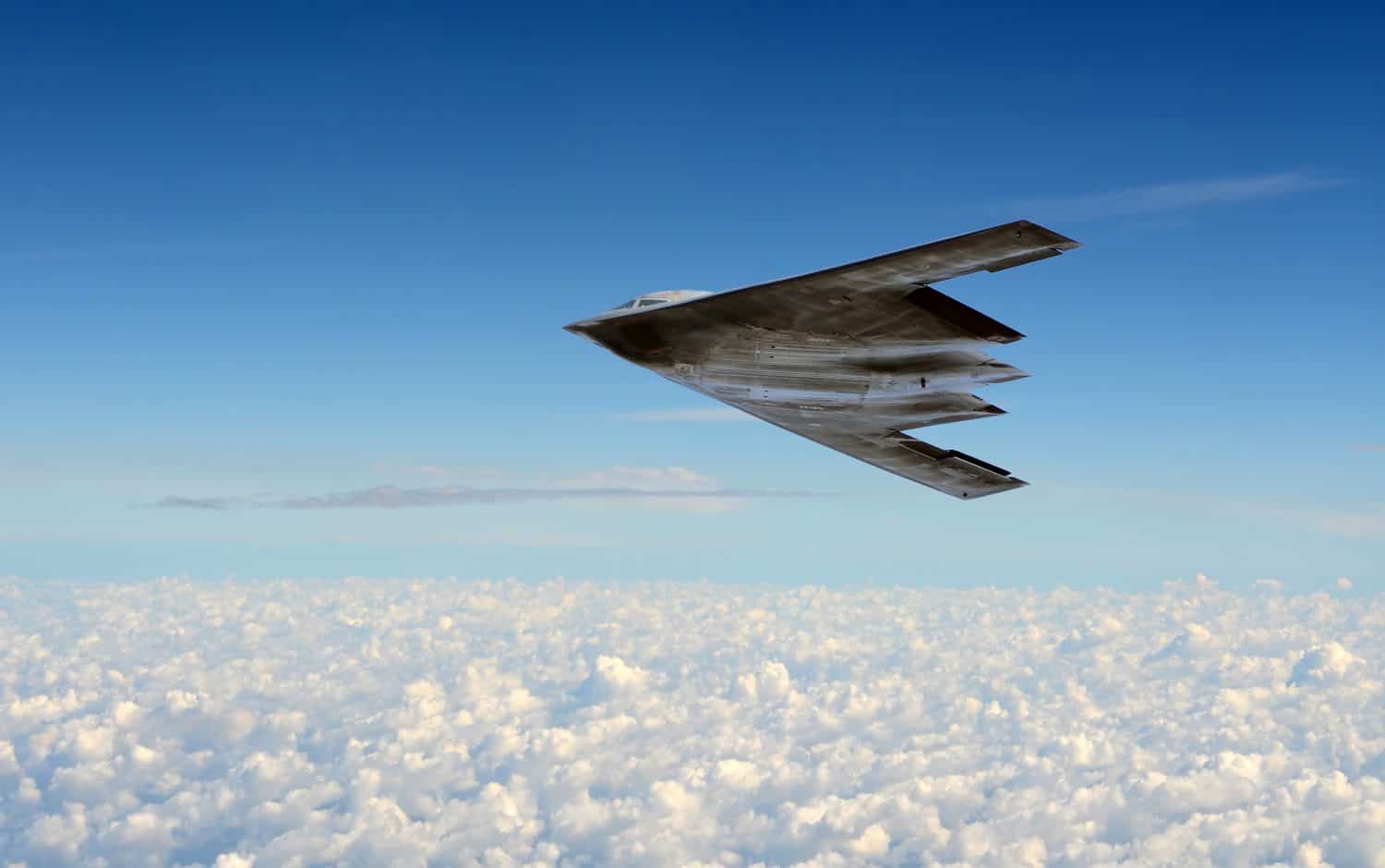
The most effective strategy we have to protect our capability for nuclear retaliation is to maintain a “strategic triad” including ground-based ICBMs, nuclear-capable aircraft, and submarine-launched missiles. This is intended to ensure that even if an enemy delivered a knockout blow to one part of the triad, the others could survive to deliver a devastating retaliatory strike. Whether that retaliation would actually be carried out, however, is a political decision. The country’s leadership might decide de-escalation would allow the U.S. a better chance of survival as a nation than proceeding to a world-shattering, full-scale nuclear exchange.
What Could Weaken Deterrence?

No matter what the American strategy and capabilities are, deterrence is only effective if potential enemies believe we will use what we have. Some factors that could undermine the deterrent effect of the U.S. nuclear arsenal are things like withdrawing from alliances, reducing U.S. overseas troop deployments, substantial reductions in military spending, lack of clear and assertive diplomatic engagement, and political disunity and social unrest at home.
What Rural Areas Could Be Hit?
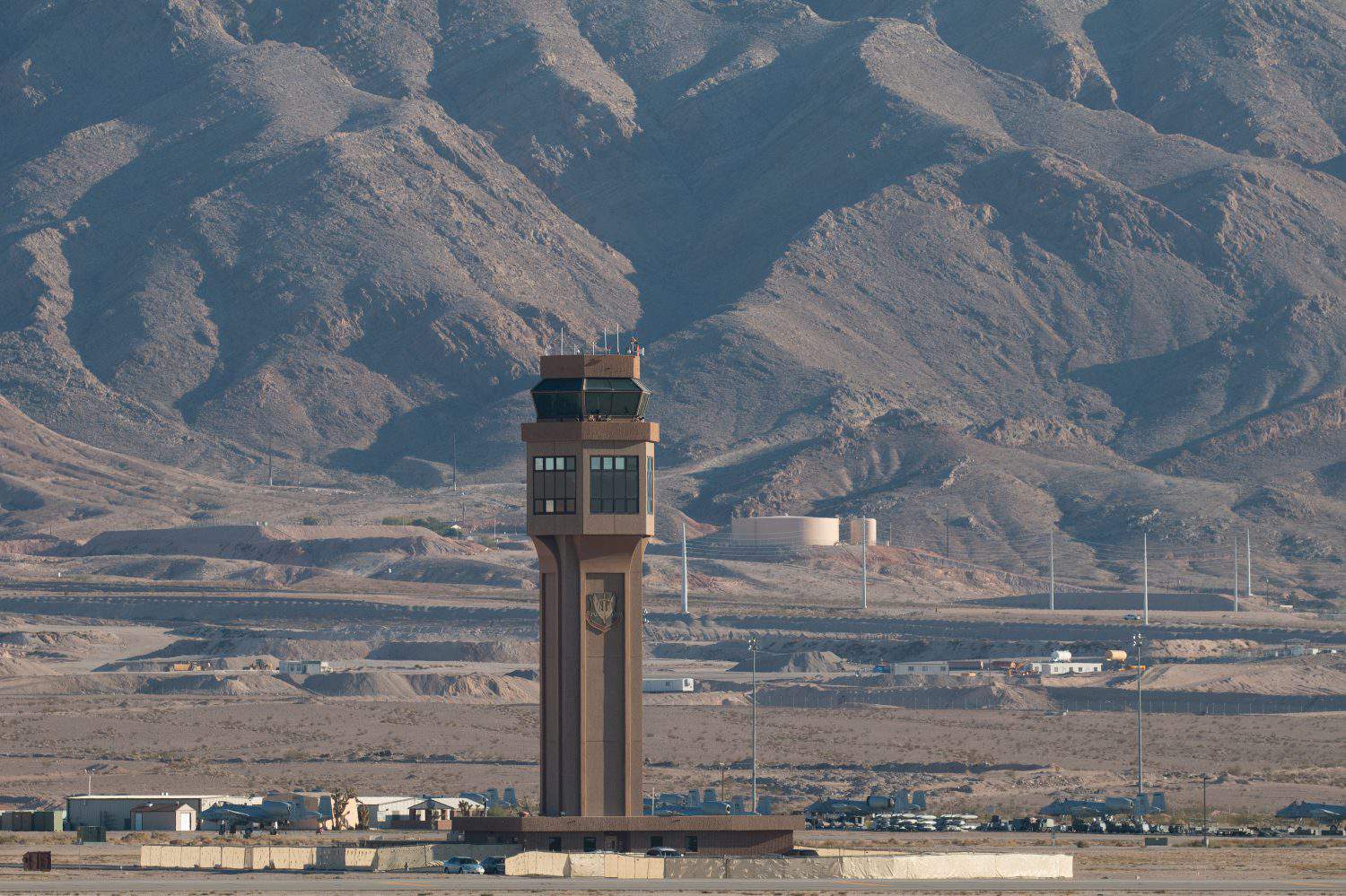
If deterrence failed and an enemy attempted a counterforce attack, these are some of the rural areas that could be affected by large strikes on significant nuclear targets, while sparing urban centers like New York City. All of this information is available in the public domain.
Areas Near These Nuclear Command and Control Centers

- Offutt Air Force Base, eastern Nebraska
- Cheyenne Mountain Complex and Peterson Space Force Base, near Colorado Springs, CO
Areas Near These Nuclear Launch Silos
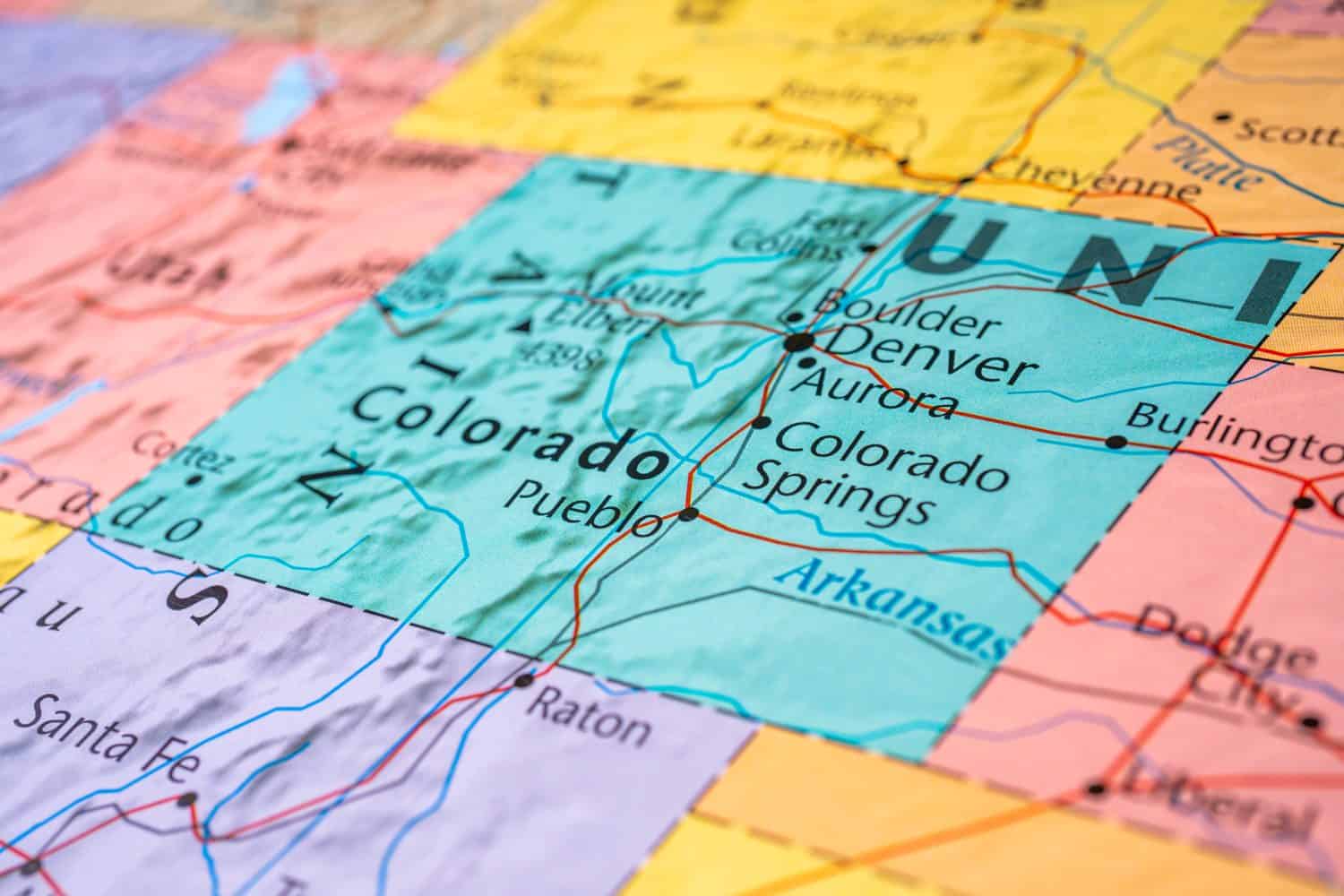
- Warren Air Force Base at the intersection of Wyoming, Colorado, and Nebraska
- Malmstrom Air Force Base, central Montana
- Minot Air Force Base, central North Dakota
Areas Near These Nuclear Bomber Bases

- Whiteman Air Force Base, central Missouri
- Barksdale Air Force Base, northern Louisiana
Areas Near This Nuclear Bomb Storage Site
- Kirtland Air Force Base, northwest New Mexico
Areas Near These Ballistic Missile Submarine Bases

- Kings Bay, Southeast coast of Georgia
- Bangor, Washington
So Where Are the Safest Places in the US?

The safest places in the United States in the event of a nuclear war are remote from targets like heavily populated cities and military bases but are also upwind from such targets, so they are less likely to be affected by nuclear fallout. Some of the less-populated Hawaiian Islands, Alaska, or the Rocky Mountains might be good bets for surviving the initial effects of a nuclear exchange. However, their remote location means supply chain collapse would be catastrophic. Survivability would depend on food, water, and infrastructure.
If the war were extensive enough to cause a collapse of American society and the economy, then it would be important to live in a place with access to natural freshwater sources and farmland or wild game to be able to feed yourself. In the event of a massive nuclear exchange that caused extreme climate change, you would no doubt want to get as far south as possible where the weather might be warmer and more survivable (This is assuming a “nuclear winter” occurs, in which the sun is completely blocked by clouds of smoke and ash).
All of which leads to the obvious conclusion: the best way to keep people safe in a nuclear war is to avoid fighting one at all.
Contact [email protected] for any questions or corrections.
Drew Wood has edited or ghostwritten nine books and published more than 1,500 articles on investing, business, politics, travel, world cultures, wildlife, and earth science. He holds a doctorate and four master's degrees and has nearly 30 years of college teaching experience. His travels have taken him to 25 countries, including three years living in Ukraine.