30 Aircraft That Were Technological Marvels But Also Operational Headaches
Some of the most impressive aircraft ever built were also among the most difficult to keep flying. Revolutionary designs delivered unmatched speed, stealth, or capability, but they came with maintenance demands that strained budgets and readiness. In many cases, the…

Some of the most impressive aircraft ever built were also among the most difficult to keep flying. Revolutionary designs delivered unmatched speed, stealth, or capability, but they came with maintenance demands that strained budgets and readiness. In many cases, the very technology that made these aircraft exceptional also made them operational headaches. These platforms reveal the hidden cost of pushing aviation too far, too fast. Here, 24/7 Wall St. is taking a closer look at these technological marvels that had the biggest operational headaches.
To determine the aircraft that were technological marvels but operational headaches, 24/7 Wall St. reviewed various historical and military sources. We included supplemental information regarding each aircraft’s primary role, type, era, what made it operationally difficult, and ultimately what made each aircraft a technological marvel.
Here is a look at the aircraft that were technological marvels and operational headaches:
Why Are We Covering This?
Understanding why some of the most advanced aircraft became operational headaches helps explain how military aviation actually evolves beyond test ranges and airshows. Breakthrough technologies often arrive faster than sustainment systems, training pipelines, and maintenance practices can adapt. By examining aircraft that paired innovation with real-world friction, this highlights the trade-offs between performance and practicality. These cases show why readiness, logistics, and maintainability are just as decisive as speed, stealth, or firepower in determining long-term effectiveness.
When Innovation Outruns Practicality
Military aviation often rewards pushing technological limits, and some aircraft genuinely redefined what was possible. Breakthroughs in speed, stealth, sensors, and propulsion changed how wars could be fought. But the more ambitious the design, the more complexity it introduced into everyday operations. In many cases, the same innovation that made an aircraft exceptional also made it difficult to operate and sustain.
Engineering Triumphs With Hidden Costs
Many aircraft entered service as engineering milestones, built around advanced materials, sophisticated avionics, or cutting-edge performance. These features raised capability ceilings and created real tactical advantages. Yet advanced systems also increased maintenance demands, required specialized support, and made reliability harder to achieve. Operational friction often appeared only after fielding, when systems were stressed by real-world tempo and conditions.
Readiness Is the Real Test

In combat terms, the most important question is not what an aircraft can do in theory, but how often it can actually fly. High maintenance hours, limited spare parts, and complex repair procedures can reduce sortie generation and availability. Specialized facilities and training requirements also restrict where an aircraft can deploy. The result is that technological advantage can be undermined if readiness cannot be sustained at scale.
Why Complexity Became a Liability
As aircraft became more integrated, small failures could cascade into larger operational problems. Early software, manufacturing limits, and maintenance practices often struggled to keep pace with the sophistication of the design. What looked manageable on a test program could become a persistent sustainment issue in fleet service. Crews and engineers found workarounds, but the cost was often time, money, and reduced availability.
Understanding the Trade-Off
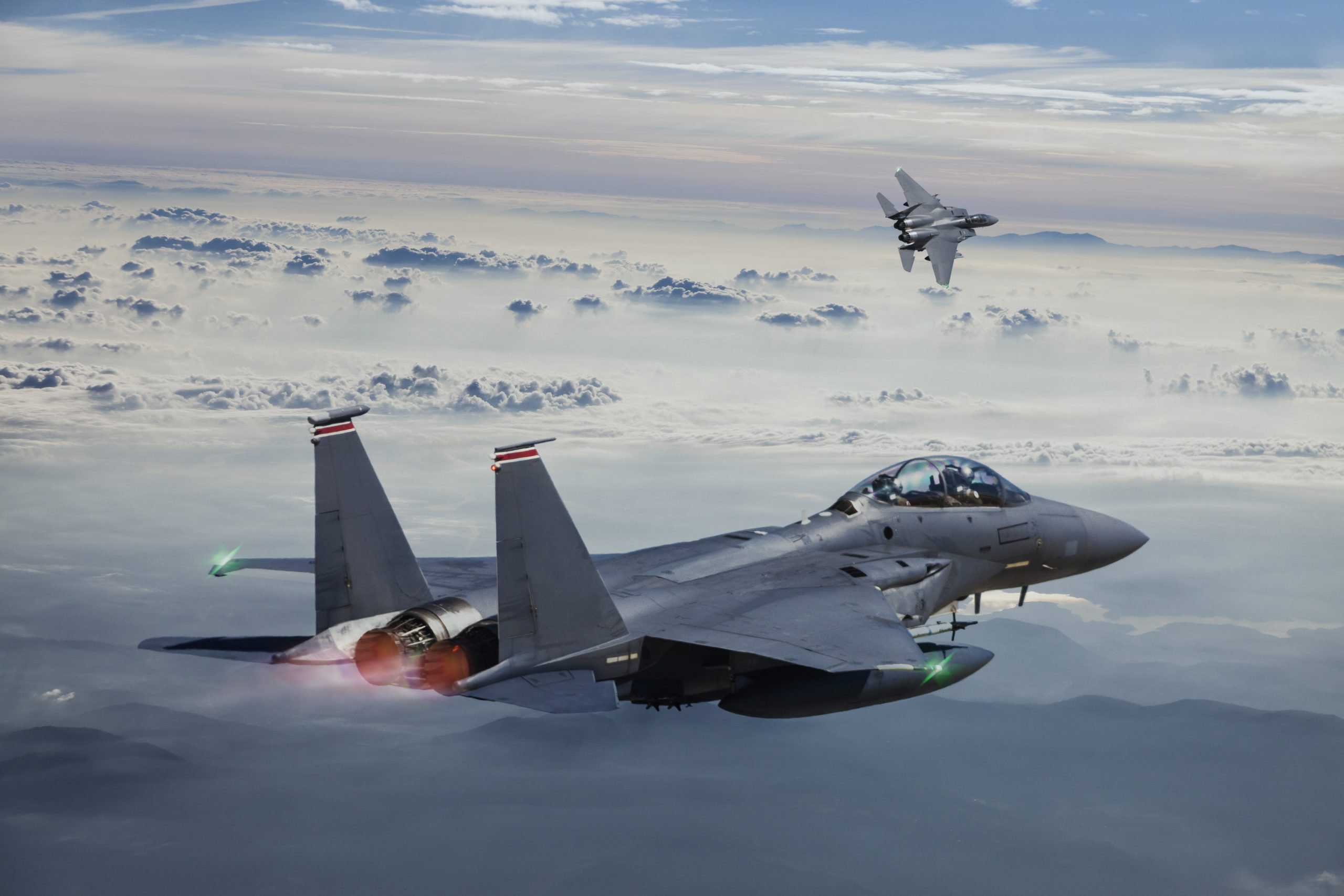
This article examines 30 aircraft that were technological marvels for their era, but also became operational headaches in real service. Each platform pushed boundaries and delivered genuine capability, yet also demanded significant effort to keep mission-ready. The focus is not on failure, but on the trade-off between innovation and practicality. Understanding this pattern helps explain how aviation evolves—and why the most advanced designs are often the hardest to sustain.
F-14 Tomcat
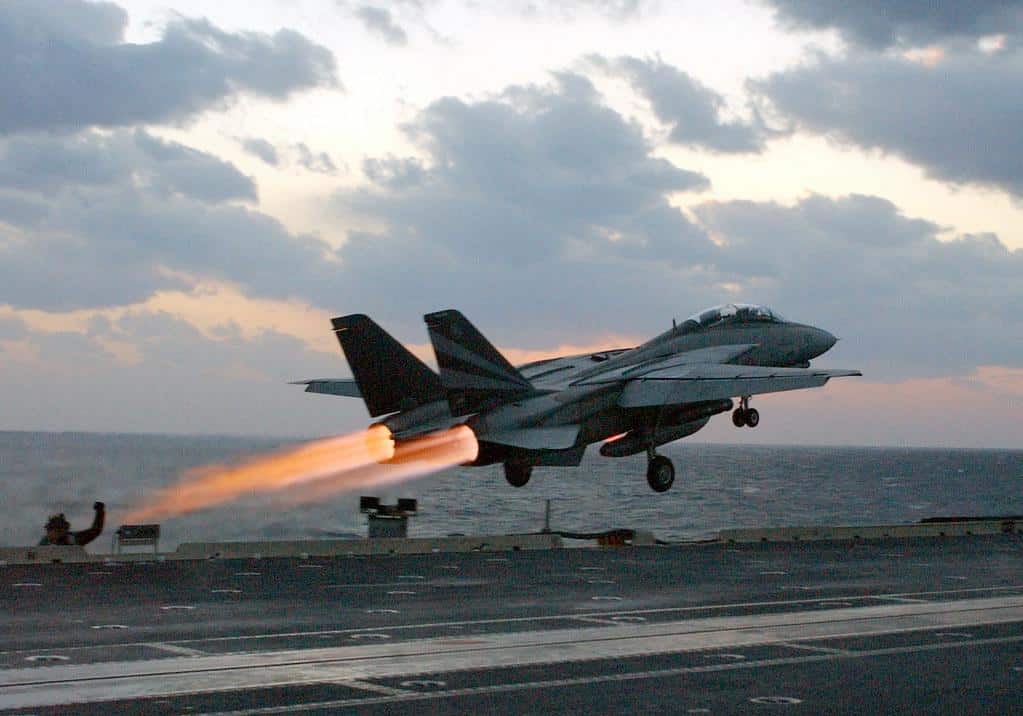
- Primary role: Fleet Defense Fighter
- Era introduced: 1970s
- Technological breakthrough: Swing-wing design, AWG-9 radar
- Operational complexity: Variable-geometry wings and dense avionics
- Primary headache exposed: Maintenance hours and parts wear
- Operational impact: Low readiness rates aboard carriers
- Mitigation or outcome: Retired; replaced by F/A-18
The F-14 Tomcat was a technological leap, pairing swing wings with a powerful long-range radar to defend carrier groups. That same complexity made it one of the Navy’s most maintenance-intensive aircraft. Variable-geometry wings, aging avionics, and specialized parts drove low readiness rates, turning an elite interceptor into a constant sustainment challenge despite its combat success.
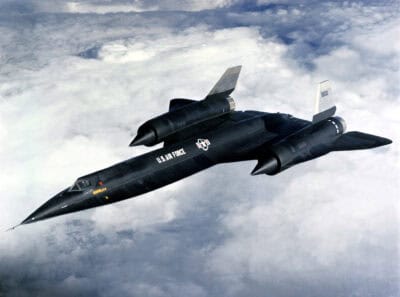
SR-71 Blackbird

- Primary role: Strategic Reconnaissance
- Era introduced: 1960s
- Technological breakthrough: Mach 3+ flight, titanium structure
- Operational complexity: Extreme speed and altitude envelope
- Primary headache exposed: Specialized maintenance and fuel
- Operational impact: Limited sortie generation
- Mitigation or outcome: Retired after niche service
The SR-71 pushed aerospace engineering to its limits, flying faster and higher than any operational aircraft. Achieving that performance required exotic materials, special fuel, and unique maintenance procedures. These demands made each sortie costly and rare, ensuring the Blackbird remained a technological marvel whose operational use was constrained by logistics.
B-1B Lancer
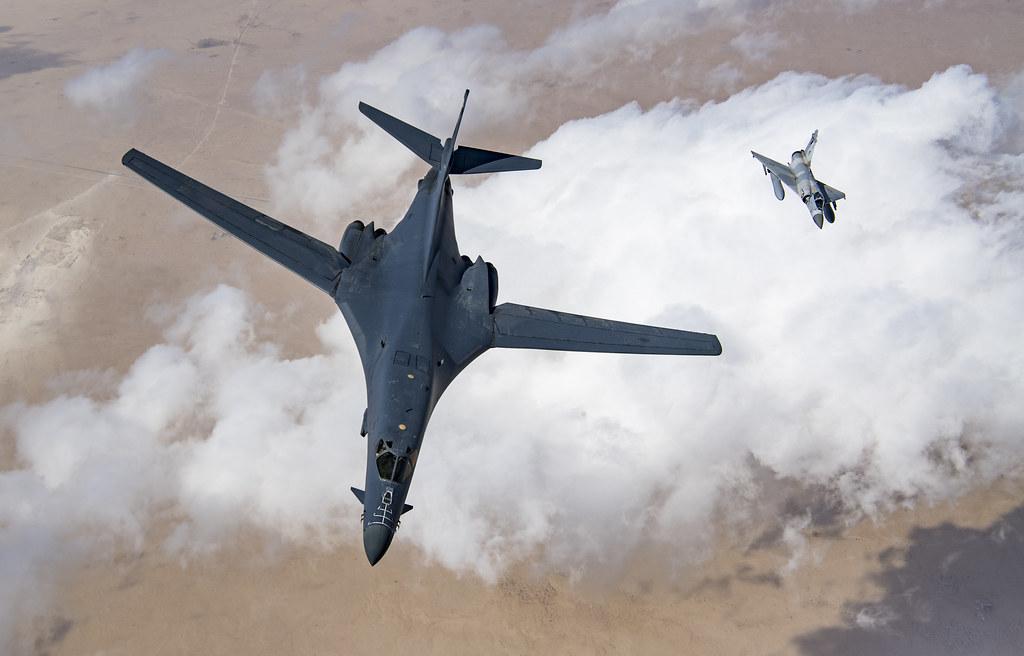
- Primary role: Strategic Bomber
- Era introduced: 1980s
- Technological breakthrough: Variable-geometry wings, advanced avionics
- Operational complexity: Highly integrated systems
- Primary headache exposed: Maintenance-intensive subsystems
- Operational impact: Low mission-capable rates
- Mitigation or outcome: Upgrades and role shifts
The B-1B combined speed, payload, and advanced avionics in a highly ambitious bomber design. Its tightly integrated systems proved difficult to maintain, leading to persistent readiness issues. While upgrades improved reliability, the aircraft’s technological ambition created long-term sustainment challenges that followed it throughout its service life.
F-111 Aardvark
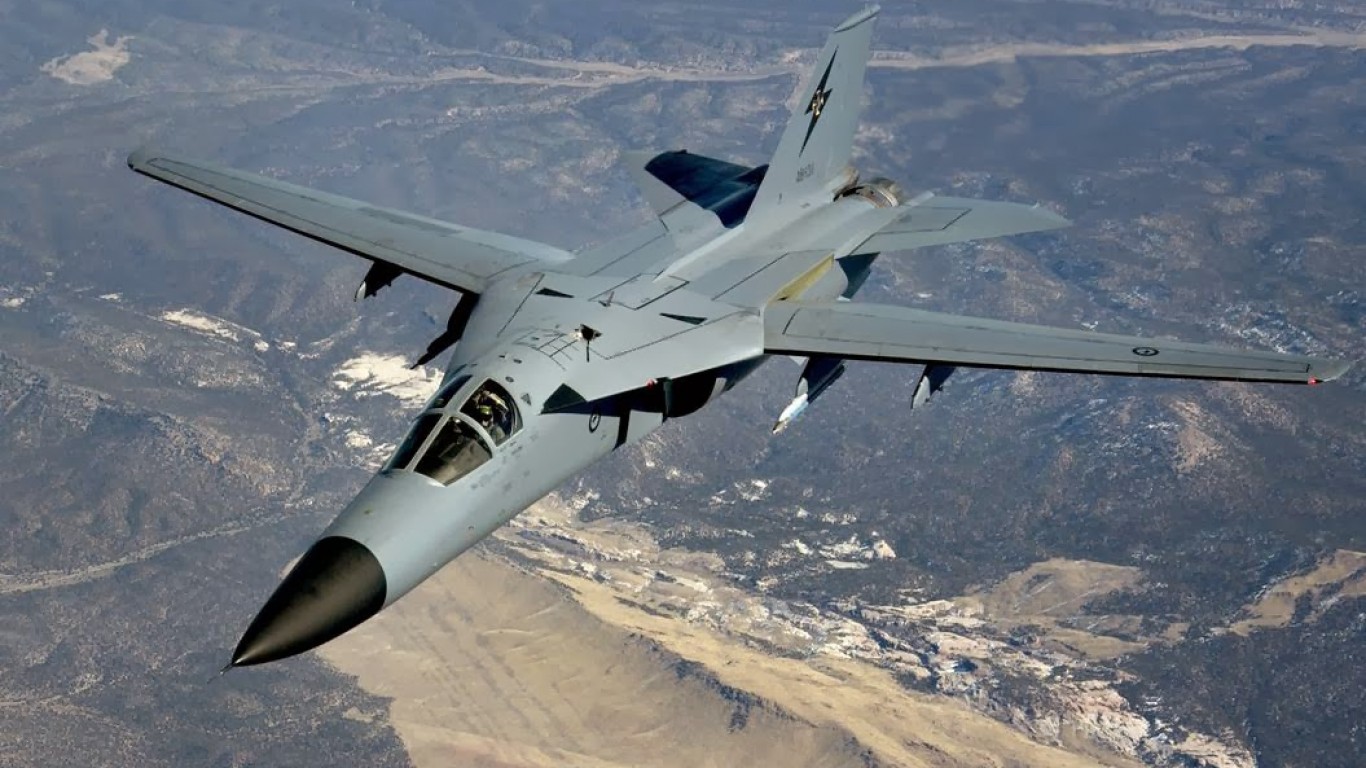
- Primary role: Strike Aircraft
- Era introduced: 1960s
- Technological breakthrough: Terrain-following radar, swing wings
- Operational complexity: Early integrated avionics
- Primary headache exposed: Reliability and safety issues
- Operational impact: Delayed operational readiness
- Mitigation or outcome: Incremental fixes, eventual retirement
The F-111 introduced revolutionary concepts such as terrain-following radar and variable-geometry wings. These advances arrived before supporting technologies matured, producing early reliability and safety problems. Although the aircraft eventually became effective, its early career demonstrated how ambitious innovation can overwhelm operational readiness.
Eurofighter Typhoon

- Primary role: Multirole Fighter
- Era introduced: 2000s
- Technological breakthrough: Advanced aerodynamics, sensor fusion
- Operational complexity: Multinational design complexity
- Primary headache exposed: Cost and sustainment burden
- Operational impact: Limited availability
- Mitigation or outcome: Ongoing upgrades
The Eurofighter Typhoon is among the most capable fighters of its generation, but its technological sophistication comes with high sustainment costs. Multinational development, complex avionics, and logistics fragmentation limited readiness rates, illustrating how cutting-edge performance can complicate day-to-day operations.
F-22 Raptor

- Primary role: Air Superiority Fighter
- Era introduced: 2000s
- Technological breakthrough: Stealth, supercruise, sensor fusion
- Operational complexity: Stealth coatings and systems
- Primary headache exposed: Maintenance burden
- Operational impact: Low sortie rates
- Mitigation or outcome: Limited production, sustainment fixes
The F-22 represented a quantum leap in air combat capability. However, its fragile stealth coatings and complex systems required extensive maintenance. These sustainment demands limited sortie rates and fleet size, making the Raptor a dominant but operationally constrained platform.
B-2 Spirit

- Primary role: Stealth Bomber
- Era introduced: 1990s
- Technological breakthrough: Low-observable flying wing
- Operational complexity: Stealth maintenance requirements
- Primary headache exposed: Specialized hangars and coatings
- Operational impact: Limited availability
- Mitigation or outcome: Small fleet sustainment
The B-2 Spirit revolutionized strategic bombing with stealth, but maintaining its low-observable surfaces proved labor-intensive. Specialized facilities and long maintenance cycles sharply limited sortie generation, making the bomber operationally precious despite its unmatched strategic reach.
AV-8B Harrier II
- Primary role: VTOL Attack Aircraft
- Era introduced: 1980s
- Technological breakthrough: Vertical/short takeoff capability
- Operational complexity: VTOL flight regime
- Primary headache exposed: Engine and airframe stress
- Operational impact: Higher accident rates
- Mitigation or outcome: Operational restrictions
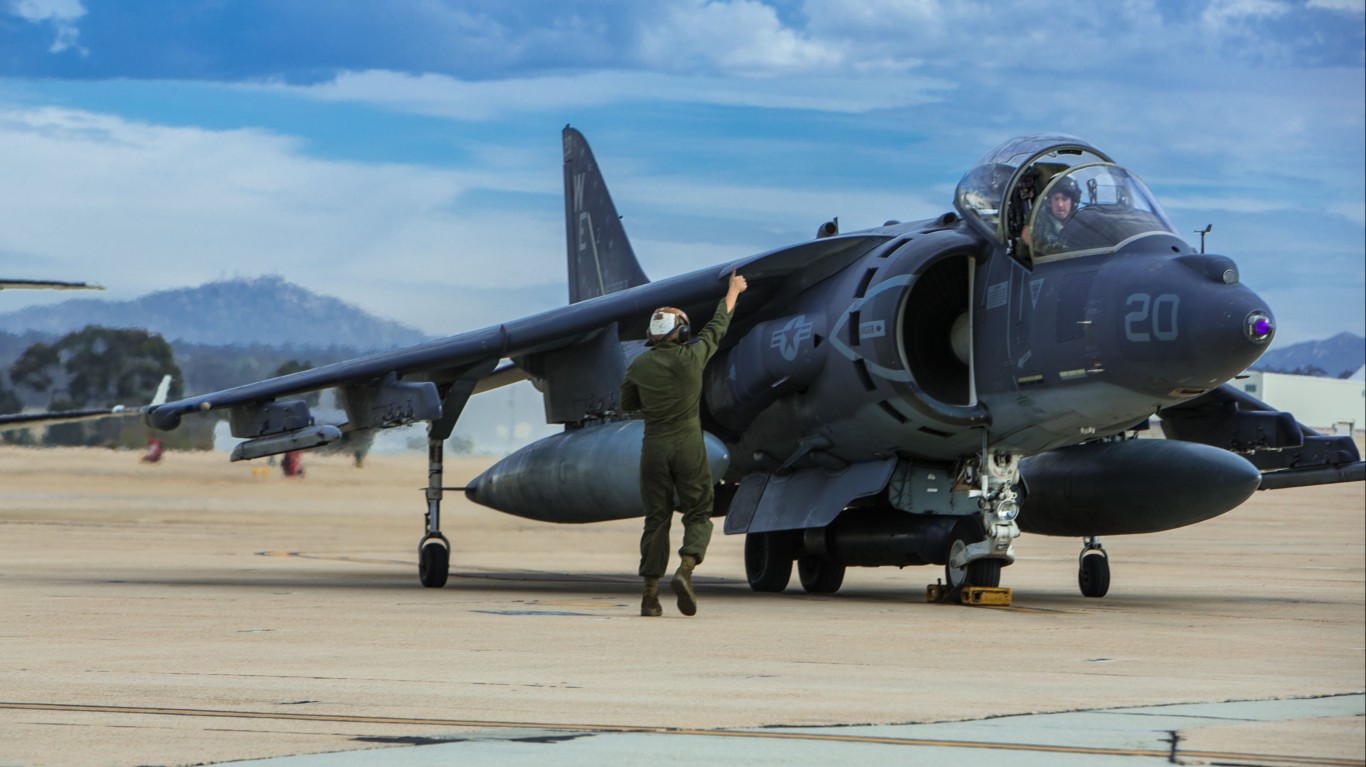
The Harrier’s vertical takeoff capability offered unmatched basing flexibility. That innovation placed severe stress on engines and structures, increasing maintenance demands and accident risk. The result was a uniquely capable aircraft that required careful operational limits to remain viable.
Concorde

- Primary role: Supersonic Transport
- Era introduced: 1970s
- Technological breakthrough: Sustained Mach 2 cruise
- Operational complexity: Heat and structural stress
- Primary headache exposed: Cost and maintenance
- Operational impact: Limited routes
- Mitigation or outcome: Retired
Concorde was a triumph of supersonic engineering, routinely crossing oceans at twice the speed of sound. Heat, fuel consumption, and maintenance demands made it expensive to operate, restricting routes and economic viability despite its technological brilliance.
Tu-144
- Primary role: Supersonic Transport
- Era introduced: 1970s
- Technological breakthrough: Early supersonic transport design
- Operational complexity: Immature systems integration
- Primary headache exposed: Reliability and safety issues
- Operational impact: Short service life
- Mitigation or outcome: Withdrawn from service
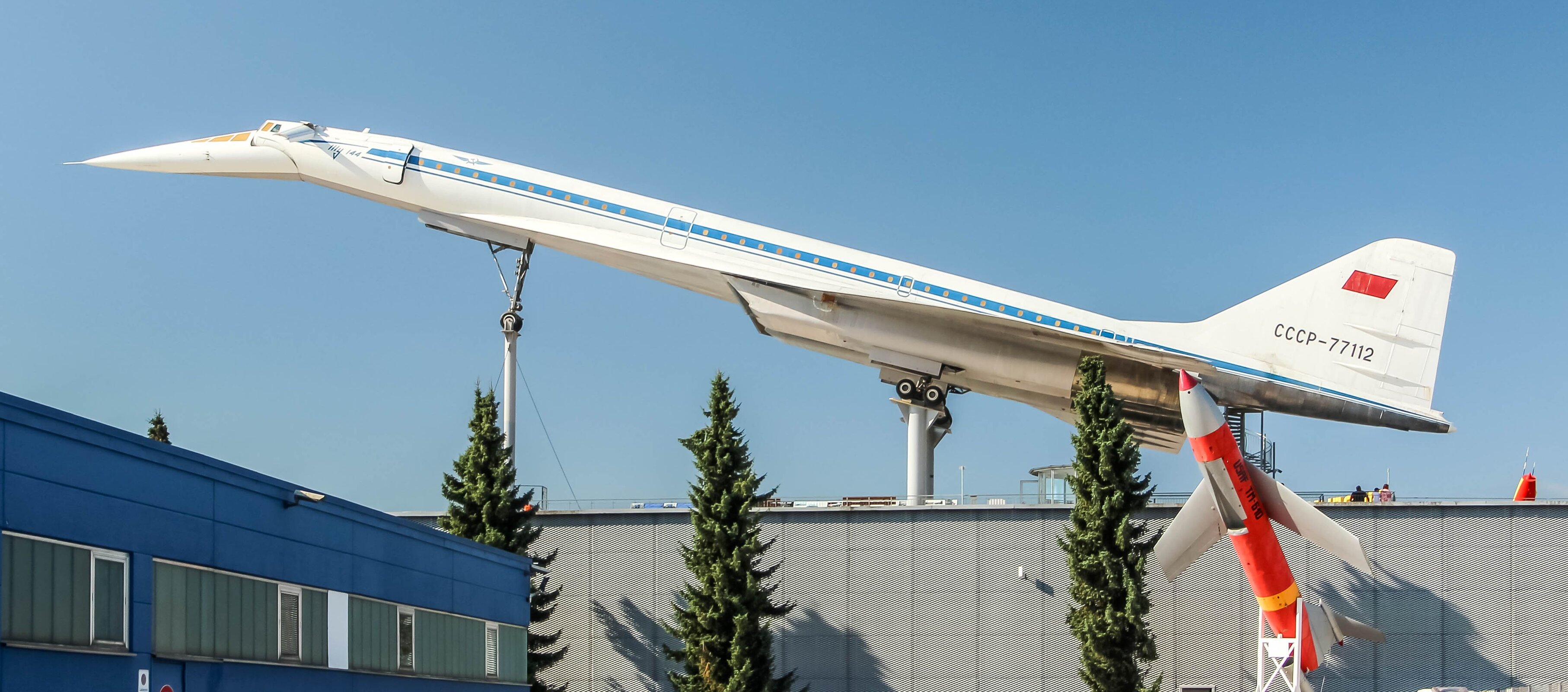
The Tu-144 reached supersonic passenger flight before Concorde but suffered from immature systems and reliability problems. Its technological ambition outpaced operational maturity, leading to accidents and limited service life despite its historic engineering achievement.
MiG-25 Foxbat
- Primary role: Interceptor
- Era introduced: 1970s
- Technological breakthrough: Extreme speed and altitude
- Operational complexity: High-stress operating envelope
- Primary headache exposed: Engine wear
- Operational impact: Limited endurance
- Mitigation or outcome: Operational workarounds
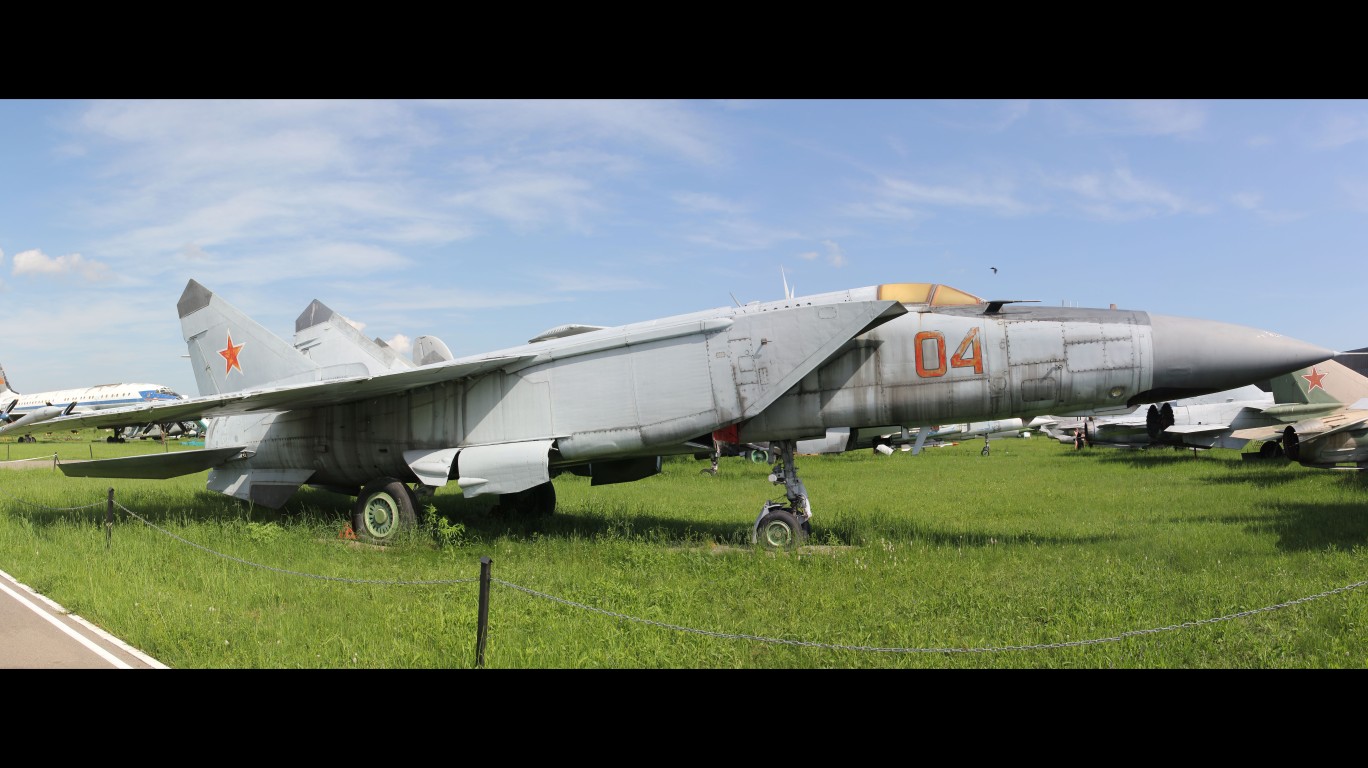
The MiG-25 shocked Western analysts with its speed and altitude capability. Achieving that performance came at the cost of engine life and operational flexibility, making it a specialized interceptor whose impressive numbers masked sustainment limitations.
MiG-31 Foxhound
- Primary role: Interceptor
- Era introduced: 1980s
- Technological breakthrough: Advanced radar, high-speed interception
- Operational complexity: Complex avionics
- Primary headache exposed: Maintenance demands
- Operational impact: Reduced availability
- Mitigation or outcome: Upgrades
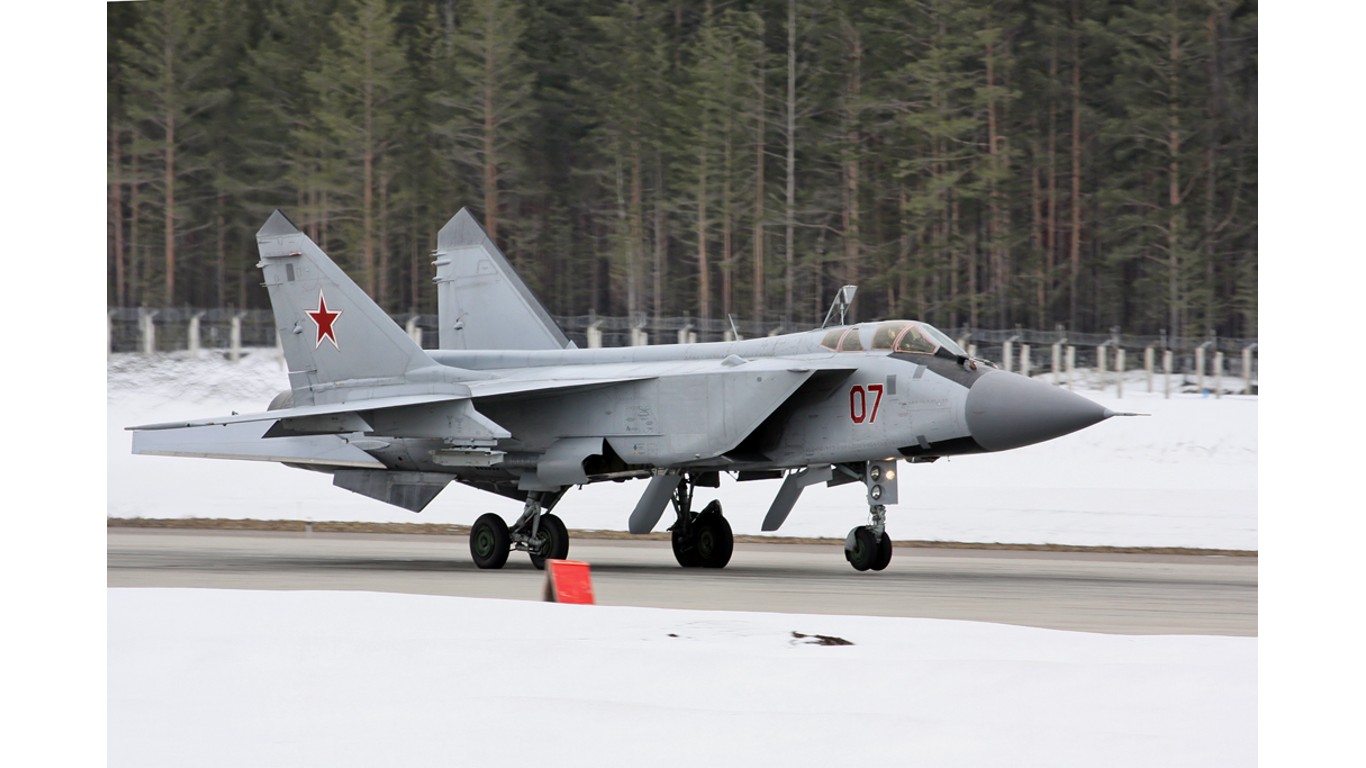
The MiG-31 built on the Foxbat’s speed with powerful radar and missile capability. That sophistication increased maintenance demands, limiting readiness while preserving its unique long-range interception role.
A-12 Avenger II
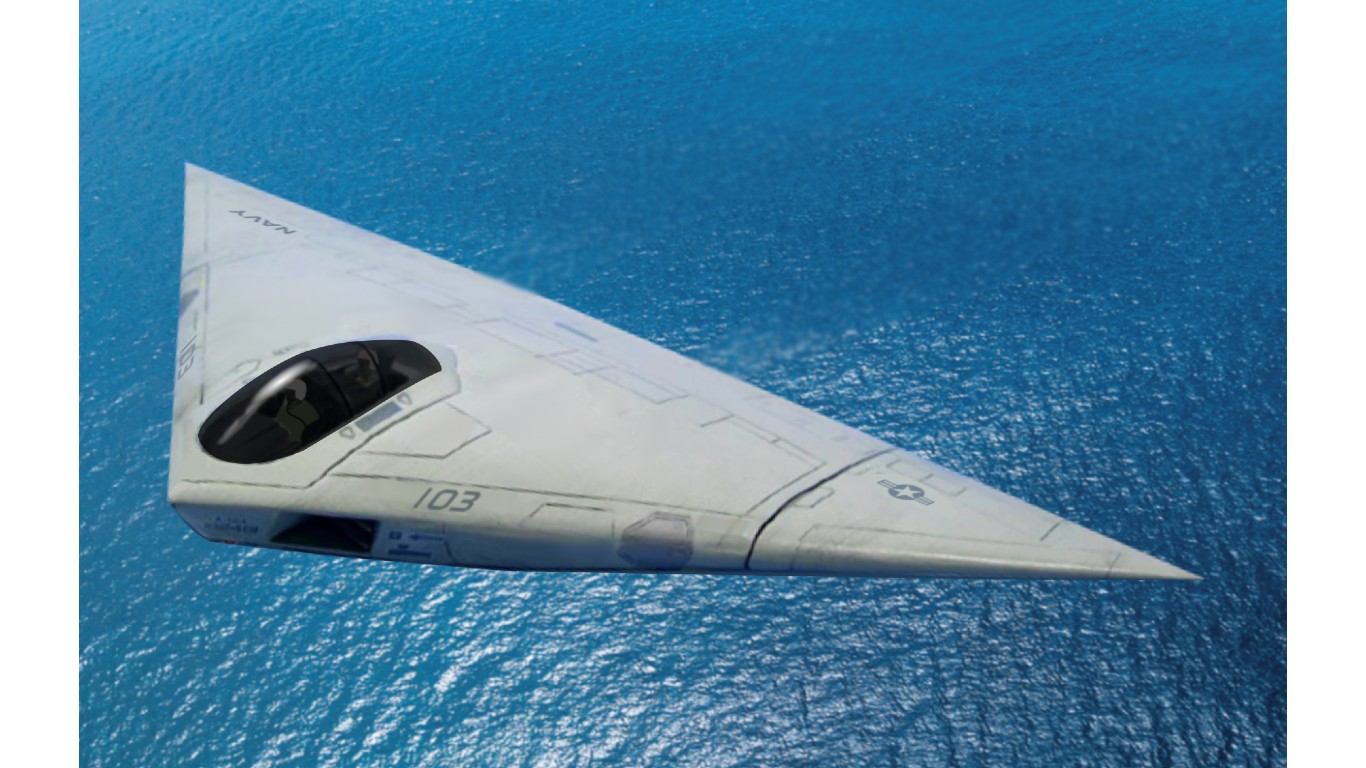
- Primary role: Stealth Strike Aircraft
- Era introduced: 1990s
- Technological breakthrough: Advanced stealth design
- Operational complexity: Immature stealth integration
- Primary headache exposed: Cost and weight growth
- Operational impact: Program collapse
- Mitigation or outcome: Canceled
The A-12 promised stealth and carrier-based strike capability but collapsed under weight growth, cost overruns, and technical risk. Its cancellation highlighted how pushing multiple cutting-edge technologies simultaneously can overwhelm program execution.
XB-70 Valkyrie
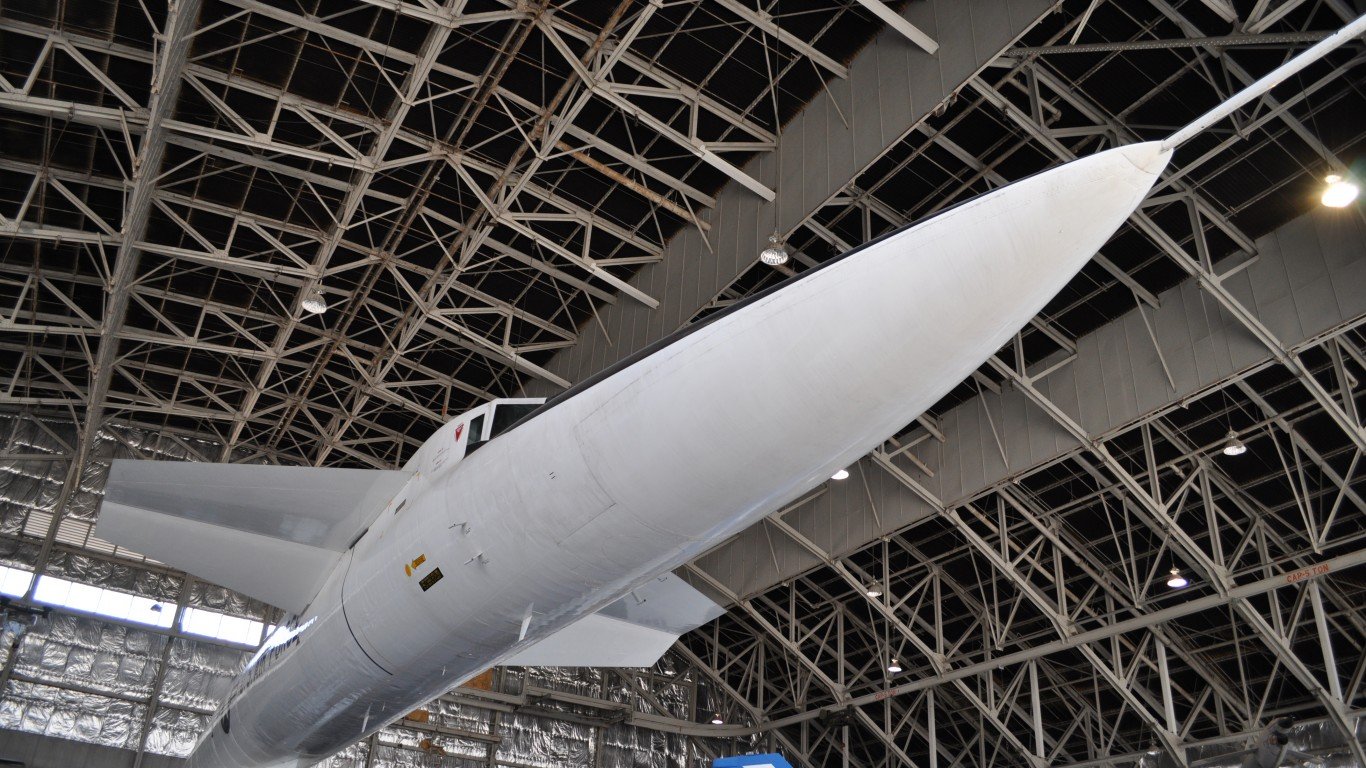
- Primary role: Strategic Bomber Prototype
- Era introduced: 1960s
- Technological breakthrough: Mach 3 bomber design
- Operational complexity: Extreme thermal stress
- Primary headache exposed: Structural complexity
- Operational impact: Prototype-only use
- Mitigation or outcome: Program canceled
The XB-70 demonstrated astonishing performance as a Mach 3 bomber concept. Heat and structural stress made it impractical for sustained operations, turning a technological showpiece into an experimental dead end.
YF-12
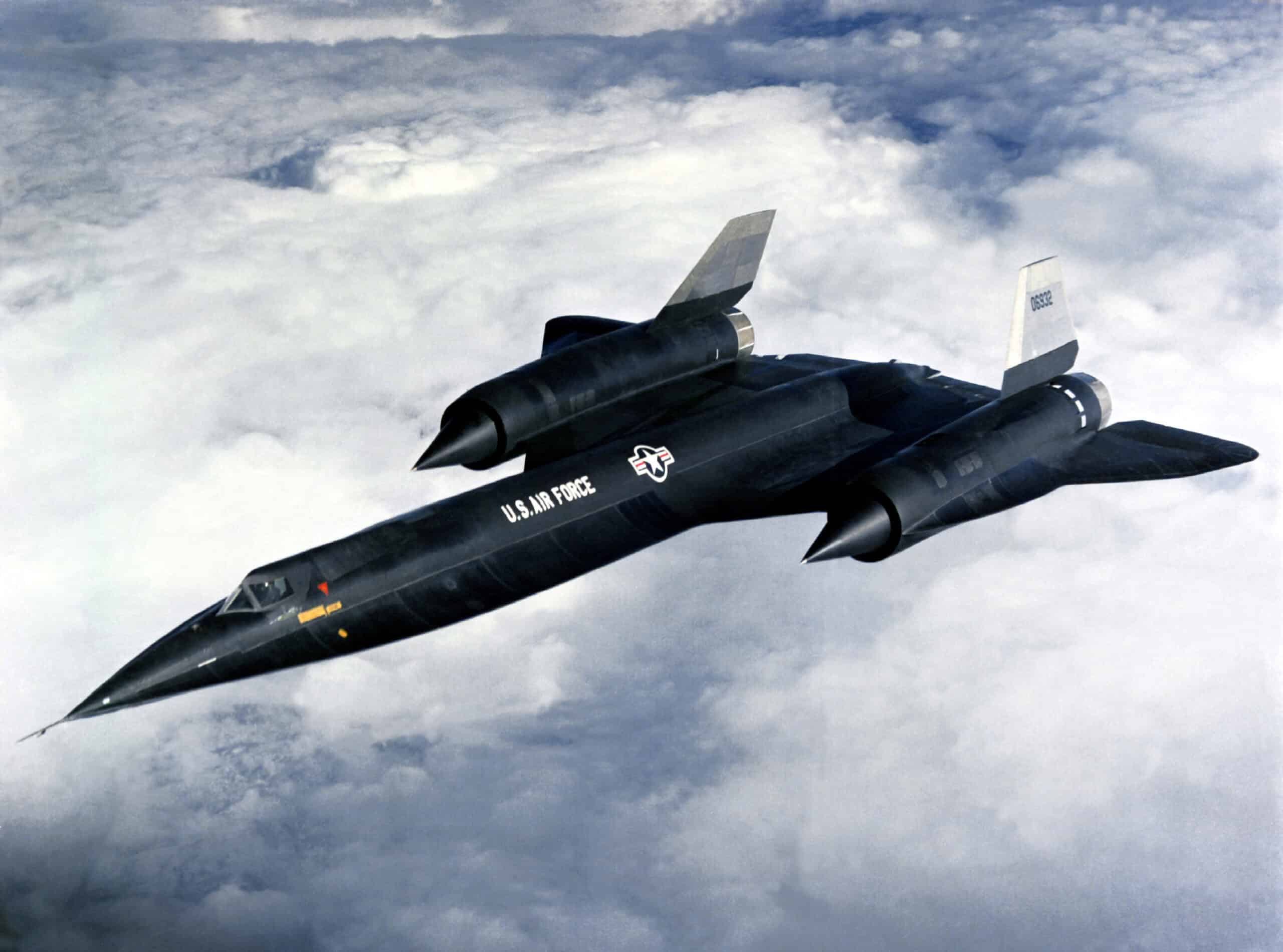
- Primary role: Interceptor
- Era introduced: 1960s
- Technological breakthrough: High-speed reconnaissance-derived design
- Operational complexity: Extreme operating conditions
- Primary headache exposed: Maintenance complexity
- Operational impact: Limited operational use
- Mitigation or outcome: Program curtailed
Derived from the Blackbird family, the YF-12 showcased extreme speed and altitude. Those same attributes demanded intensive maintenance and specialized support, limiting its practicality as an operational interceptor.
Tornado IDS
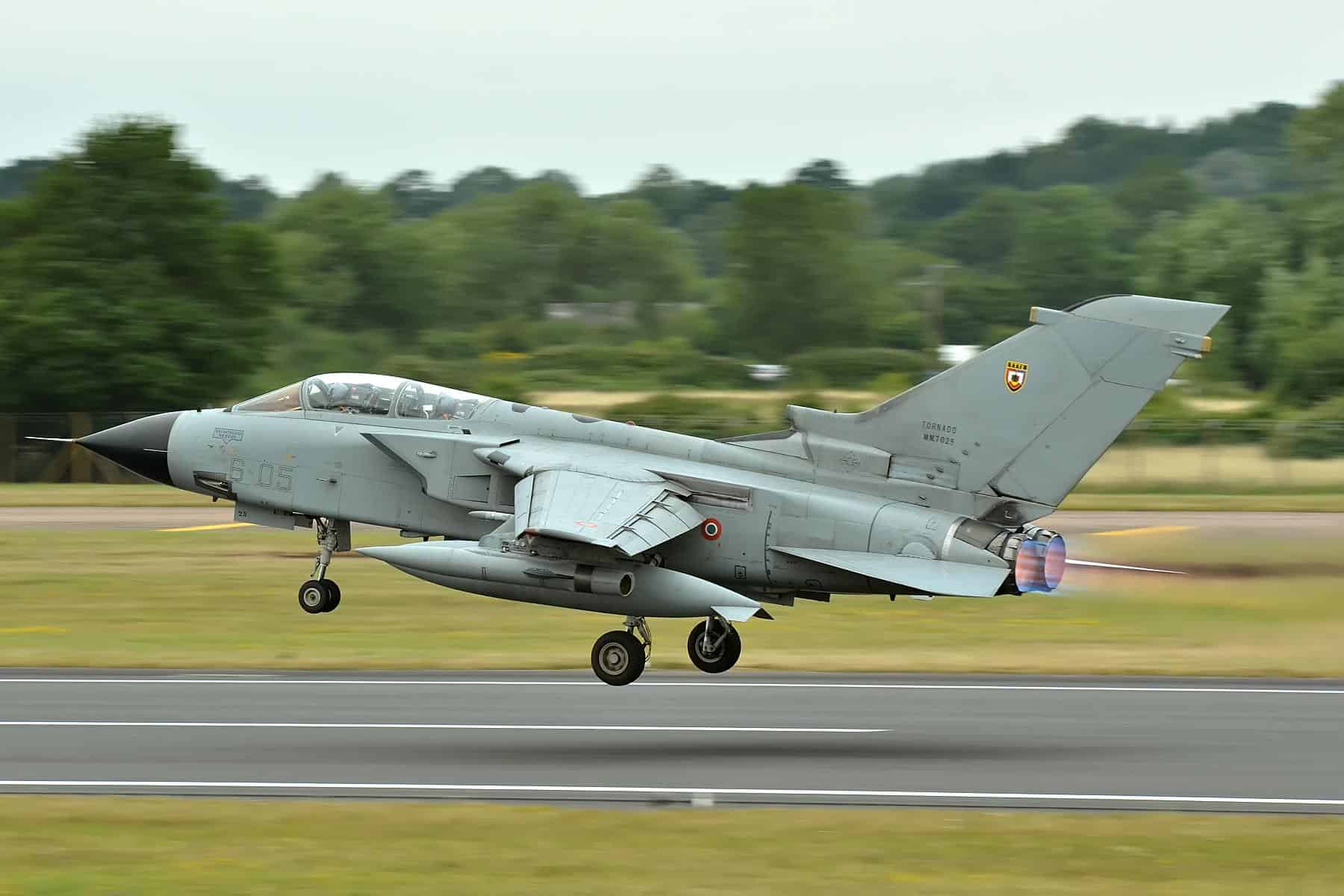
- Primary role: Strike Aircraft
- Era introduced: 1980s
- Technological breakthrough: Low-level penetration avionics
- Operational complexity: Low-altitude mission profile
- Primary headache exposed: Maintenance-intensive systems
- Operational impact: High sustainment costs
- Mitigation or outcome: Upgrades
The Tornado IDS excelled at low-level strike missions using advanced avionics. Continuous terrain-following flight increased wear and maintenance demands, making the aircraft effective but costly to sustain.
F-35B

- Primary role: STOVL Fighter
- Era introduced: 2010s
- Technological breakthrough: Stealth with short takeoff/vertical landing
- Operational complexity: STOVL complexity
- Primary headache exposed: Reliability and cost
- Operational impact: Low early readiness
- Mitigation or outcome: Incremental fixes
The F-35B combined stealth with vertical landing capability, an unprecedented technical challenge. Early service exposed reliability and sustainment issues, showing how ambitious integration can complicate operations even as capability improves.
V-22 Osprey
- Primary role: Tiltrotor Transport
- Era introduced: 2000s
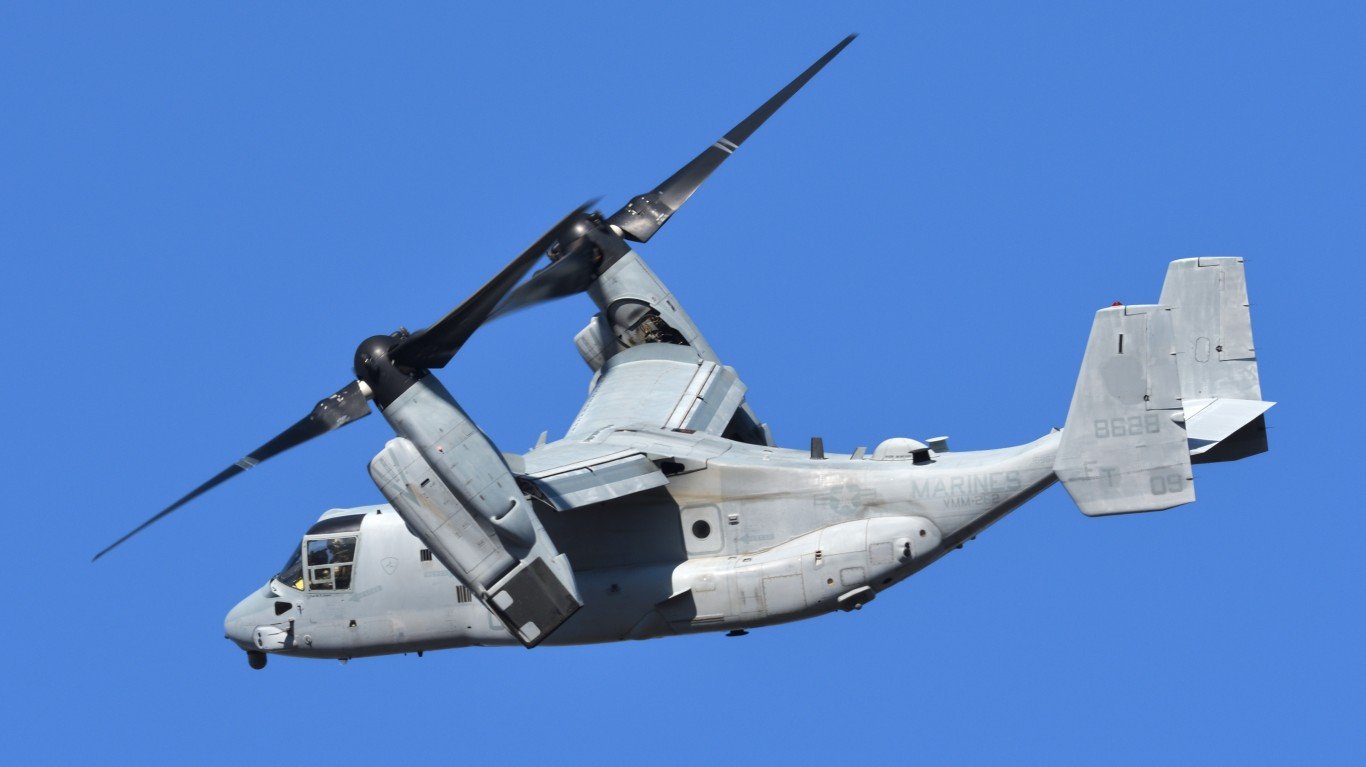
- Technological breakthrough: Tiltrotor propulsion
- Operational complexity: Hybrid flight regime
- Primary headache exposed: Mechanical complexity
- Operational impact: Availability issues
- Mitigation or outcome: Reliability improvements
The V-22 merged helicopter and airplane performance in one airframe. Its tiltrotor system delivered unique reach and speed, but mechanical complexity drove long development and persistent sustainment challenges.
B-58 Hustler
- Primary role: Strategic Bomber
- Era introduced: 1960s
- Technological breakthrough: Supersonic bomber design
- Operational complexity: High-speed operations
- Primary headache exposed: Maintenance and cost
- Operational impact: Short service life
- Mitigation or outcome: Retired early
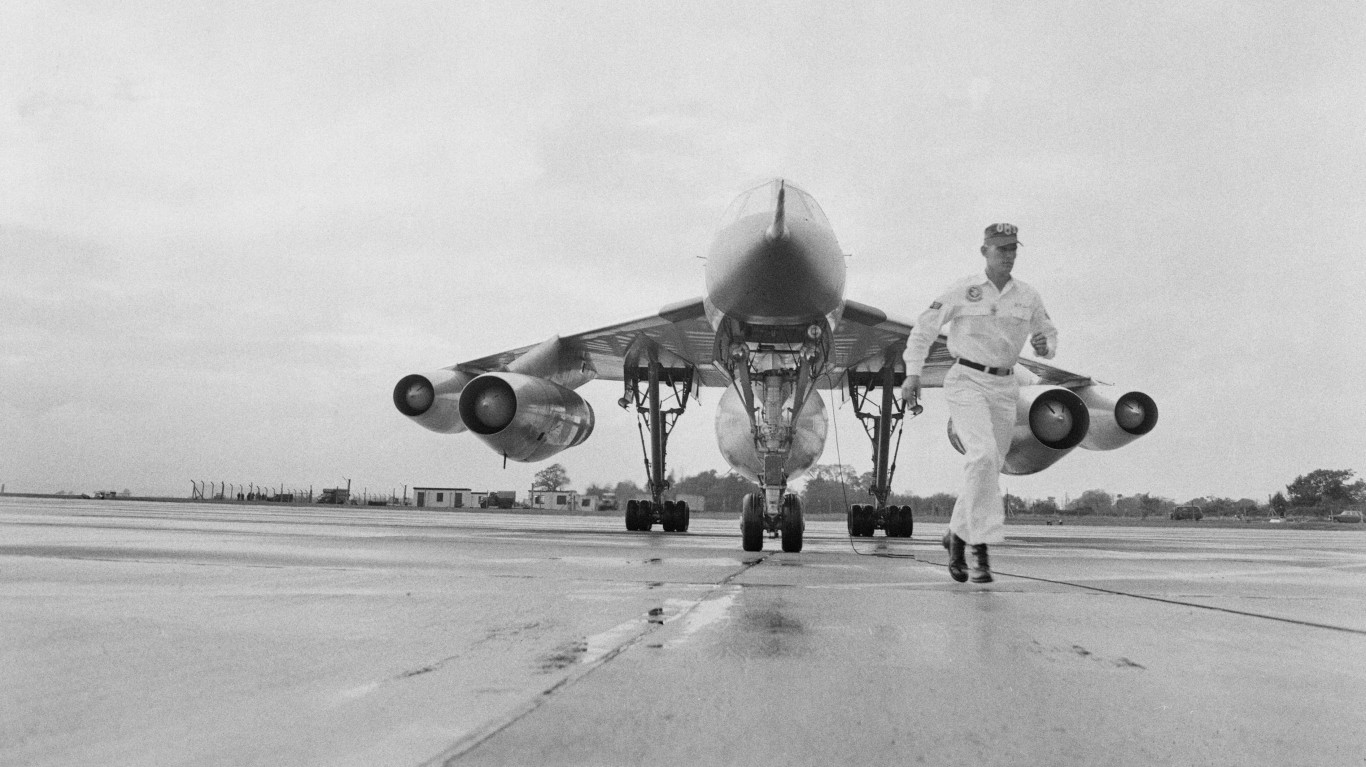
The B-58 was the world’s first operational supersonic bomber, pushing speed and altitude limits. Its advanced systems and operating costs made it difficult to sustain, leading to early retirement despite impressive performance.
U-2 Dragon Lady
- Primary role: Reconnaissance Aircraft
- Era introduced: 1950s
- Technological breakthrough: High-altitude surveillance
- Operational complexity: Extreme altitude flight
- Primary headache exposed: Pilot and maintenance burden
- Operational impact: Limited basing flexibility
- Mitigation or outcome: Continued niche use
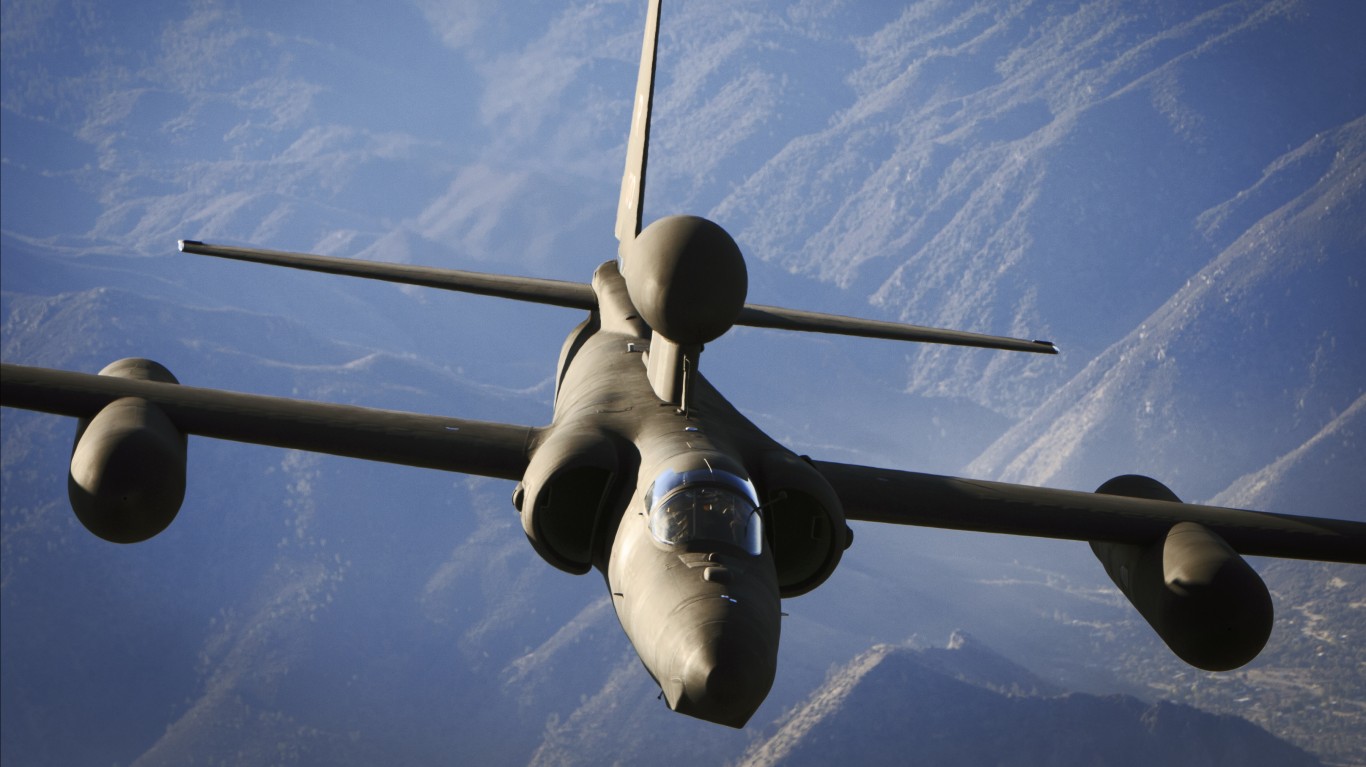
The U-2 enabled unprecedented high-altitude reconnaissance, but flying at the edge of the atmosphere imposed unique pilot and maintenance challenges. Its continued service reflects utility balanced against operational difficulty.
F-104 Starfighter
- Primary role: Interceptor
- Era introduced: 1960s
- Technological breakthrough: High-speed, high-altitude design
- Operational complexity: Narrow performance margins
- Primary headache exposed: Safety concerns
- Operational impact: High accident rates
- Mitigation or outcome: Phased retirement
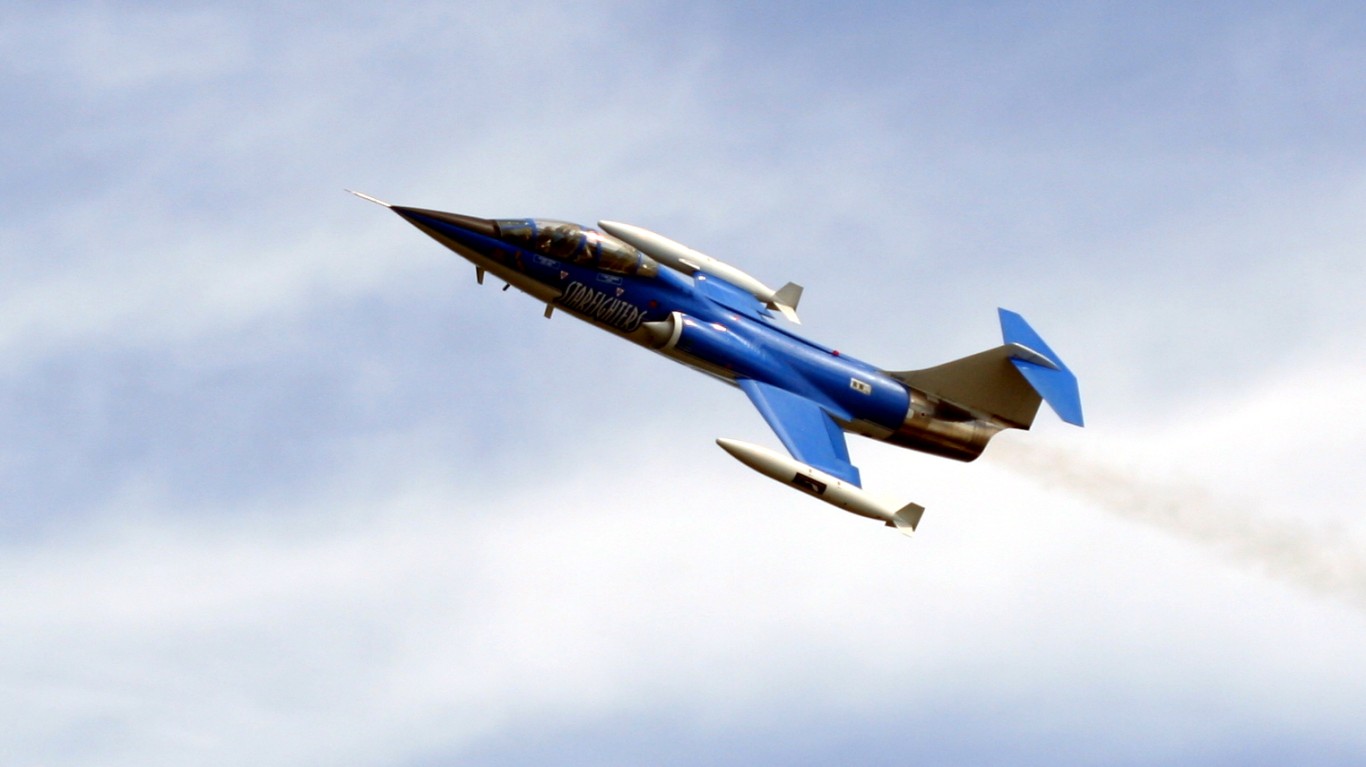
The F-104 delivered remarkable speed and climb performance. Those traits came with unforgiving handling and safety challenges, making it difficult to operate despite its technological edge.
Su-57 Felon
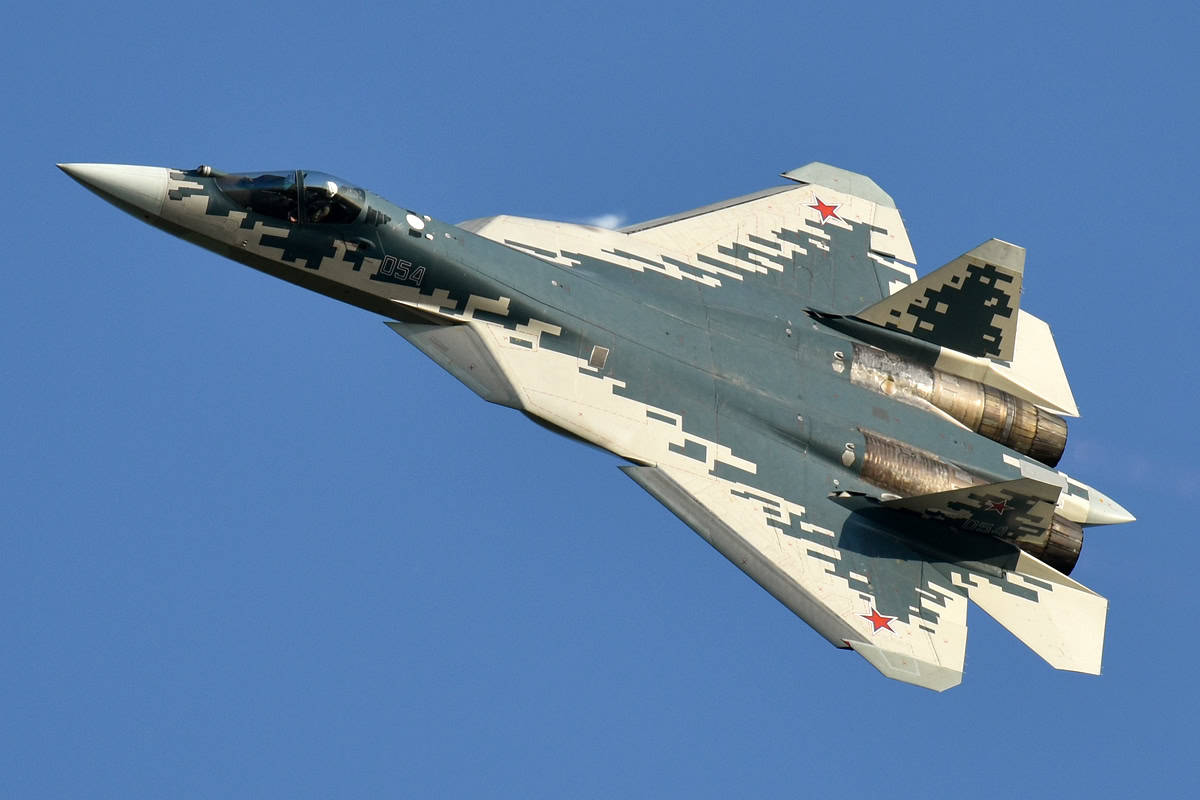
- Primary role: Stealth Fighter
- Era introduced: 2020s
- Technological breakthrough: Advanced stealth and sensors
- Operational complexity: Immature systems integration
- Primary headache exposed: Reliability and sustainment
- Operational impact: Limited deployment
- Mitigation or outcome: Incremental fielding
The Su-57 incorporates advanced stealth shaping and avionics, but limited production and immature systems have complicated sustainment. Its technology shows promise, while operational maturity remains a challenge.
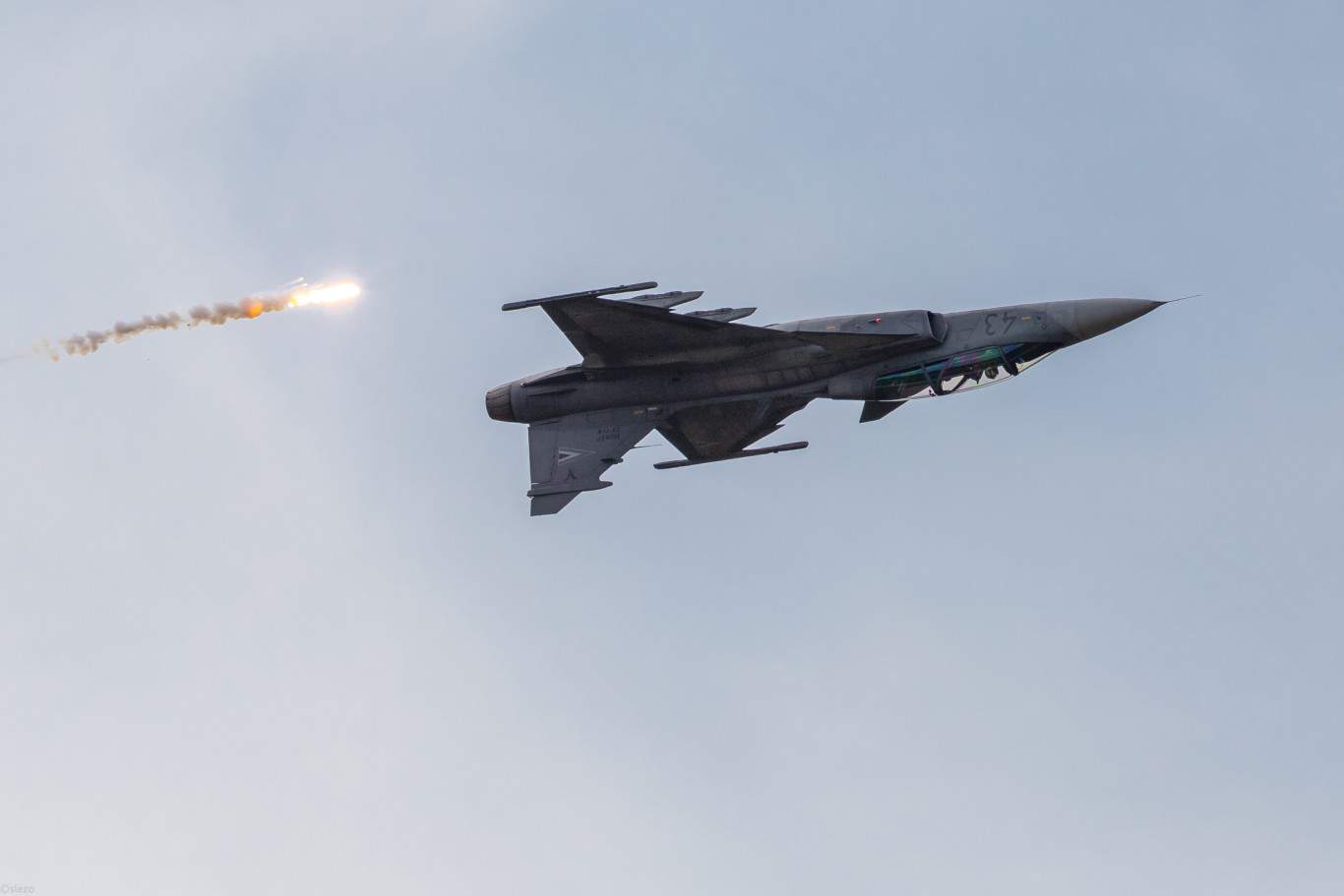
JAS 39 Gripen (early)
- Primary role: Multirole Fighter
- Era introduced: 1990s
- Technological breakthrough: Advanced avionics in lightweight design
- Operational complexity: Early software complexity
- Primary headache exposed: Integration issues
- Operational impact: Initial readiness limits
- Mitigation or outcome: Upgrades
Early Gripen variants featured sophisticated avionics for a lightweight fighter. Software and integration challenges slowed early operations, later corrected through upgrades that stabilized sustainment.
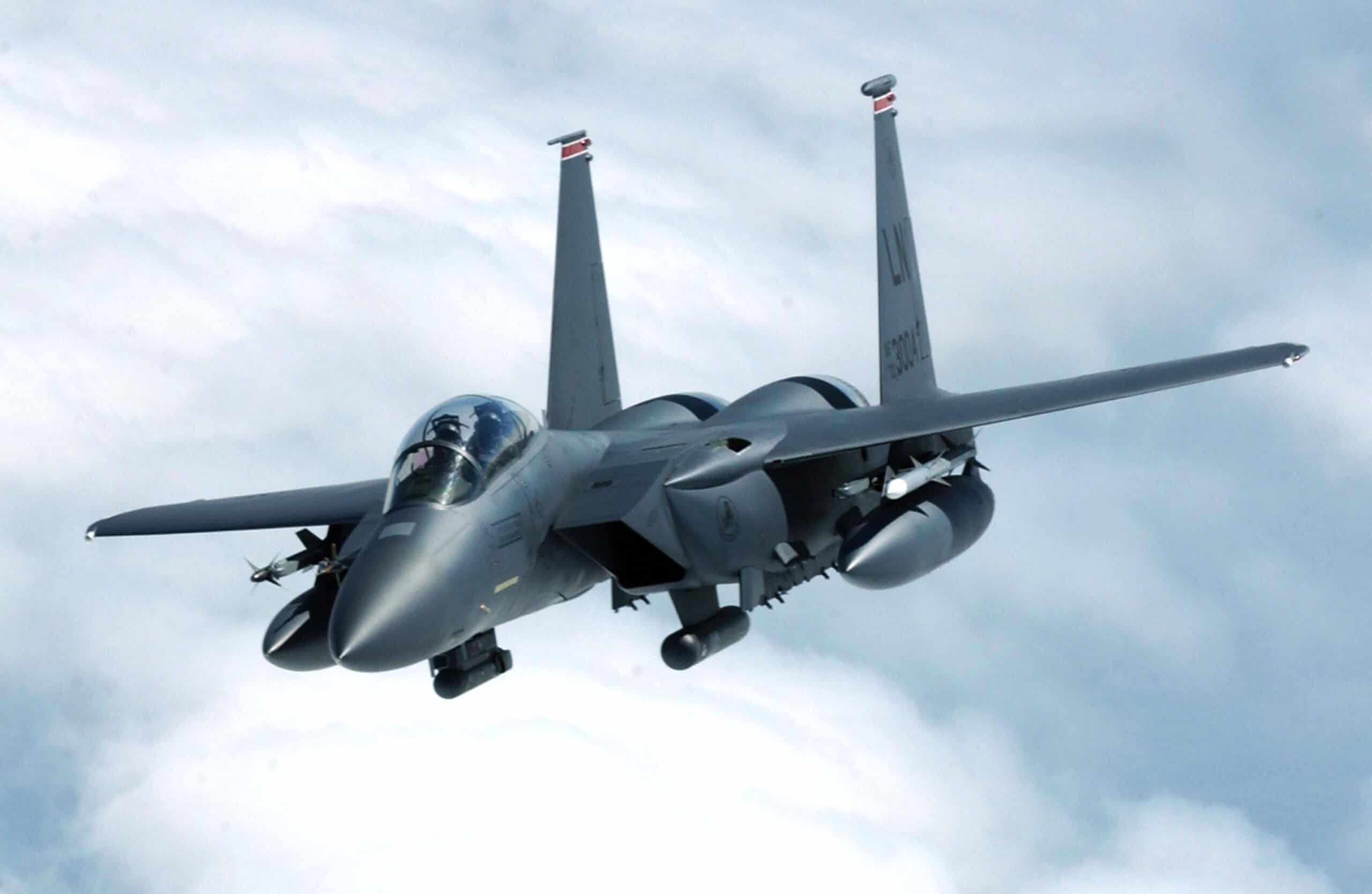
F-15E Strike Eagle
- Primary role: Strike Fighter
- Era introduced: 1990s
- Technological breakthrough: Advanced sensors and payload
- Operational complexity: Early integration challenges
- Primary headache exposed: Systems complexity
- Operational impact: Slower readiness growth
- Mitigation or outcome: Incremental improvements
The F-15E paired heavy strike capability with advanced sensors. Early integration created sustainment challenges before the platform matured into a reliable workhorse.
EA-6B Prowler

- Primary role: Electronic Warfare
- Era introduced: 1970s
- Technological breakthrough: Advanced jamming systems
- Operational complexity: Complex electronic suites
- Primary headache exposed: Maintenance demands
- Operational impact: Limited availability
- Mitigation or outcome: Retired
The EA-6B provided unmatched electronic attack capability. Its dense electronics required constant maintenance, limiting readiness despite critical mission importance.
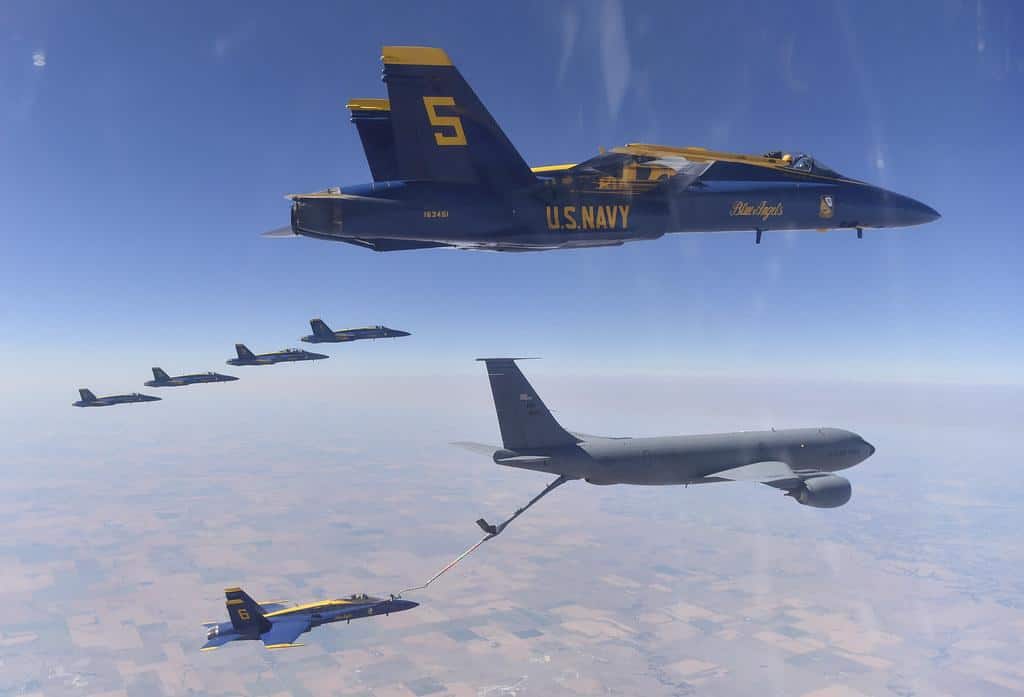
KC-135 (early era)
- Primary role: Aerial Refueling
- Era introduced: 1950s
- Technological breakthrough: Jet tanker innovation
- Operational complexity: Early jet operations
- Primary headache exposed: Maintenance learning curve
- Operational impact: Operational adjustments
- Mitigation or outcome: Upgrades
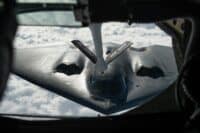
As one of the first jet tankers, the KC-135 introduced new propulsion and refueling concepts. Early operations revealed maintenance and training challenges that were later resolved through upgrades.
C-5 Galaxy
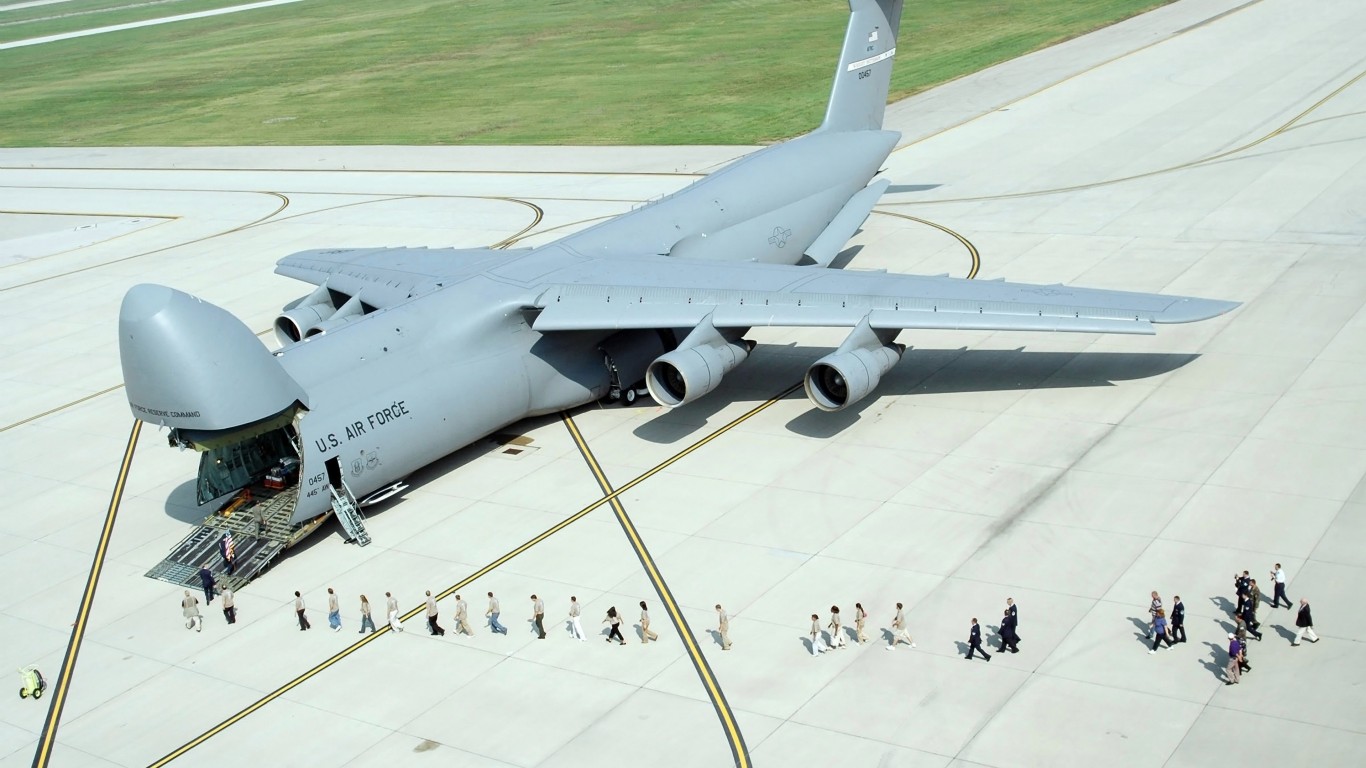
- Primary role: Strategic Airlift
- Era introduced: 1970s
- Technological breakthrough: Massive payload and range
- Operational complexity: System scale and complexity
- Primary headache exposed: Reliability issues
- Operational impact: Low early availability
- Mitigation or outcome: Modernization programs
The C-5 redefined strategic airlift with unmatched payload capacity. Its size and complex systems initially produced poor reliability, later improved through extensive modernization.
Mirage III
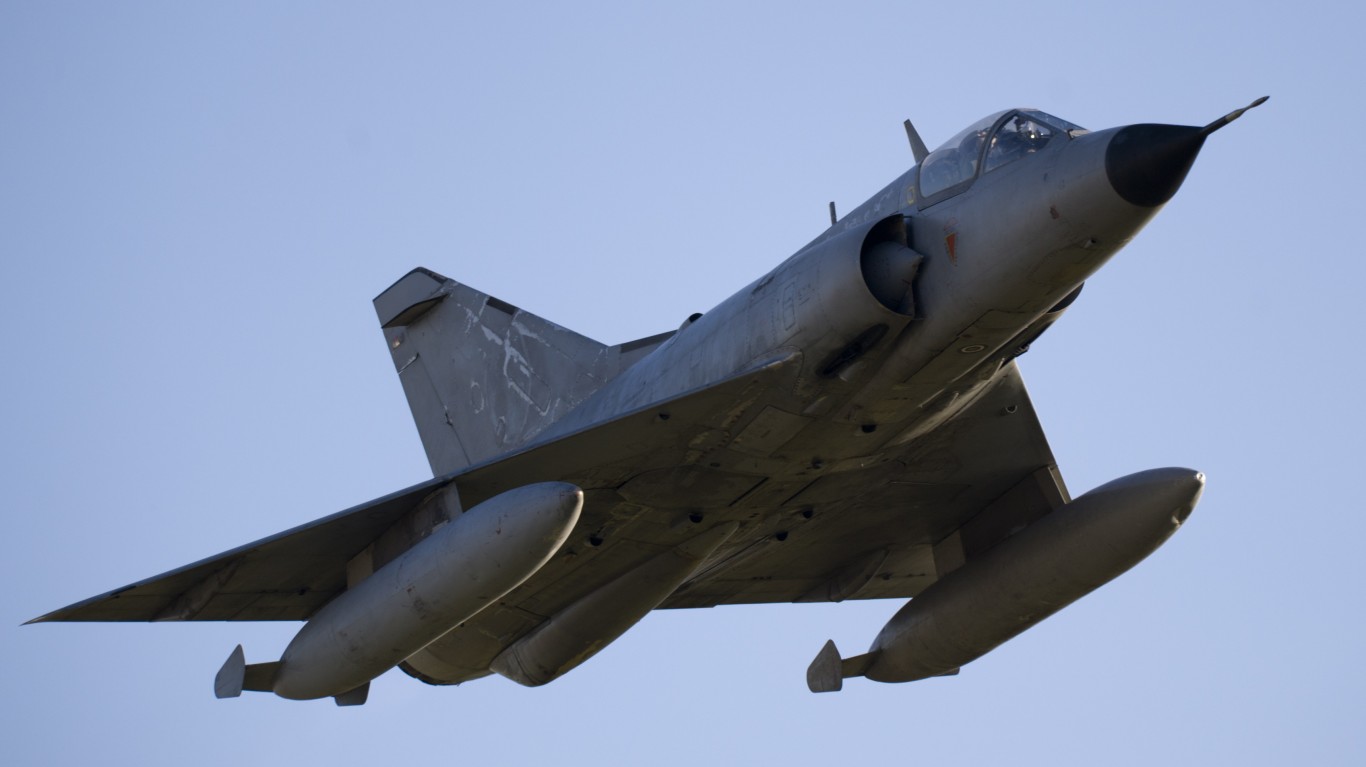
- Primary role: Fighter
- Era introduced: 1960s
- Technological breakthrough: Delta-wing supersonic design
- Operational complexity: High-speed aerodynamics
- Primary headache exposed: Operational limits
- Operational impact: Short endurance
- Mitigation or outcome: Doctrinal adaptation
The Mirage III’s delta wing enabled impressive speed and climb. Limited range and demanding flight characteristics required operational compromises despite its advanced design.
Yak-38 Forger
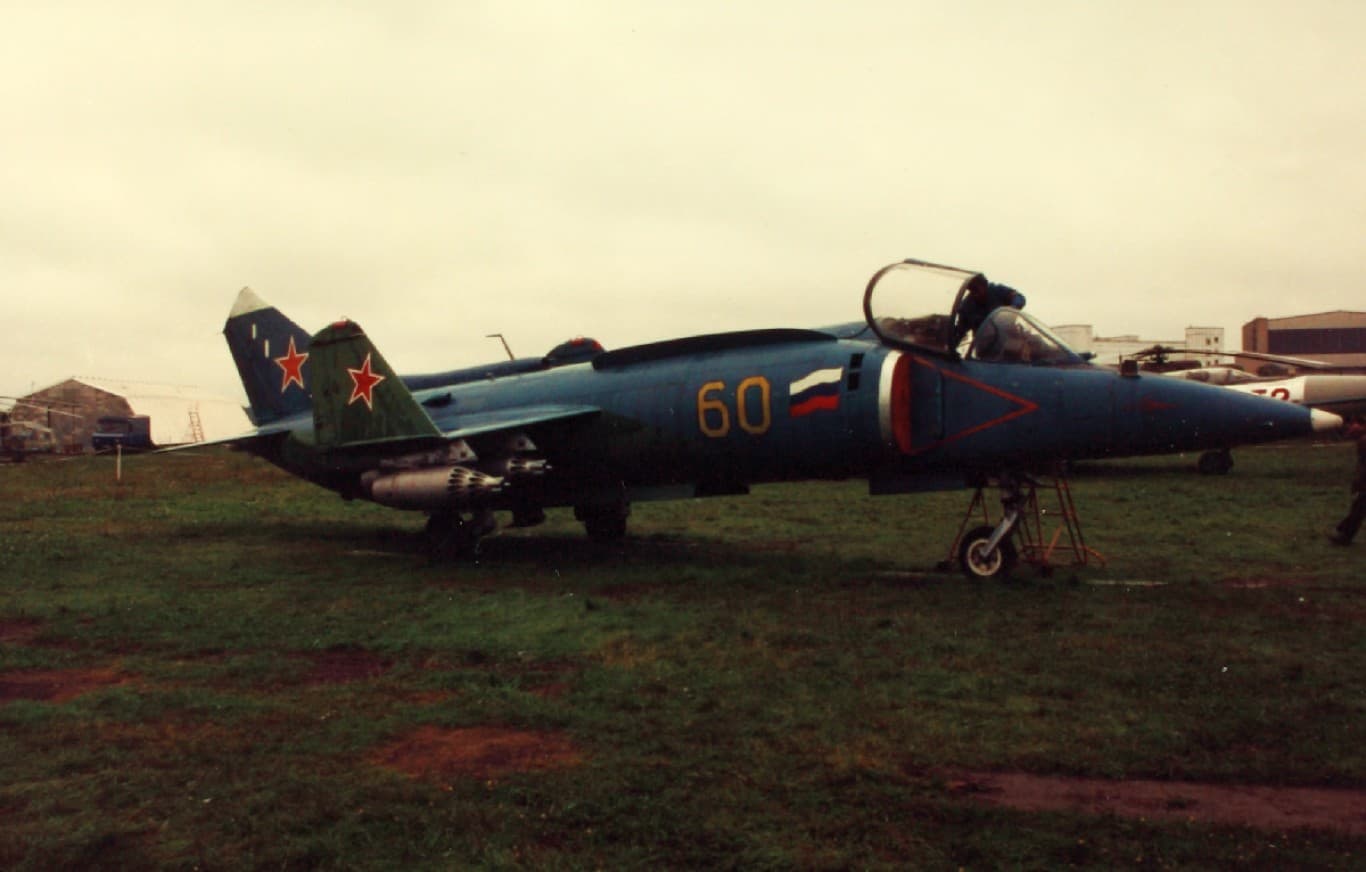
- Primary role: VTOL Fighter
- Era introduced: 1970s
- Technological breakthrough: VTOL jet propulsion
- Operational complexity: Immature VTOL systems
- Primary headache exposed: Reliability and safety
- Operational impact: Limited effectiveness
- Mitigation or outcome: Retired
The Yak-38 brought VTOL capability to Soviet carriers, but immature propulsion and reliability issues limited effectiveness. Its ambition exceeded operational practicality.
TSR-2

- Primary role: Strike Aircraft
- Era introduced: 1960s
- Technological breakthrough: Advanced low-level strike design
- Operational complexity: Overambitious integration
- Primary headache exposed: Cost overruns
- Operational impact: Program cancellation
- Mitigation or outcome: Canceled
The TSR-2 was technologically advanced in navigation and strike capability. Escalating costs and complexity doomed the program, illustrating how innovation without affordability can end operational potential.
Contact [email protected] for any questions or corrections.
Chris Lange is a financial and geopolitical writer with more than a decade of experience covering a myriad of topics. He has published thousands of articles for 24/7 Wall St., with past coverage focused heavily on stocks, IPOs, healthcare, defense, global affairs, and technology.
His work has been quoted, or referenced by a number of outlets including Business Insider, USA Today, Yahoo Finance, MSN, The Motley Fool, and many other publications. A graduate of Southwestern University, he studied business with a focus on investments and has previous experience in banking and startups.
When not reading or writing the news, he is following his passion for Lacrosse, playing chess, or building solar projects with his dad.