Aircraft That Forced the Military to Rethink Pilot Training
Military aviation has always advanced through moments of disruption, when a new aircraft arrives that changes the rules faster than pilots can adapt. Throughout history, certain machines proved so fast, complex, or unforgiving that traditional training methods no longer worked.…

Military aviation has always advanced through moments of disruption, when a new aircraft arrives that changes the rules faster than pilots can adapt. Throughout history, certain machines proved so fast, complex, or unforgiving that traditional training methods no longer worked. Air forces were forced to redesign simulators, expand flight programs, and rethink how aviators were prepared for combat. Here, 24/7 Wall St is taking a closer look at the aircraft that totally changed the game in terms of pilot training.
To determine the aircraft that forced militaries around the world to rethink how pilots are trained, 24/7 Wall St. reviewed various historical and military sources. We included supplemental information regarding the manufacturer, operators, when each aircraft was introduced, what training change it forced, and ultimately why it was important.
Here is a look at the aircraft that forced the military to rethink pilot training:
Why Are We Covering This?
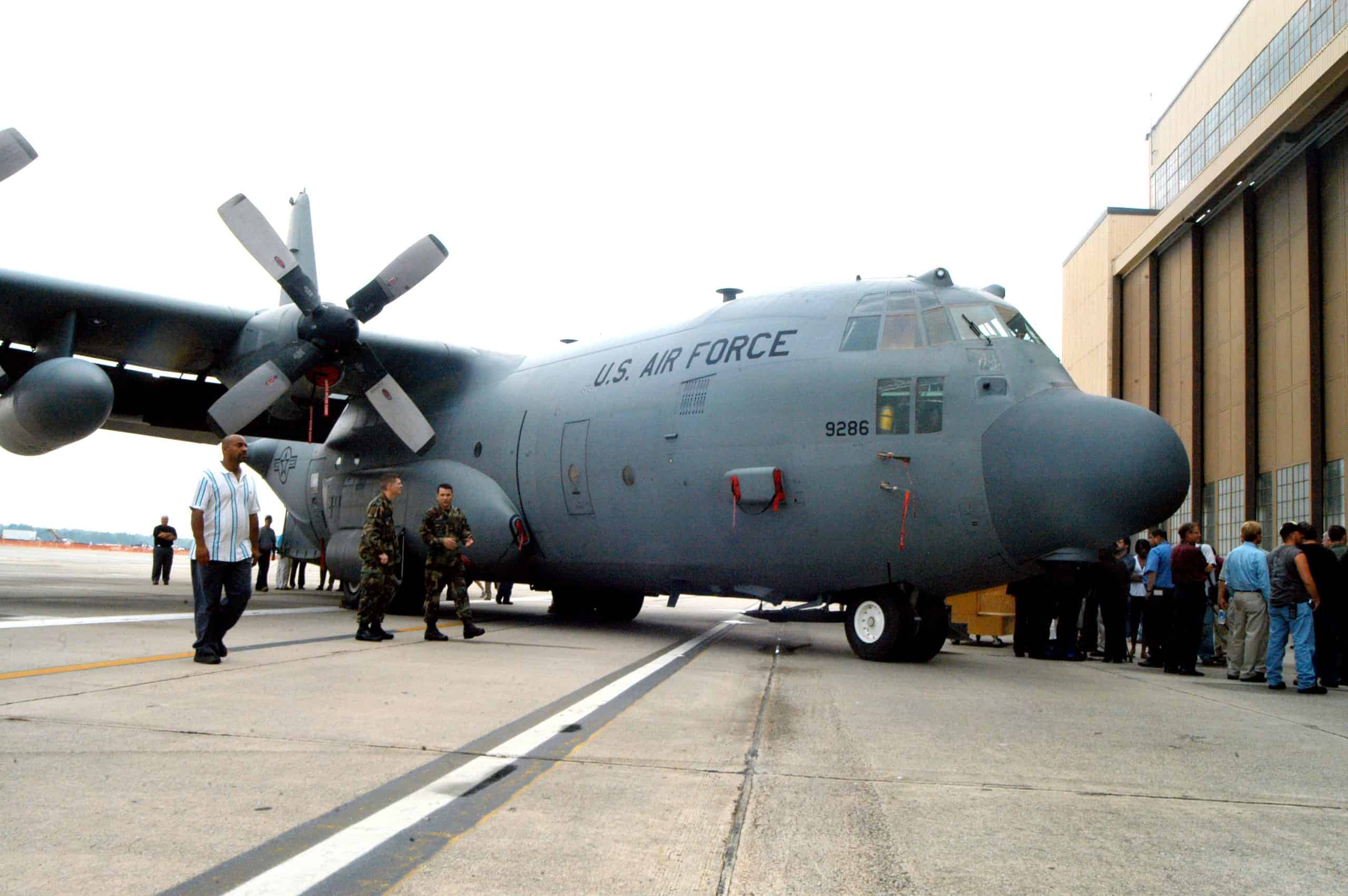
Understanding how military aviation evolved requires looking not just at the aircraft themselves, but at the people who had to learn to fly them. Throughout history, breakthroughs in speed, aerodynamics, avionics, and flight concepts repeatedly forced militaries to rethink how pilots were trained. Aircraft that pushed performance limits often exposed the weaknesses of existing training systems, leading to new simulators, longer transition courses, and entirely new training philosophies. By examining these aircraft, it becomes easier to see how technological leaps reshaped pilot preparation and ultimately made modern air forces more capable and adaptable.
When Aircraft Outpaced Pilot Training
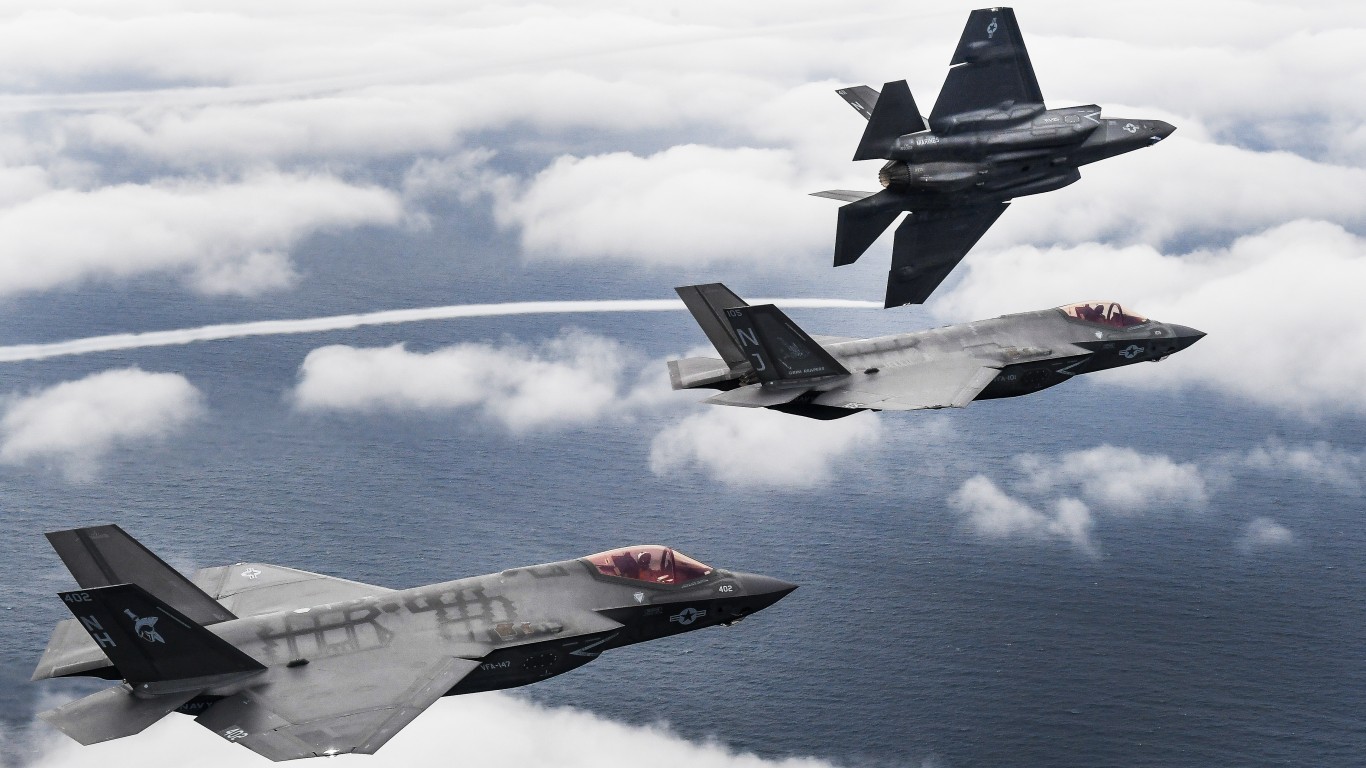
Throughout aviation history, there have been moments when aircraft technology advanced faster than the systems designed to train the pilots who flew them. New engines, radical aerodynamics, and unprecedented speeds created machines that traditional training pipelines simply were not built to handle. As a result, militaries around the world were forced to rethink how pilots were selected, trained, and prepared for the realities of modern flight.
Speed Changed Everything
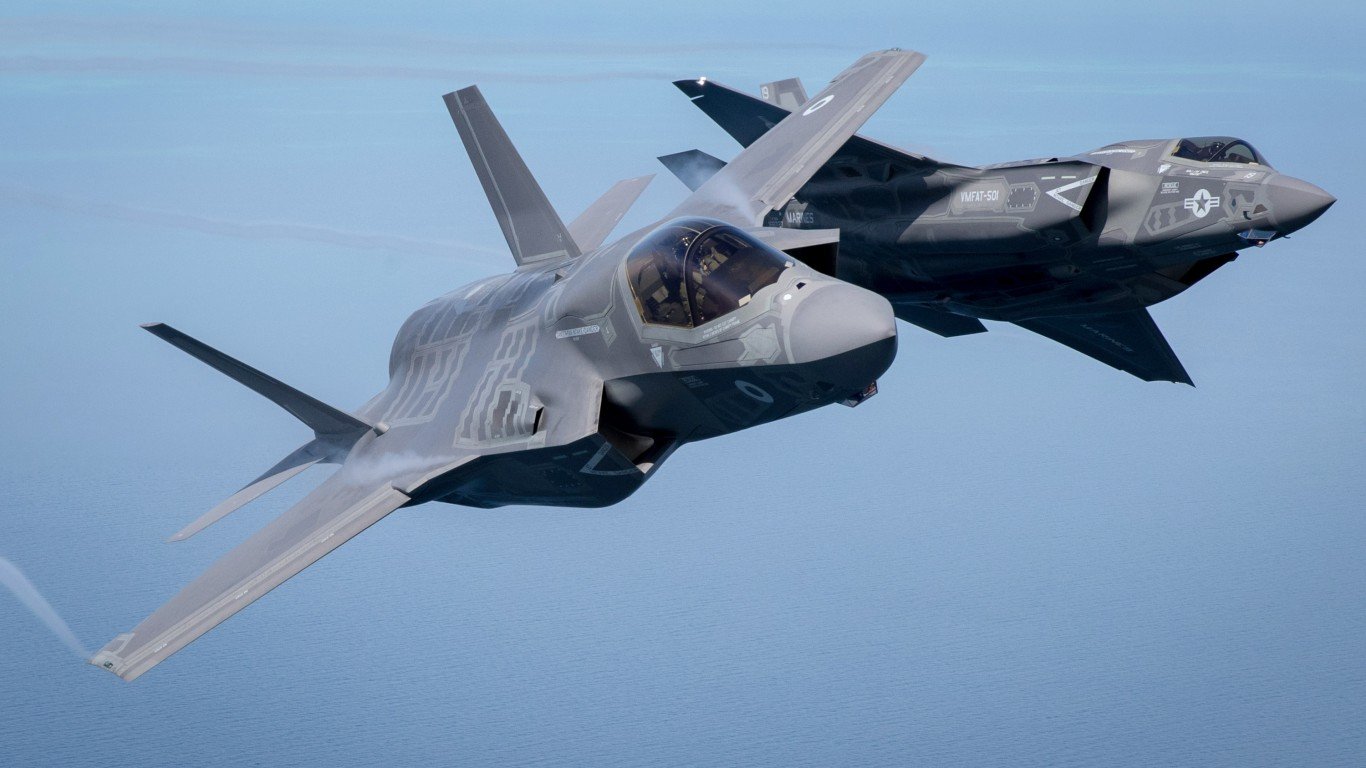
As aircraft pushed beyond the sound barrier and into extreme altitude regimes, flying became less forgiving and far more technical. Pilots had to understand energy management, high-speed aerodynamics, and new emergency procedures that did not exist in earlier generations of aircraft. Training programs expanded, simulators became essential, and transition courses grew more demanding as militaries tried to keep pace with rapidly advancing technology.
New Technology, New Skills
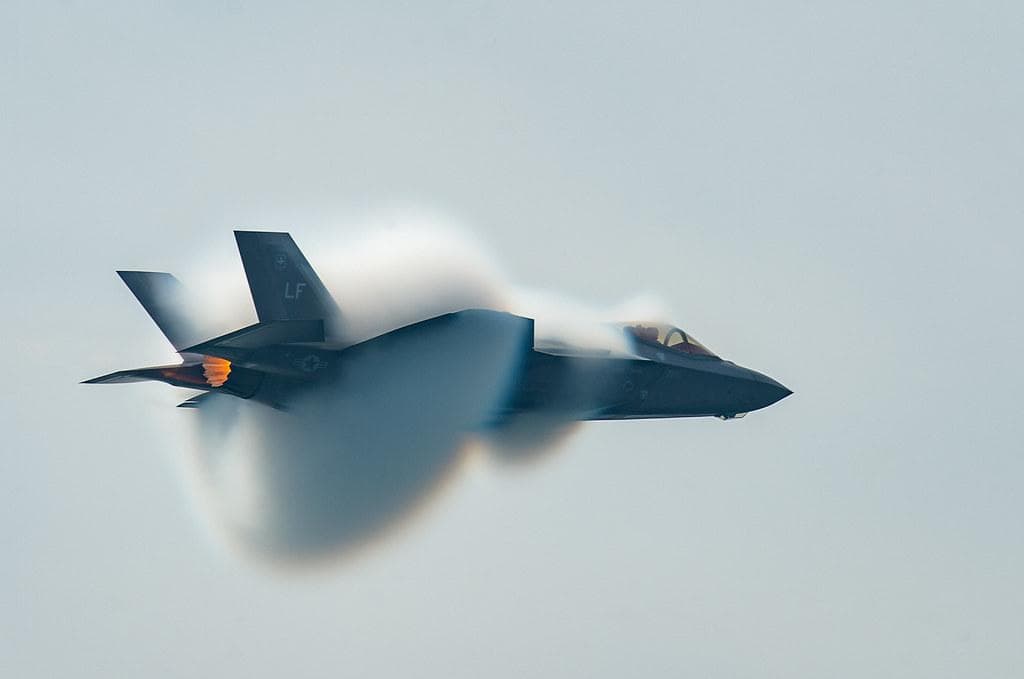
Many aircraft introduced systems that fundamentally changed the job of the pilot. Fly-by-wire controls, advanced radar systems, stealth technology, and digital cockpits required pilots to become systems managers as much as aviators. Learning to interpret sensors, coordinate data, and manage complex avionics meant that training had to evolve beyond traditional stick-and-rudder instruction.
Some Aircraft Were Simply Unforgiving
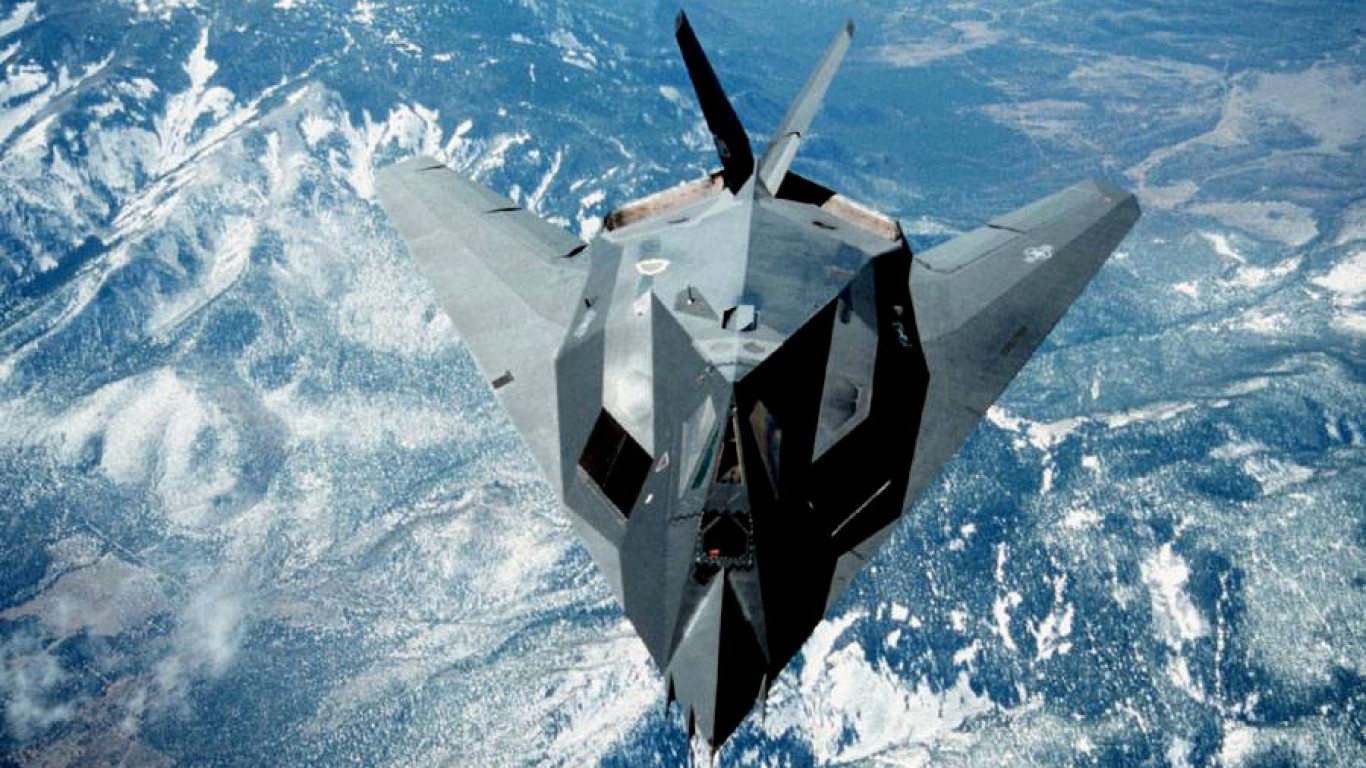
Not every revolutionary aircraft was easy to master. Some gained reputations for punishing mistakes or demanding absolute precision from their pilots. High landing speeds, narrow performance margins, or unusual flight characteristics meant that transitioning into these aircraft required specialized instruction, longer training timelines, and carefully structured flight programs.
How Innovation Reshaped Military Aviation
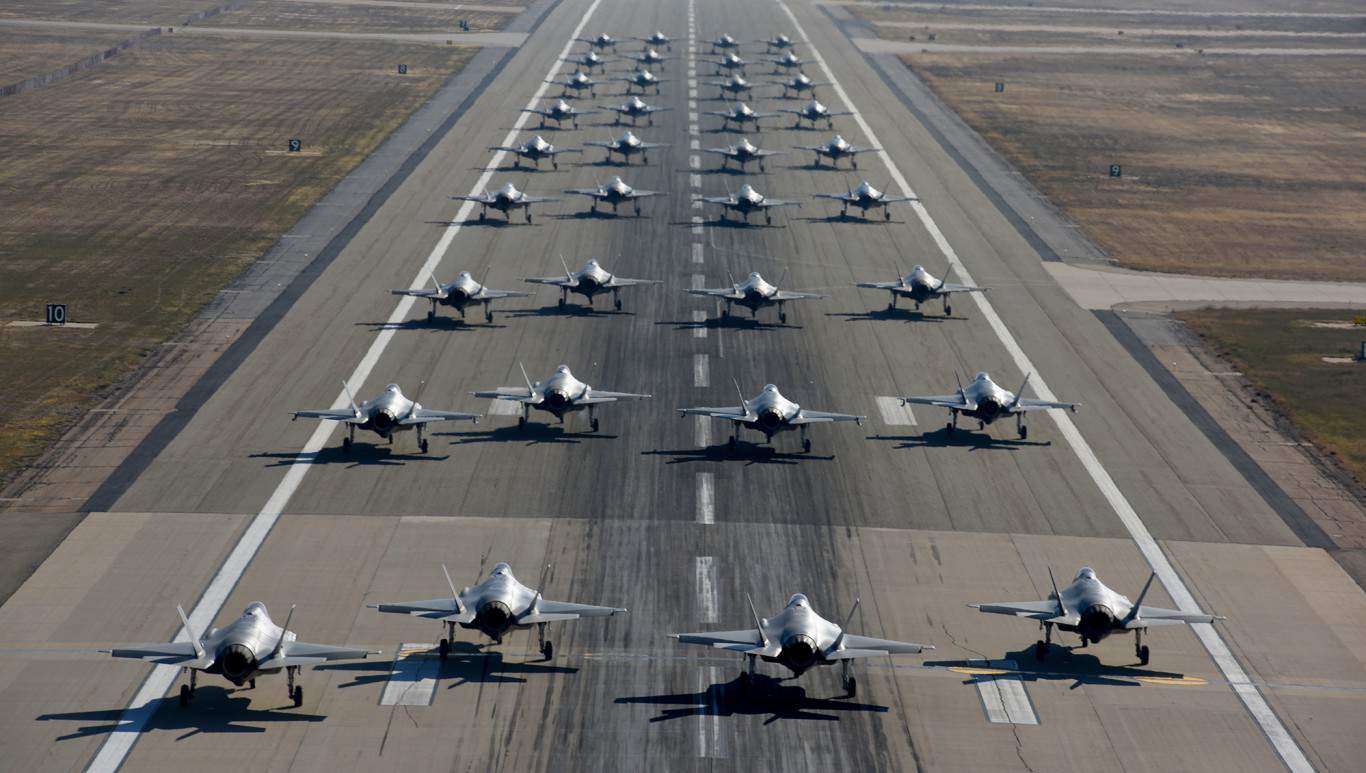
The aircraft in this list did more than push technological boundaries—they reshaped how militaries prepare the people who fly them. Each new leap in performance forced institutions to adapt, introducing new simulators, revised flight instruction, and specialized training pipelines. In many ways, the evolution of pilot training mirrors the evolution of the aircraft themselves.
Gloster Meteor
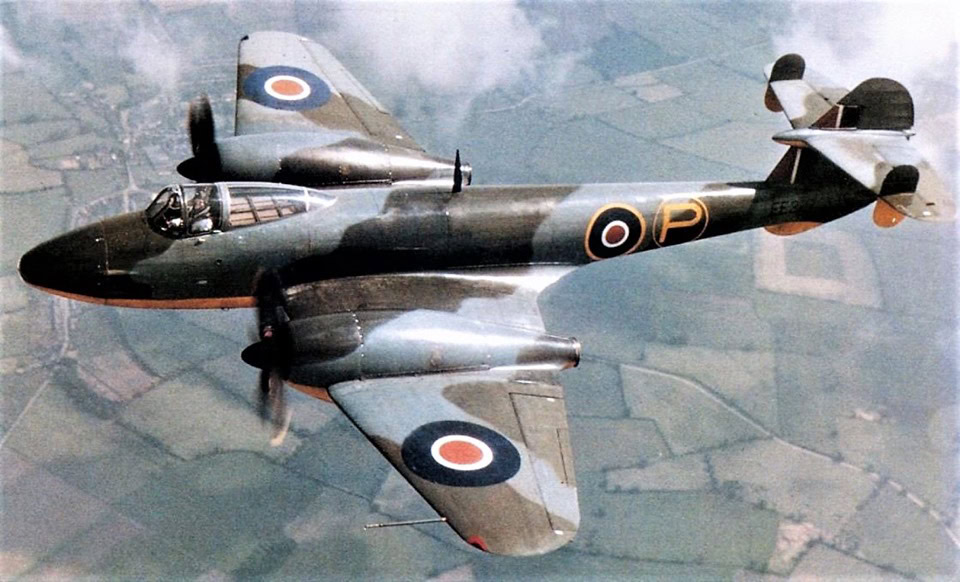
- Primary operator: UK
- Manufacturer: Gloster
- Year introduced to service: 1943
- Aircraft type: Fighter
- Top speed: 600 mph
- What made it difficult to fly: Jet engine management
- Training change it forced: Jet-era training doctrine
- Historical impact: Allied jet introduction
P-80 / F-80 Shooting Star
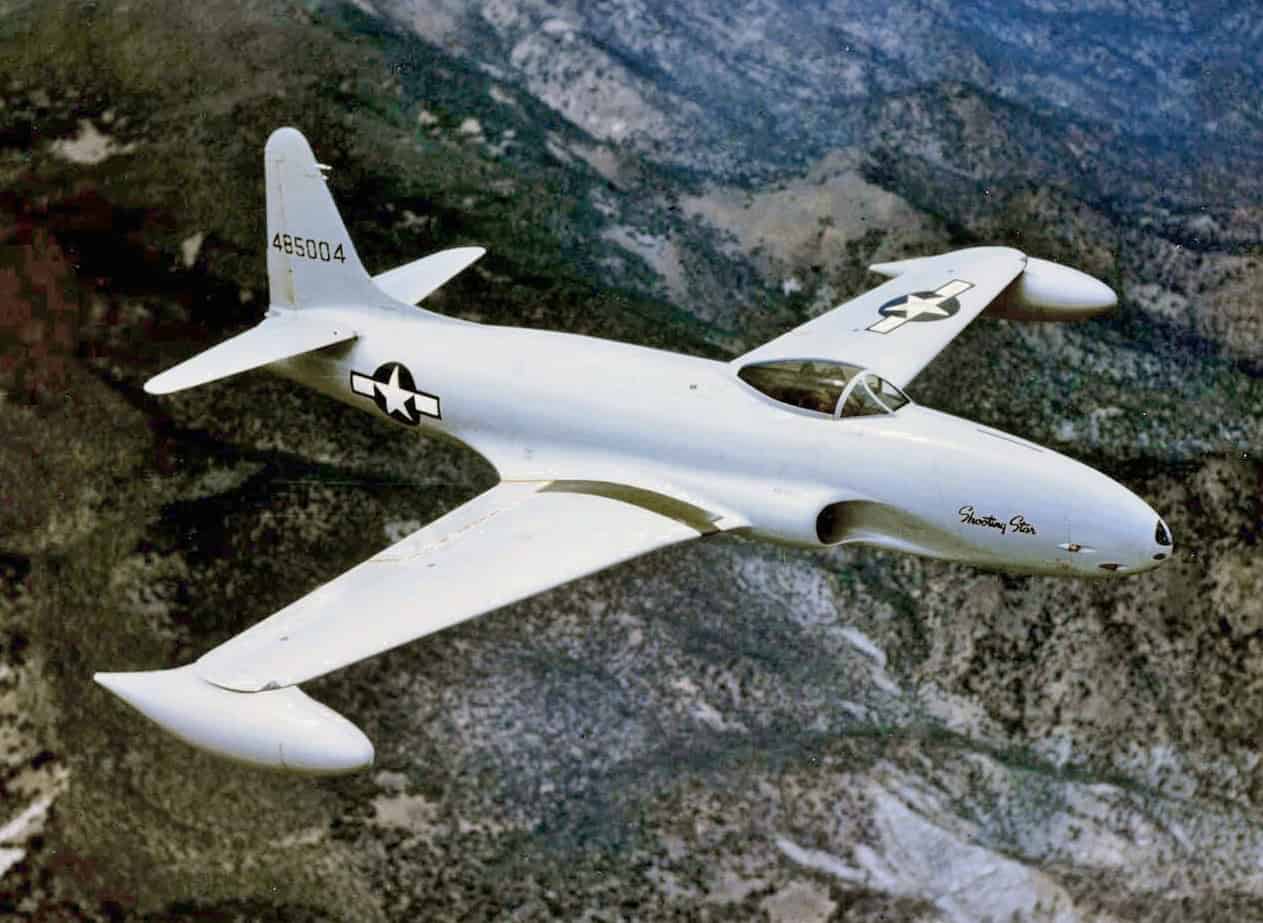
- Primary operator: USA
- Manufacturer: Lockheed
- Year introduced to service: 1944
- Aircraft type: Fighter
- Top speed: 600 mph
- What made it difficult to fly: Transition from prop to jet
- Training change it forced: New jet conversion courses
- Historical impact: America’s first operational jet fighter
F-100 Super Sabre
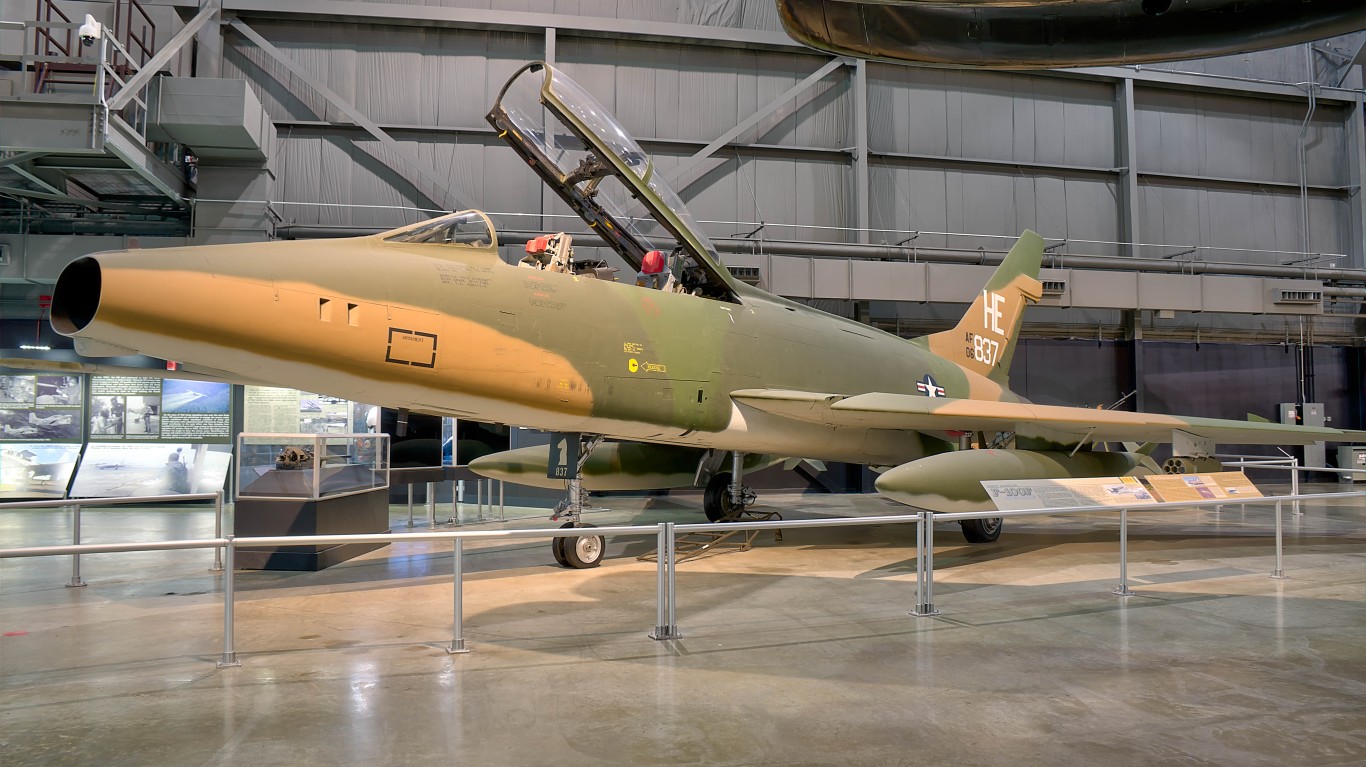
- Primary operator: USA
- Manufacturer: North American
- Year introduced to service: 1953
- Aircraft type: Fighter
- Top speed: 926 mph
- What made it difficult to fly: Supersonic flight envelope
- Training change it forced: Advanced high-speed training
- Historical impact: First USAF supersonic fighter
F-104 Starfighter
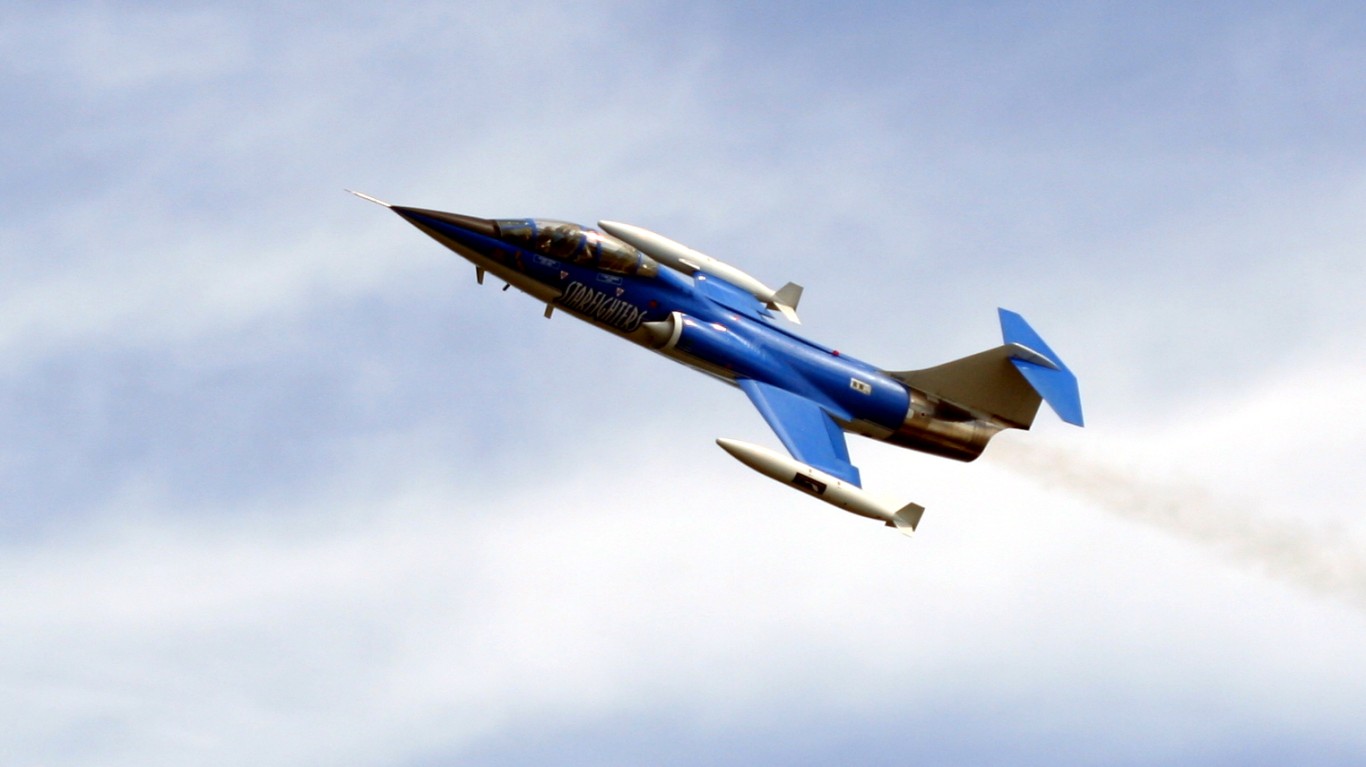
- Primary operator: USA
- Manufacturer: Lockheed
- Year introduced to service: 1954
- Aircraft type: Interceptor
- Top speed: 1,328 mph
- What made it difficult to fly: Extremely high speed and landing difficulty
- Training change it forced: Specialized transition programs
- Historical impact: Notorious training difficulty in NATO
English Electric Lightning
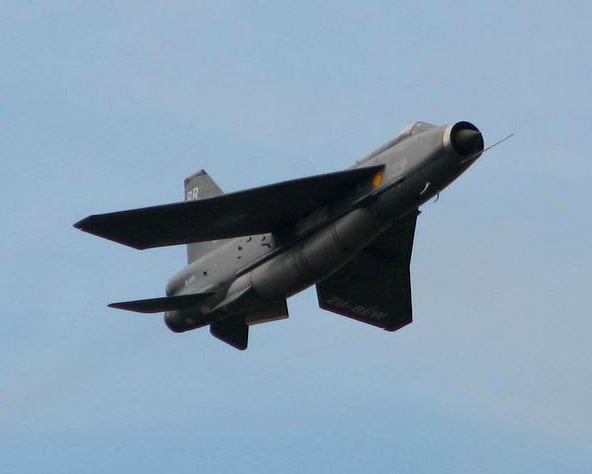
- Primary operator: UK
- Manufacturer: English Electric
- Year introduced to service: 1954
- Aircraft type: Interceptor
- Top speed: 1,500 mph
- What made it difficult to fly: Rapid climb and acceleration
- Training change it forced: New interceptor training
- Historical impact: Cold War rapid-response fighter
MiG-21 Fishbed
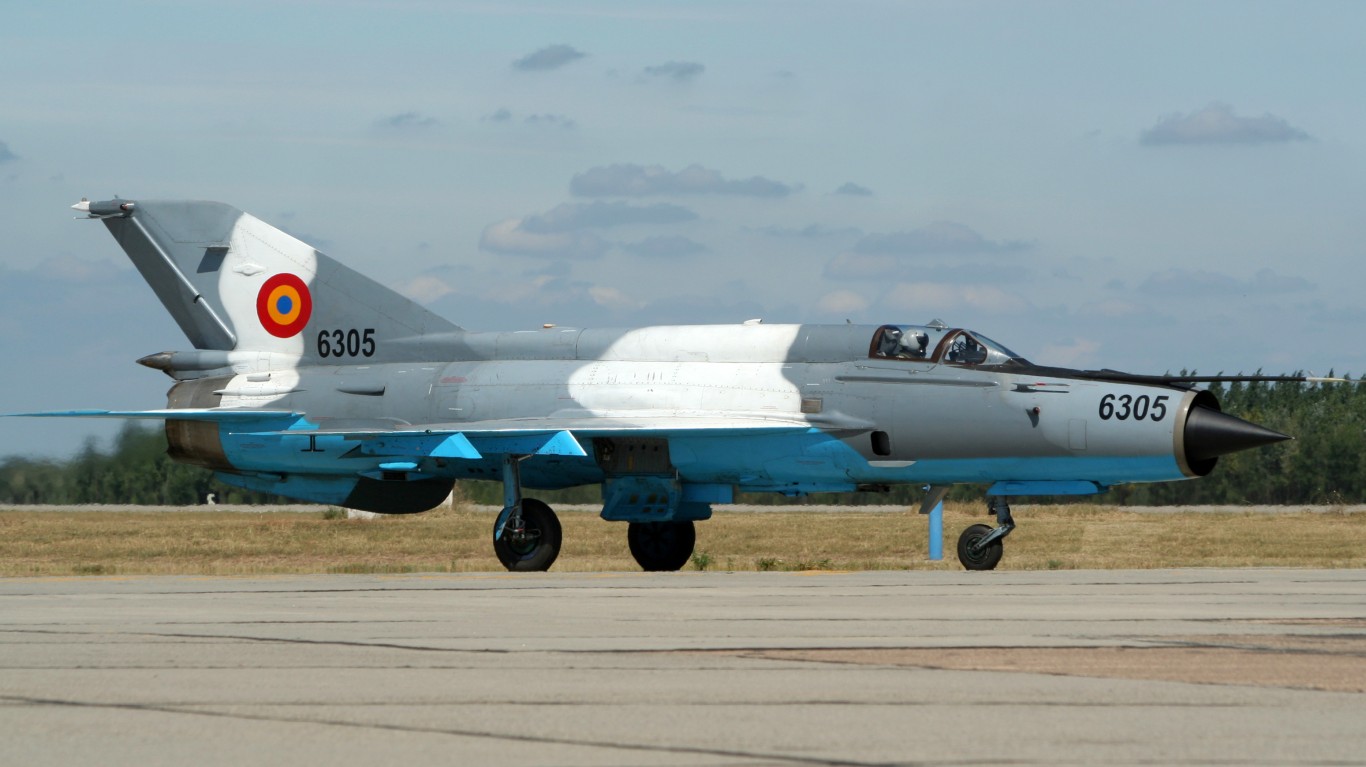
- Primary operator: USSR
- Manufacturer: Mikoyan-Gurevich
- Year introduced to service: 1955
- Aircraft type: Fighter
- Top speed: 1,385 mph
- What made it difficult to fly: High-speed delta-wing handling
- Training change it forced: Supersonic training changes
- Historical impact: One of the most produced jets
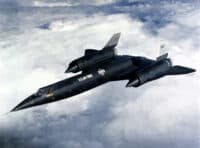
SR-71 Blackbird
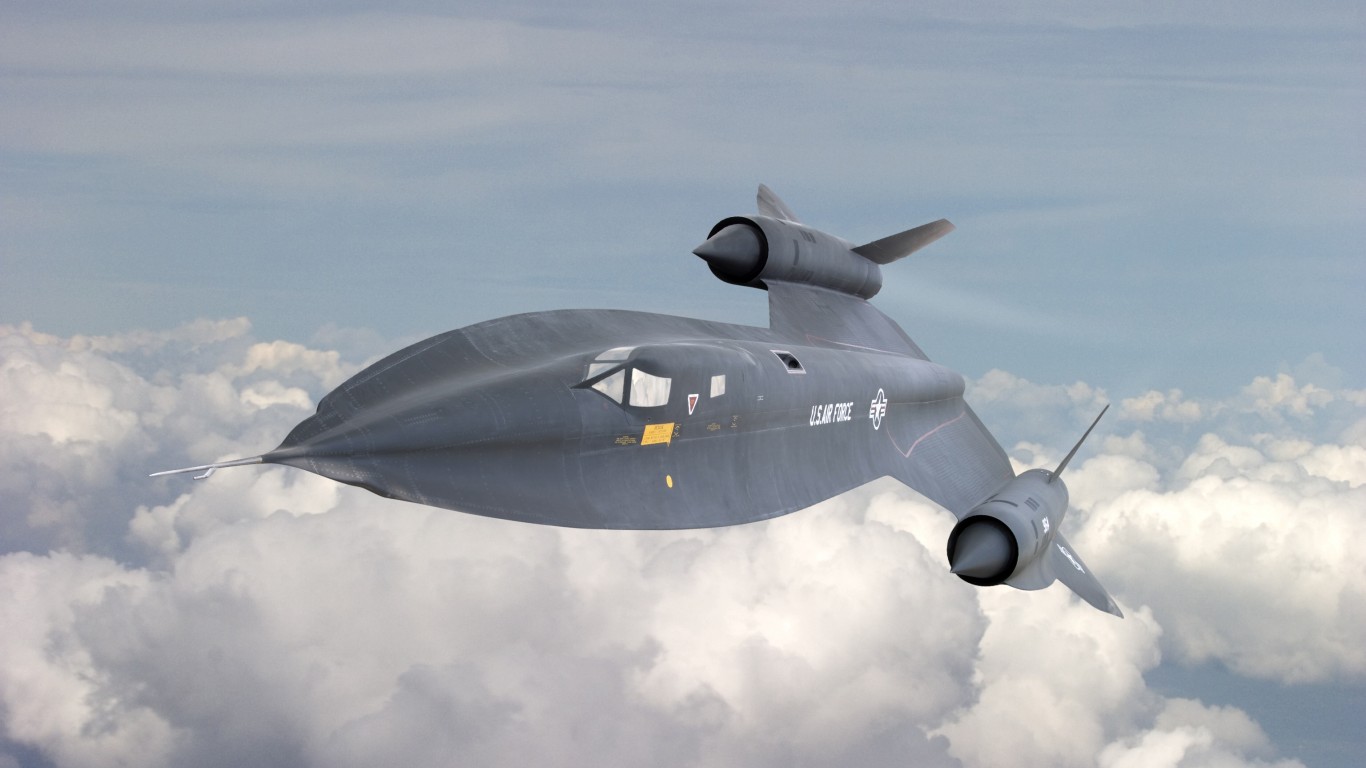
- Primary operator: USA
- Manufacturer: Lockheed
- Year introduced to service: 1964
- Aircraft type: Reconnaissance
- Top speed: 2,200+ mph
- What made it difficult to fly: Mach 3 flight conditions
- Training change it forced: Extensive simulator and physiological prep
- Historical impact: Fastest operational aircraft
MiG-25 Foxbat
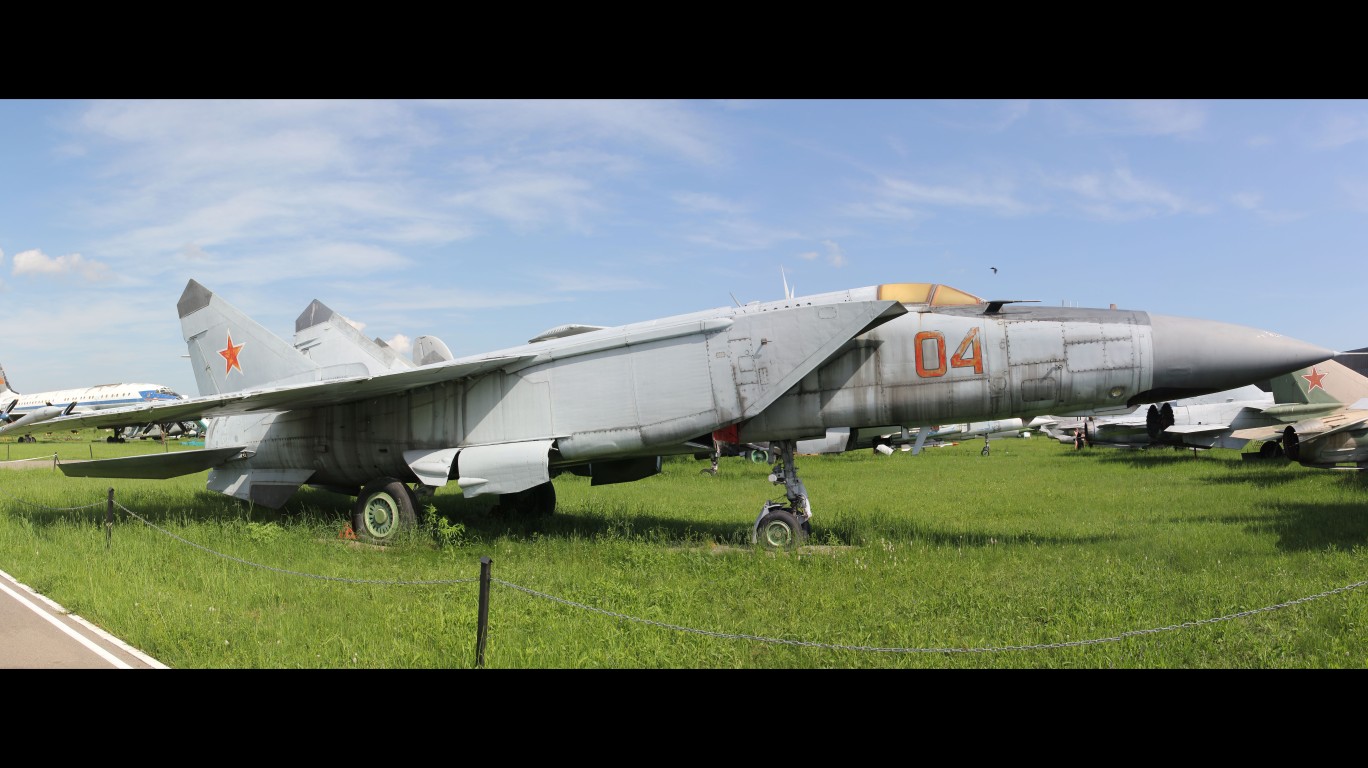
- Primary operator: USSR
- Manufacturer: Mikoyan-Gurevich
- Year introduced to service: 1964
- Aircraft type: Interceptor
- Top speed: 1,900 mph
- What made it difficult to fly: Extreme altitude and speed
- Training change it forced: Specialized high-speed training
- Historical impact: Cold War interceptor legend
XB-70 Valkyrie
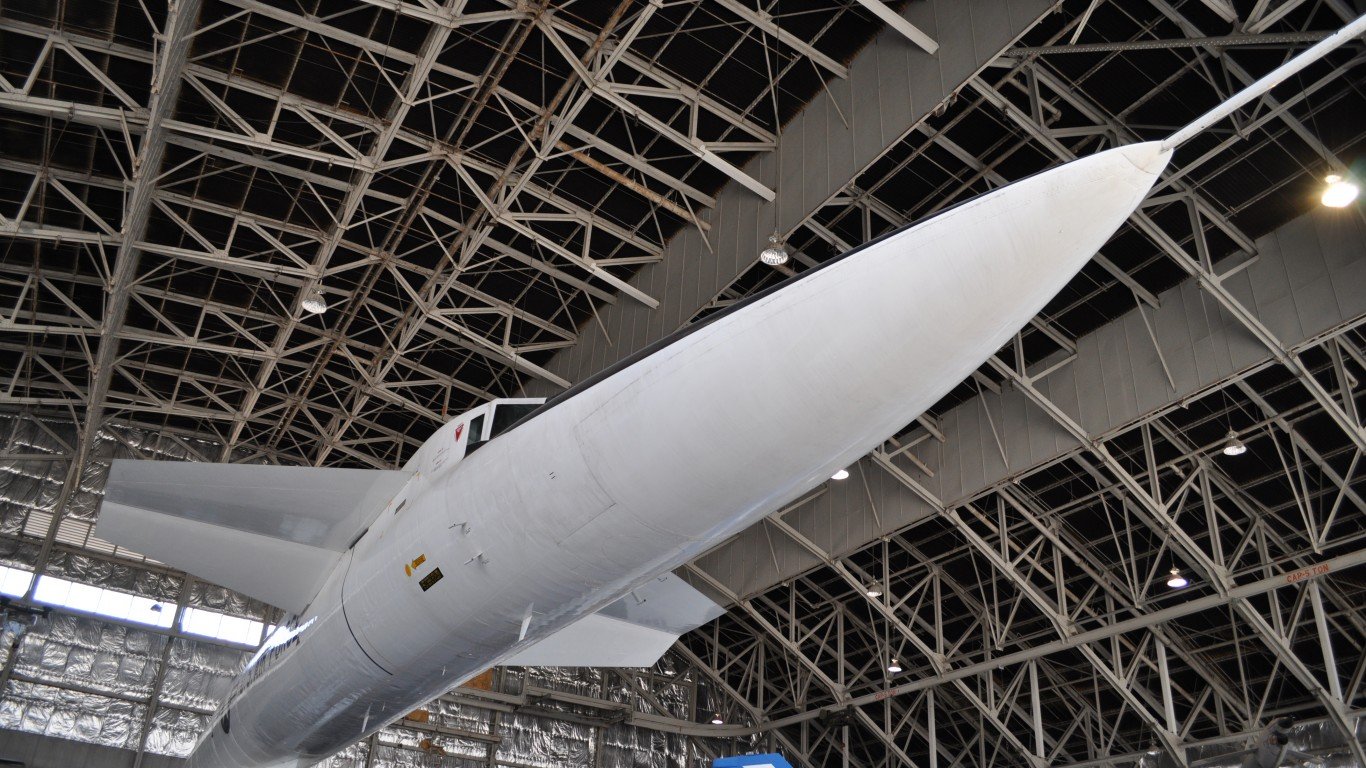
- Primary operator: USA
- Manufacturer: North American
- Year introduced to service: 1964
- Aircraft type: Experimental Bomber
- Top speed: 2,000 mph
- What made it difficult to fly: Mach 3 bomber operations
- Training change it forced: Experimental high-speed training
- Historical impact: Influenced future high-speed aviation
F-14 Tomcat
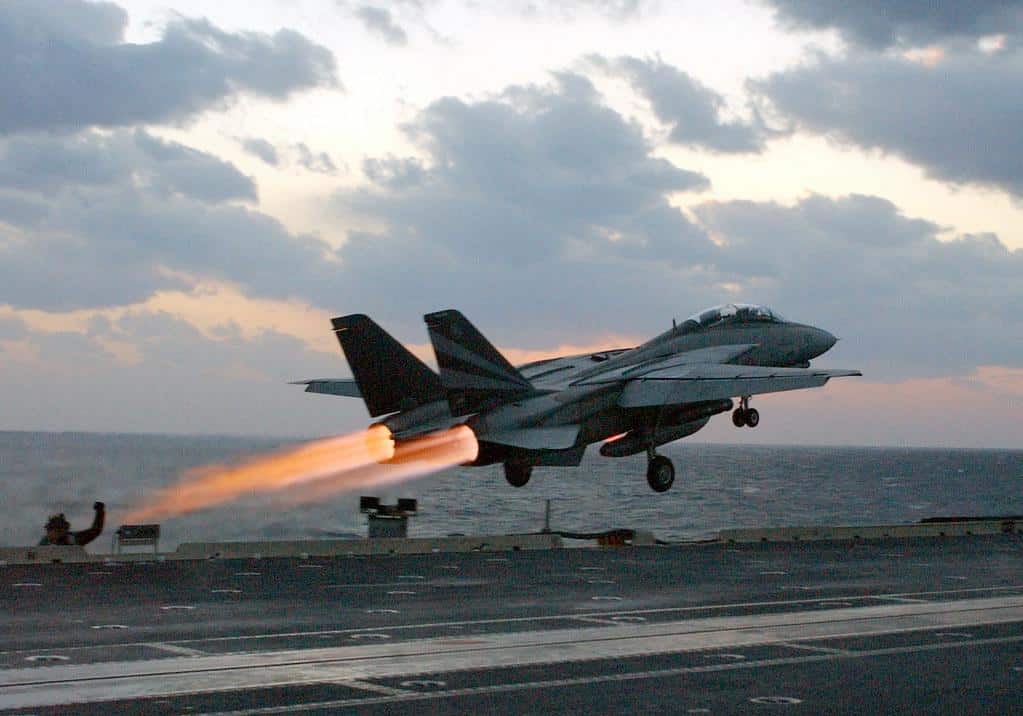
- Primary operator: USA
- Manufacturer: Grumman
- Year introduced to service: 1970
- Aircraft type: Carrier Fighter
- Top speed: 1,544 mph
- What made it difficult to fly: Variable-sweep wings and radar complexity
- Training change it forced: RIO and pilot coordination training
- Historical impact: Iconic naval interceptor
A-6 Intruder
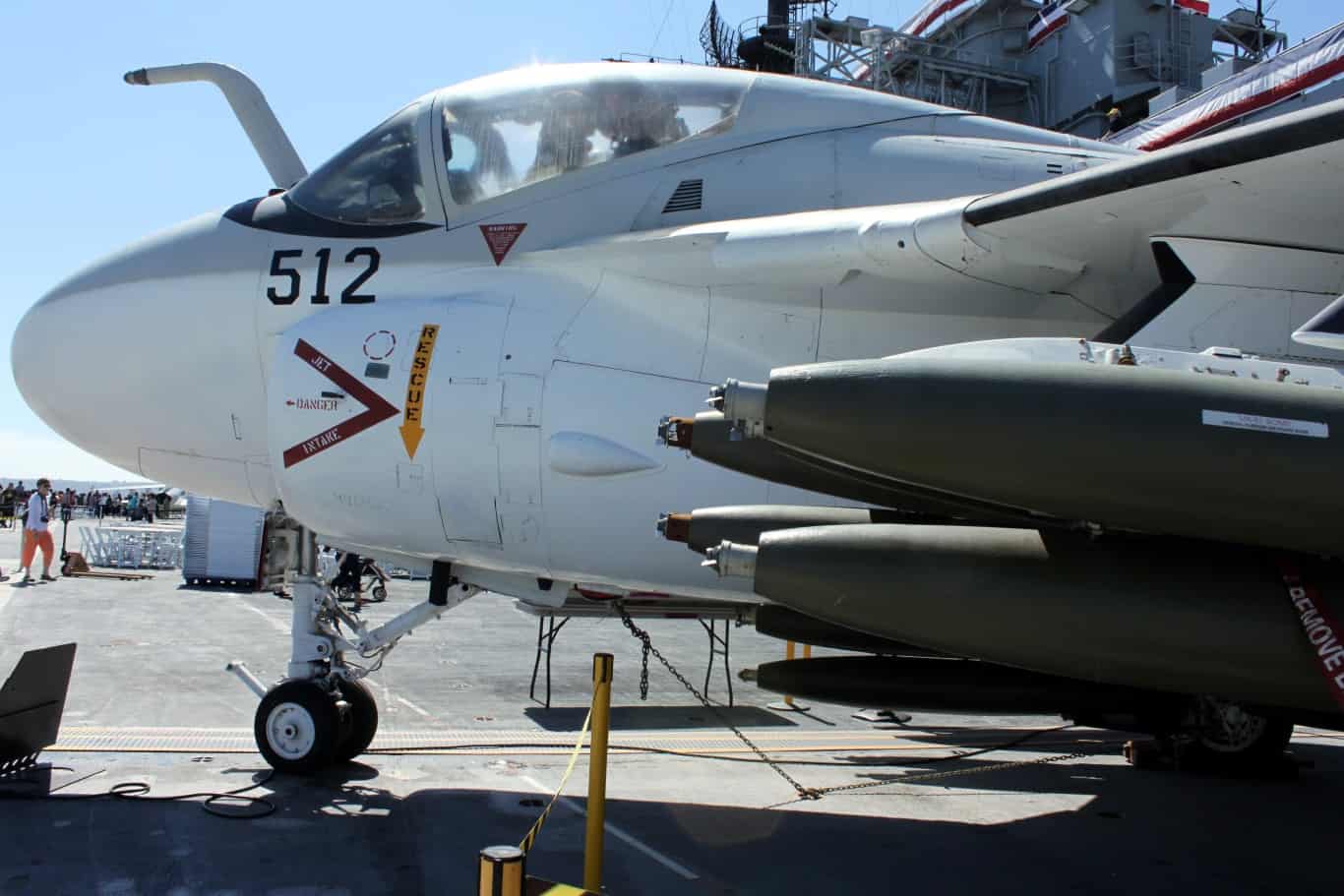
- Primary operator: USA
- Manufacturer: Grumman
- Year introduced to service: 1960
- Aircraft type: Attack Aircraft
- Top speed: 648 mph
- What made it difficult to fly: All-weather avionics complexity
- Training change it forced: Instrument-heavy training
- Historical impact: Night/all-weather strike pioneer
F/A-18 Hornet
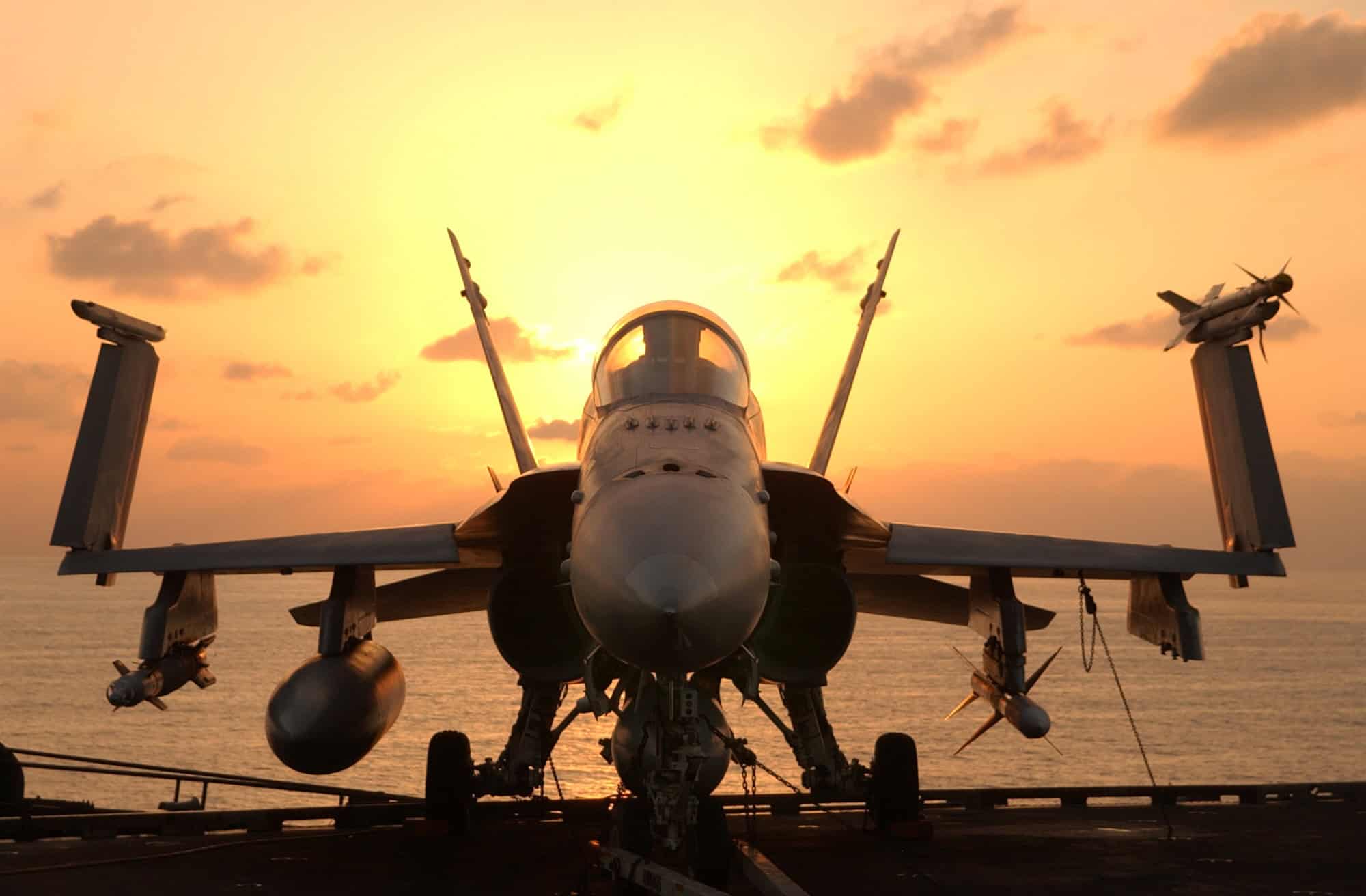
- Primary operator: USA
- Manufacturer: McDonnell Douglas
- Year introduced to service: 1978
- Aircraft type: Multirole Fighter
- Top speed: 1,190 mph
- What made it difficult to fly: Carrier ops with digital avionics
- Training change it forced: New multi-role training syllabus
- Historical impact: Carrier aviation mainstay
Harrier Jump Jet
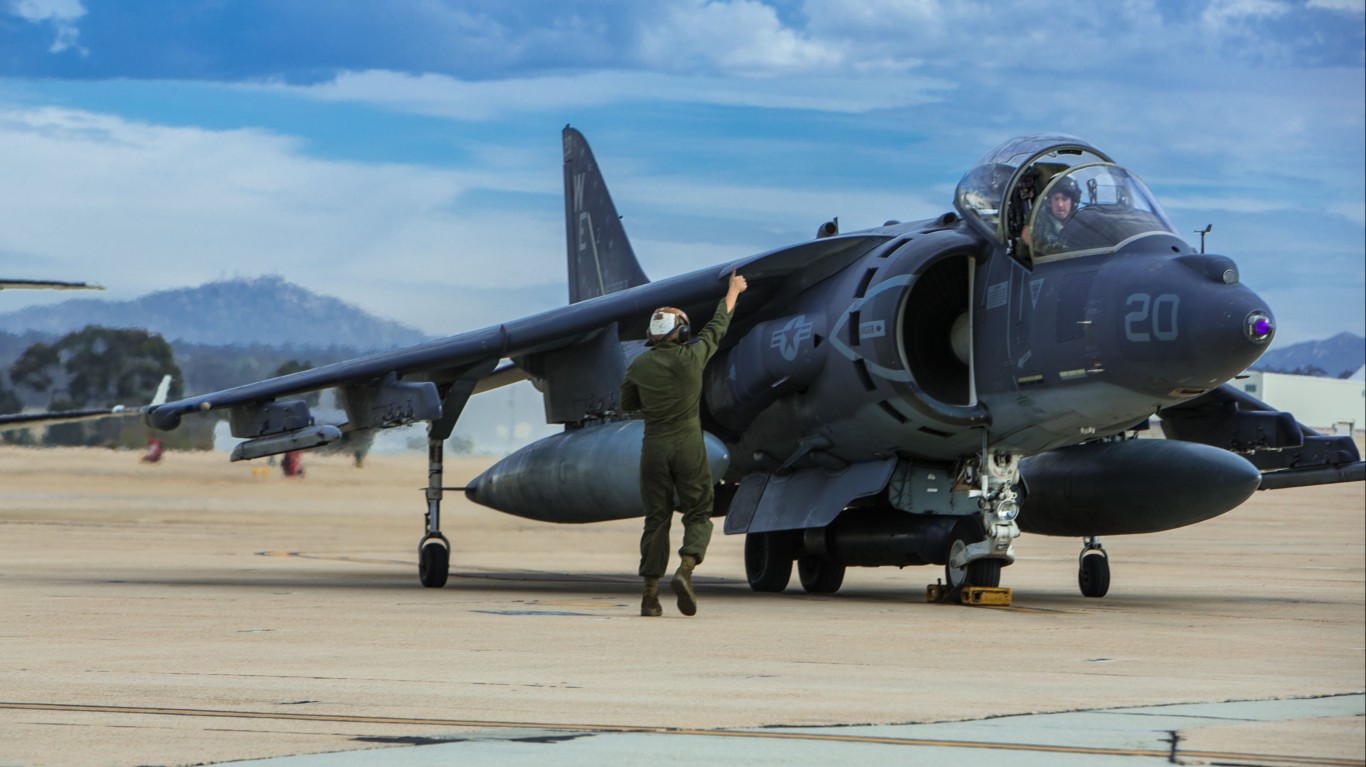
- Primary operator: UK
- Manufacturer: Hawker Siddeley
- Year introduced to service: 1967
- Aircraft type: VTOL Fighter
- Top speed: 730 mph
- What made it difficult to fly: Vertical flight and hover control
- Training change it forced: Dedicated VTOL pilot training
- Historical impact: First operational VTOL jet
V-22 Osprey
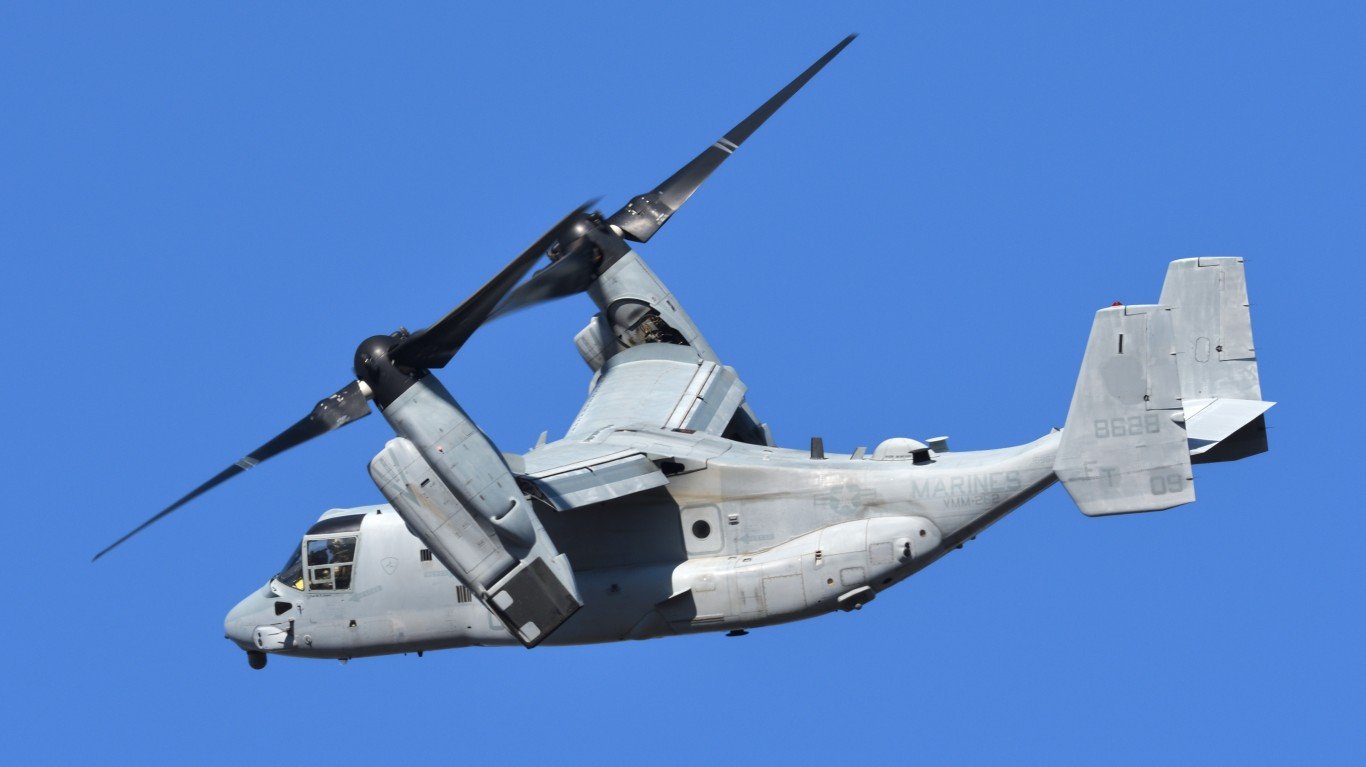
- Primary operator: USA
- Manufacturer: Bell / Boeing
- Year introduced to service: 1989
- Aircraft type: Tiltrotor
- Top speed: 316 mph
- What made it difficult to fly: Helicopter-to-airplane flight transition
- Training change it forced: New tiltrotor training pipeline
- Historical impact: Revolutionized special operations mobility
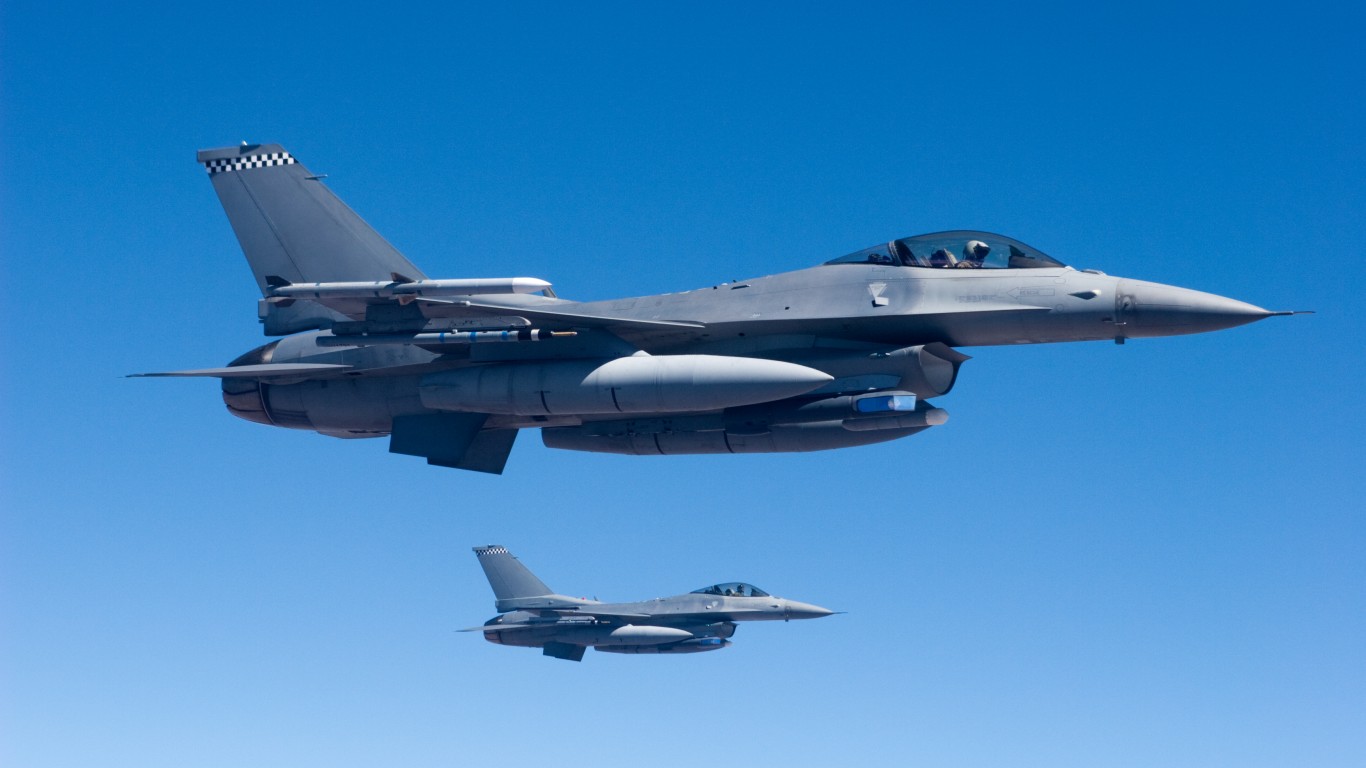
F-16 Fighting Falcon
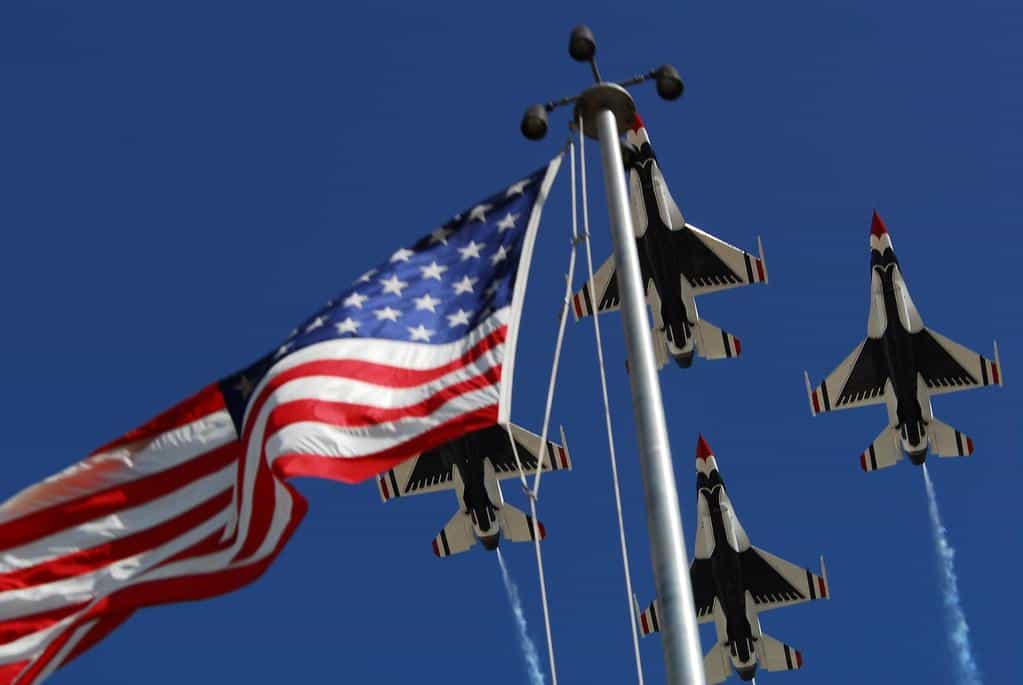
- Primary operator: USA
- Manufacturer: General Dynamics
- Year introduced to service: 1974
- Aircraft type: Fighter
- Top speed: 1,500 mph
- What made it difficult to fly: Fly-by-wire and relaxed stability
- Training change it forced: Simulator-heavy training
- Historical impact: Changed modern fighter design
Mirage 2000
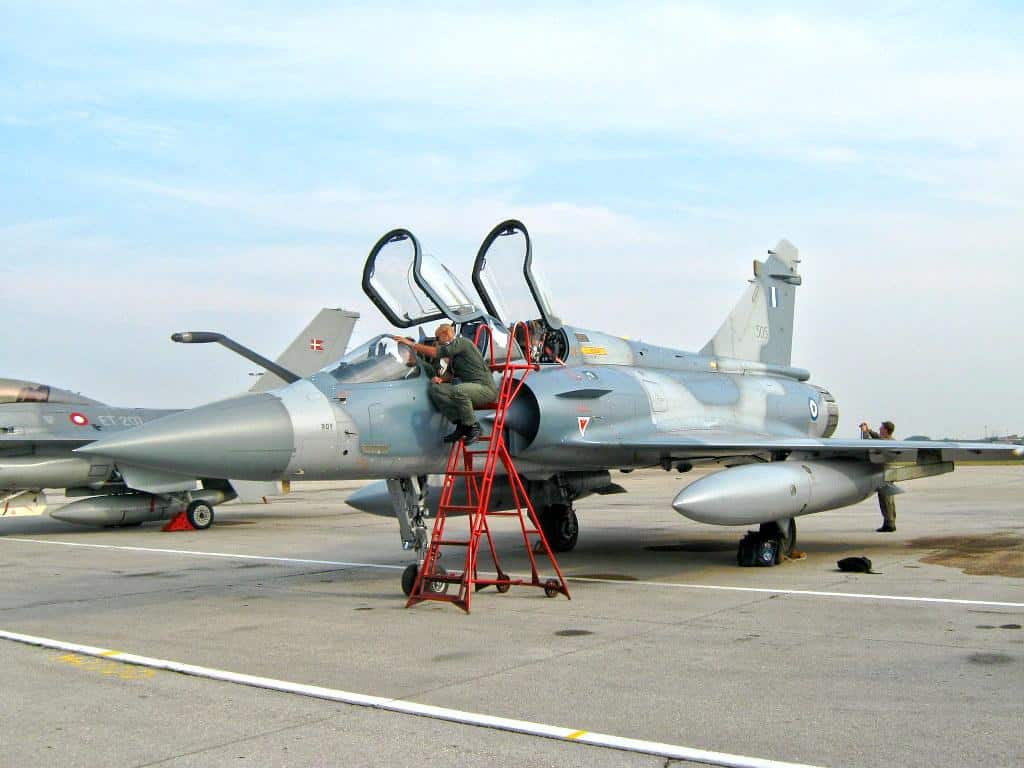
- Primary operator: France
- Manufacturer: Dassault
- Year introduced to service: 1978
- Aircraft type: Fighter
- Top speed: 1,455 mph
- What made it difficult to fly: Delta-wing high-speed performance
- Training change it forced: Modern supersonic training
- Historical impact: Key NATO-era fighter
Eurofighter Typhoon

- Primary operator: Europe
- Manufacturer: Eurofighter GmbH
- Year introduced to service: 1994
- Aircraft type: Fighter
- Top speed: 1,550 mph
- What made it difficult to fly: Advanced avionics and agility
- Training change it forced: High-tech pilot training
- Historical impact: European 4.5-gen fighter
F-117 Nighthawk
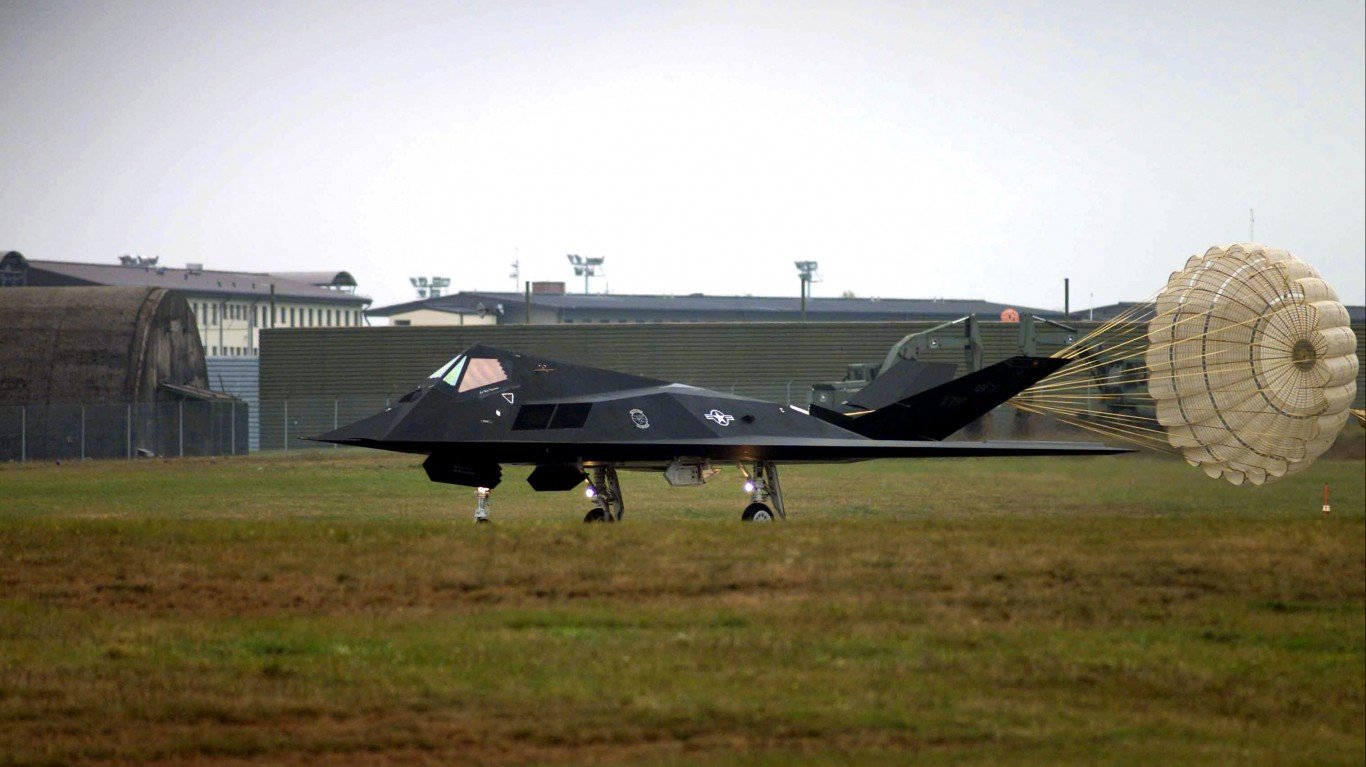
- Primary operator: USA
- Manufacturer: Lockheed
- Year introduced to service: 1981
- Aircraft type: Stealth Attack
- Top speed: 684 mph
- What made it difficult to fly: Unusual aerodynamics and stealth tactics
- Training change it forced: Heavy simulator use
- Historical impact: First operational stealth aircraft
B-2 Spirit
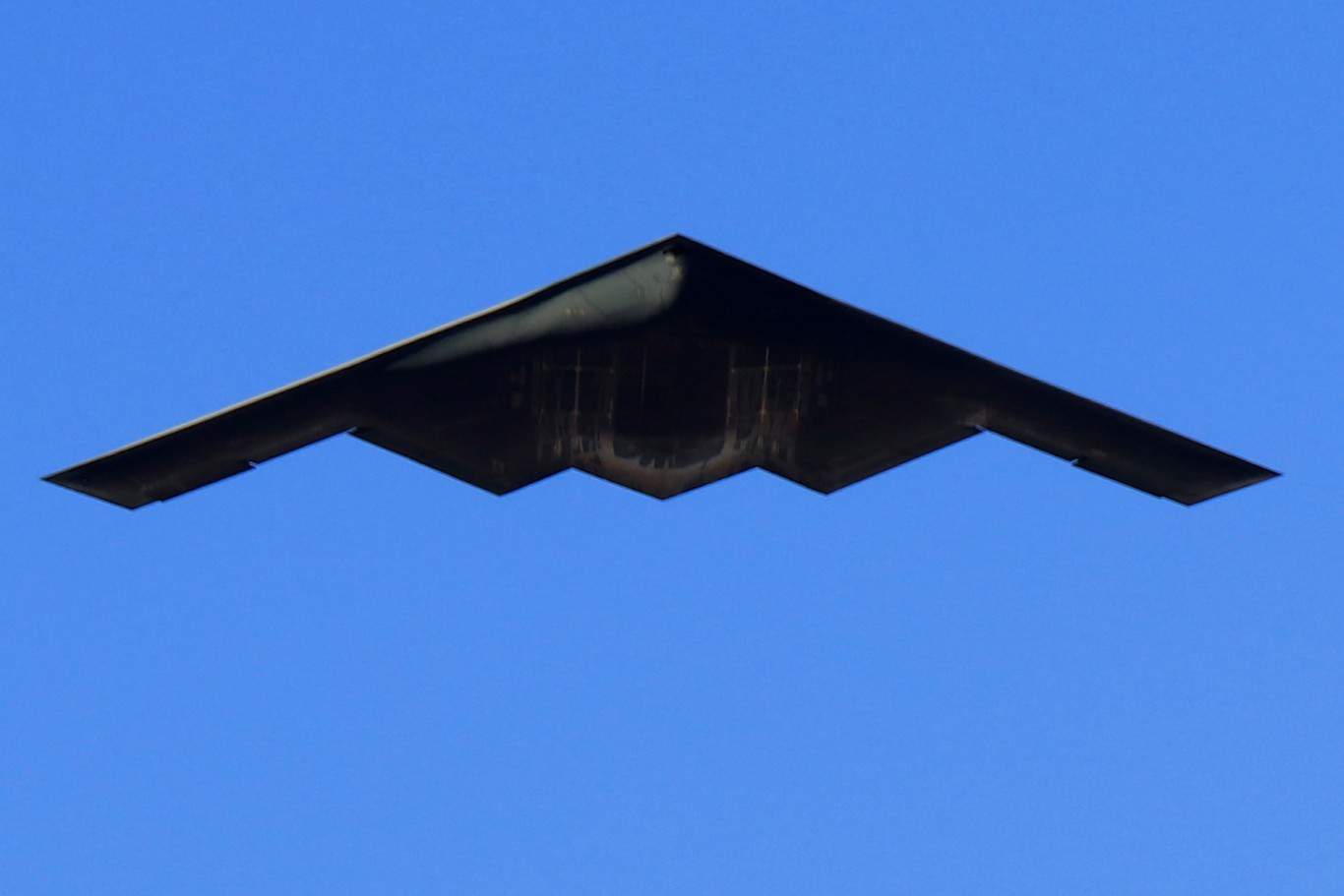
- Primary operator: USA
- Manufacturer: Northrop
- Year introduced to service: 1989
- Aircraft type: Stealth Bomber
- Top speed: 628 mph
- What made it difficult to fly: Complex stealth systems
- Training change it forced: Specialized bomber training
- Historical impact: Strategic stealth platform
F-22 Raptor
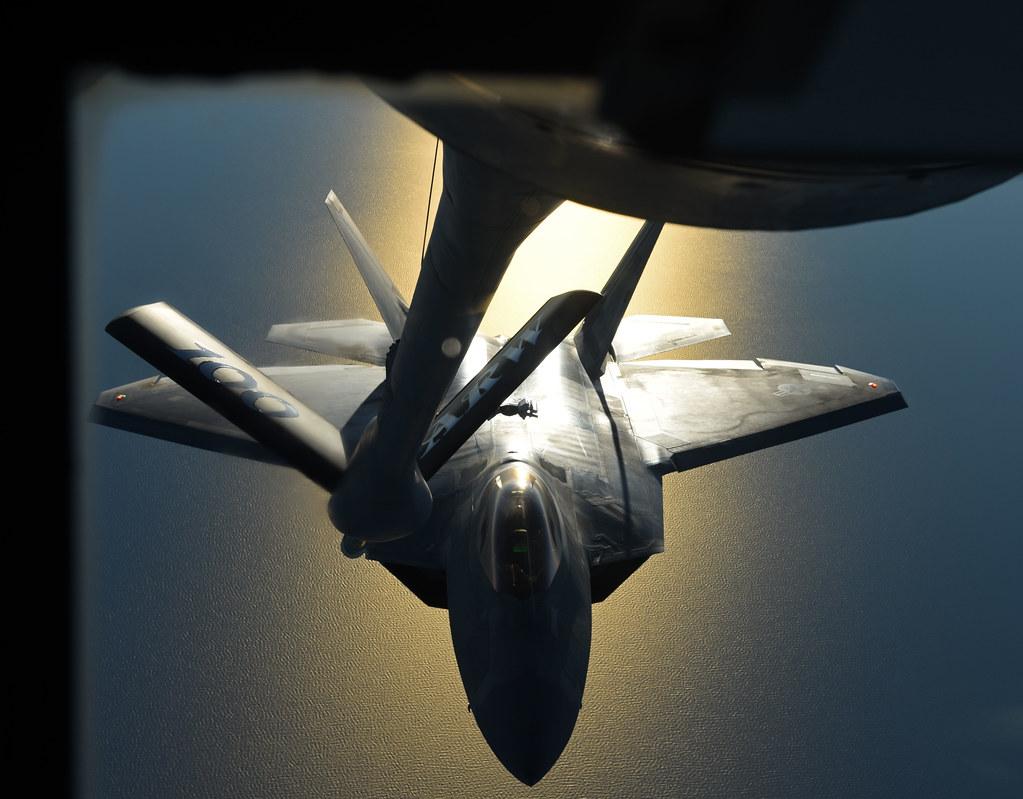
- Primary operator: USA
- Manufacturer: Lockheed Martin
- Year introduced to service: 1997
- Aircraft type: Fighter
- Top speed: 1,500+ mph
- What made it difficult to fly: Sensor fusion and supercruise
- Training change it forced: Next-gen pilot training
- Historical impact: 5th-generation air superiority
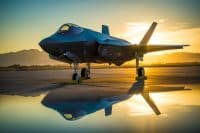
F-35 Lightning II

- Primary operator: USA
- Manufacturer: Lockheed Martin
- Year introduced to service: 2006
- Aircraft type: Multirole Fighter
- Top speed: 1,200 mph
- What made it difficult to fly: Advanced sensor integration
- Training change it forced: Digital training ecosystem
- Historical impact: Most advanced multirole fighter
Su-57 Felon
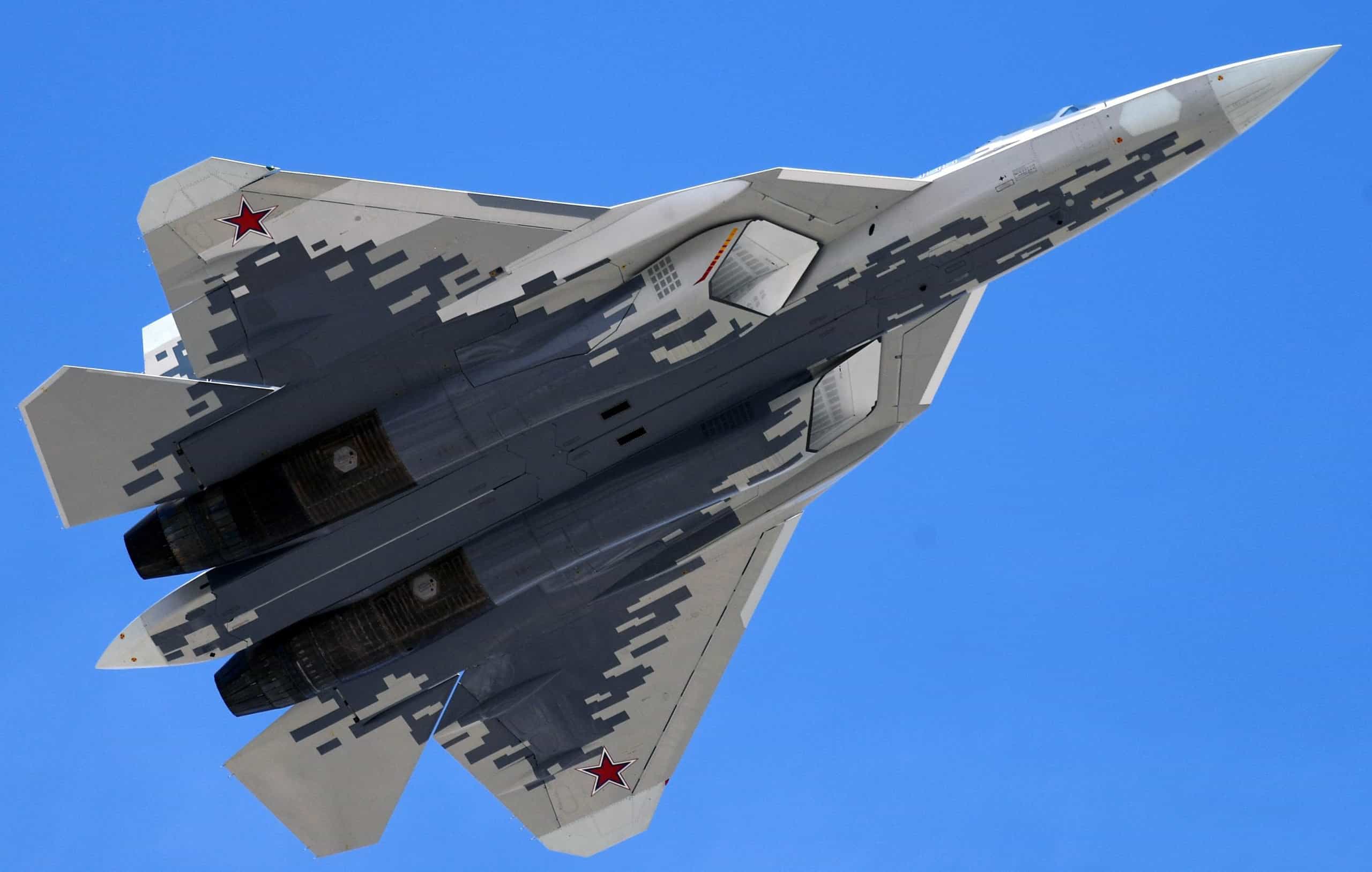
- Primary operator: Russia
- Manufacturer: Sukhoi
- Year introduced to service: 2010
- Aircraft type: Fighter
- Top speed: 1,616 mph
- What made it difficult to fly: Stealth and maneuverability
- Training change it forced: New generation training
- Historical impact: Russia’s 5th-gen fighter
Contact [email protected] for any questions or corrections.
Chris Lange is a financial and geopolitical writer with more than a decade of experience covering a myriad of topics. He has published thousands of articles for 24/7 Wall St., with past coverage focused heavily on stocks, IPOs, healthcare, defense, global affairs, and technology.
His work has been quoted, or referenced by a number of outlets including Business Insider, USA Today, Yahoo Finance, MSN, The Motley Fool, and many other publications. A graduate of Southwestern University, he studied business with a focus on investments and has previous experience in banking and startups.
When not reading or writing the news, he is following his passion for Lacrosse, playing chess, or building solar projects with his dad.