25 Military Weapons So Secret They Stayed Hidden for Decades
For decades, many of the most advanced military weapons were developed in complete secrecy. Classified research programs allowed governments to design new aircraft, missiles, and surveillance systems without revealing their capabilities to rival powers. Some of these projects remained hidden…

For decades, many of the most advanced military weapons were developed in complete secrecy. Classified research programs allowed governments to design new aircraft, missiles, and surveillance systems without revealing their capabilities to rival powers. Some of these projects remained hidden for years before being publicly acknowledged, while others only became known after documents were declassified. Here, 24/7 Wall St. is taking a closer look at these secret weapons as well as how technological innovation and secrecy worked hand in hand to shape modern military power.
To determine the secret military weapons that stayed hidden for decades, 24/7 Wall St. reviewed various historical and military sources. We included supplemental information for each regarding the country of origin, weapon type, developer, when it was developed, and ultimately its strategic purpose.
Here is a look at secret military weapons that stayed hidden for decades:
Why Are We Covering This?
Understanding how secret weapons programs shaped military history reveals just how important technological secrecy has been to national security. For decades, governments have developed advanced weapons behind closed doors in order to preserve strategic advantages over potential rivals. Many of these systems were tested and sometimes even deployed long before the public knew they existed. When the details of these programs were eventually revealed through declassification or official announcements, they often showed just how far military technology had advanced in secret. Examining these hidden weapons offers a glimpse into the world of classified defense research and highlights how secrecy itself has played a critical role in shaping modern warfare.
Some of the Most Important Weapons Were Built in Total Secrecy

Throughout modern military history, some of the most important weapons were developed in total secrecy. Governments have often relied on classified programs to build new systems without revealing their existence to rivals or even to much of their own military. In some cases, these weapons remained hidden for years or decades, allowing nations to preserve the advantage of surprise while testing technologies far beyond what the public knew existed.
Secrecy Can Be Nearly as Valuable as Firepower
Secrecy can be nearly as valuable as firepower itself. If an adversary does not know a weapon exists, it cannot prepare defenses, adjust strategy, or fully measure the threat it faces. During the Cold War in particular, secret military programs became a central part of superpower competition, with both sides racing to develop advanced aircraft, missiles, and surveillance systems under strict classification.
Black Projects Pushed Military Technology Far Ahead of Public View
Many of the most revolutionary military breakthroughs came from highly classified black projects. These programs gave engineers and scientists the freedom to experiment with advanced ideas away from public scrutiny and foreign intelligence. Stealth aircraft, high-speed reconnaissance platforms, and unconventional naval systems all emerged from secret efforts that pushed military technology well ahead of what most people imagined at the time.
Many Secret Weapons Were Revealed Only Years Later
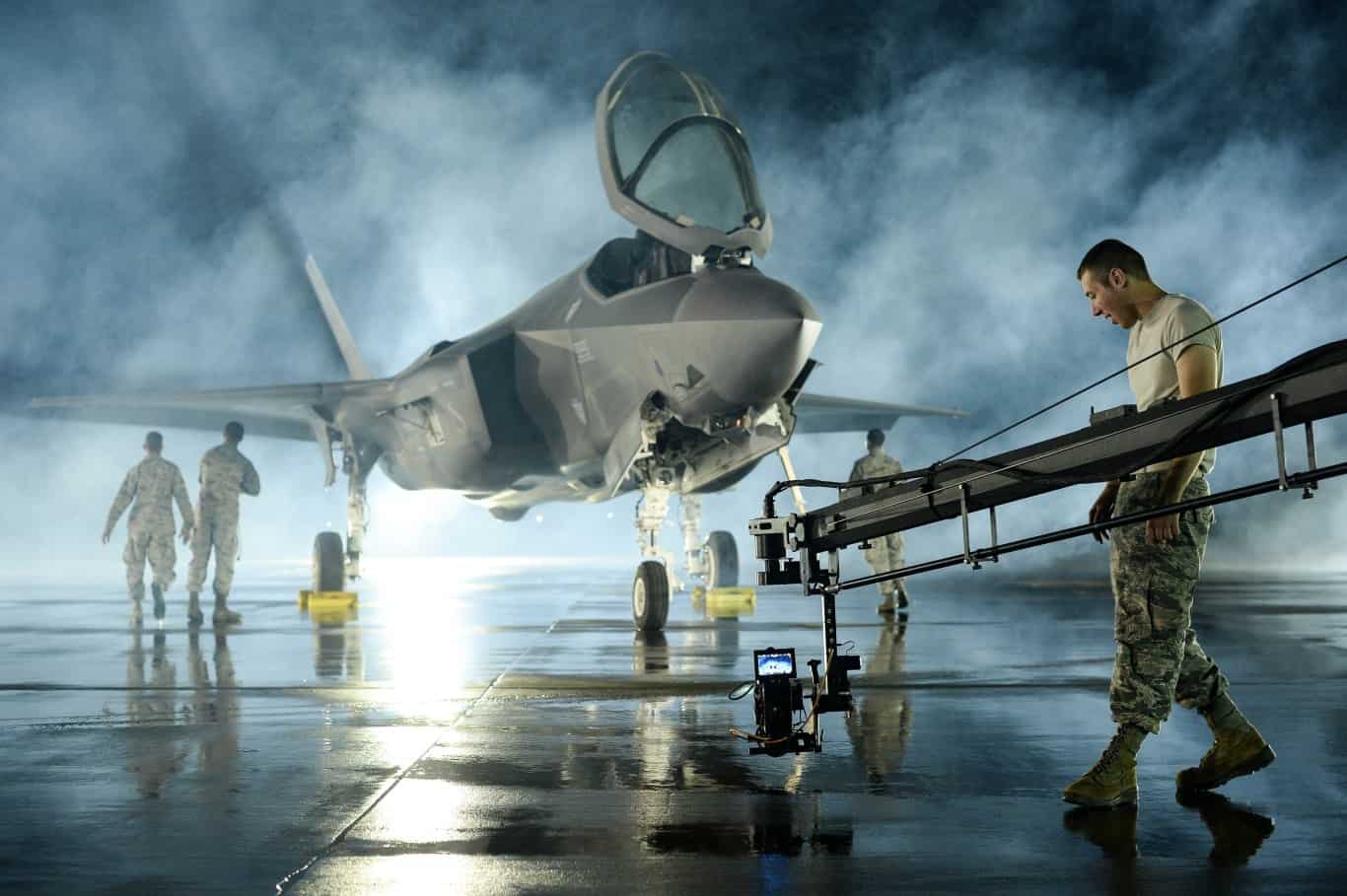
Although these weapons were once hidden, many eventually became public through declassification, investigative reporting, or official acknowledgment. When they were finally revealed, they often showed just how far military research had advanced behind closed doors. In many cases, the world only learned about these systems long after they had already influenced strategy, deterrence, or real-world operations.
These Weapons Stayed Hidden Until Long After They Were Built
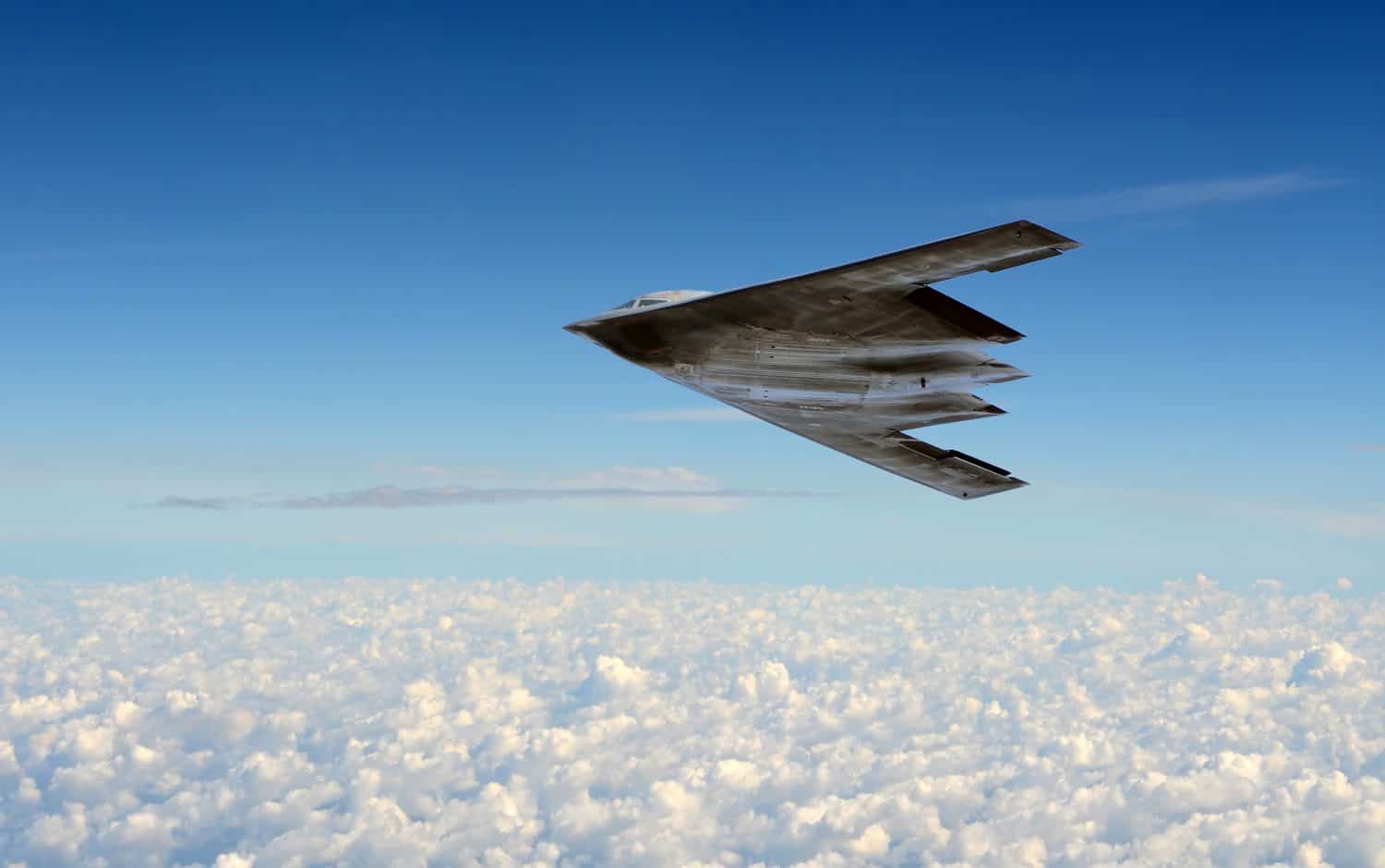
The weapons on this list were once among the most closely guarded secrets in military history. Developed in remote test facilities, secret laboratories, and classified programs, they stayed hidden until long after they were built. Together, they reveal how secrecy itself became a strategic tool and how some of the most important military innovations were kept out of public view for years.
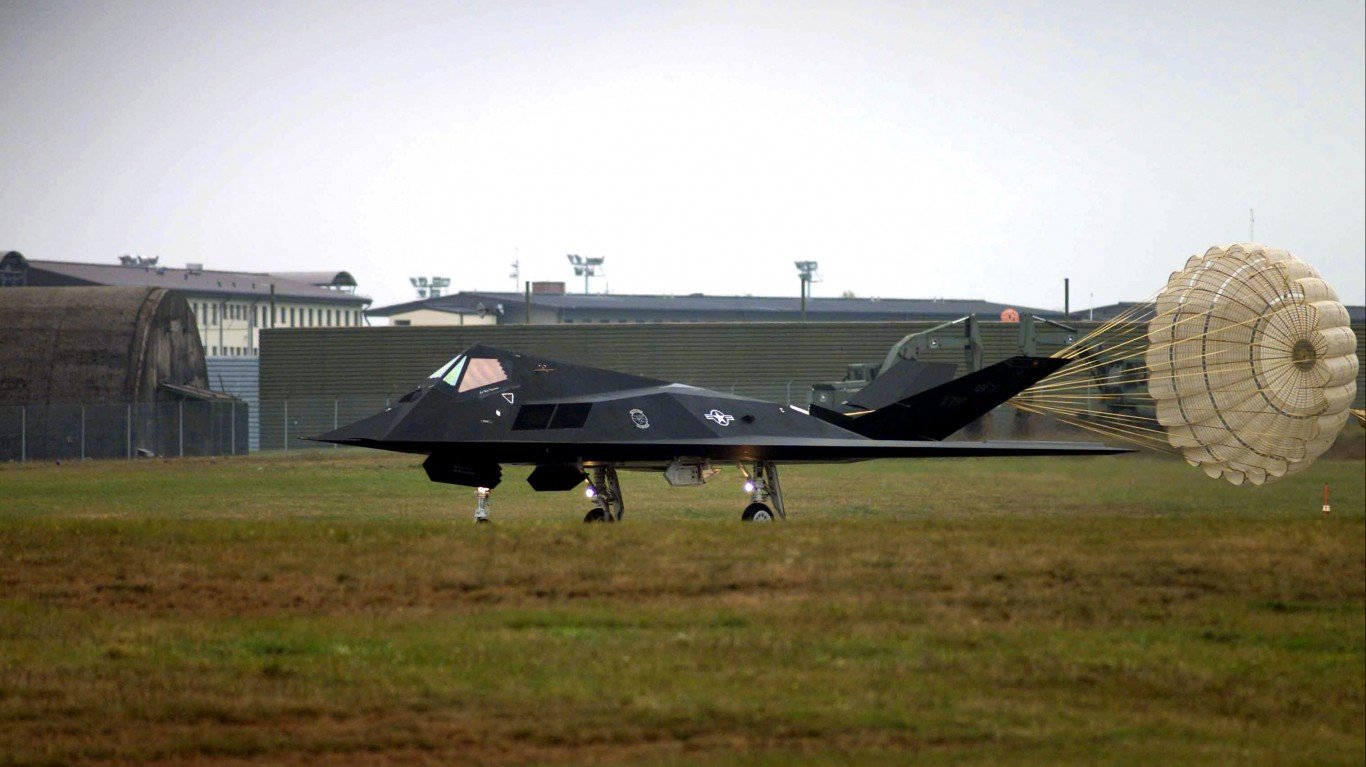
F-117 Nighthawk
- Weapon type: Stealth attack aircraft
- Developer or program: Lockheed Skunk Works / Have Blue Program
- Development era: Late Cold War
- First operational use or test: 1981
- Year publicly revealed: 1988
- Strategic purpose: Stealth strike capability
The F-117 Nighthawk was one of the first operational stealth aircraft ever built. Developed in extreme secrecy by Lockheed’s Skunk Works, the program was hidden from the public for years as engineers perfected radar-evading aircraft shapes. When the U.S. Air Force finally revealed the aircraft in 1988, it represented a revolutionary leap in airpower and later proved its effectiveness during the Gulf War.
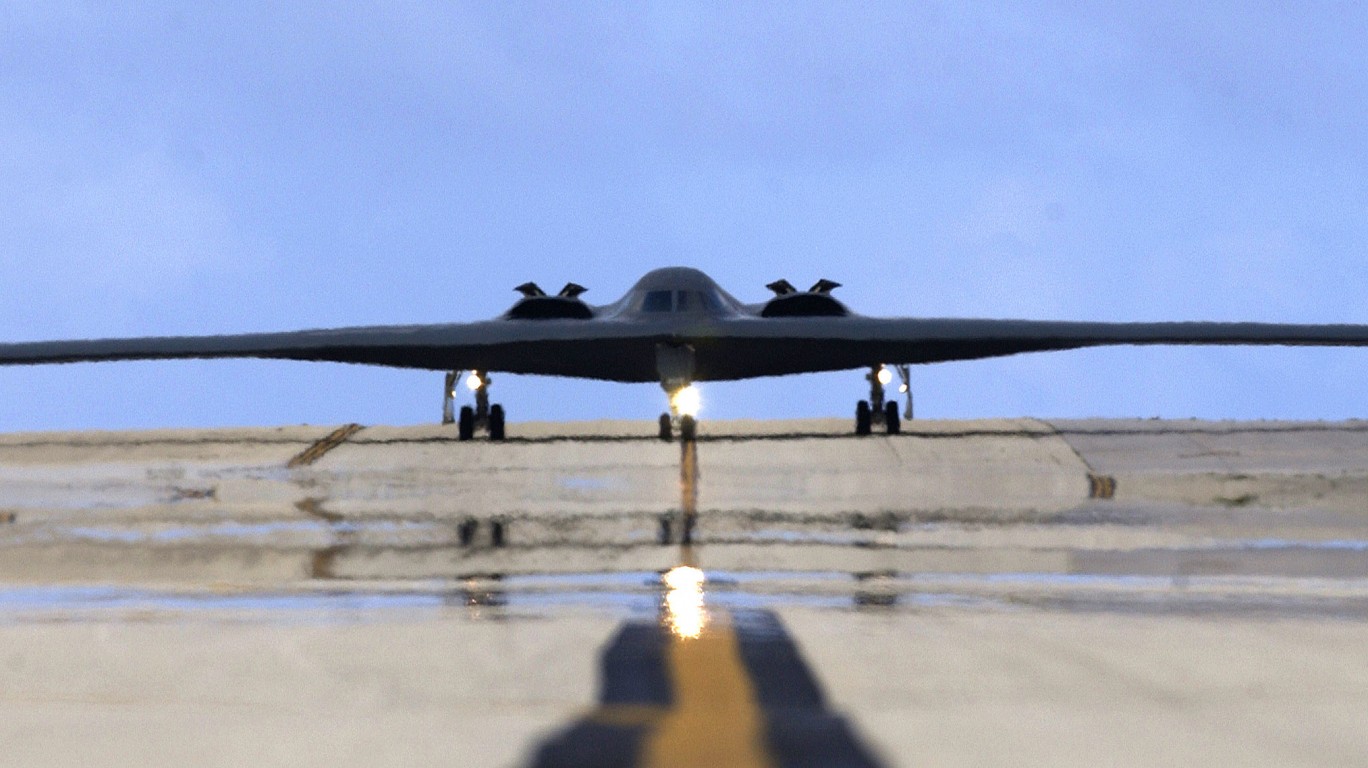
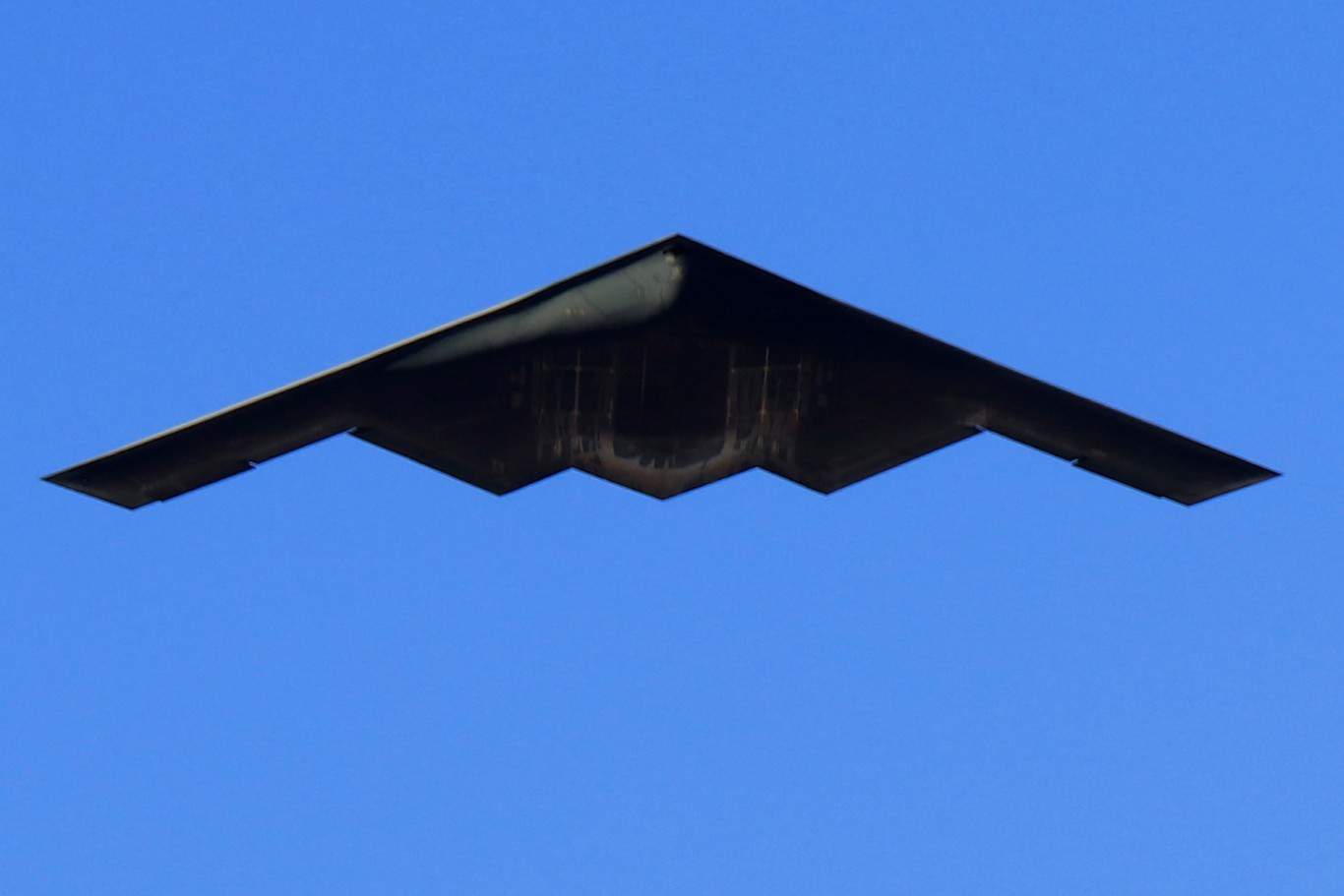
B-2 Spirit
- Weapon type: Stealth strategic bomber
- Developer or program: Northrop / USAF Black Program
- Development era: Late Cold War
- First operational use or test: 1989
- Year publicly revealed: 1988
- Strategic purpose: Penetrating nuclear strike bomber
The B-2 Spirit stealth bomber emerged from one of the most classified aircraft programs of the Cold War. Designed to penetrate heavily defended Soviet airspace, the flying-wing bomber incorporated advanced stealth materials and shapes that were closely guarded secrets. Even after its public unveiling, many details about the B-2’s technology remained classified, highlighting how critical stealth capabilities were to U.S. strategy.
SR-71 Blackbird

- Weapon type: Strategic reconnaissance aircraft
- Developer or program: Lockheed Skunk Works
- Development era: Cold War
- First operational use or test: 1964
- Year publicly revealed: 1964
- Strategic purpose: High‑altitude reconnaissance
The SR-71 Blackbird became one of the fastest aircraft ever built, capable of flying at speeds exceeding Mach 3. Developed by Lockheed’s Skunk Works during the Cold War, its reconnaissance mission and advanced materials were kept highly classified. For years, the aircraft’s capabilities were known only to a small circle within the U.S. military and intelligence community.
A-12 Oxcart
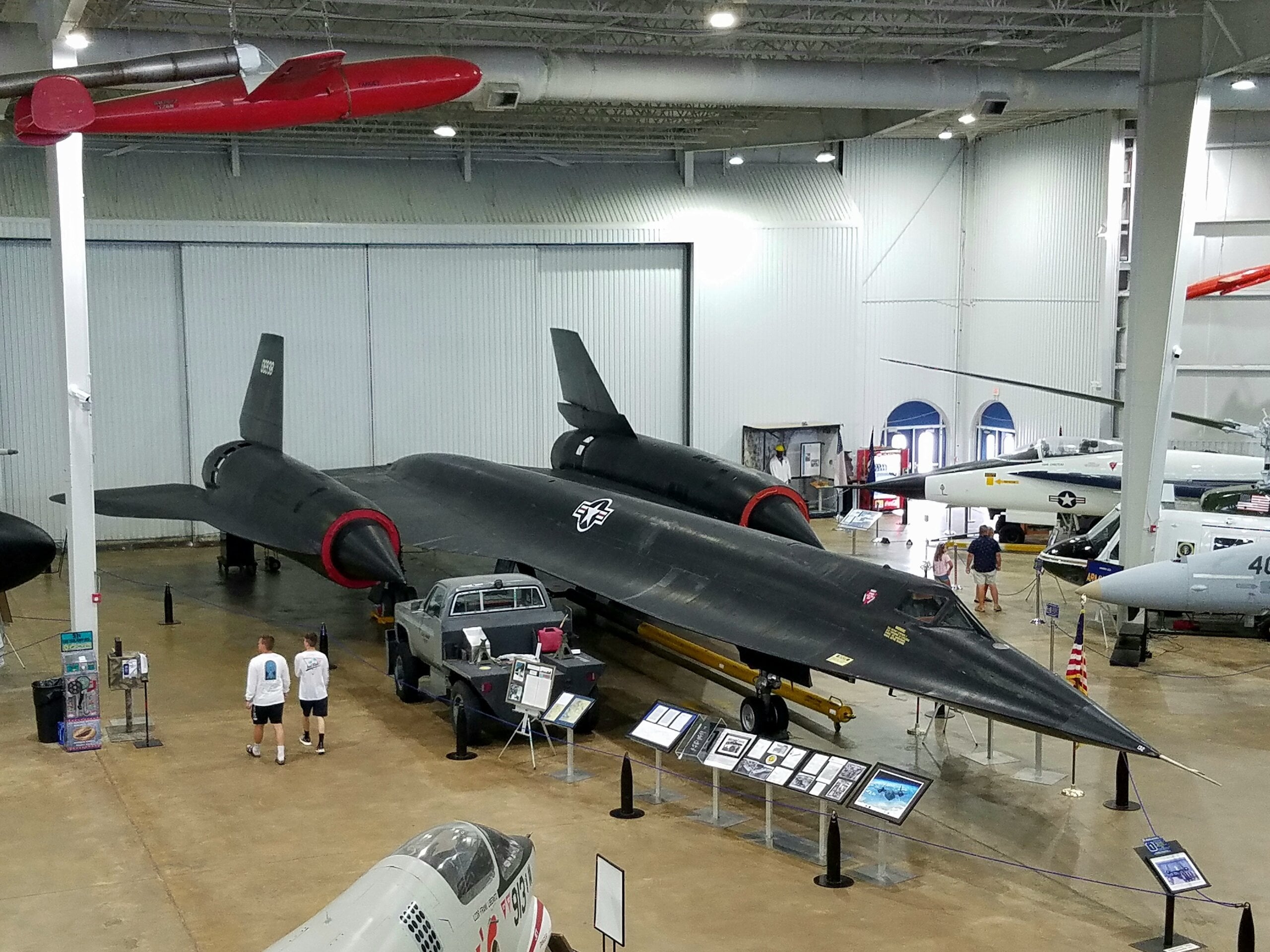
- Weapon type: Reconnaissance aircraft
- Developer or program: CIA / Lockheed Skunk Works
- Development era: Cold War
- First operational use or test: 1962
- Year publicly revealed: 1967
- Strategic purpose: Covert intelligence gathering
The A-12 Oxcart was the CIA’s secret reconnaissance aircraft that paved the way for the SR-71. Built in total secrecy during the early 1960s, the aircraft operated from remote bases and conducted surveillance missions over hostile territory. The program remained classified for years, and its existence was not fully revealed until decades later when documents were declassified.
Have Blue
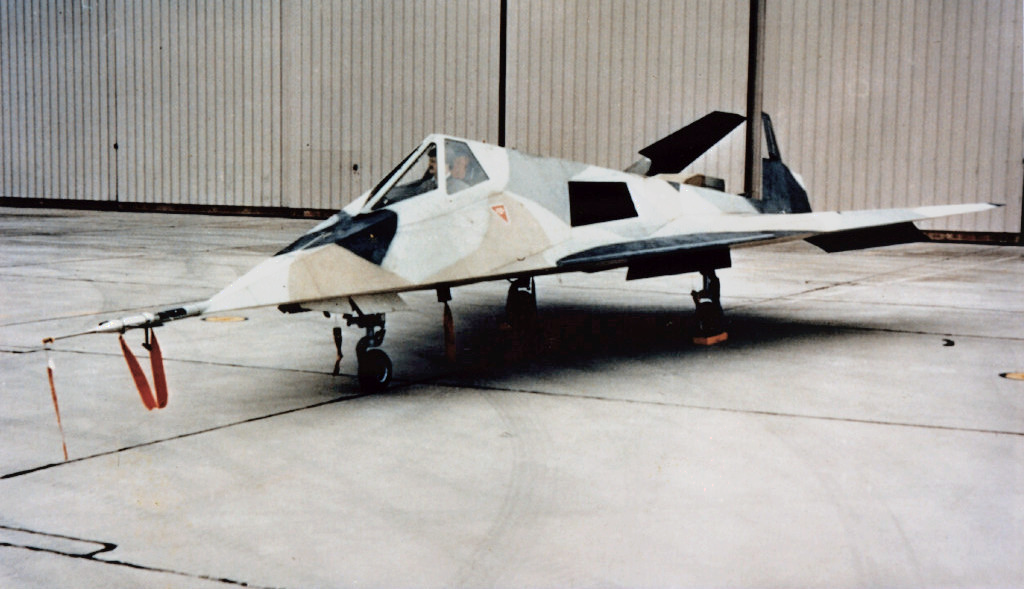
- Weapon type: Stealth demonstrator aircraft
- Developer or program: Lockheed Skunk Works
- Development era: Cold War
- First operational use or test: 1977
- Year publicly revealed: 1990
- Strategic purpose: Testing stealth technology
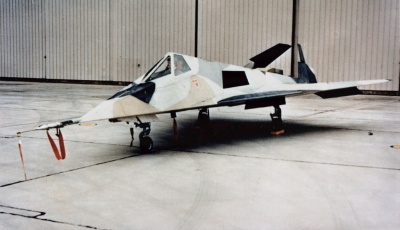
Have Blue was an experimental aircraft created to prove that stealth technology could work in real-world conditions. Developed by Lockheed in the 1970s, the aircraft featured unusual faceted surfaces designed to scatter radar signals. The program remained deeply classified until the stealth concept was publicly acknowledged years later, paving the way for aircraft like the F-117.
Tacit Blue
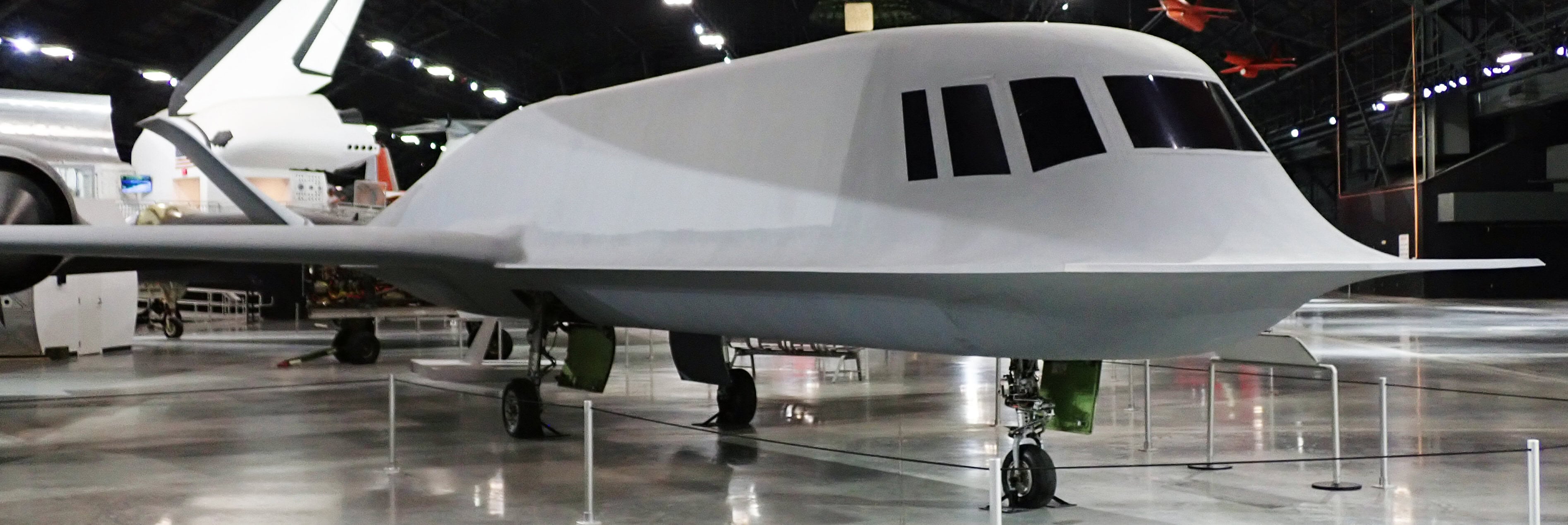
- Weapon type: Experimental stealth aircraft
- Developer or program: Northrop / DARPA
- Development era: Cold War
- First operational use or test: 1982
- Year publicly revealed: 1996
- Strategic purpose: Low‑observable surveillance aircraft research
Tacit Blue was one of the strangest-looking aircraft ever built, with a curved body designed to test advanced radar and stealth technologies. Developed by Northrop under a highly classified program, it flew numerous secret test flights in the 1980s. The aircraft’s existence was not publicly revealed until 1996, long after the program had already ended.
YF-12 Interceptor
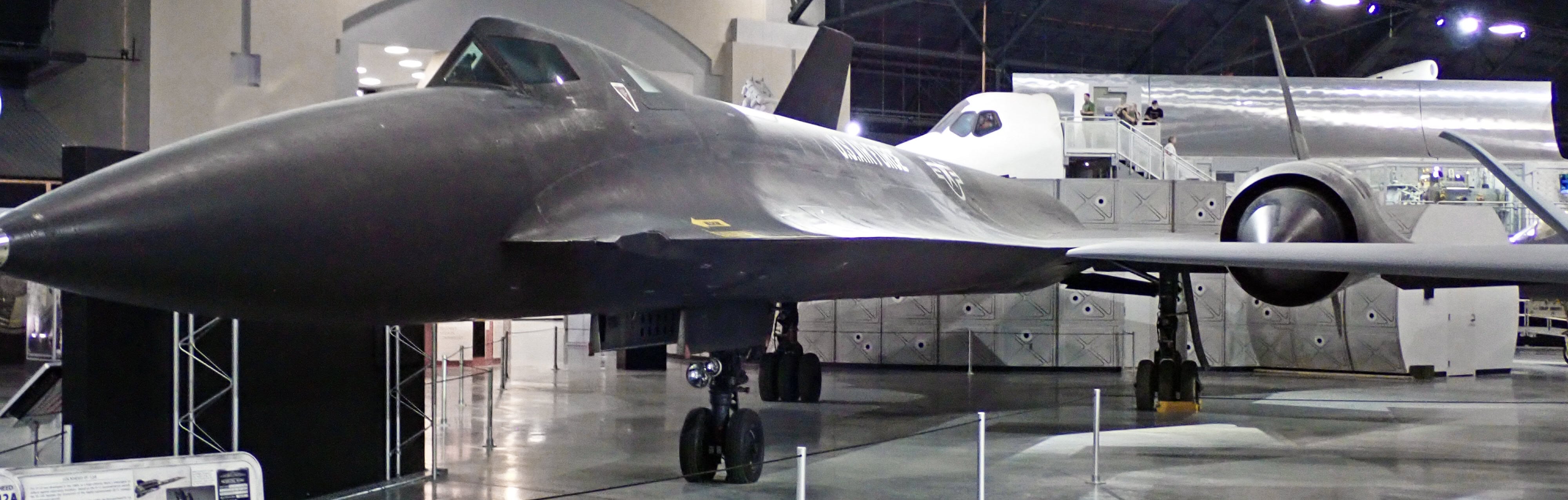
- Weapon type: Experimental interceptor aircraft
- Developer or program: Lockheed Skunk Works
- Development era: Cold War
- First operational use or test: 1963
- Year publicly revealed: 1964
- Strategic purpose: High‑speed air defense interceptor
The YF-12 interceptor was an experimental aircraft derived from the A-12 reconnaissance platform. Designed to intercept enemy bombers at extremely high speeds, the project remained secret during its early development stages. Although only a few prototypes were built, the program demonstrated technologies that later influenced high-speed aircraft design.
Lockheed D‑21
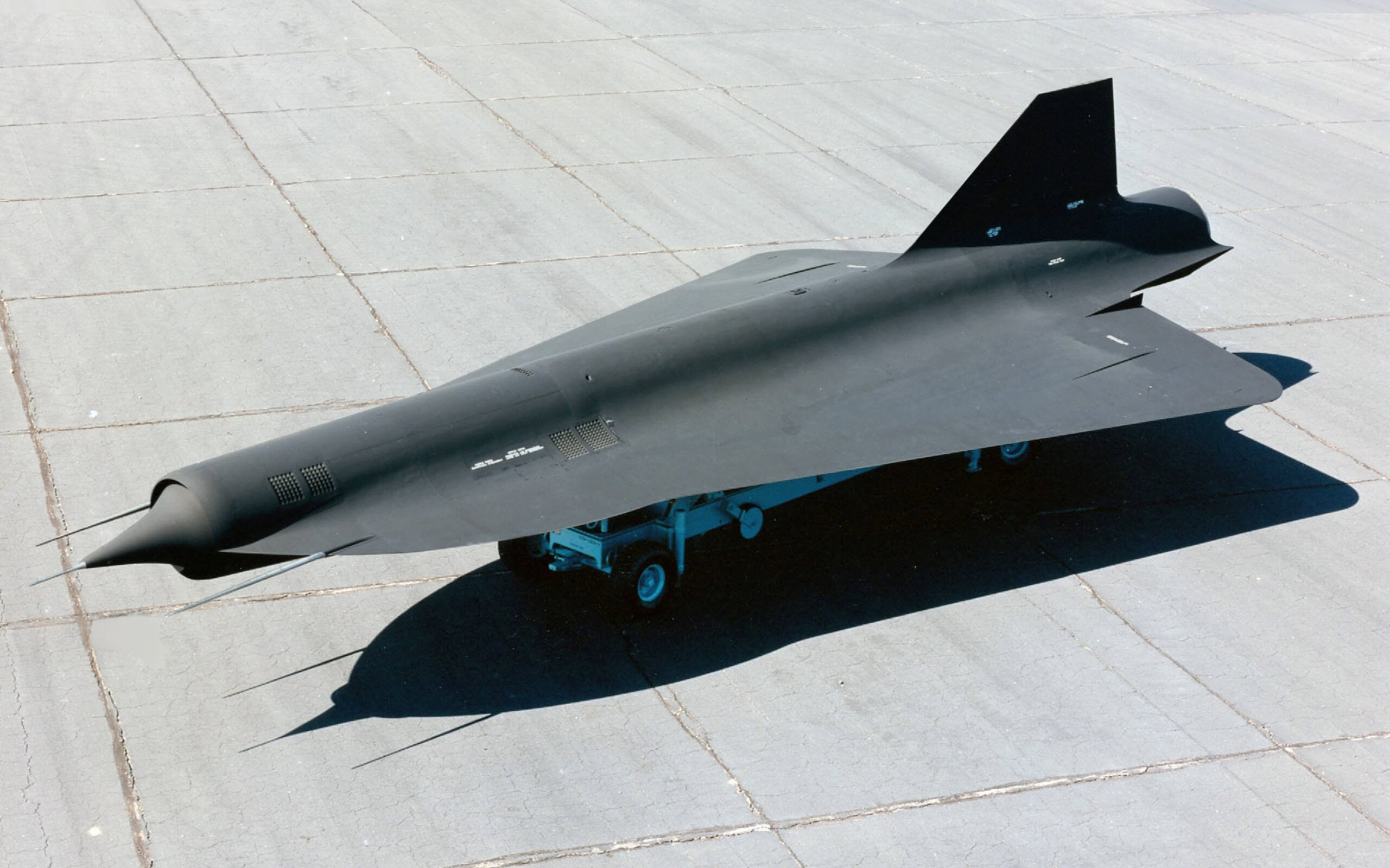
- Weapon type: Reconnaissance drone
- Developer or program: Lockheed Skunk Works
- Development era: Cold War
- First operational use or test: 1966
- Year publicly revealed: 1976
- Strategic purpose: High‑speed unmanned surveillance
The D-21 was a supersonic reconnaissance drone capable of flying at speeds above Mach 3. Launched from a carrier aircraft, the drone was designed to gather intelligence over heavily defended areas. Because of its advanced design and mission profile, the project was classified for years before details about the program were eventually revealed.
RQ‑170 Sentinel
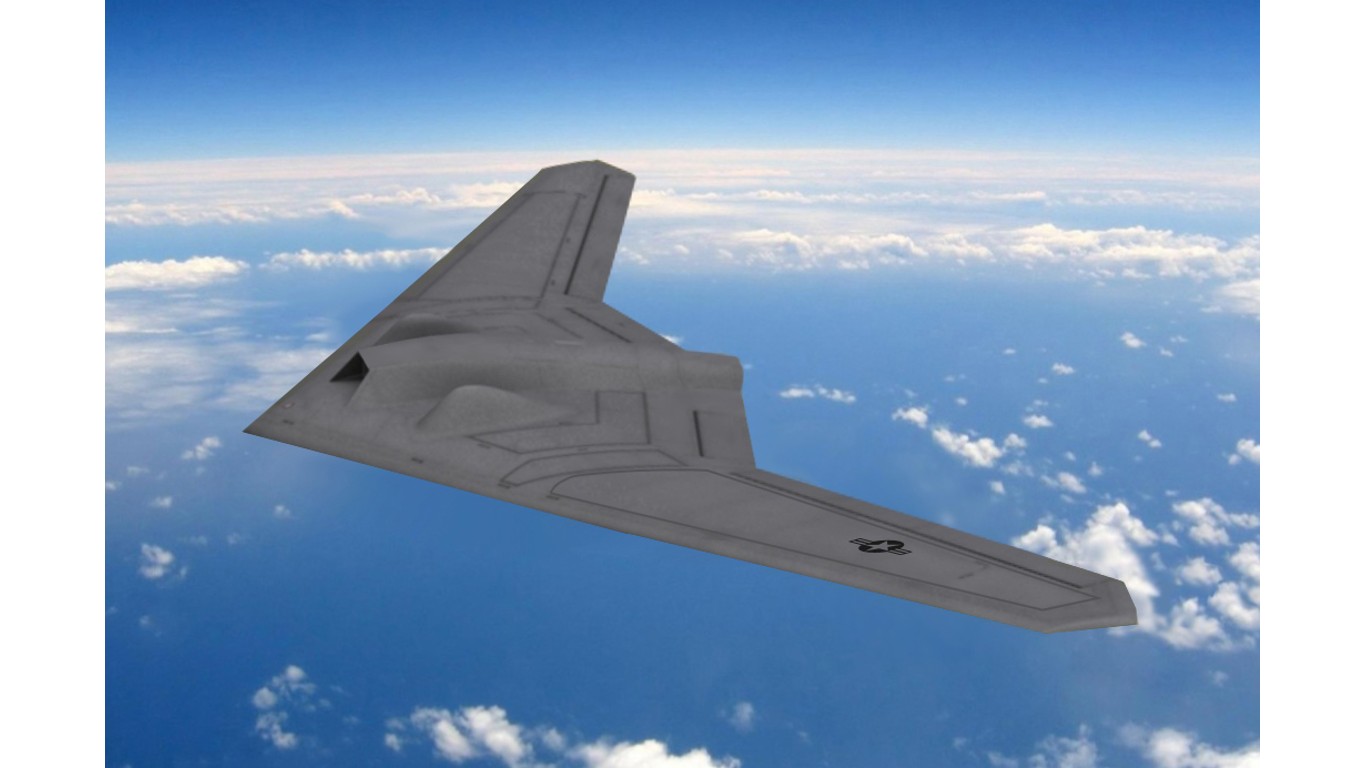
- Weapon type: Stealth reconnaissance drone
- Developer or program: Lockheed Martin
- Development era: 2000s
- First operational use or test: 2007
- Year publicly revealed: 2009
- Strategic purpose: Covert ISR operations
The RQ-170 Sentinel is a stealth reconnaissance drone used by the U.S. Air Force and intelligence agencies. Its existence remained secret until photographs surfaced of the aircraft at a base in Afghanistan in 2009. The sleek flying-wing design suggests it incorporates stealth technologies similar to those used in advanced U.S. aircraft programs.
RQ‑3 DarkStar
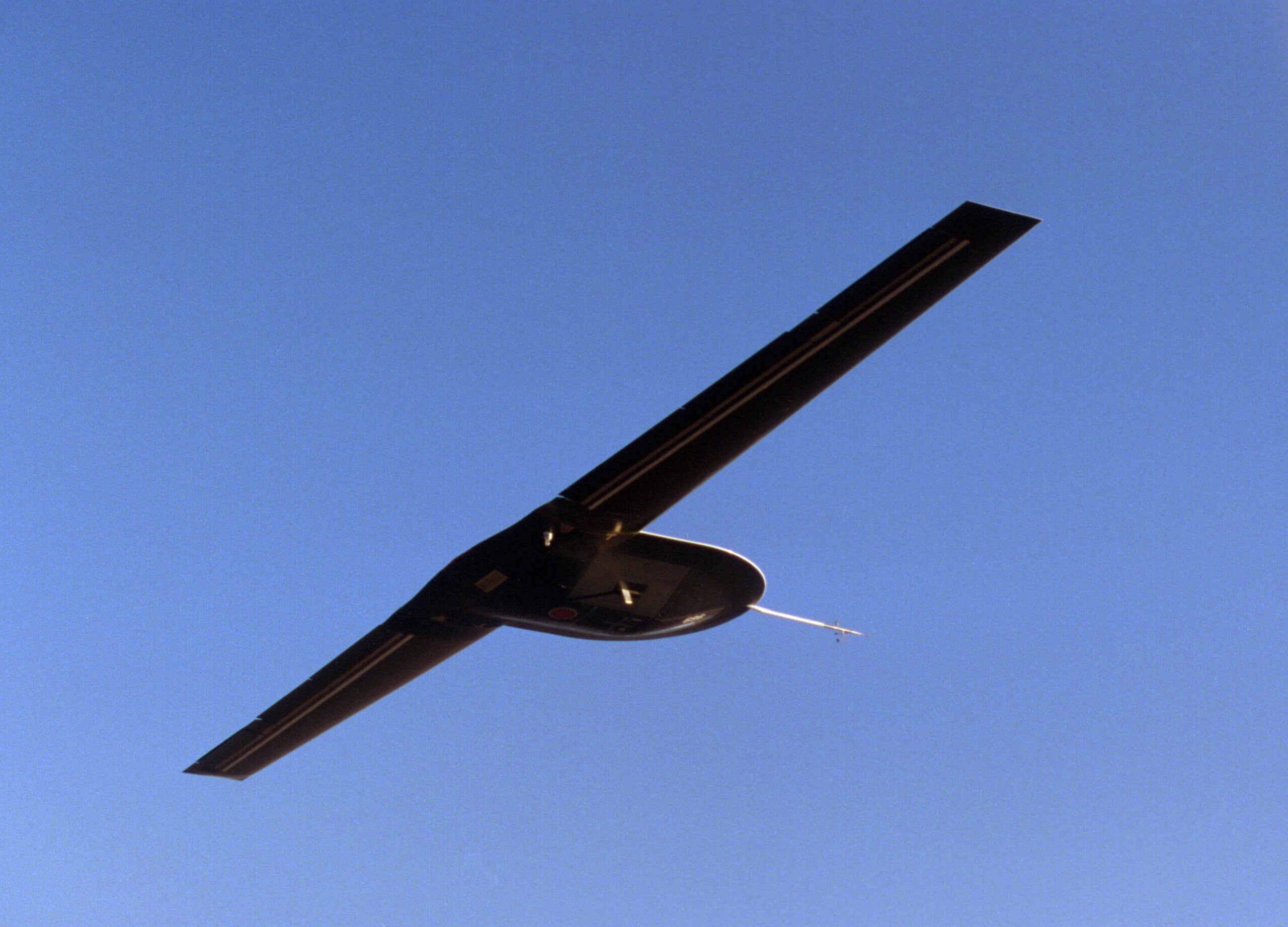
- Weapon type: Stealth UAV prototype
- Developer or program: Lockheed Martin / DARPA
- Development era: 1990s
- First operational use or test: 1996
- Year publicly revealed: 1999
- Strategic purpose: Stealth unmanned reconnaissance
The RQ-3 DarkStar was an experimental stealth drone developed in the 1990s to test unmanned reconnaissance technologies. Built with low-observable features, the aircraft was intended to conduct surveillance missions in contested airspace. The project remained largely secret until the aircraft was eventually revealed and the program was canceled.
Sea Shadow (IX‑529)
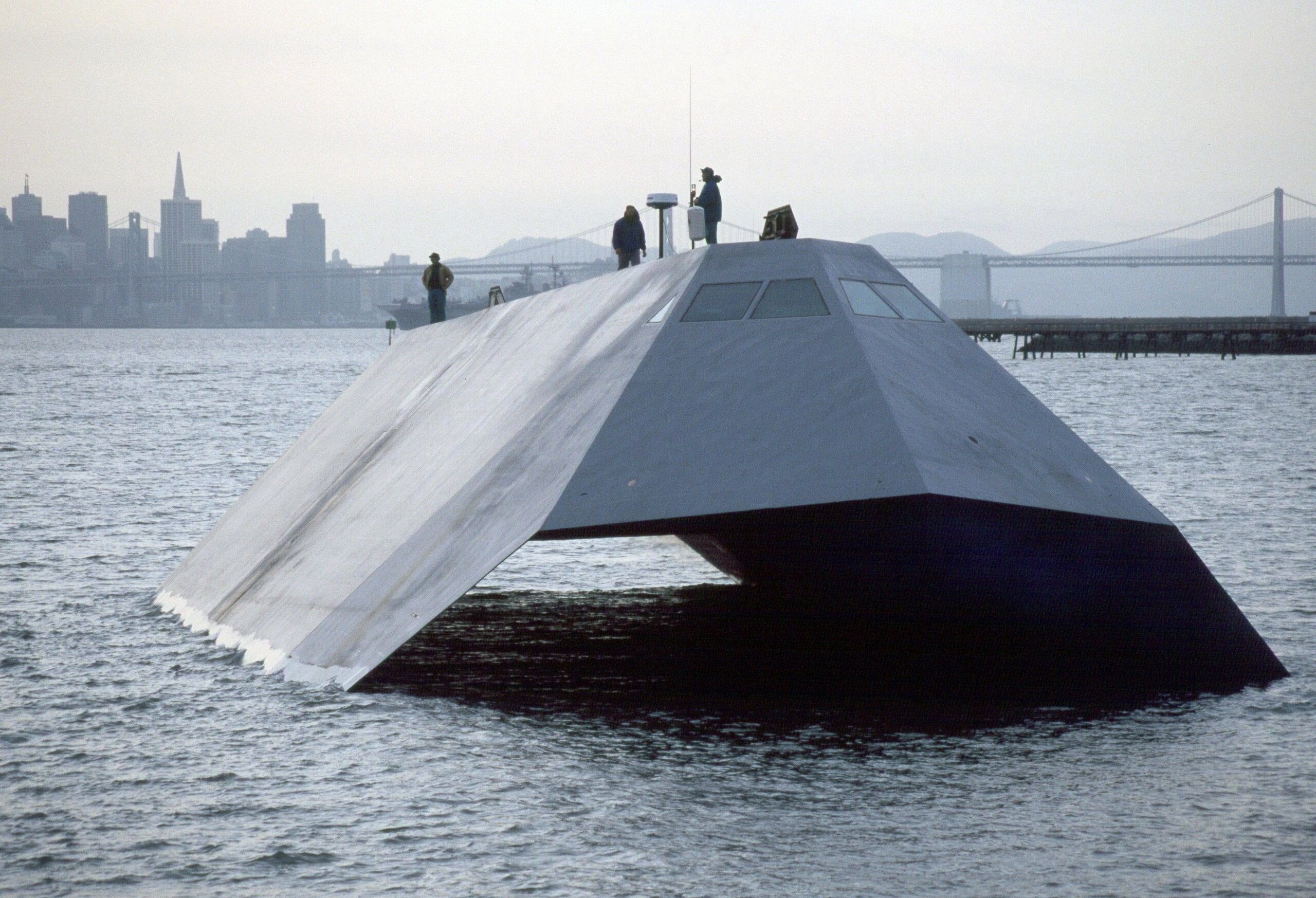
- Weapon type: Experimental stealth ship
- Developer or program: Lockheed / U.S. Navy
- Development era: Cold War
- First operational use or test: 1985
- Year publicly revealed: 1993
- Strategic purpose: Stealth naval architecture testing
The Sea Shadow was an experimental stealth ship designed to test low-radar-signature naval designs. Built in the 1980s under a classified U.S. Navy program, the unusual vessel featured angular surfaces similar to stealth aircraft. For years it operated in secrecy before being publicly revealed in the early 1990s.
Trident II Missile Program
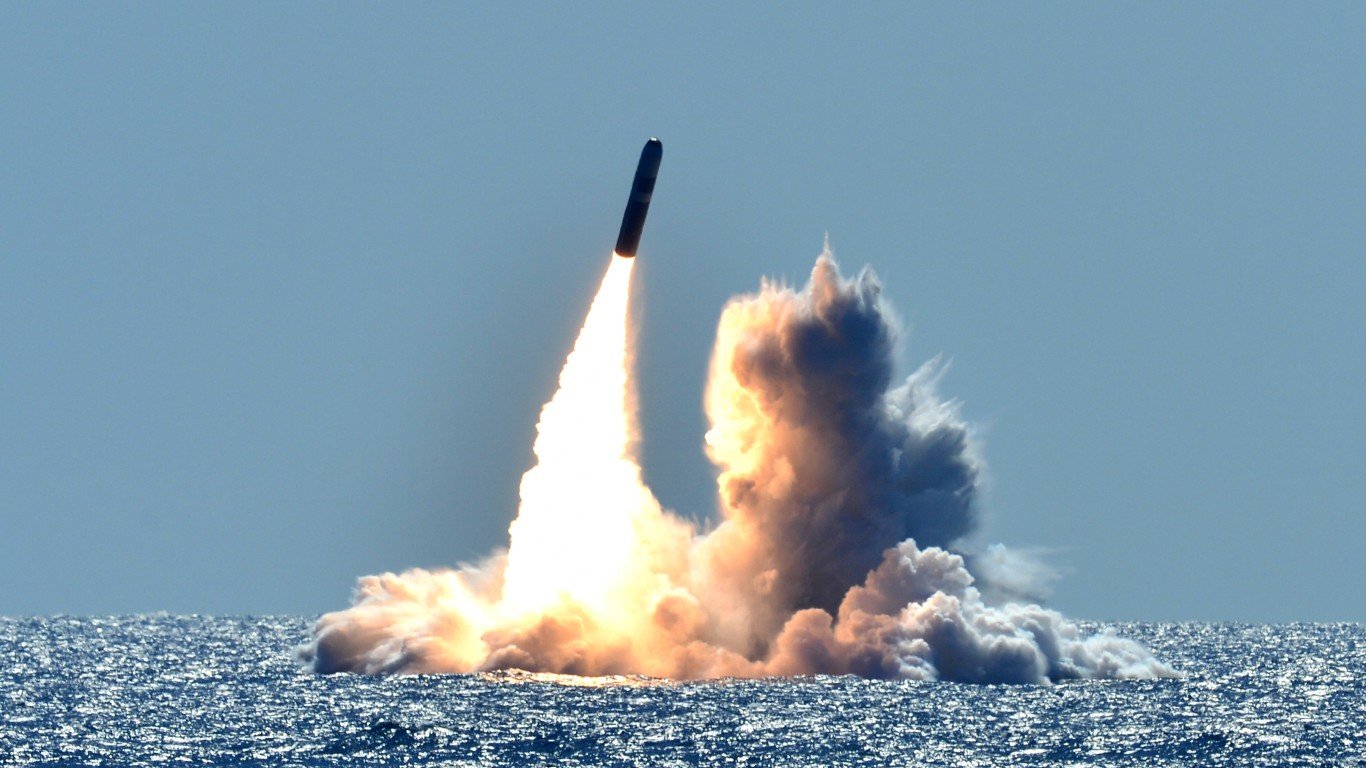
- Weapon type: Submarine‑launched ballistic missile
- Developer or program: U.S. Navy / Lockheed Martin
- Development era: Cold War
- First operational use or test: 1989
- Year publicly revealed: 1990
- Strategic purpose: Strategic nuclear deterrence
The Trident II missile system forms a critical part of the United States’ nuclear deterrent. Developed for deployment aboard ballistic missile submarines, the system’s capabilities and technological details were highly classified. Keeping the missile’s performance characteristics secret helped preserve the credibility of the U.S. nuclear deterrent during the Cold War.
Project Azorian Recovery System

- Weapon type: Covert submarine recovery platform
- Developer or program: CIA / Hughes Glomar Explorer
- Development era: Cold War
- First operational use or test: 1974
- Year publicly revealed: 2010
- Strategic purpose: Recover Soviet submarine technology
Project Azorian was a covert CIA operation designed to recover a sunken Soviet submarine from the Pacific Ocean. The project involved the construction of a specially designed ship capable of lifting the submarine from extreme depths. The mission remained one of the most closely guarded secrets of the Cold War for decades.
Teller‑Ulam Hydrogen Bomb Design
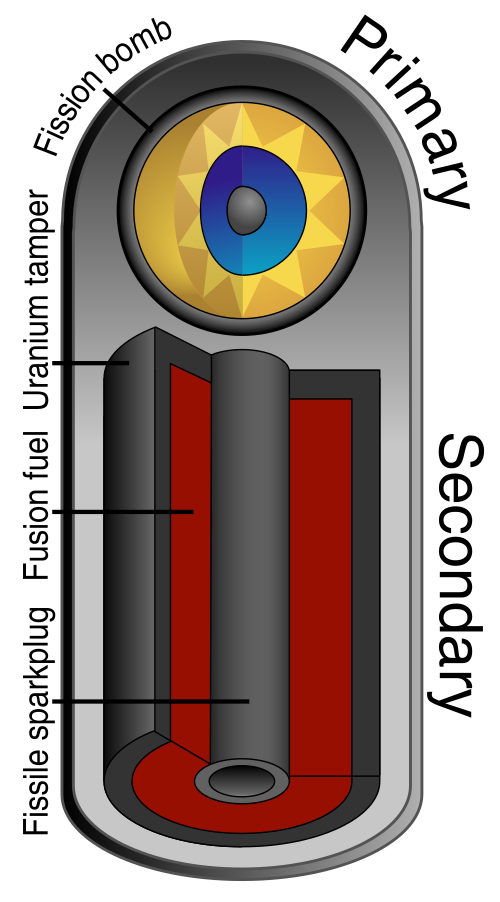
- Weapon type: Thermonuclear weapon design
- Developer or program: Los Alamos National Laboratory
- Development era: Cold War
- First operational use or test: 1952
- Year publicly revealed: 1979
- Strategic purpose: Strategic nuclear superiority
The Teller-Ulam design revolutionized nuclear weapons by enabling the creation of thermonuclear bombs far more powerful than earlier atomic weapons. The details of this breakthrough remained highly classified for decades because they represented the foundation of modern hydrogen bombs. Even today, some aspects of thermonuclear weapon design remain closely guarded.
W76 Nuclear Warhead
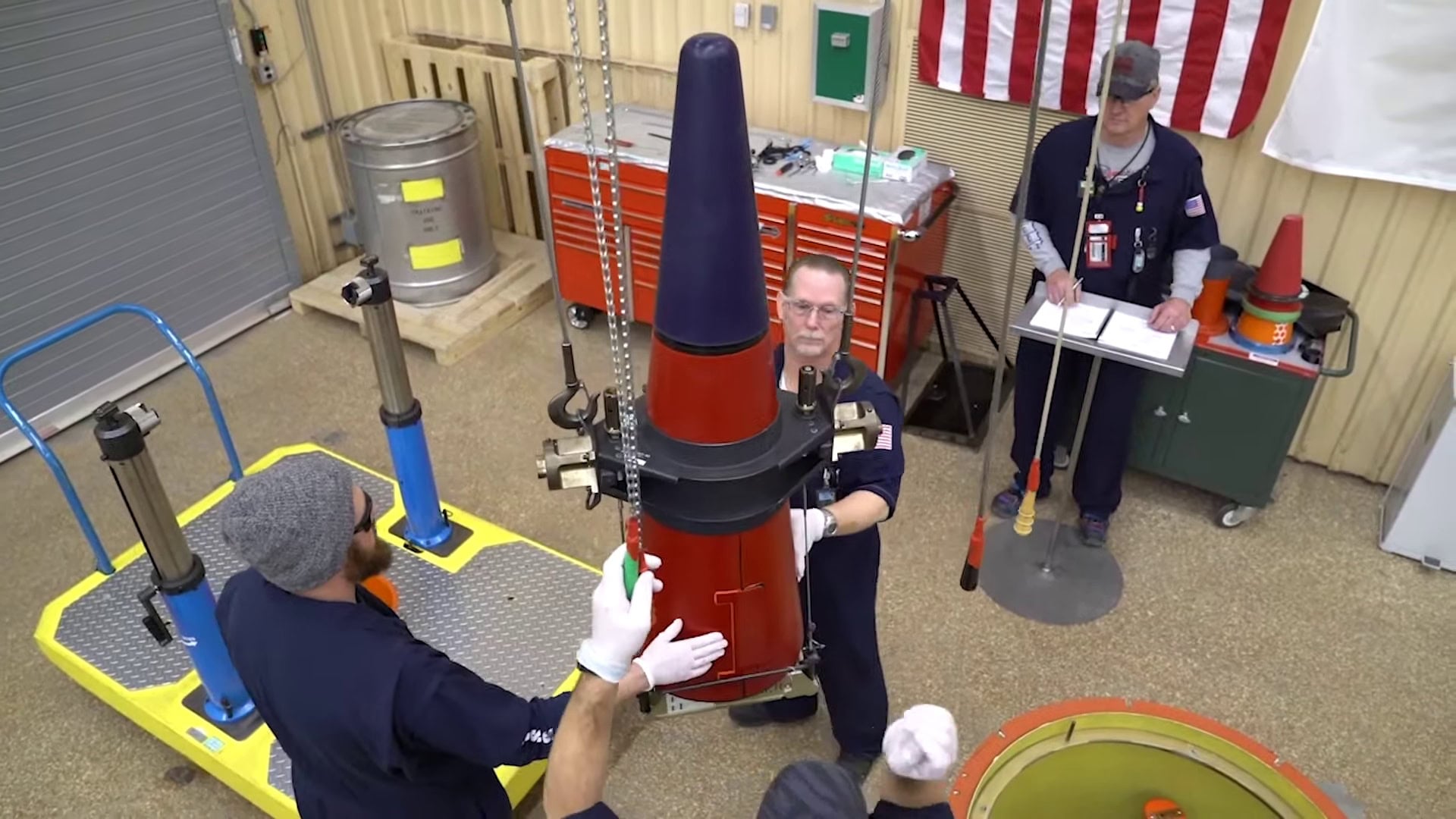
- Weapon type: Submarine nuclear warhead
- Developer or program: Los Alamos / U.S. Navy
- Development era: Cold War
- First operational use or test: 1978
- Year publicly revealed: 2000
- Strategic purpose: Submarine‑based nuclear deterrent
The W76 nuclear warhead was developed as part of the U.S. Navy’s submarine-based nuclear deterrent. Although widely deployed on ballistic missile submarines, the technical details of the warhead were kept secret for decades. Such secrecy was considered essential to maintaining the credibility and effectiveness of the nation’s strategic deterrent.
Davy Crockett
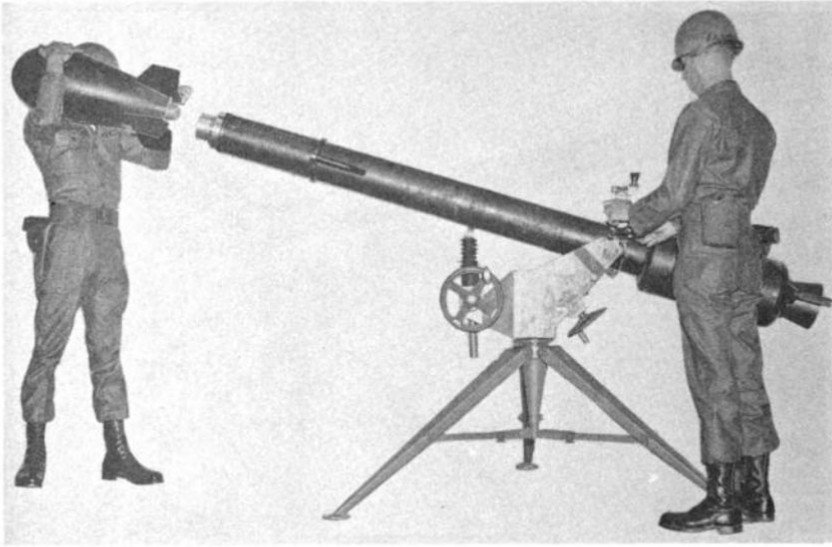
- Weapon type: Tactical nuclear weapon
- Developer or program: U.S. Army
- Development era: Cold War
- First operational use or test: 1961
- Year publicly revealed: 1961
- Strategic purpose: Battlefield nuclear strike capability
The Davy Crockett system was a small nuclear weapon designed for use by U.S. Army units during the Cold War. Mounted on a recoilless rifle launcher, it could deliver a nuclear warhead on the battlefield. Although its existence was eventually known, many details about the system remained classified for years.
Pershing II Missile
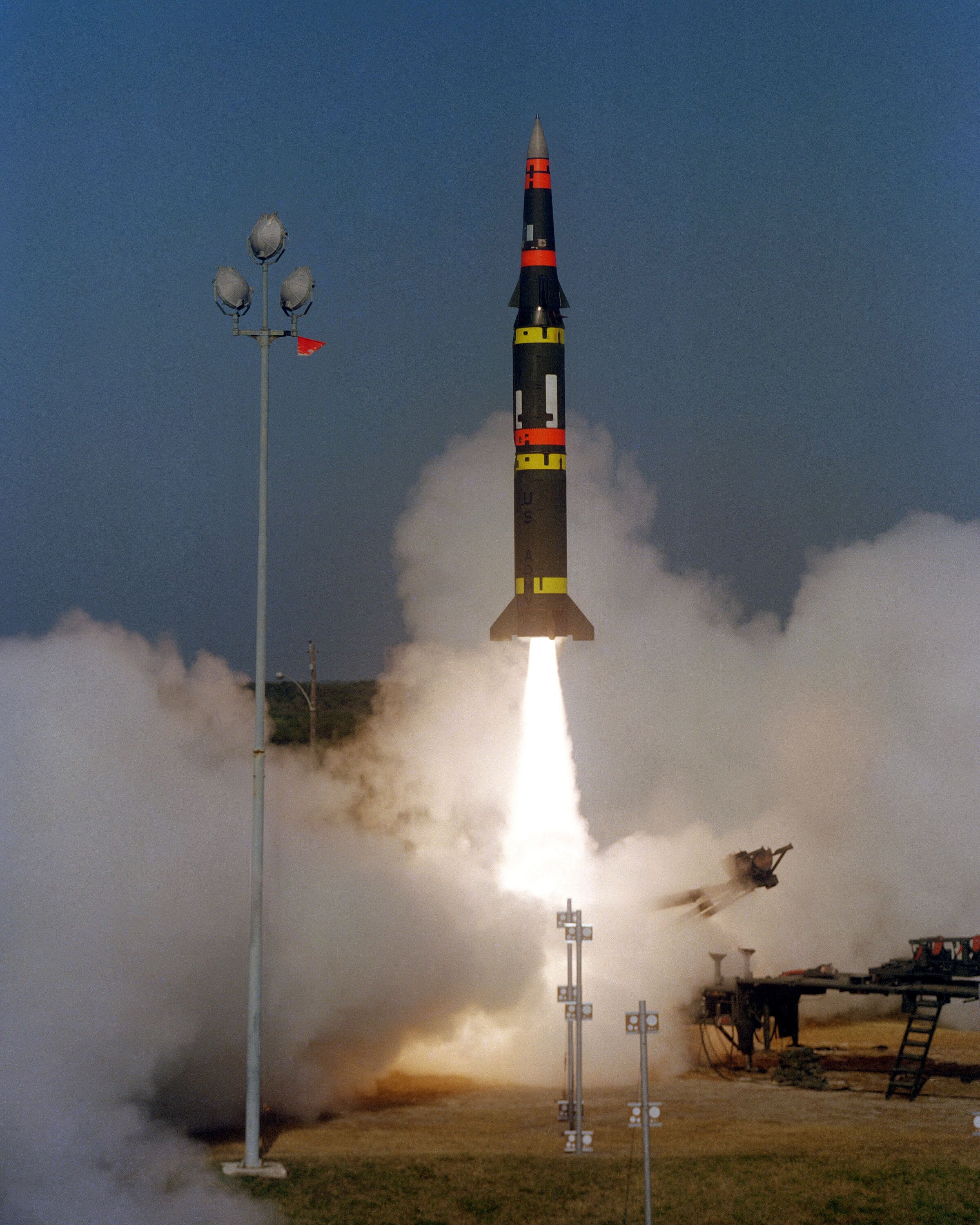
- Weapon type: Ballistic missile
- Developer or program: Martin Marietta
- Development era: Cold War
- First operational use or test: 1983
- Year publicly revealed: 1983
- Strategic purpose: Precision nuclear strike in Europe
The Pershing II missile was a highly accurate ballistic missile deployed by the United States during the Cold War. Designed to strike targets in Europe with precision, its advanced guidance system was closely guarded. The missile became a central issue in Cold War arms control negotiations before eventually being removed under treaty agreements.
AGM‑129 ACM
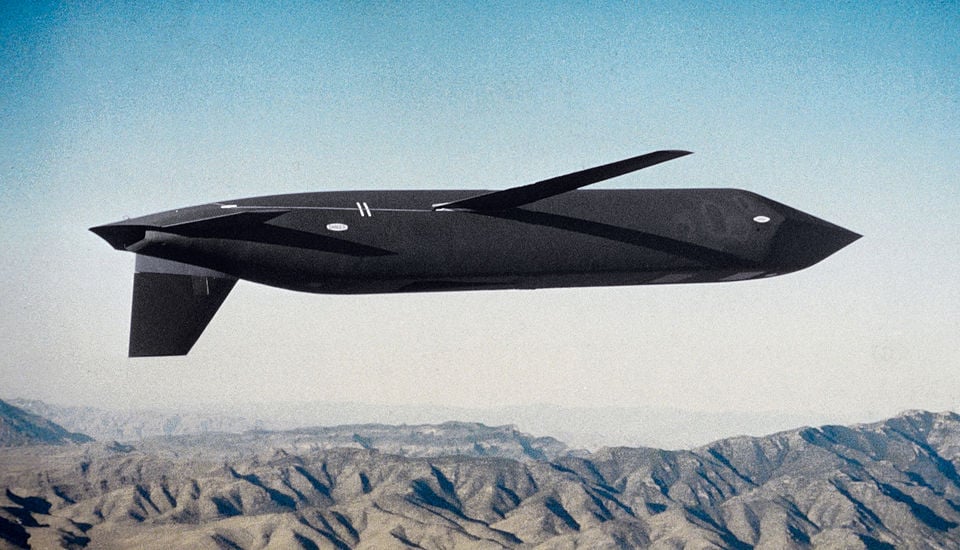
- Weapon type: Stealth cruise missile
- Developer or program: General Dynamics
- Development era: Cold War
- First operational use or test: 1990
- Year publicly revealed: 1992
- Strategic purpose: Low‑observable nuclear cruise missile
The AGM-129 Advanced Cruise Missile was a stealthy nuclear cruise missile developed to evade Soviet air defenses. Because of its low radar signature and advanced navigation systems, much of the missile’s design remained classified during its development and early deployment.
Tomahawk Early Development
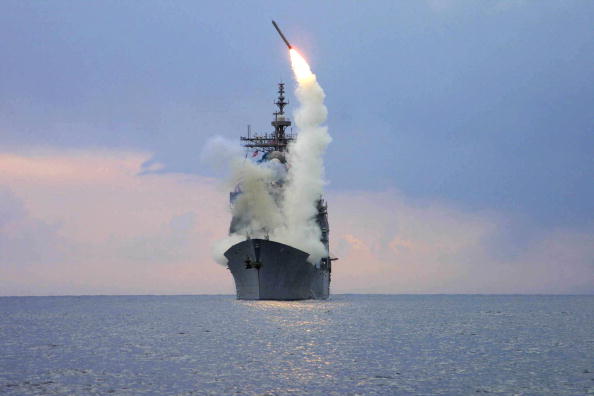
- Weapon type: Cruise missile
- Developer or program: U.S. Navy / General Dynamics
- Development era: Cold War
- First operational use or test: 1976
- Year publicly revealed: 1983
- Strategic purpose: Long‑range precision strike
The early development of the Tomahawk cruise missile involved highly classified research into long-range precision strike weapons. The missile’s ability to travel long distances at low altitude made it a revolutionary weapon system. Keeping its capabilities secret allowed the United States to maintain a strategic advantage.
Project Pluto SLAM
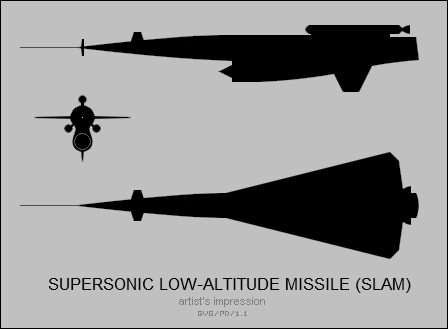
- Weapon type: Nuclear ramjet missile concept
- Developer or program: U.S. Air Force / Livermore
- Development era: Cold War
- First operational use or test: 1961
- Year publicly revealed: 1990
- Strategic purpose: Nuclear powered strategic missile
Project Pluto was a Cold War effort to build a nuclear-powered cruise missile capable of flying across continents. Powered by a nuclear ramjet engine, the concept was both technologically ambitious and extremely controversial. The program remained secret for years due to the extreme nature of the weapon it sought to create.
Project Orion
- Weapon type: Nuclear pulse propulsion concept
- Developer or program: General Atomics / DARPA
- Development era: Cold War
- First operational use or test: 1958
- Year publicly revealed: 2000
- Strategic purpose: Nuclear propulsion research
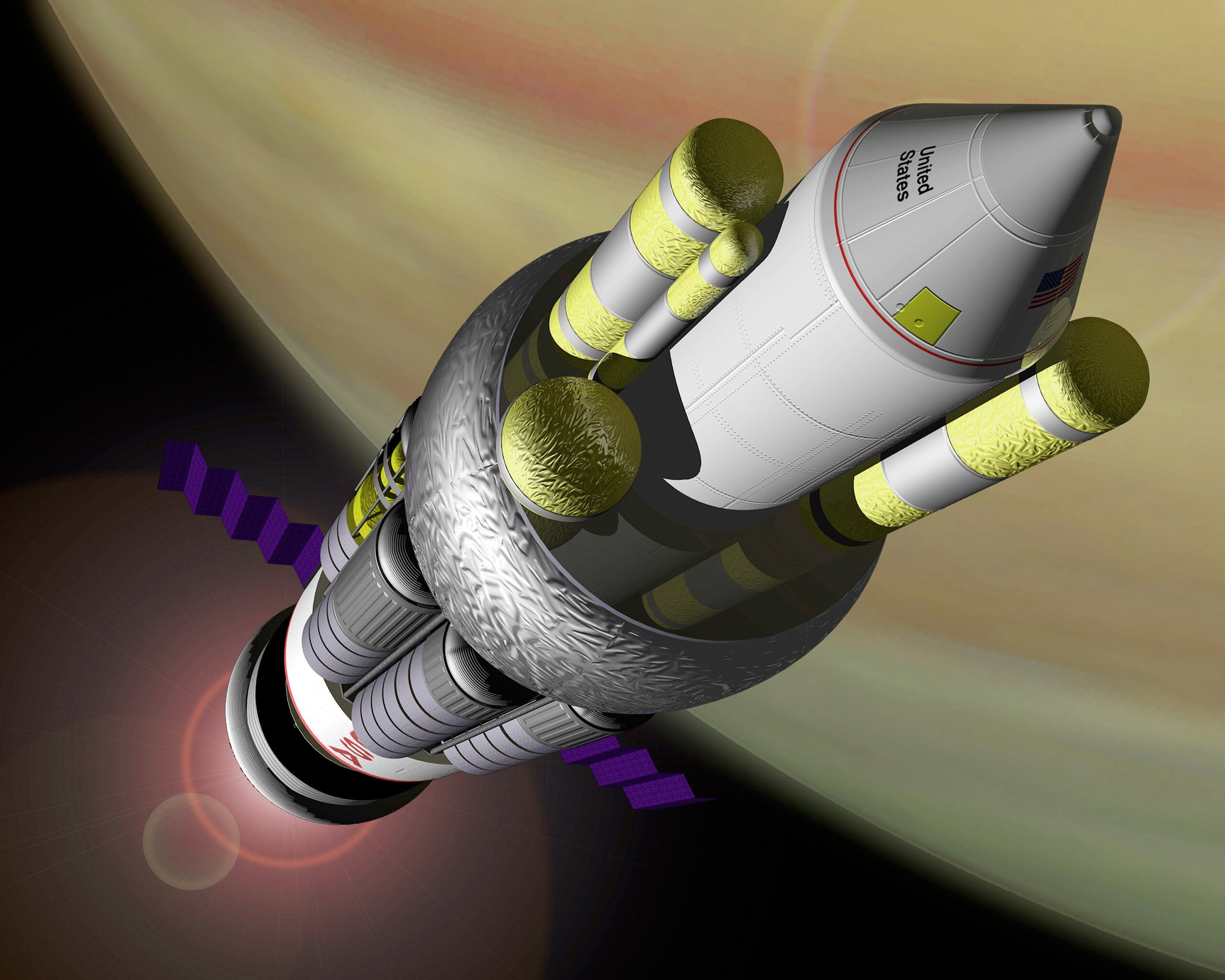
Project Orion explored the possibility of using nuclear explosions to propel spacecraft. Although primarily considered for space exploration, the technology had potential military implications. Because of its unusual concept and strategic implications, much of the research remained classified for years.
X‑47B
- Weapon type: Carrier‑based stealth drone
- Developer or program: Northrop Grumman / DARPA
- Development era: 2000s
- First operational use or test: 2011
- Year publicly revealed: 2013
- Strategic purpose: Autonomous carrier aviation
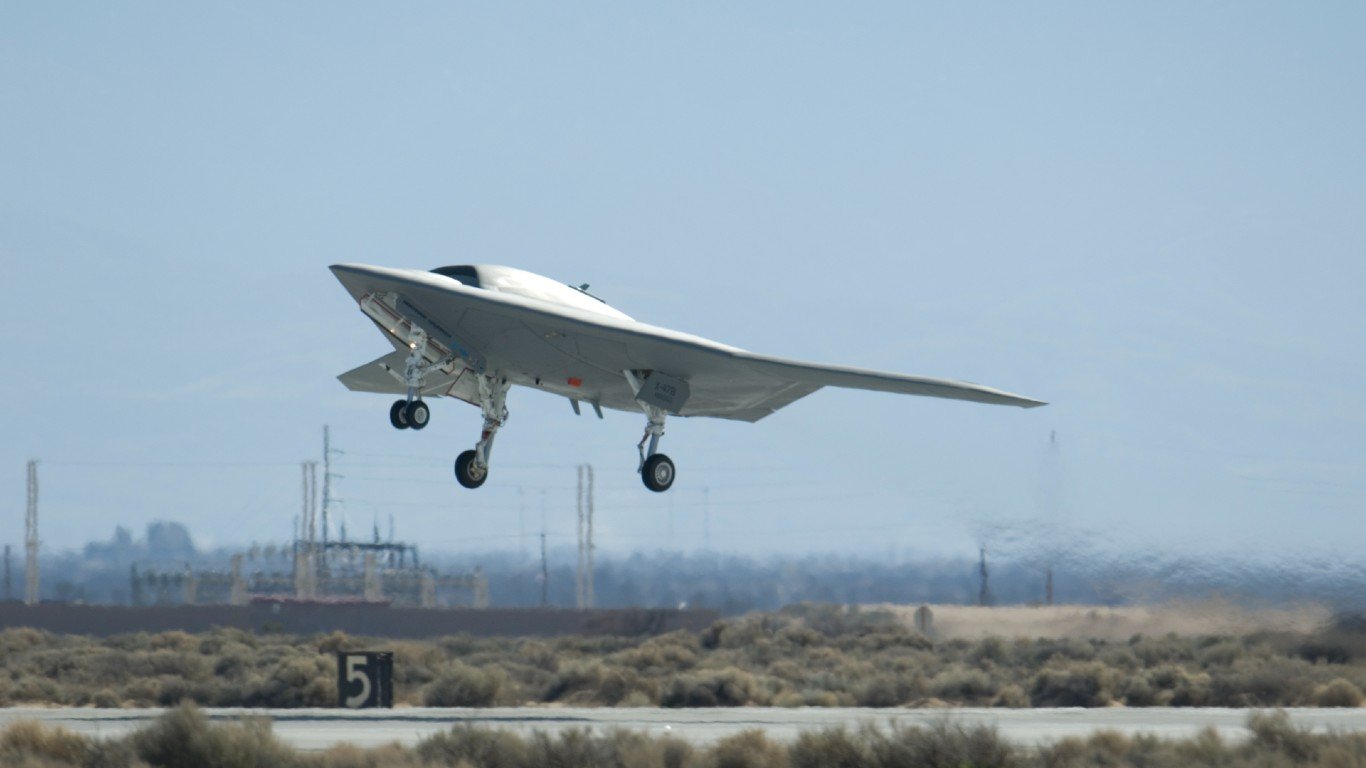
The X-47B was a groundbreaking unmanned aircraft developed to demonstrate autonomous carrier operations. Built by Northrop Grumman and DARPA, the stealth drone successfully performed carrier launches and landings without a human pilot. The project showcased how unmanned systems could transform future naval aviation.
Hypersonic Glide Vehicle Tests
- Weapon type: Hypersonic weapon prototype
- Developer or program: DARPA
- Development era: 2000s
- First operational use or test: 2010
- Year publicly revealed: 2014
- Strategic purpose: Ultra‑fast strike research
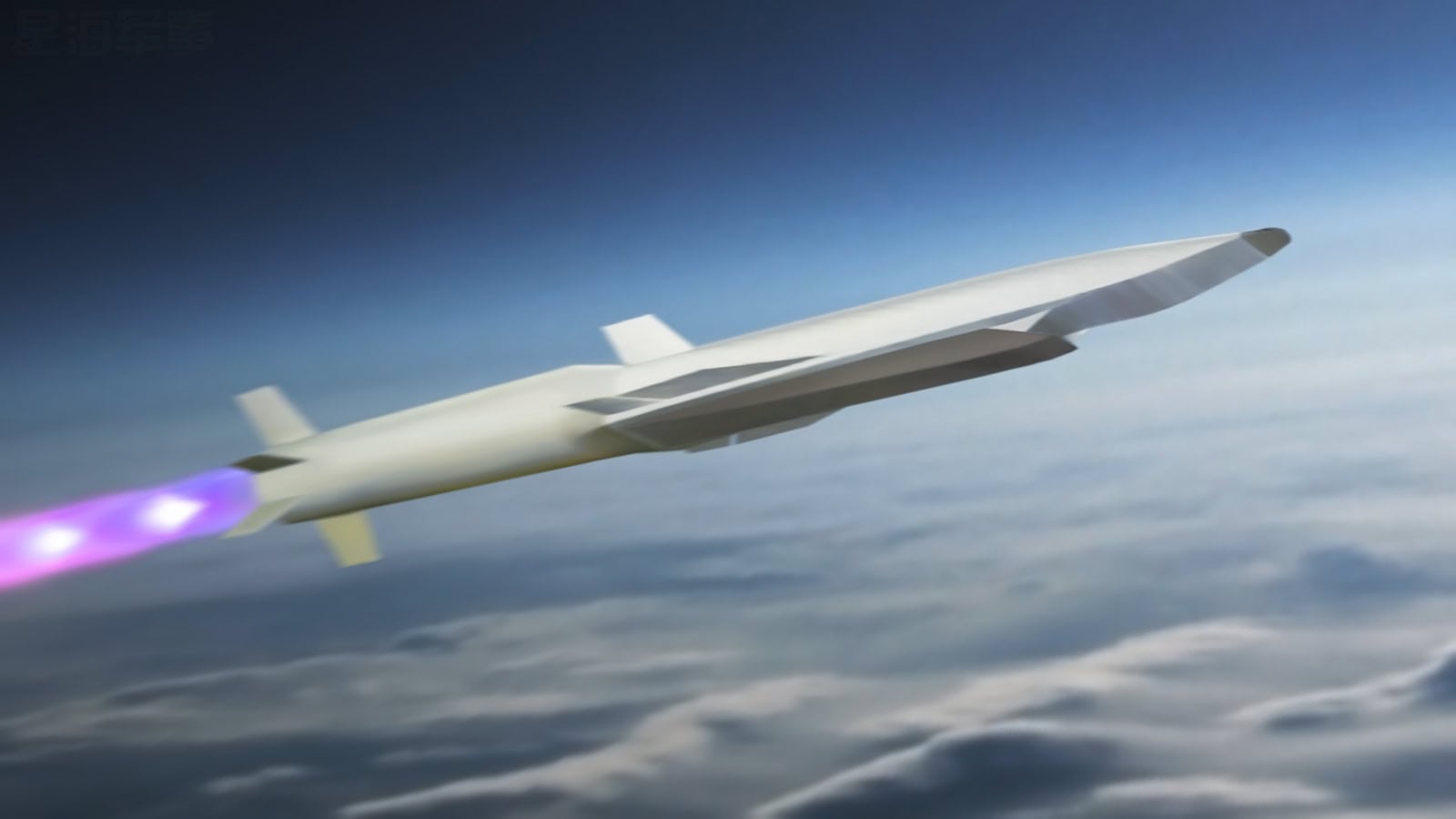
Early hypersonic glide vehicle tests were conducted under highly classified programs as the United States explored weapons capable of traveling at extreme speeds. These systems could potentially strike targets anywhere on Earth within minutes. Because of their strategic implications, much of the research remained secret during early development.
Electromagnetic Railgun Prototype
- Weapon type: Directed energy weapon
- Developer or program: U.S. Navy / DARPA
- Development era: 2000s
- First operational use or test: 2008
- Year publicly revealed: 2010
- Strategic purpose: High‑velocity projectile launch
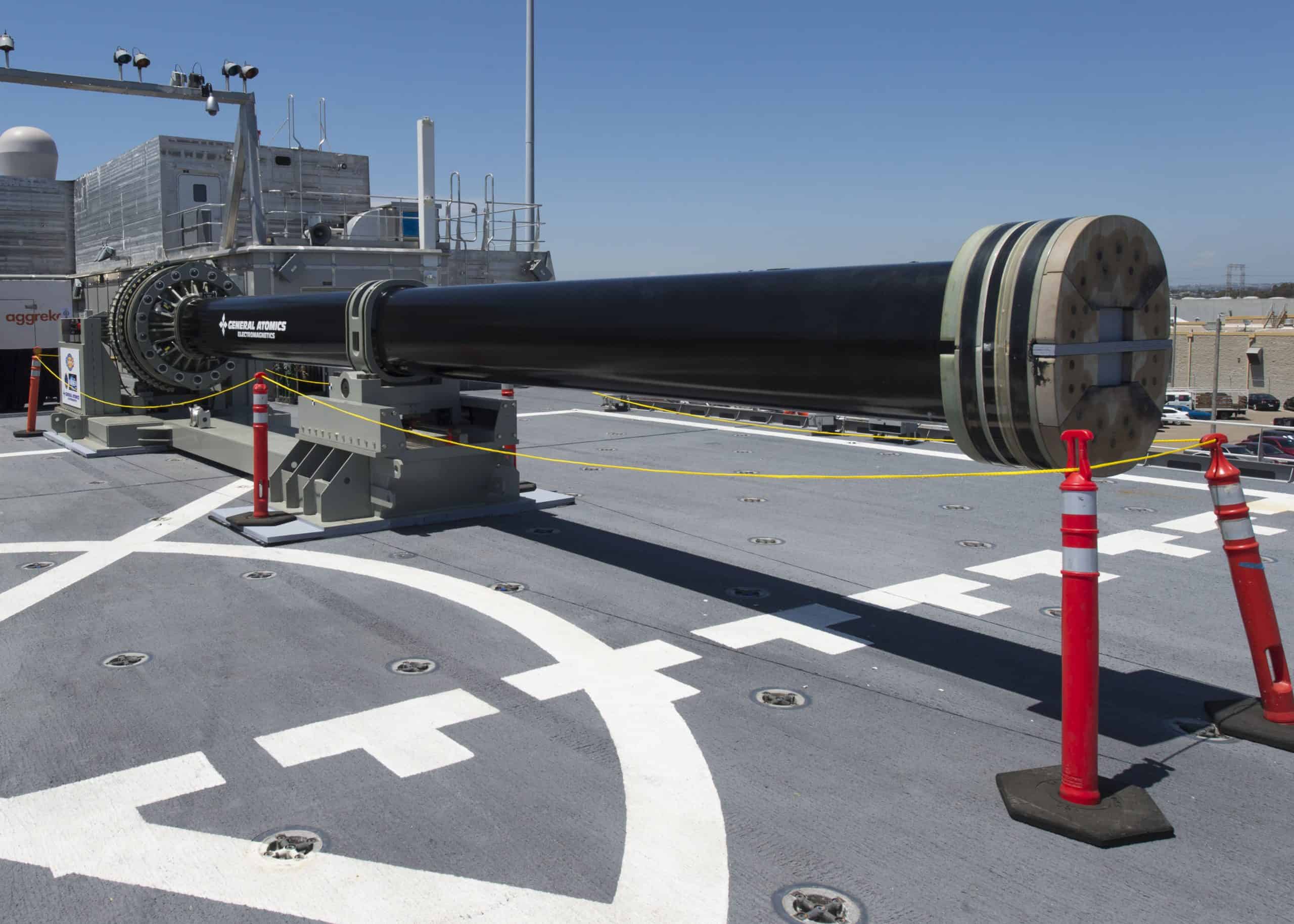
The electromagnetic railgun represents a radical approach to launching projectiles using electromagnetic energy rather than chemical propellants. Early prototypes were developed under classified research programs to test whether such weapons could dramatically increase projectile speed and range.
Early Directed Energy Weapons
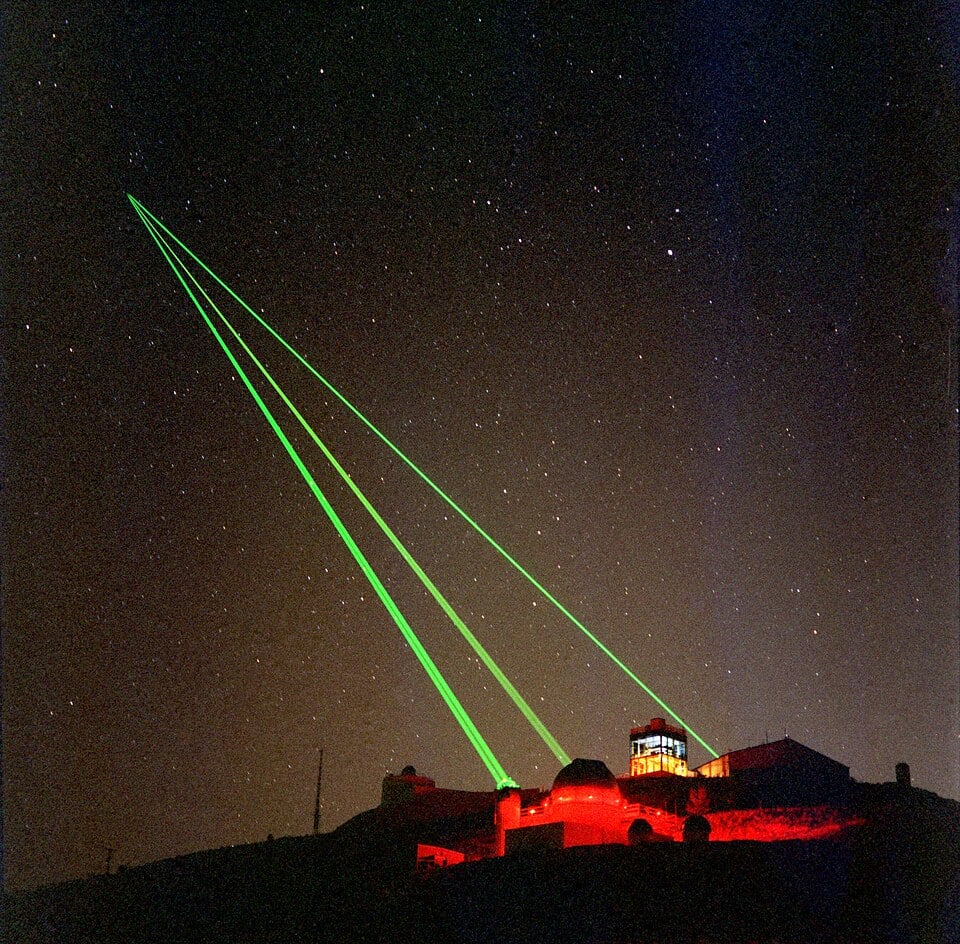
- Weapon type: Laser weapon research
- Developer or program: DARPA / U.S. Air Force
- Development era: Cold War
- First operational use or test: 1970
- Year publicly revealed: 1990
- Strategic purpose: Energy‑based missile defense research
Directed energy weapon research began decades ago as scientists explored the possibility of using high-energy lasers for missile defense and other military roles. Early experiments were conducted under secret programs to protect sensitive research into emerging weapons technologies.
Contact [email protected] for any questions or corrections.
Chris Lange is a financial and geopolitical writer with more than a decade of experience covering a myriad of topics. He has published thousands of articles for 24/7 Wall St., with past coverage focused heavily on stocks, IPOs, healthcare, defense, global affairs, and technology.
His work has been quoted, or referenced by a number of outlets including Business Insider, USA Today, Yahoo Finance, MSN, The Motley Fool, and many other publications. A graduate of Southwestern University, he studied business with a focus on investments and has previous experience in banking and startups.
When not reading or writing the news, he is following his passion for Lacrosse, playing chess, or building solar projects with his dad.