These Are the Common Misconceptions About Tariffs
With the upcoming Trump presidency, discussing potential tariffs is at the top of every news hour. From the President-Elect to some of his key advisors, the threat of tariffs on both allies and adversaries has thrown the world for a…


With the upcoming Trump presidency, discussing potential tariffs is at the top of every news hour. From the President-Elect to some of his key advisors, the threat of tariffs on both allies and adversaries has thrown the world for a loop, as global trade is about to be disrupted.
However, while the threat of tariffs is very real, there is an unfortunate amount of misinformation about what tariffs are and are not. This is especially true around the real-world impact they would have on the economy and the prices consumers pay at the pump, Walmart, etc.
16. Tariffs Are Quickly Implemented
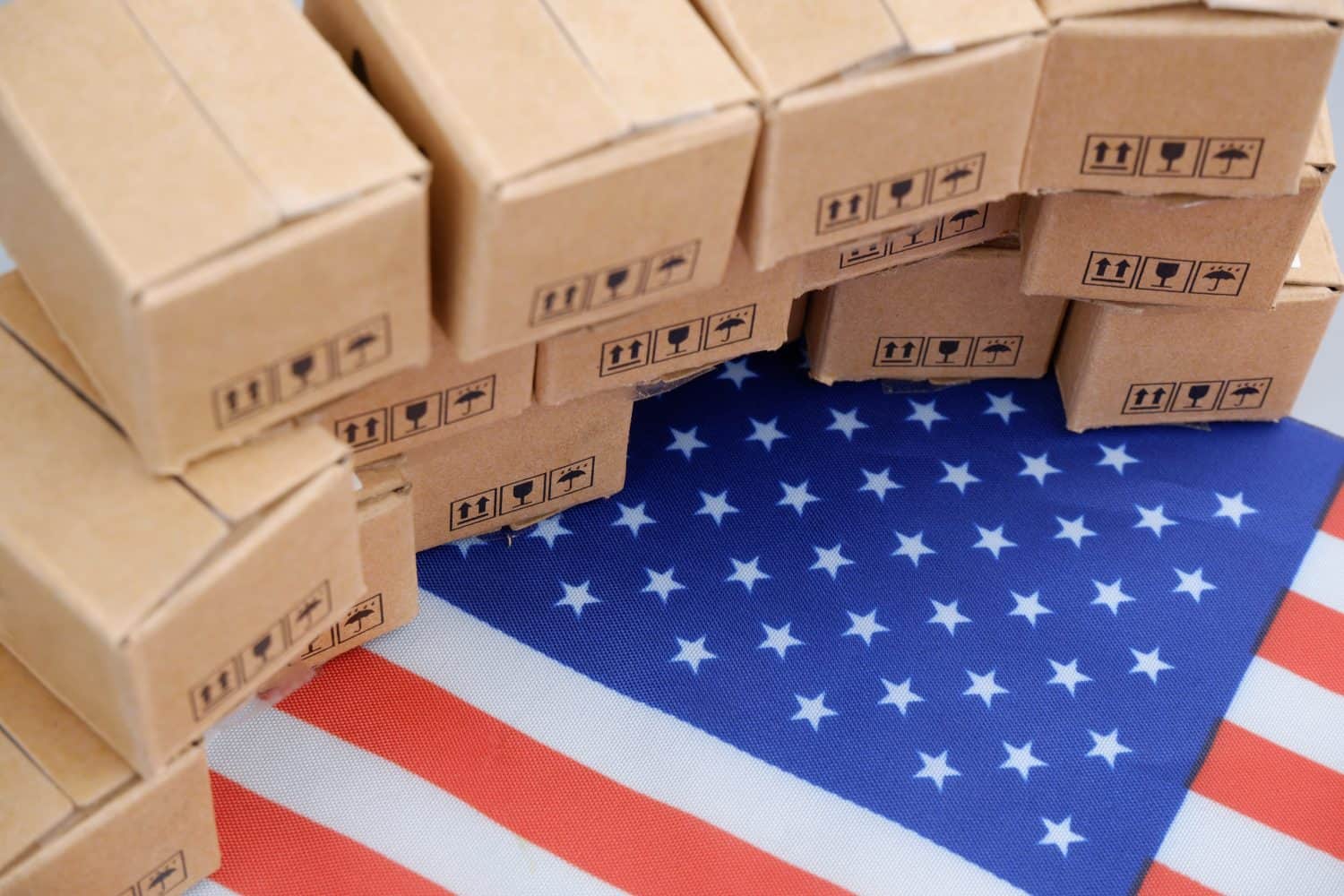
Any tariffs, even those dating back hundreds of years in the United States, should only be implemented after considering the potential long-term economic consequences. A quickly implemented tariff is likely poorly thought out, resulting in more domestic harm than intended.
15. Tariffs Only Affect Certain Industries

This myth is false and that tariffs will impact multiple sectors of the domestic economy. Everything from manufacturing, construction, and automobiles to retail will all be affected. Any time businesses see higher costs, they reduce hiring to help bring down overall costs.
14. Tariffs Are Long-Term Effective

While some economists admit that short-term tariffs might offer some protection, overall competitiveness will weaken over time. As prices increase, there will be growing resentment from consumers who turn to other brands and goods to keep their costs down.
13. Tariffs Won’t Impact Global Innovation

As prices increase for raw materials for machinery or electronics, innovation will likely be stifled by limiting domestic access to cutting-edge materials from trade partners like China.
12. Only Big Businesses Will Be Impacted

Unfortunately, this myth about tariffs and big businesses is not at all steeped in reality. Both small and medium-sized companies will also suffer, especially when you consider they have less power in negotiation due to economies of scale and will be at a competitive disadvantage.
11. Tariffs Will Improve Domestic Wages

This misconception about tariffs needs to be immediately stopped, as tariffs can rarely lead to any wage increase, especially widespread ones. The opposite is more likely as companies see their costs increase due to tariffs, leaving less money for hiring and raises.
10. Tariffs Punish “Unfair” Trade Practices
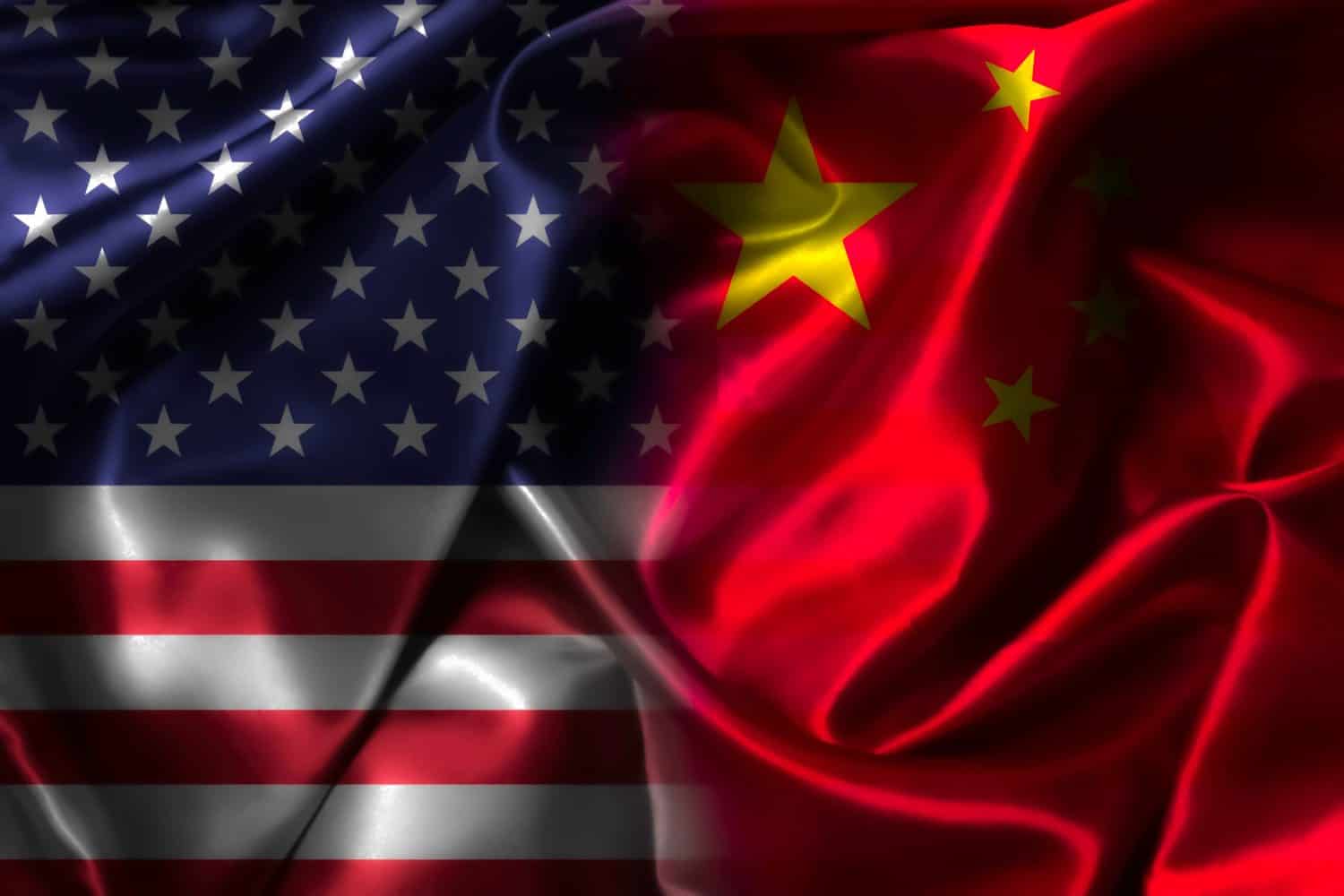
Most economic scholars indicate that a tariff should be considered a “blunt tool” because it can punish allies, negatively impact domestic industries, and rarely impact a country’s trade behavior in the long term.
9. Tariffs Promote Economic Independence

On the plus side, tariffs can promote reducing dependency on specific countries like China, but the reality is that economic independence is doubtful. Global trade with countries like China is cost-efficient and supports overall innovation worldwide.
8. Tariffs Will Only Impact Imported Goods
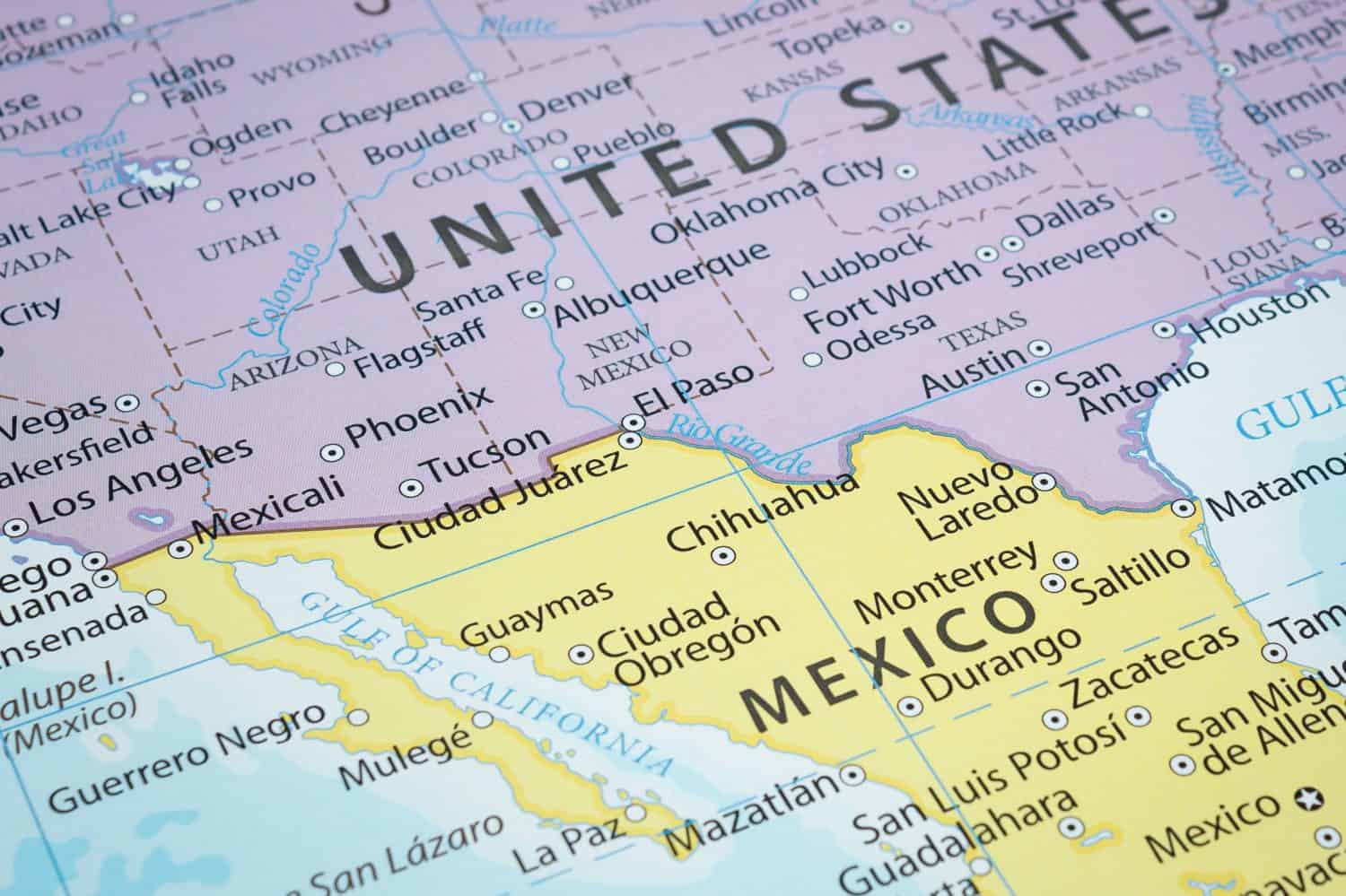
Rest assured that this is a dangerous misconception, as tariffs will disrupt an entire supply chain in certain businesses. Companies that rely heavily on imported goods and raw materials are looking at higher costs, which will be passed on to consumers.
7. Tariffs Will Give the Economy a Boost

If domestic manufacturing receives a boost from a tariff, it could have a short-term economic impact, but global supply chains are then disrupted, which is bad for the economy in the long run. Any increase in production costs here in America will also pass on to consumers who want to pay less, not more.
6. Tariffs Can Protect American Jobs

There may be some truth to this myth, as tariffs may help protect a small number of domestic industries, but tariffs will harm most industries. This is especially true for any industry that relies on imported raw materials (e.g., steel), which could lead to job losses.
5. Foreign Countries Pay Tariffs
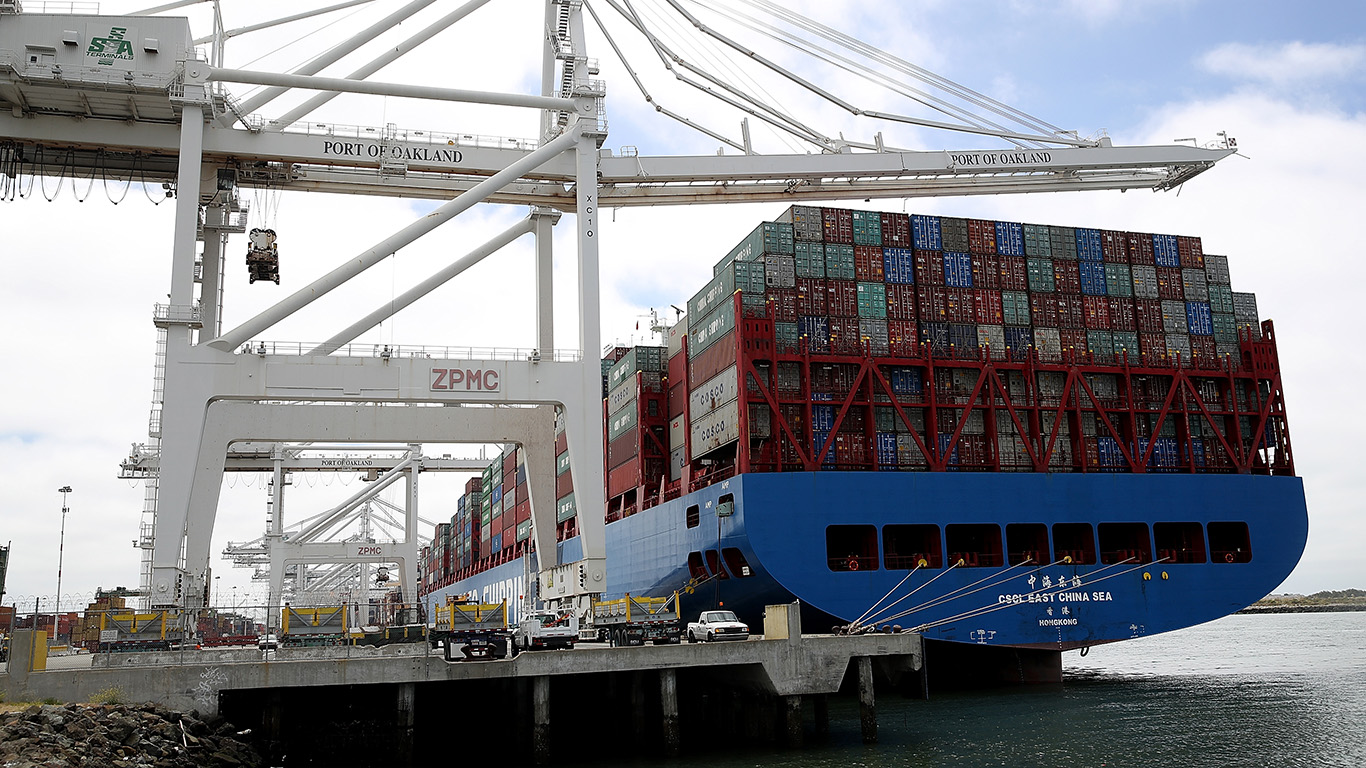
As tariffs are a tax imposed on imports, there is a misconception that the companies sending through these imports will pay the cost. While they will make the initial payment to get their goods into the country, the final price a consumer pays will rise so the company can pay itself back.
4. The Government Pays Tariffs
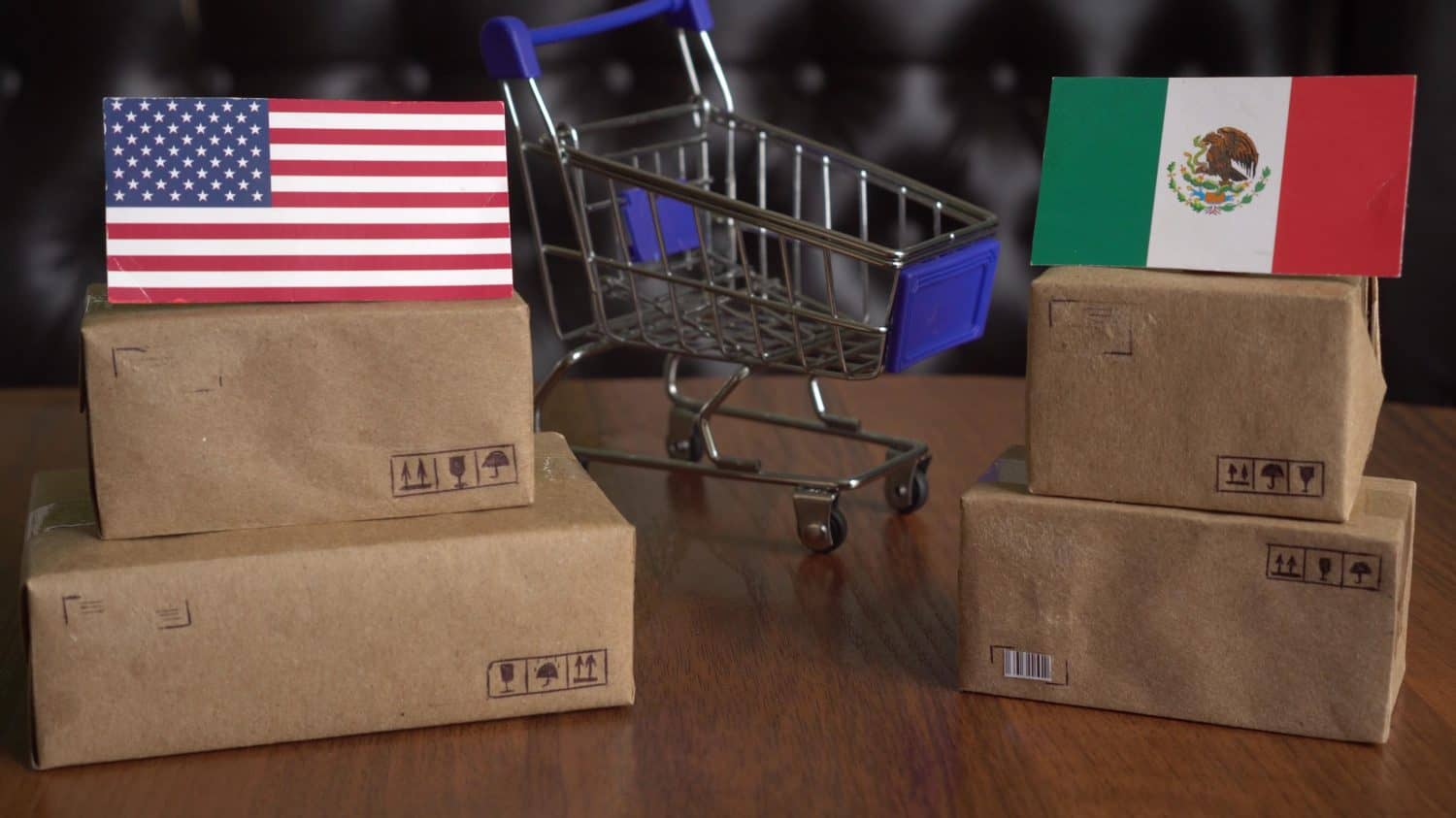
One of the biggest and most dangerous misconceptions is that the government will carry the burden of tariff costs. Unfortunately, the reality is that consumers will bear the economic burden of any tariffs as manufacturers, retailers, etc., pass their cost increases onto the consumer.
3. Tariffs Level the Playing Field
Any notion that tariffs create a level playing field in areas like manufacturing is quickly put to rest. The reality is that international trade is valuable and helps keep prices low as some countries can produce goods at a lower price than domestic production, which helps keep prices low.
2. More Tariffs Equals Lower Pricing

Unfortunately, this tariff myth is a common misconception and one that is very much untrue. The opposite is more likely, as higher tariffs will likely cost everyone more by keeping foreign products out, which means leaning more on domestic production, which traditionally costs businesses more. This price increase will be passed onto the consumer.
1. Tariffs Are Just a “Sales Tax”

There is a vast misunderstanding that tariffs and sales taxes are the same. However, the difference couldn’t be any distinct as a sales tax is generally a levy on goods added at the final point of sale. However, a tariff is placed on an item (or goods) when it enters the country, well before it gets to a consumer and on a retail shelf.
Contact [email protected] for any questions or corrections.
David Beren has been a Flywheel Publishing contributor since 2022. Writing for 24/7 Wall St. since 2023, David loves to write about topics of all shapes and sizes. As a technology expert, David focuses heavily on consumer electronics brands, automobiles, and general technology. He has previously written for LifeWire, formerly About.com. As a part-time freelance writer, David’s “day job” has been working on and leading social media for multiple Fortune 100 brands. David loves the flexibility of this field and its ability to reach customers exactly where they like to spend their time. Additionally, David previously published his own blog, TmoNews.com, which reached 3 million readers in its first year. In addition to freelance and social media work, David loves to spend time with his family and children and relive the glory days of video game consoles by playing any retro game console he can get his hands on.