These Are the Industries Most Affected by Tariffs
Tariffs affect a wide range of industries, from traditional manufacturing to modern AI development. Consumers and small businesses will feel the impact through higher costs for physical goods and digital services. The shift toward domestic production often carries a “compute…


Key Points
- Tariffs affect a wide range of industries, from traditional manufacturing to modern AI development.
- Consumers and small businesses will feel the impact through higher costs for physical goods and digital services.
- The shift toward domestic production often carries a “compute tax” and increased infrastructure expenses.
- Also: Discover “The Next NVIDIA”
Tariffs remain a primary tool for shaping global trade policy, playing a central role in current administration strategies. Whether targeting China, Canada, or Mexico, these policies exert pressure across the economic spectrum, forcing businesses to pass increased costs directly to consumers.
Retail, fashion, electronics, and automobiles are frequently cited as vulnerable sectors, but the reach extends further into digital infrastructure and emerging tech. A tax on imported goods is applied at the border when a US-based entity purchases foreign products, raising prices and disrupting established supply chains.
18. AI Infrastructure
The rapid growth of the AI economy is increasingly hitting a trade wall. Tariffs on high-bandwidth memory (HBM) and advanced GPU components imported for data centers are creating a “compute tax” for domestic developers. These costs slow down innovation for SaaS founders and tech startups who rely on affordable hardware to scale their platforms.
17. Cloud Computing and Digital Services
While often viewed as intangible, the cloud runs on physical hardware. Tariffs on imported routers, switches, and server components eventually trickle down into higher subscription fees for digital marketing tools and enterprise software. This “invisible” impact affects every business that operates online, regardless of their physical inventory.
16. Independent Consulting and Small Manufacturing
Unlike massive corporations that can negotiate bulk exemptions, small manufacturers and independent consultants often lack the leverage to absorb border taxes. In manufacturing hubs like the Southeastern United States, the cost of specialized imported components can stall local projects and reduce the competitiveness of small-scale domestic production.
15. Big Box Retail

With everyday items expected to increase by 10-15%, major retailers like Walmart have adjusted pricing strategies to account for the added costs at the border. This leads to shifts in consumer behavior as buyers move away from impacted goods, potentially costing the retail sector billions in unsold inventory and lost sales volume.
14. Telecommunications Equipment

The US relies heavily on international brands for the network components that build modern infrastructure. Tariff rates as high as 15% on these imports raise the cost of 5G rollouts and broadband expansion, meaning businesses and residents pay more for essential connectivity.
13. Aerospace
Retaliatory tariffs from trade partners like the EU can severely damage the competitiveness of US aerospace giants. Higher costs for specialized parts combined with lost international contracts could cost the industry tens of billions, while also driving up the price of commercial air travel.
12. Renewable Energy

The renewable sector is particularly sensitive to trade barriers on solar panels and wind turbine components. With equipment costs potentially rising by 16%, the pace of the green energy transition depends heavily on the balance between protective tariffs and the availability of affordable imported hardware.
11. Plastic and Plastic Products
As Canada and Mexico provide a significant portion of the resins and packaging materials used in the US, any regional tariffs immediately impact the cost of consumer packaging. This affects everything from grocery store items to industrial shipping containers.
10. Mineral Oils and Fuels

Canada remains the largest exporter of crude oil to the United States. A 25% tariff on these imports dramatically shifts the energy market, leading to higher prices at the gas pump and increased costs for home heating oil, particularly in the Northeast and Midwest regions.
9. Steel and Aluminum
Trade policies targeting foreign steel and aluminum aim to bolster domestic production, but the immediate effect is a surge in raw material costs. This puts financial pressure on the construction and automobile manufacturing sectors, which rely on these metals for virtually every project.
8. Industrial Equipment
Heavier machinery used in farming and processing often features international components. Projected cost increases of up to 20% on this equipment mean that American farmers and factory owners must spend more to maintain or upgrade their operations.
7. Chemical Industry
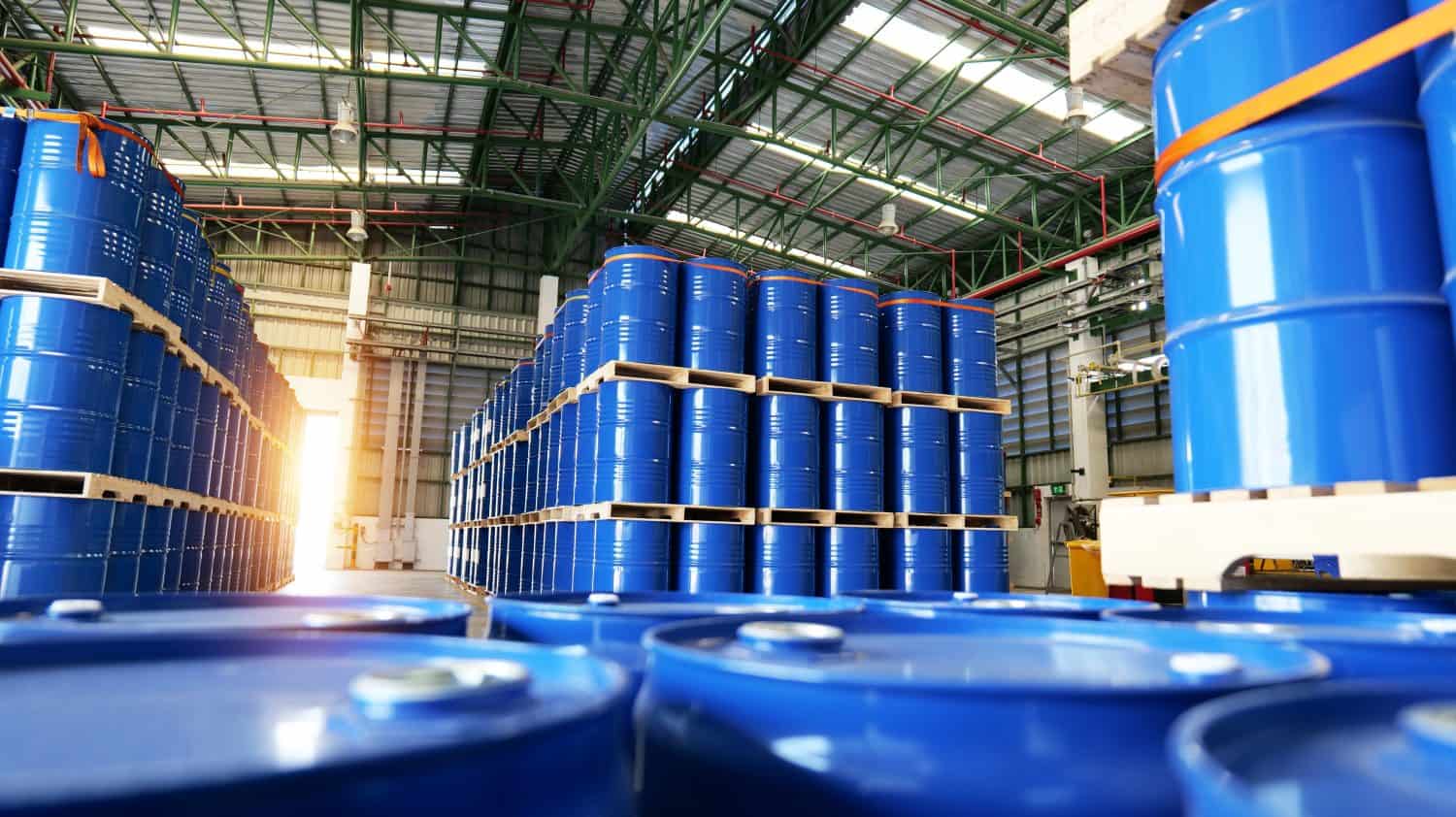
Tariffs on industrial chemical compounds affect a vast range of secondary products, from cleaning supplies to fertilizers. With anticipated price increases of 15%, the chemical sector’s trade barriers are felt in nearly every household in the country.
6. Electronics Manufacturing

Microprocessors and circuit boards are at the heart of modern life, and they are also at the center of trade disputes. Experts suggest that tariffs on these components could drive the retail price of computers and smartphones up by 10-20%.
5. Pharmaceuticals

Many Americans look to Canada for affordable, non-insured medications. Sustained tariffs on pharmaceutical imports could force a shift back to higher-cost domestic production, potentially raising healthcare expenses by at least 8% for the average consumer.
4. Fashion and Apparel

The fashion industry’s reliance on low-cost international manufacturing makes it highly sensitive to textile tariffs. Expectations of 15% to 25% price hikes mean that apparel brands must choose between cutting margins or raising prices, which directly impacts consumer demand.
3. Technology
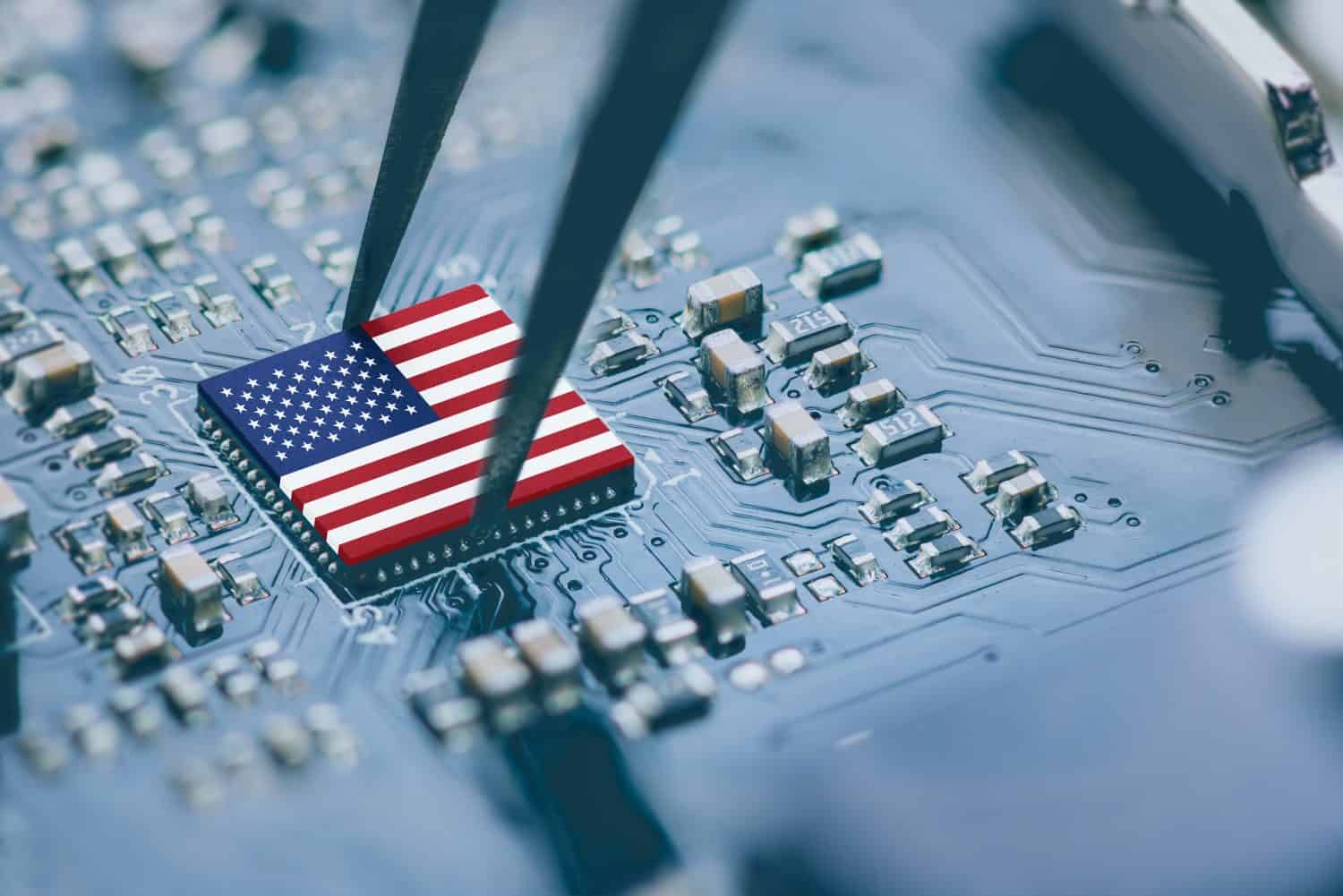
The tech sector faces hundreds of billions in potential costs as supply chains for semiconductors and internal components are disrupted. Market analysts predict that these disruptions could cost consumers up to $500 billion annually through increased costs for hardware and software services.
2. Automotive
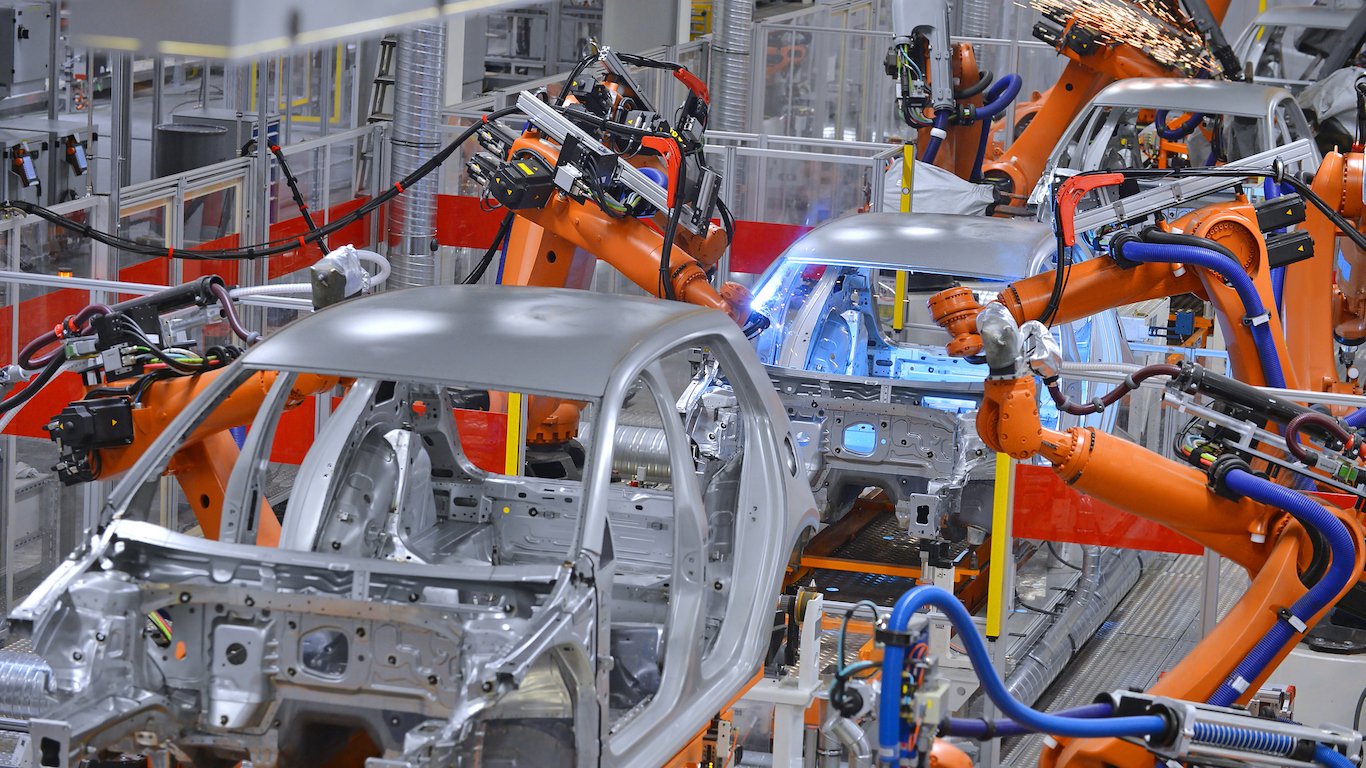
Modern vehicles are global products, often containing thousands of parts from different countries. Tariffs on these components could add between $4,000 and $7,000 to the sticker price of a new car, significantly affecting the affordability of transportation for American families.
1. Agriculture

Agriculture faces a double-edged sword: higher costs for imported fertilizers and machinery, and retaliatory tariffs that reduce the competitiveness of US exports like soybeans. This shift can lead to a 20% drop in farm exports, allowing international competitors to gain market share at the expense of American producers.
Editor’s Note: This article was updated on May 14, 2026, to include new analysis on the impact of trade policies on AI infrastructure, cloud computing hardware, and the specific economic pressures facing small-scale manufacturers and digital service providers.
Contact [email protected] for any questions or corrections.
David Beren has been a Flywheel Publishing contributor since 2022. Writing for 24/7 Wall St. since 2023, David loves to write about topics of all shapes and sizes. As a technology expert, David focuses heavily on consumer electronics brands, automobiles, and general technology. He has previously written for LifeWire, formerly About.com. As a part-time freelance writer, David’s “day job” has been working on and leading social media for multiple Fortune 100 brands. David loves the flexibility of this field and its ability to reach customers exactly where they like to spend their time. Additionally, David previously published his own blog, TmoNews.com, which reached 3 million readers in its first year. In addition to freelance and social media work, David loves to spend time with his family and children and relive the glory days of video game consoles by playing any retro game console he can get his hands on.