Baby Boomers Are Not Ready to Get Smacked With These Unexpected Realities
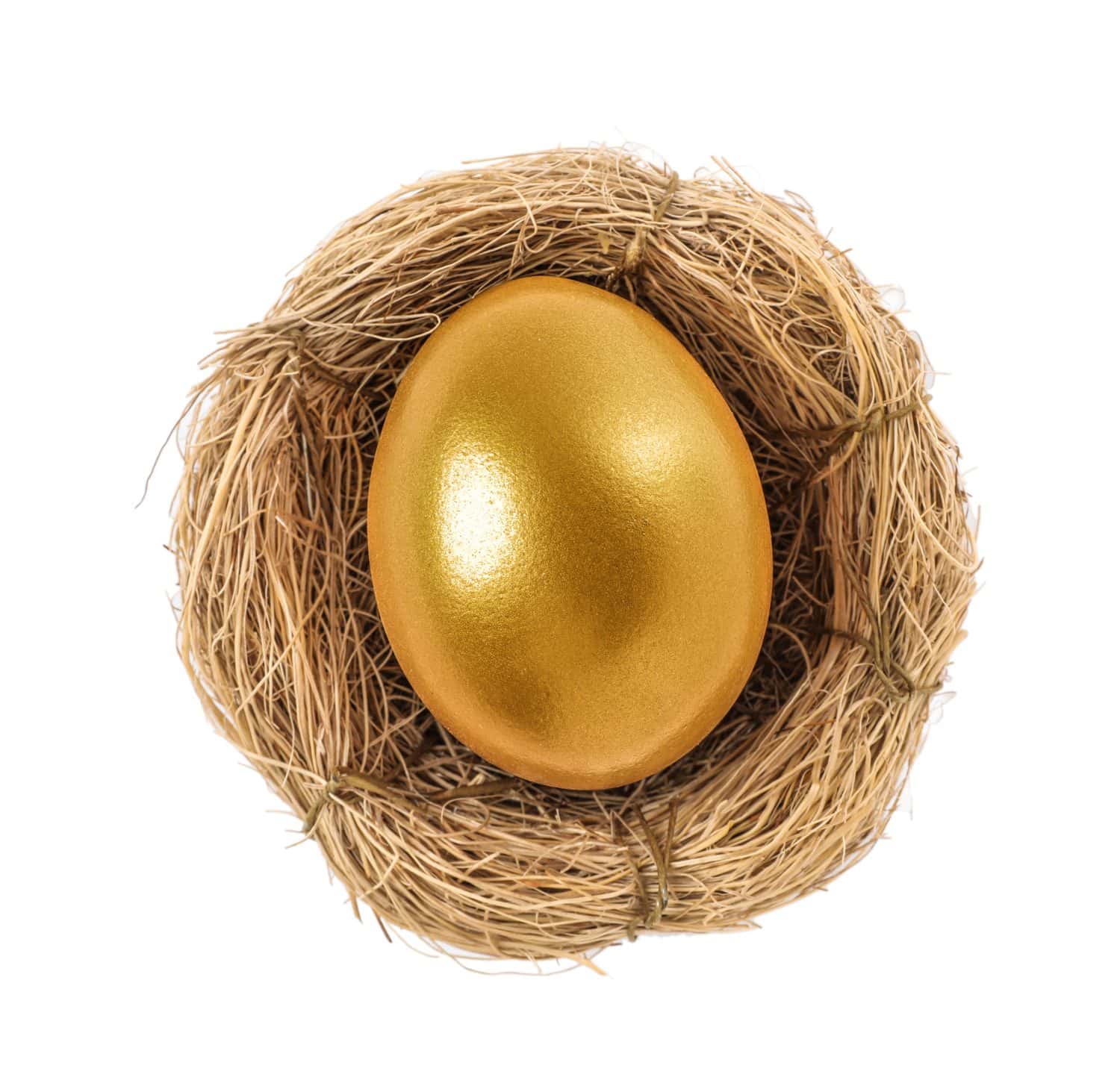
Maybe Baby Boomer retirees are right not to spend too lavishly in the earlier part of their golden years. Undoubtedly, one of the bigger fears of the retired is eroding their nest egg to zero. Indeed, outliving one’s wealth is…

This post may contain links from our sponsors and affiliates, and Flywheel Publishing may receive compensation for actions taken through them.

Maybe Baby Boomer retirees are right not to spend too lavishly in the earlier part of their golden years. Undoubtedly, one of the bigger fears of the retired is eroding their nest egg to zero. Indeed, outliving one’s wealth is a serious risk for many retirees, especially those who rely heavily on Social Security benefits.
Though playing it too conservatively with one’s retirement portfolio could also accompany risks, I think it’s safe to say that the more devastating risk is running out of cash in retirement, not foregoing huge capital gains in the stock market. Heck, some retirees are more about the dividend yield they’ll get and less about where shares could ascend to over the long run.
In any case, every retiree’s situation is different. Some will have a rather smooth retirement, while others will experience setbacks, some of which may have a drastic impact on the size of one’s nest egg.
Key Points About This Article
- Baby Boomers should be aware of all potential costly setbacks and have a plan in place well ahead of time.
- Discussing matters with family, a financial adviser, and perhaps an insurance specialist may be worthwhile.
- Answer these questions to see if you’re on track to retire (Sponsored)
Indeed, there are appropriate ways of dealing with potential risks (think long-term care costs) by getting an insurance policy. That said, if one’s already retired and in their 60s or 70s, such a policy is not going to come cheap. Heck, it may not even be a great value for buyers, depending on the coverage, pricing, and all the sort.
For those who would rather not purchase an insurance product, one had better ensure they have more than enough cash, passive income, and a plan B (think kids or grandkids that can help in case of an emergency) in place. Of course, nobody wants to become dependent on their children going into old age. And while it’s not ideal (or even likely in one’s specific case), it’s always good to think about all sorts of different scenarios that can arise.
That said, catastrophizing and expecting a worst-case outcome is never a good idea. Either way, hoping for the best and being prepared for the worst isn’t all too bad of an idea, especially if you’re looking to ensure all bases are covered before you hit that retirement button!
Beware of unforeseen big-ticket expenditures down the road.
For the Baby Boomers, their Millennial children may or may not be in a spot to help out should a financial emergency arise at some point down the road. Undoubtedly, many Millennials have delayed life milestones, including having kids and buying a home. With an uncertain market environment and the threat of inflation (it’s gone for now, but for how long?), it’s become tougher for young families to take care of themselves, at least in recent years. In any case, that’s why Baby Boomer retirees and those soon-to-be need to aware of the uncertainties that could smack their nest egg.
Indeed, unforeseen, uncovered health expenses are among the largest risks of many Baby Boomers. Whether we’re talking about in-home care, nursing home costs, medical procedures, or home accessibility modifications (think stair lifts, ramps, and step-in baths), the list really goes on.
And if you haven’t yet factored in such potential expenses, it’s best that you meet with a wealth planner or financial planning pro to make sure your retirement is unshakeable, even if an expensive (long-term care could be a huge drain on one’s wealth as assisted living can cost thousands monthly) health expense were to arrive from out of the blue. Also, having an open conversation with the family can help you get a better gauge of how to prepare for uncertain outcomes in the future.
Who knows? Perhaps your children will be willing to cover some of the care you’ll need at an advanced age, especially those who have the ability to work remotely.
The bottom line
In any case, as a Baby Boomer, perhaps it’s not all too bad an idea to have more than the recommended amount to retire.
At worst, you’ll have a big chunk of your retirement left over for loved ones and causes you support. Is that really a bad thing? I’d argue not. In any case, you have plenty of options, which one should explore sooner rather than later.
Contact [email protected] for any questions or corrections.
Joey is a 24/7 Wall St. contributor and seasoned investment writer whose work can also be found in publications such as The Motley Fool and TipRanks. Holding a B.A.Sc in Computer Engineering from the University of British Columbia (UBC), Joey has leveraged his technical background to provide insightful stock analyses to readers.
Joey's investment philosophy is heavily influenced by Warren Buffett's value investing principles. As a dedicated Buffett disciple, Joey is committed to unearthing value in the tech sector and beyond.