We’re in our mid-30s with no kids and $4 million saved – do we have enough to quit our jobs and travel the world?
Accumulating millions in net worth by one's mid-30s represents a rare and profound financial achievement. With $4 million saved and no dependents, doors open that remain closed to most Americans at any age. The FIRE (Financial Independence, Retire Early) movement…

This post may contain links from our sponsors and affiliates, and Flywheel Publishing may receive compensation for actions taken through them.

Accumulating millions in net worth by one’s mid-30s represents a rare and profound financial achievement. With $4 million saved and no dependents, doors open that remain closed to most Americans at any age.
The FIRE (Financial Independence, Retire Early) movement has captured the imagination of this generation, and a Reddit couple with $4 million in the bank and no children exemplifies its most ambitious outcomes. Sometimes called DINKs (dual income, no kids), these Millennials occupy an enviable position as they weigh whether to leave the workforce and spend their 30s traveling the globe.
Four million dollars is more than enough to step away while you’re young.
A multi-million-dollar portfolio in your 30s unlocks what’s known in the FIRE community as “ChubbyFIRE.” This variant of financial independence supports annual spending between $80,000 and $150,000, covering travel, quality housing, and discretionary comforts without the extreme frugality that lean FIRE demands. ChubbyFIRE typically requires between $2 million and $5 million in invested assets, placing this couple firmly within that range.
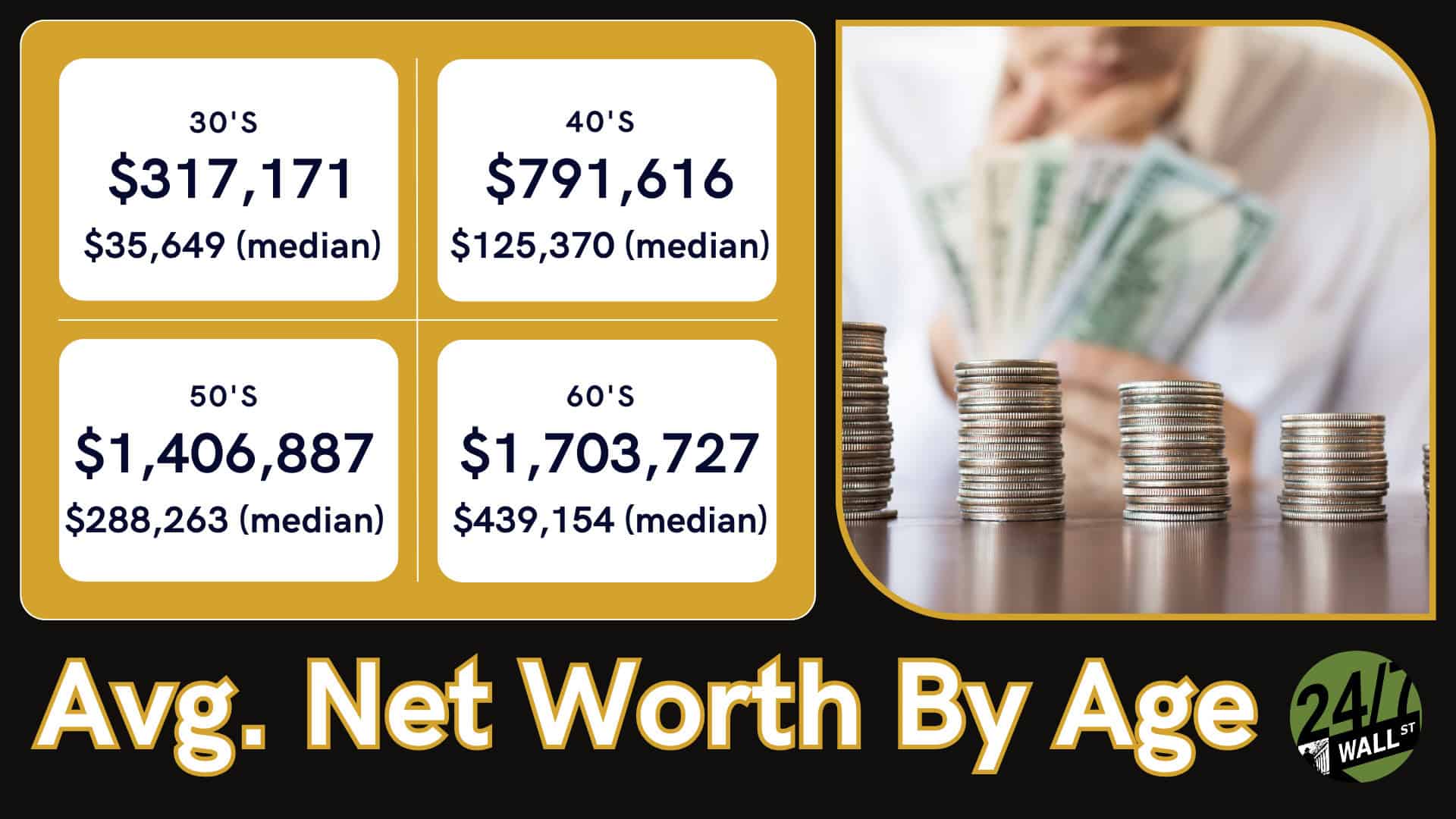
To grasp just how exceptional their position is, consider the broader picture. As of August 2026, the average net worth for Americans in their 30s is $379,216, according to Empower’s anonymized dashboard data. The median figure sits far lower. At $4 million, this couple holds wealth that exceeds the 95th percentile for their age group, at an age when most peers are still paying down student loans and saving for a first home.
Morningstar’s State of Retirement Income: 2025 Edition puts the highest safe starting withdrawal rate at 3.9% for retirees seeking consistent, inflation-adjusted spending, assuming a 90% probability of having funds remaining at the end of a 30-year retirement. That rate applies to portfolios holding between 30% and 50% in equities with the remainder in bonds and cash. Applied to $4 million, a 3.9% withdrawal yields $156,000 in the first year, adjusted upward for inflation in subsequent years. For a couple planning modest international travel and living without a mortgage or children’s expenses, that income provides substantial breathing room.
One critical wrinkle deserves attention here. Morningstar’s 3.9% figure is calibrated for a 30-year retirement horizon. A couple retiring in their mid-30s faces a retirement that could stretch 50 years or longer, which meaningfully changes the math. A longer horizon generally calls for a somewhat more conservative starting rate, or a genuine commitment to flexible spending that adapts to market conditions along the way.
Weigh what you give up against what you gain.
Walking away from high earnings carries real costs. If this couple currently pulls in around $500,000 per year combined, stepping back means forgoing not just that annual income but the compounding growth it could generate. Over 20 years, continuing to work and invest aggressively could push their net worth well past $10 million, assuming reasonable market returns and consistent savings discipline.
Time, though, has its own value. The couple has already crossed the threshold where financial security is assured. The real question is whether additional wealth accumulation justifies trading decades of freedom, health, and energy. Many who delay retirement into their 50s and 60s find that the activities they imagined pursuing, including extended travel, physical adventure, and spontaneous exploration, become less appealing or less feasible as the years pass.
The couple’s stated lifestyle preferences work strongly in their favor. Planning to visit only one or two countries per year signals intentionality rather than consumption for its own sake. With no home to maintain and no children to raise, fixed expenses remain low. Barring dramatic lifestyle inflation, $156,000 annually supports a comfortable existence almost anywhere in the world.
Healthcare is the wildcard for early retirees.
Health insurance is one of the most consequential expenses early retirees must plan for, and in 2026 that challenge has grown sharply. Medicare doesn’t begin until age 65, leaving this couple with a coverage gap of roughly 30 years before qualifying for government insurance. That alone is reason to budget healthcare costs conservatively and early.
The 2026 ACA marketplace landscape has become considerably more expensive. According to a Peterson-KFF Health System Tracker analysis, ACA marketplace insurers raised premiums by about 20% on average in 2026, the largest rate increase since 2018. The ripple effects have been significant: ACA marketplace deductibles rose 37% in 2026 to a record $3,786 per person, according to KFF, and plan sign-ups fell by over a million people to 23.1 million during open enrollment. For a couple shopping unsubsidized coverage, the costs add up fast. HealthMarkets data puts the average national monthly cost for one person on an unsubsidized ACA plan at $625 in 2026, meaning a couple could easily pay $15,000 or more in annual premiums before accounting for deductibles and out-of-pocket costs.
The subsidy picture has also shifted sharply. The ACA subsidy enhancements in place from 2021 through 2025 expired at the end of that year, restoring the pre-American Rescue Plan structure. For 2026, ACA marketplace subsidies cut off completely at 400% of the federal poverty level, roughly $84,600 for a two-person household. Earn one dollar above that figure and the premium tax credit drops to zero. Since this couple’s portfolio withdrawal income would almost certainly exceed that threshold, they will need to budget for full-price coverage. Over three decades, healthcare alone could consume $500,000 to $800,000 of their portfolio. That is a meaningful but manageable share of their wealth if planned for from the start.
Future flexibility matters more than current certainty.
Circumstances can change in ways that are hard to anticipate at 35. People often reconsider parenthood in their late 30s or early 40s. A single child won’t derail a well-structured plan, but it will reshape spending patterns and reintroduce costs, from childcare to education to housing, that weren’t part of the original calculation. If that possibility exists, building margin into the withdrawal plan makes sense from the outset.
Flexible withdrawal strategies offer a useful tool here. Morningstar’s research concludes that retirees willing to tolerate some fluctuation in their spending can start with a withdrawal rate as high as 5.7%. That means trimming discretionary expenses modestly during market downturns can unlock meaningfully higher starting income. The flexibility is easier to execute when there is no mortgage, no tuition bill, and a lifestyle built around experiences rather than fixed obligations.
Another advantage this couple holds: the option to return to work remains open. Retiring at 35 doesn’t mean never earning income again. Consulting, part-time projects, or entrepreneurial ventures can supplement portfolio withdrawals whenever desired, whether for financial cushion or personal fulfillment. That fallback reduces the stakes of making a permanent commitment before all the details are settled.
Get professional guidance before making the leap.
A $4 million portfolio appears more than sufficient for early retirement at moderate spending levels. Even so, the couple should consult a financial adviser before finalizing their decision. A planner can stress-test the portfolio across multiple scenarios, including extended market downturns, healthcare cost spikes, potential children, and inflation above historical norms. Given the 50-plus-year time horizon, confirming that the asset allocation and withdrawal plan match the full retirement runway is essential before anyone hands in a resignation.
The couple has the resources to live the life they envision. The remaining task is ensuring their budget, portfolio structure, and contingency plans align with reality. If those pieces fit, they can confidently step away from the paycheck and reclaim their time. The wealth is there. The question is whether the plan is equally sound.
Editor’s note: This article was updated to reflect Empower’s August 2026 dashboard data, which puts the average net worth for Americans in their 30s at $379,216, up from the January 2026 figure of $325,952 cited previously. The flexible withdrawal rate figure was also updated to 5.7%, the precise Morningstar figure, from the earlier approximation of “nearly 6%.” New KFF data showing that ACA marketplace deductibles rose 37% in 2026 to a record $3,786 per person was added to the healthcare section.
Contact [email protected] for any questions or corrections.
Joey is a 24/7 Wall St. contributor and seasoned investment writer whose work can also be found in publications such as The Motley Fool and TipRanks. Holding a B.A.Sc in Computer Engineering from the University of British Columbia (UBC), Joey has leveraged his technical background to provide insightful stock analyses to readers.
Joey's investment philosophy is heavily influenced by Warren Buffett's value investing principles. As a dedicated Buffett disciple, Joey is committed to unearthing value in the tech sector and beyond.