Suze Orman says people are out of their minds for pulling money out and hoarding cash because they think a recession is coming
Suze Orman isn't just a great resource for people looking to learn a bit more about how to be better with money, but she's also immensely entertaining, even funny to tune into. Though she tends to be overly cautious regarding…

This post may contain links from our sponsors and affiliates, and Flywheel Publishing may receive compensation for actions taken through them.

Suze Orman is more than a trusted name in personal finance. She is also genuinely entertaining, even funny, to tune into. Her advice leans toward caution on financial milestones and capital allocation, which is not always wrong. People in or near retirement genuinely benefit from a more conservative posture. That said, it is perfectly fine to disagree with specific calls she makes.
Nobody gets every answer right, especially when responding on the spot to a caller’s unique situation. What matters most is that Orman starts the conversation. From there, meeting with a certified financial planner or wealth advisor is what keeps the momentum going. Money is still a taboo topic in many households, but it does not have to be. Financial progress requires open discussion and careful thinking about where you stand and where you want to go.
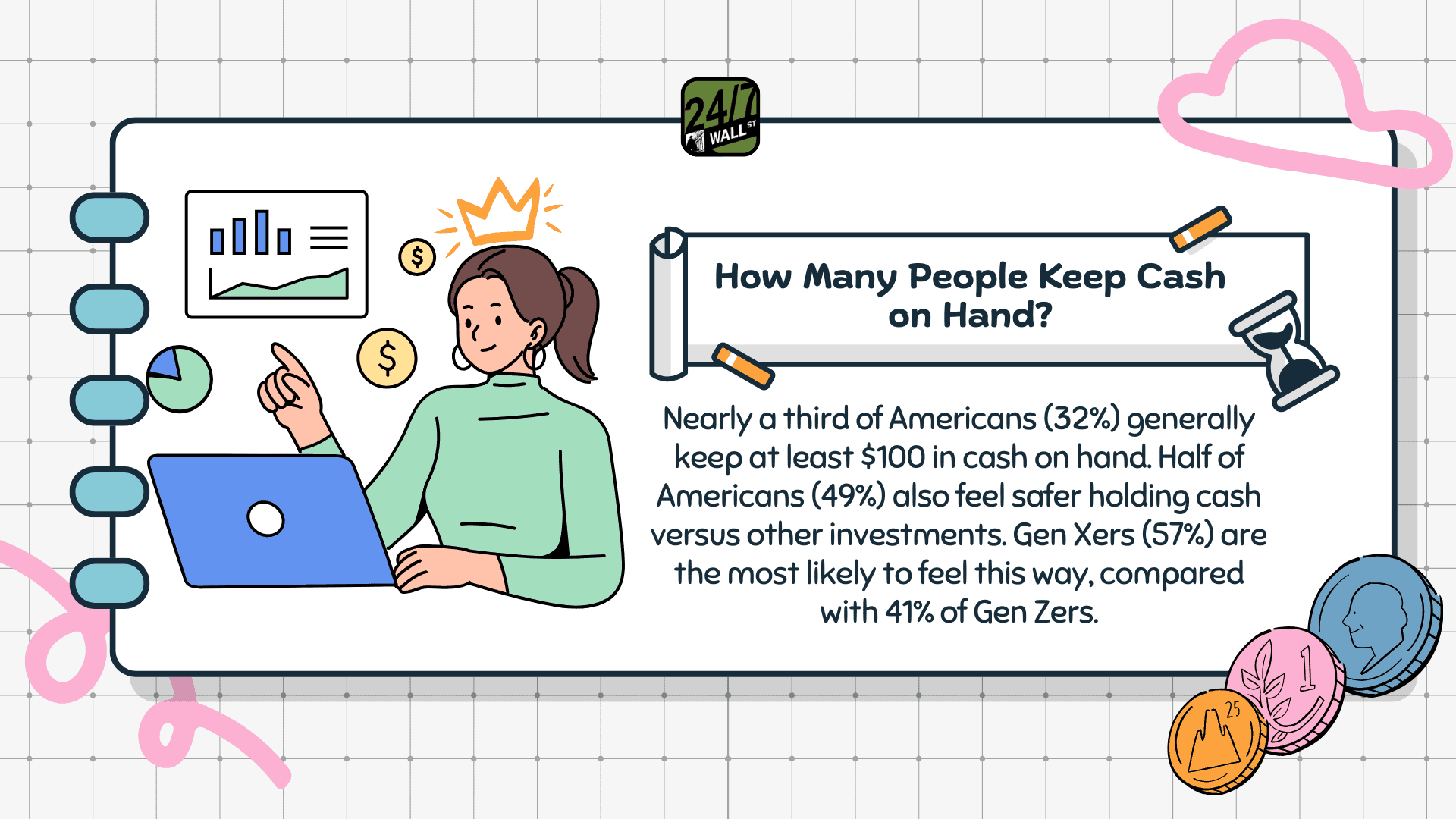
Orman is no fan of timing markets.
One area where Orman is especially persuasive is her stance against pulling out of the stock market based on a hunch that a meltdown is just around the corner. It does not matter how skilled an investor you are. Nobody can reliably predict where stocks will be next month, next quarter, or even five years from now. Trying to time your exit at the top is a costly gamble that leaves you exposed to inflation’s bite on your purchasing power while you wait on the sidelines for a crash that may never arrive.
Disciplined investors do sometimes trim their stock exposure when valuations look stretched or sentiment feels euphoric, but they rarely abandon equities entirely. There is a meaningful difference between building a cash cushion to take advantage of future dips and hoarding cash out of pure fear. The former is strategy; the latter is an emotional reaction dressed up as a plan.
Orman’s position has evolved with market conditions. In a December 31, 2025 blog post titled “3 Money Moves to Kick-Off 2026,” she urged readers to boost emergency savings to at least eight months of living expenses, reflecting a softening labor market and rising job insecurity. For retirees, she goes further: on her Women & Money podcast, Orman has recommended keeping three to five years of living expenses in accessible cash, so that a market downturn never forces a sale of investments at a loss just to cover basic bills. That is not market timing; it is building a buffer that lets the invested portion of a portfolio recover without being raided.
Adding to that, on a January 2026 episode of her podcast, Orman expressed firm confidence in U.S. equities, saying the United States remains the strongest destination for investor capital. She was clear that political headlines should have no bearing on investment decisions.
Selling out of stocks based on fear can set you back big time.
The past two years have rewarded patient investors handsomely. Fueled by massive investment in artificial intelligence infrastructure and strong corporate earnings, the S&P 500 finished 2024 up roughly 25% and added about 18% in 2025, bringing the index to approximately 7,443 as of late July 2026. Recession fears were abundant throughout that entire stretch, and investors who acted on those fears paid a steep opportunity cost.
The clearest example is the yield curve inversion that rattled markets beginning in late 2022. Historically, an inverted yield curve, where short-term rates rise above long-term rates, is one of the most closely watched recession signals. The 10-year minus 3-month Treasury spread went negative in October 2022 and did not re-steepen until December 2024, a span of more than two years. With the 10-year Treasury yielding around 4.52% in mid-July 2026, the curve has moved back to a normal upward slope.
The problem for anyone who sold equities at the first sight of that inversion signal is stark. More than three years after that initial alarm and no recession has materialized. Investors who bailed would have had to buy back in at significantly higher prices, or miss the AI-driven rally altogether. It is a vivid reminder that no single indicator, including the inverted yield curve, can predict a crash and recession on a reliable schedule.
The bottom line
Trying to time the market exposes investors to far more risk than most realize. Orman’s core message is sound: do not let fear drive you out of the equity market. A strategic cash buffer, sized appropriately for your life stage, whether eight to twelve months of expenses for working households or several years for retirees, is prudent planning. What it is not is a reason to abandon stocks entirely. Investing rewards those who commit to the long game and prepare to weather volatility, rather than those who try to sidestep every bump in the road.
Editor’s note: This update corrects Orman’s recommended cash cushion figures, replacing an imprecise “two to three years” with her verified guidance of eight to twelve months of expenses for working households and three to five years for retirees. It also refreshes the S&P 500 level to approximately 7,443 as of late July 2026, updates the 10-year Treasury yield to roughly 4.52%, and adds context from Orman’s December 2025 blog post and January 2026 podcast, in which she called the United States “the place of most extraordinary opportunity” for investors.
Contact [email protected] for any questions or corrections.
Joey is a 24/7 Wall St. contributor and seasoned investment writer whose work can also be found in publications such as The Motley Fool and TipRanks. Holding a B.A.Sc in Computer Engineering from the University of British Columbia (UBC), Joey has leveraged his technical background to provide insightful stock analyses to readers.
Joey's investment philosophy is heavily influenced by Warren Buffett's value investing principles. As a dedicated Buffett disciple, Joey is committed to unearthing value in the tech sector and beyond.