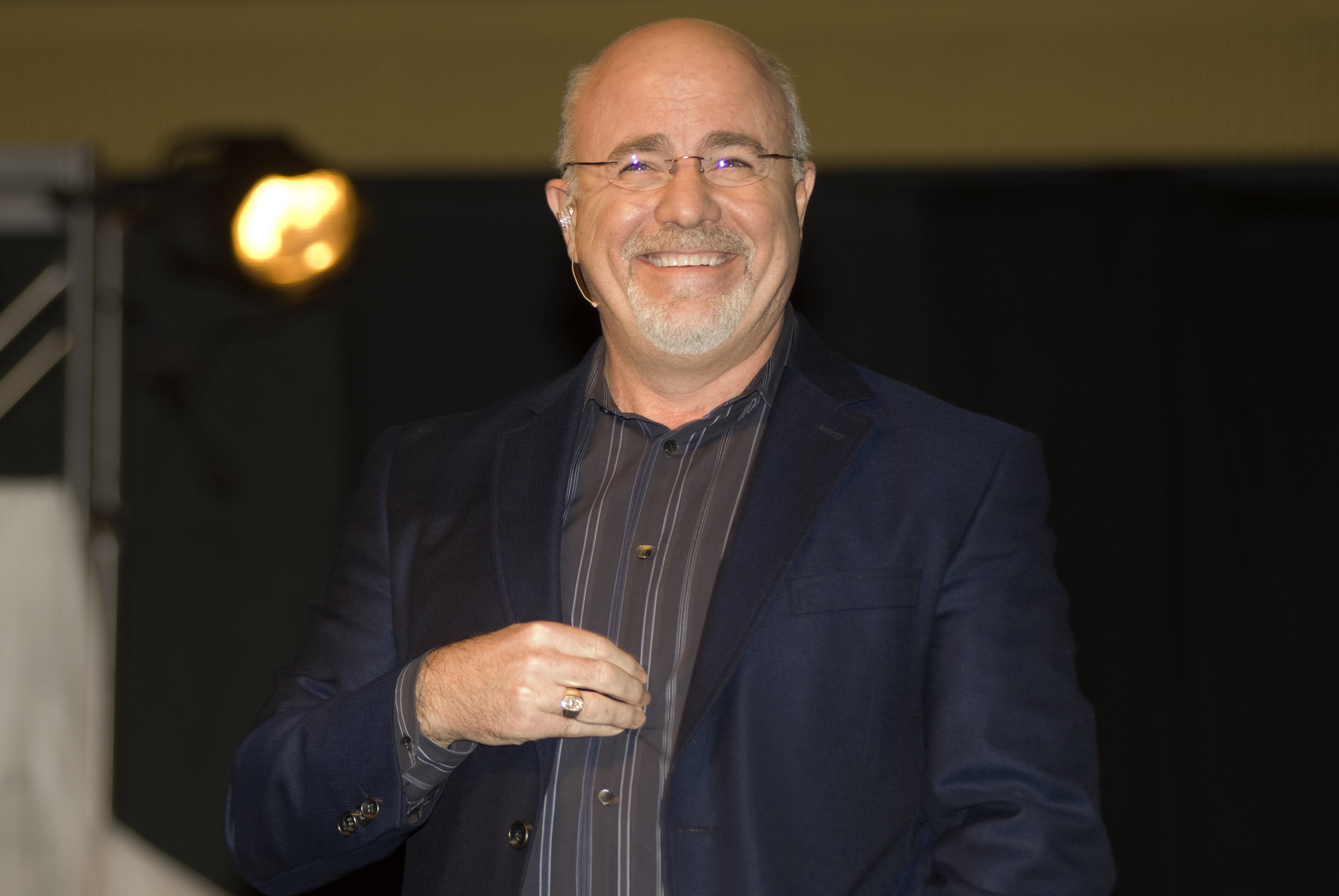
Dave Ramsey says anyone can become a millionaire using this simple $100 investment strategy.
Some people make over $1 million per year, but that’s not how most people become millionaires. People who can stay financially disciplined over several decades can also become millionaires, even if they have modest salaries. Dave Ramsey outlined a simple…

This post may contain links from our sponsors and affiliates, and Flywheel Publishing may receive compensation for actions taken through them.

Some people make over $1 million per year, but that’s not how most people become millionaires. People who can stay financially disciplined over several decades can also become millionaires, even if they have modest salaries. Dave Ramsey outlined a simple approach to becoming a millionaire before you turn 65, and it demonstrates how straightforward personal finances can be.
The $100 Strategy

Dave Ramsey said that 25-year-olds who invest $100 into a reliable stock or mutual fund each month will end up with $1,176,000 when they turn 65. That’s the power of compounded returns, and it shows how investing a little money each month can go a long way.
Most people can find an extra $100 each month. They can cut down on some discretionary expenses, pick up a small side hustle, or ask for a raise. It doesn’t take much effort to make or save an extra $100 each month.
Don’t Stop at $100

While investing $100/mo for 40 years can turn you into a millionaire, you can get there much sooner with a biggerinvestment. Whether it’s $110/mo, $150/mo, or $200/mo, contributing some extra money to your portfolio will go a long way.
The more you contribute now, the more compound growth will influence your future returns. Many people comment about how it’s difficult to accumulate the first $100k in your portfolio. However, each $100k milestone becomes easier to attain thanks to compounded growth. Eventually, the returns your portfolio generates will exceed your annual contribution. You can then let your portfolio ride and use your salary for travel and other expenses once you have a high enough net worth.
$100/mo is a good starting point since it is attainable for many people. You can pick a growth stock, but putting your money into a growth ETF can diversify your portfolio and reduce the amount of time you spend in your portfolio.
Get Out of Bad Debt First

Investing $100/mo can set you up for a 7-figure portfolio in 40 years, but you don’t want to put investing ahead of paying off bad debt. The assumption many people use is that your assets will produce an annualized 8% return. While this is a number based on historical precedent, it falls short of the rate you have to pay on some types of debt, such as credit card debt.
Some credit cards have 29.99% APRs, and it’s better to pay off that debt before you start investing. You also have the option of conducting a credit card balance transfer and securing an intro 0% APR for 12-24 months, depending on the issuer’s policy.
Once you get out of bad debt, you have to stay out of that type of debt and then invest at least $100/mo into the stock market. If you are older than 25 and still want to become a millionaire at 65, you will have to invest more money into the stock market each month.
Contact [email protected] for any questions or corrections.
Marc Guberti is a personal finance writer who has written for US News & World Report, Business Insider, Newsweek and other publications. He also hosts the Breakthrough Success Podcast which teaches listeners how to use content marketing to grow their businesses.