How will inflation factor into my $4k monthly estimate from Social Security years down the road?
A Reddit poster is confused about the Social Security Administration’s estimate of his future benefits that he sees when he signs into his account at my Social Security. After you log in, the main page of the website shows your…

This post may contain links from our sponsors and affiliates, and Flywheel Publishing may receive compensation for actions taken through them.

A Reddit poster is confused about the Social Security Administration’s estimate of his future benefits that he sees when he signs into his account at my Social Security.
After you log in, the main page of the website shows your estimated monthly benefit at full retirement age, as well as what your benefits would be if you claimed early or if you delayed. You can also change some of the projections, including your retirement age date and the amount your future salary is likely to be.
The Redditor wanted to know how inflation factored into his projected future benefit. Here’s what you need to know to understand how the calculator works and how it can help you.
Here’s what your future Social Security estimate is based on
Numerous Reddit users explained to OP that the projection of his future benefits is based on today’s dollars.
If you want to get a clear idea of what your estimate is going to look like based on inflated dollars, or if you want to use a calculator that gives you a little more control over the inputs, you can use the Online Benefits Calculator found at SSA.gov. However, if you use the more full-featured calculator, you will have to input your own information manually rather than just using the Social Security account online that already has your earnings records.
Beyond being in today’s dollars, the calculator at my Social Security makes a few key assumptions that you should know about because they affect the amount of your estimated future benefit.
Specifically, Social Security assumes you are going to be making a comparable salary to the amount that you have already made and are making now. If your salary goes up by a substantial amount, your benefits may end up higher — especially if you have a lot of working years left. If your salary declines or if you work for less than 35 years, your benefits will decline.
Changes to your future income affect your benefits because the Social Security Administration bases your payments on an average of your inflation-adjusted wages during your 35 highest-earning years. That’s why some people choose to try to work a few extra years at the end of their career if they are earning much more than they did in the past, and they want to max out their monthly payment. Working extra at a higher rate helps you eliminate some early low-earning years from your benefits calculation.
Social Security also assumes you are going to claim benefits at your full retirement age, which is 67 for anyone born in 1960 or later. A claim before FRA shrinks your benefit, sometimes substantially for a very early claim. For example, you lose up to 30% of your standard payment if you start checks at 62. The reduction is a monthly one that adds up to a 6.7% cut to benefits for each of the first 3 years you claim early, and a 5% benefits reduction for any prior year.
Claiming late, after FRA, on the other hand, will raise your benefits until you hit age 70. You can earn delayed retirement credits until then, which are worth 2/3 of 1% per month or 8% annually.
Consider getting professional advice on when to claim Social Security
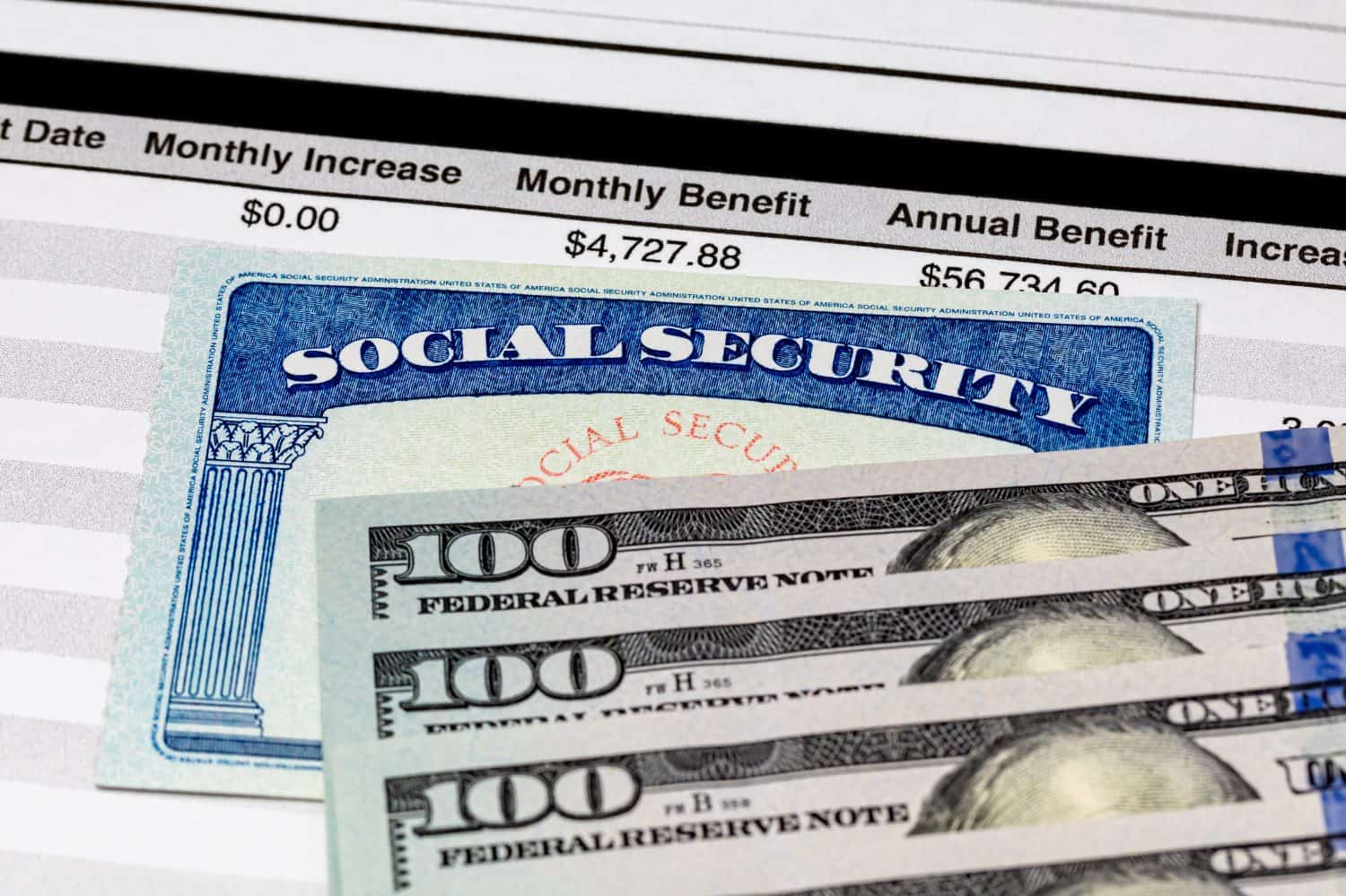
Social Security’s calculators can be helpful, but they make a lot of assumptions. They also provide only minimal insight into the best age to claim benefits based on your personal situation. If you have a spouse, things are even more complicated too, as there are survivor benefits and spousal benefits to consider.
Your Social Security income is probably going to be an important source of benefits as a retiree, so you should consider working with a financial advisor to find ways to try to maximize it and ensure that you make the smartest possible choices about when to claim. Since your income from this source is protected against inflation and guaranteed to last, the wrong decision can have outsized consequences on your retirement security.
Contact [email protected] for any questions or corrections.
Christy Bieber has been a personal finance and legal writer since 2008. She has a JD from UCLA School of Law and a BA in English, Media and Communications with a certification in business from the University of Rochester.
Christy has been published by a wide variety of sites, including WSJ Buy Side, Forbes, Kiplinger, Fox Business, Credit Karma, Insurify, and Annuity.org. In addition to writing for the web, she has also ghostwritten textbooks on business and law and served as a subject matter expert for course design.