Am I Addicted to Buying ETFs? My Spending on VOO Is Out of Control
You can be addicted to anything, but if your addictions are making money for you, it may not look like a bad idea. However, too much of anything can be questionable in the long run. An investor posted on Reddit…

This post may contain links from our sponsors and affiliates, and Flywheel Publishing may receive compensation for actions taken through them.

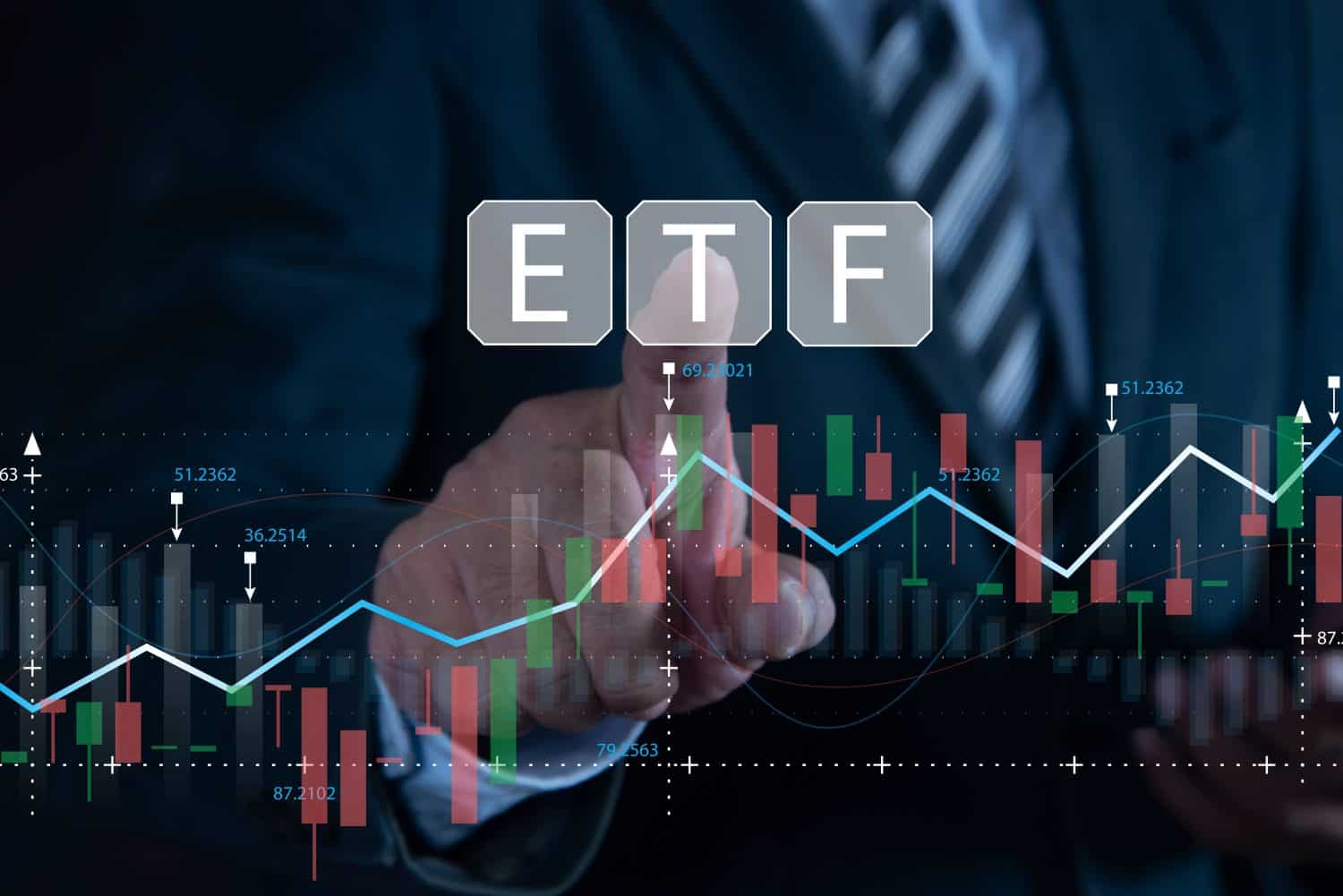
You can be addicted to anything, but if your addictions are making money for you, it may not look like a bad idea. However, too much of anything can be questionable in the long run. An investor posted on Reddit that he’s addicted to buying ETFs and his spending on Vanguard S&P 500 ETF (NYSEARCA:VOO) is going out of control. Another reddit user shared a similar investing habit. While VOO is the largest and most widely held ETF in the industry, an addiction to buying an ETF could spell trouble.
It could affect your finances and mental health. The Vanguard S&P 500 ETF is a highly diversified ETF with 500 stock holdings. A top ETF with a low expense ratio of 0.03%, VOO has emerged as one of the top picks for investors. However, an addiction isn’t the best way to build an investment portfolio. Here’s how you can handle this situation.
Investing vs gambling
It is important to understand the difference between investing and gambling. The difference lies in the intention. Investing can build wealth, but gambling risks it. Having a long term strategy based on research and risk management will generate steady returns, but gambling, especially compulsive trading, is usually driven by emotions, impulse, and the rush for quick gains. If you’re addicted to buying ETFs like VOO, you are very close to gambling. It’s worth asking yourself whether you want to build wealth or are simply feeding a habit.
Set a budget
Setting a budget is a good starting point to handle your addiction to buy ETFs. You could set aside a predetermined budget to buy ETFs each week or month. This will help avoid overspending and reduce major losses. Set aside only the money you can afford to lose. Do not add more even if you’re tempted to. Set a clear trading plan that meets your criteria and avoid making impulsive moves. Hold yourself accountable by setting goals or involving somebody who can keep you in check. You can only break this cycle through discipline and structure.

Build a long-term investment strategy
VOO is an excellent ETF to diversify your portfolio and own elite stocks. You get to own stocks of the best 500 companies in the U.S. and enjoy steady returns. It has a 30-day SEC yield of 1.17% and year-to-date returns of 9.42%. The fund is tech-focused and holds the Magnificent Seven in the top 10. This means it could see volatility caused due to sector ups and downs.
If you’re buying VOO daily, reflect on the motivation behind it and ensure that it is not driven by the fear of missing out. Make it a genuine investment strategy and diversify investments to mitigate risk. Consult a financial advisor to help you identify and work on your investment habits while building financial discipline and healthy investing habits.
Contact [email protected] for any questions or corrections.
Vandita Jadeja is a financial publisher with over a decade of experience writing about financial topics, including investment, savings, retirement, insurance and banking. Vandita is a Chartered Accountant who loves to debunk financial concepts for readers.
Her work has appeared on sites that include The Motley Fool, InvestorPlace, and Benzinga. She covers investing and focuses on stock picks and price prediction for 24/7 Wall St.
When not looking for the next stock investment opportunity, she can be found traveling, reading, chasing sunsets and enjoying her iced latte.