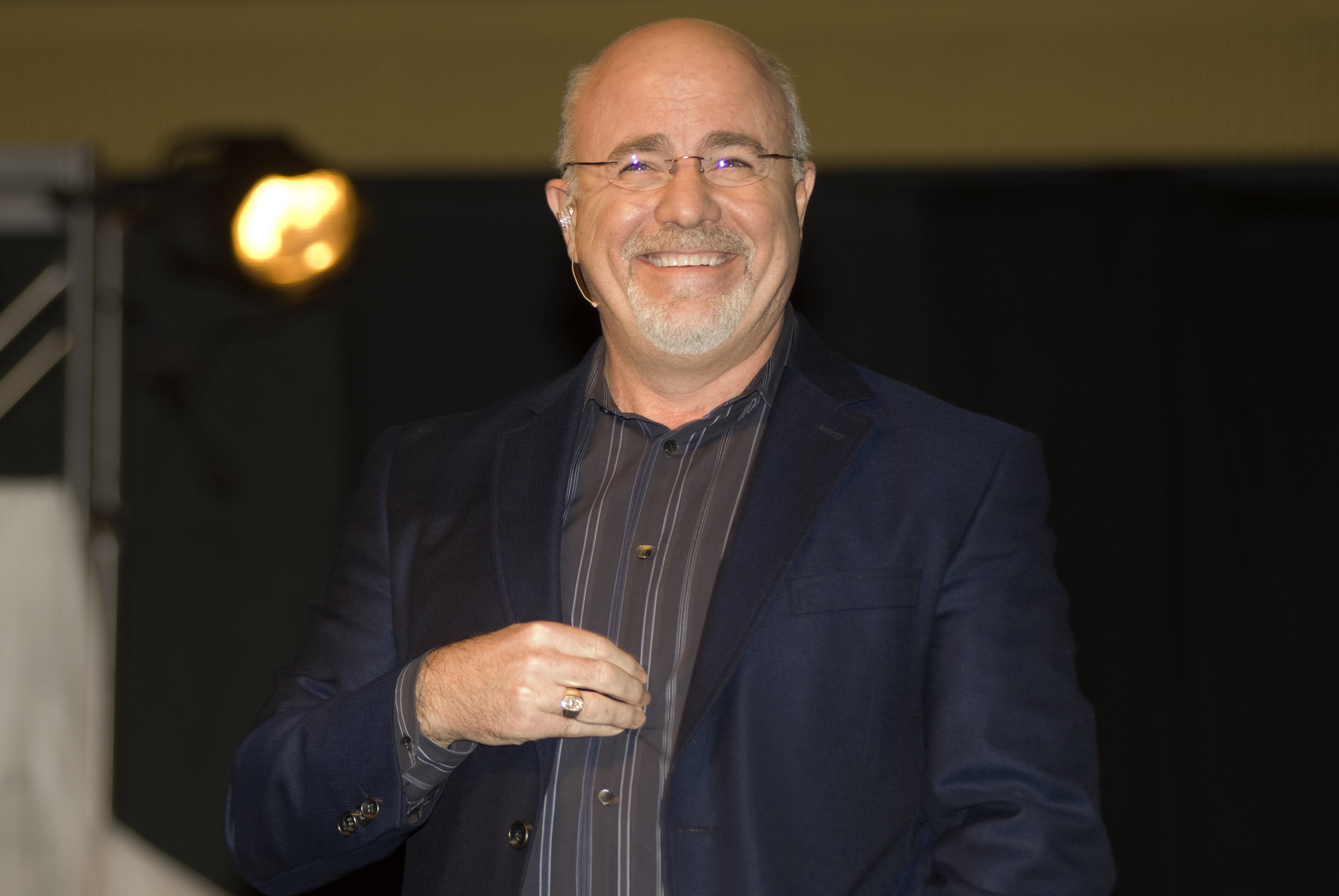
He’s 58, Owes $65,000 in Student Debt, Wants to Pay For His Daughter’s Wedding, and Has No Retirement Savings. Is It Too Late?
A divorced 58-year-old graphic designer has no retirement savings, real obligations to adult children, real debt, and a real fear that the window has already closed on his own financial future. It hasn’t, but the path forward is narrower than…

This post may contain links from our sponsors and affiliates, and Flywheel Publishing may receive compensation for actions taken through them.

A divorced 58-year-old graphic designer has no retirement savings, real obligations to adult children, real debt, and a real fear that the window has already closed on his own financial future. It hasn’t, but the path forward is narrower than it would have been at 48, and the trade-offs are sharper. Here is what the math actually says for this Lexington, Kentucky man earning roughly $55,000 a year, carrying $65,000 in Parent PLUS and private student loans for his children at 6.5%, and trying to fund a $10,000 wedding contribution due in late 2027.
The real Lexington budget on $50,000 of freelance income
A self-employed worker earning $50,000 per year can expect to lose a meaningful portion of that income to self-employment tax, federal income tax, and Kentucky’s flat state income tax, leaving approximately $37,000 available for living expenses and financial goals.
Fortunately, Lexington remains a relatively affordable place to live. Kentucky’s overall cost of living is well below the national average, and this man’s living arrangement with his mother is doing much of the heavy lifting. Paying just $500 per month toward housing and household expenses and maintaining a spacious apartment on the upper level of her house keeps his largest expense unusually low.
A realistic, but frugal, annual budget might include $6,000 for housing, $2,500 for health insurance and out-of-pocket medical costs, $4,800 for groceries and household spending, $2,800 for transportation (with an older car and working from home), $1,800 for utilities and phone service, $8,900 for student-loan payments, and about $2,400 for miscellaneous expenses and emergency reserves. That produces total annual spending of roughly $29,000. On approximately $55,000 of self-employment income, the budget leaves about $1,000 per month available for additional debt reduction, wedding savings, and future retirement contributions. The plan works largely because of the unusually low housing and transportation costs. Otherwise, there would be very little room for any of those goals.
What Social Security will and will not do
A self-employed worker who has averaged around $50,000 in covered earnings for 35 years and claims at full retirement age of 67 should expect a benefit around $1,750 to $1,900 a month in current dollars, roughly $21,000 to $23,000 a year. Claiming at 62 cuts that by about 30%, claiming at 70 raises it by about 8% per year of delay. For someone with no other income source, waiting until 70 to draw benefits is the single highest-return decision available. It converts Social Security from a partial replacement of current spending into something close to a full one.
Three ways to spend the next nine years
Scenario one: With $4,000 already saved for the wedding, set aside another $1,000 per month for six months to reach the $10,000 goal. After that, direct the entire surplus toward the educational loans. The debt is eliminated several years before retirement, but virtually nothing goes into retirement accounts. At 67, he is largely dependent on Social Security and his unusually low housing costs. The plan works, but only as long as the living arrangement with his mother remains available.
Scenario two: Finish the wedding fund over the next year by contributing $500 per month, while directing the other $500 per month toward emergency savings and extra debt payments. Once the wedding goal is met, redirect the full surplus toward the loans. After the debt is gone, both the former loan payment and the monthly surplus are invested in a SEP-IRA. This approach balances risk reduction with retirement preparation and could leave him with a meaningful five-figure retirement account by age 67.
Scenario three: Open a SEP-IRA immediately and make retirement saving the first priority. Contribute $700 per month to retirement and $300 per month toward the wedding until a more modest gift target is reached. The student loans remain on their regular repayment schedule. This creates the largest retirement balance by age 67, though it requires accepting that the debt will remain longer and that the wedding contribution will be smaller. Financially, it is the strongest option. Emotionally, it may be the hardest.
The structural risk no calculator catches
His $500 rent is a below-market family arrangement that disappears the day his mother sells the house, moves into assisted living, or passes away. Lexington market rent for a modest one-bedroom runs $1,100 to $1,400, and housing services spending has risen every month for the past eight months at the national level. If his housing cost triples in his late sixties, a Social-Security-only retirement collapses. The SEP-IRA doubles as housing insurance in this scenario, against the day the arrangement ends. As a self-employed worker, he can shelter up to roughly 20% of net earnings, far above the IRA limit, and the contribution reduces income tax in the same year.
Three factors that could relieve the pressure
This analysis assumes no outside help arrives, which is the safest and most conservative basis for his retirement planning. But three potential parachutes could materially improve the picture.
The first is the eventual inheritance of his mother’s home. If he ultimately inherits the property free and clear, his largest retirement expense—housing—could remain permanently low or disappear altogether, dramatically reducing the amount of savings required.
The second is geographic flexibility. A retiree living primarily on Social Security can often stretch those dollars much further in lower-cost international destinations, such as Mexico, Belize, or Panama, than in the United States. Neither possibility should be treated as a guaranteed retirement plan, but both represent meaningful sources of upside that could make an otherwise tight retirement far more manageable.
Third is shared responsibility. The current plan assumes he alone carries the burden of both the wedding contribution and the educational debt. Depending on the financial circumstances of his ex-spouse and adult children, some of those costs could be shared more broadly. Every dollar contributed by another family member is a dollar that can remain available for debt reduction or retirement savings. The challenge is less mathematical than relational. Family expectations, pride, and long-established financial roles can make these conversations difficult, even when the numbers clearly support having them.
What he should actually do
Our recommendations:
- Cap the wedding contribution at $5,000 and tell his daughter now, because debt and gifts can be restructured but compounding years cannot.
- Keep the student loans on a standard 10-year schedule rather than accelerating, because the 6.5% rate is close enough to long-run equity returns that the tax-deferred SEP wins on an after-tax basis.
- Open a SEP-IRA and contribute at least $700 a month, ideally $1,000 once the wedding is funded.
- Plan to work until 70 and claim Social Security then.
Run the numbers on a 4% withdrawal rate against a $100,000 to $130,000 portfolio and you get $4,000 to $5,200 a year of supplemental income, which is a cushion that protects him the day the $500 rent goes away. That is the retirement plan. It is not generous, but it is real, and at 58 in Lexington with this income, it is still on the table.
Contact [email protected] for any questions or corrections.
Drew Wood has edited or ghostwritten nine books and published more than 1,500 articles on investing, business, politics, travel, world cultures, wildlife, and earth science. He holds a doctorate and four master's degrees and has nearly 30 years of college teaching experience. His travels have taken him to 25 countries, including three years living in Ukraine.