The Real Cost of Retiring in Naples, Florida, Where No One Bothers You
Someone visits Naples, drives past the gated entrances off Pine Ridge or Vanderbilt Beach, and runs the numbers on a quiet life behind a guardhouse. The pitch sells itself: no state income tax, warm winters, neighbors who keep to themselves.…

This post may contain links from our sponsors and affiliates, and Flywheel Publishing may receive compensation for actions taken through them.
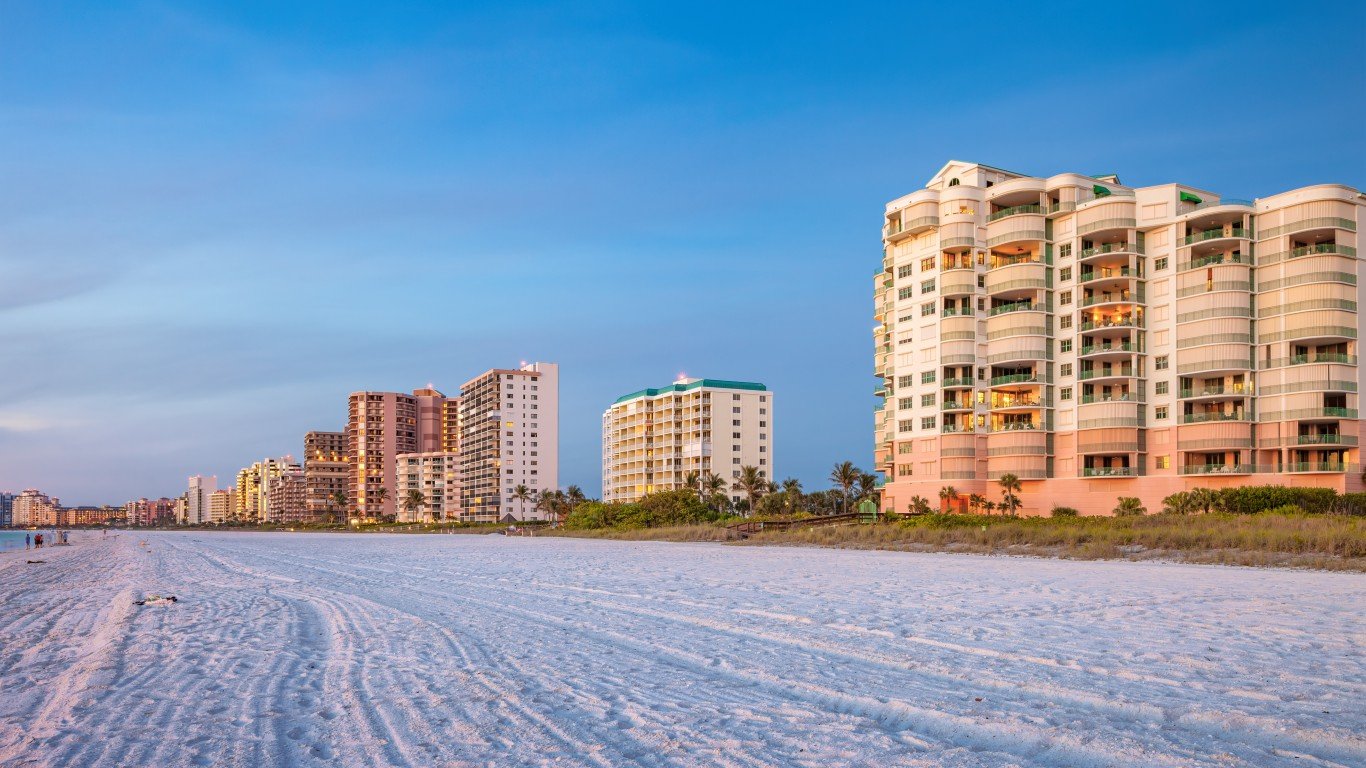
Someone visits Naples, drives past the gated entrances off Pine Ridge or Vanderbilt Beach, and runs the numbers on a quiet life behind a guardhouse. The pitch sells itself: no state income tax, warm winters, neighbors who keep to themselves. Naples is a distinctive Florida retirement market, and the version that actually delivers on the “no one bothers you” promise costs real money.
What “No One Bothers You” Actually Buys
In Naples, privacy comes packaged: a gated community, a deep lot, mature landscaping, and an HOA that handles anyone who would otherwise knock on your door. That combination rules out cheaper inland subdivisions and steers serious buyers toward Pelican Bay, Grey Oaks, Quail West, or the older estate sections south of Pine Ridge Road. Entry pricing in those zip codes starts around $1.1 million for a modest single-family home and climbs well past $3 million for anything on the water.
The broader Naples market has softened from its post-pandemic peak. The median sale price sat at roughly $1.2 million over the three months ending August 2026, down about 14% from the same period a year earlier. Homes are now averaging around 124 days on the market before going to contract, a timeline that hands buyers real negotiating leverage they simply did not have in 2021 or 2022. Most homes are closing about 7% below list price.
Carrying a $1.2 million Naples home is where the budget grows uncomfortable. Collier County property taxes run roughly 0.75% of assessed value after the homestead exemption, which works out to about $8,500 a year. The larger line item is insurance. A standalone wind and hazard policy in coastal Collier, combined with a separate NFIP or private flood policy, commonly lands between $10,000 and $16,000 a year for a home in this price band. HOA dues in a true gated community add another $6,000 to $14,000 annually, and that figure excludes any club initiation fee for golf access.
The Real Annual Budget for a Naples Couple
Here is what a 65-year-old couple should plan to spend, in current dollars, to live the quiet version of Naples:
- Property tax, insurance, HOA, maintenance reserve: about $38,000
- Utilities, internet, pool and lawn service: about $9,000
- Food, using the USDA Liberal plan for a couple at this wealth tier: about $18,000
- Healthcare on Medicare with a Plan G supplement, Part D, dental, and an IRMAA cushion: about $13,000
- Two vehicles, fuel, insurance, replacement reserve: about $11,000
- Travel, dining, gifts, club dues, personal: about $30,000
- Federal income tax on withdrawals and Social Security: about $16,000
That totals roughly $135,000 a year. The BLS Consumer Expenditure Survey puts the average U.S. household at $78,535 for 2024, so this Naples budget runs close to double the national norm. That gap reflects a Florida market where the statewide cost index sits at 103.4 and Naples itself runs well above even that elevated baseline.
On the healthcare line, the standard Medicare Part B monthly premium rose from $185 in 2025 to $202.90 in 2026, a nearly 10% jump in a single year. The income-related surcharge (IRMAA) can push that figure considerably higher for a couple with meaningful investment income: IRMAA brackets for 2026 range from $284.10 to $689.90 per month depending on modified adjusted gross income, beginning at $109,000 for single filers and $218,000 for joint filers. The $13,000 healthcare budget line accounts for this exposure, but couples drawing heavily from pretax accounts should stress-test that figure every year at enrollment.
The Portfolio That Supports It
Start by subtracting reliable income. Two retirees claiming at full retirement age with solid earnings histories can expect combined Social Security of roughly $55,000 to $60,000, adjusted by the 2.8% COLA that took effect in January 2026. Call it $58,000. The gap to fund from the portfolio is about $77,000 a year.
At a 3.75% withdrawal rate for a 30-year horizon starting at 65, that gap implies a portfolio of about $2.05 million in liquid investable assets, on top of the paid-off house. At a 3.5% rate, the figure rises to $2.2 million. Adding the $1.2 million in home equity, the all-in net worth required lands near $3.3 to $3.4 million. Claiming Social Security at 70 instead of 67 raises each benefit by roughly 24% and pulls the portfolio target down by about $250,000, making delayed claiming one of the most consequential planning decisions a high-earning couple can make.
The Insurance Picture Has Shifted Meaningfully
Florida’s property insurance market repriced dramatically between 2020 and 2024, and Naples sits in the wind and surge zone that drove the worst of those increases. The picture in 2026 is genuinely more encouraging. Legislative reforms enacted in 2022 and 2023, including the elimination of one-way attorney fees and a ban on assignment-of-benefits abuse, have driven a sharp decline in insurance litigation. Lawsuits involving Citizens claims have fallen 55% since 2023, according to Citizens CEO Tim Cerio. Florida’s personal property insurance market posted its first underwriting profit in eight years in 2024, according to AM Best, and S&P Global data cited by state regulators confirmed that Florida was the only state to record a homeowners insurance rate decrease in 2025, against a national weighted average increase of 5.5%.
Citizens Property Insurance, the state-backed insurer of last resort, saw Florida’s Office of Insurance Regulation approve an 8.7% average decrease in personal lines rates for 2026, the first statewide rate reduction for Citizens policyholders since 2015. Regulators cut rates by at least 2% for all Citizens personal lines customers, with homeowners multiperil policyholders receiving an average 8.8% reduction and wind-only policyholders receiving 5.5%. The policy count tells its own story: Citizens peaked at 1.42 million policies in October 2023. By March 2026 that figure had dropped to 336,000, a decline of 76%, and by August 2026 it had fallen further to 266,231 as private carriers absorbed former Citizens customers. At least 17 new carriers have entered the Florida market since the reforms.
That momentum is real, but it does not make coastal Florida insurance planning simple. Coastal Collier County homeowners still pay among the highest premiums in the country, routinely between $9,000 and $18,000 a year on single-family homes. The market remains thin for older roofs, barrier-island exposures, and homes with prior claim histories. A hurricane deductible on a $1.2 million home commonly sits at 2% to 5% of dwelling coverage, meaning $20,000 to $50,000 out of pocket per event before any policy reimbursement begins.
Anyone building a Naples retirement plan should hold a dedicated storm reserve, kept entirely separate from the investment portfolio, sized to absorb a major premium spike and at least one large deductible event. Most planners size that reserve at $60,000 to $75,000 and treat it as untouchable until needed. The path to Naples, lived quietly, is a paid-off home in the $1.1 to $1.3 million range, roughly $2.1 million invested across index funds, dividend strategies, and a treasury ladder covering the first five years of withdrawals, Social Security claimed at or after full retirement age, and that storm reserve held well apart from the portfolio. Hit those marks and Naples largely leaves you alone. Miss the insurance reserve and the market will find you every June.
Editor’s note: This pass updates the Naples median sale price to approximately $1.2 million and the days-on-market figure to approximately 124 days per Redfin data through August 2026, reflecting a roughly 14% year-over-year price decline. The Citizens Property Insurance rate decrease figure has been corrected from the Board’s initial 2.6% recommendation to the Florida OIR’s final approved decrease of 8.7% for personal lines (8.8% for multiperil), and the Citizens policy count is updated to 266,231 as of August 2026. The insurance litigation decline has been updated to reflect Citizens CEO Tim Cerio’s statement that Citizens-related lawsuits have fallen 55% since 2023, and the article adds that Florida was the only state to record a homeowners rate decrease in 2025 per S&P Global data cited by state regulators.
Contact [email protected] for any questions or corrections.
I am a long time investor and student of business, and believe finding good companies that can become great investments is the best game on earth. After 20 years of writing and researching the public markets it is clear that individuals have never had more tools and information to take control of their financial lives. From ETFs and $0 commissions to cryptos and prediction markets there has never been a greater democratization of access to investing.
I write to help people understand the investments available to them so they can make the best choice for their portfolio, whether they're starting out or looking for income in retirement.