The Real Cost of Retiring in Charleston, SC, at 65 on $975,000 Worry Free
A $975,000 portfolio can look like a comfortable retirement at 65, but Charleston is not a place where the headline number tells the whole story. The city offers history, healthcare access, beaches, restaurants, and a strong retirement draw. It also…

This post may contain links from our sponsors and affiliates, and Flywheel Publishing may receive compensation for actions taken through them.
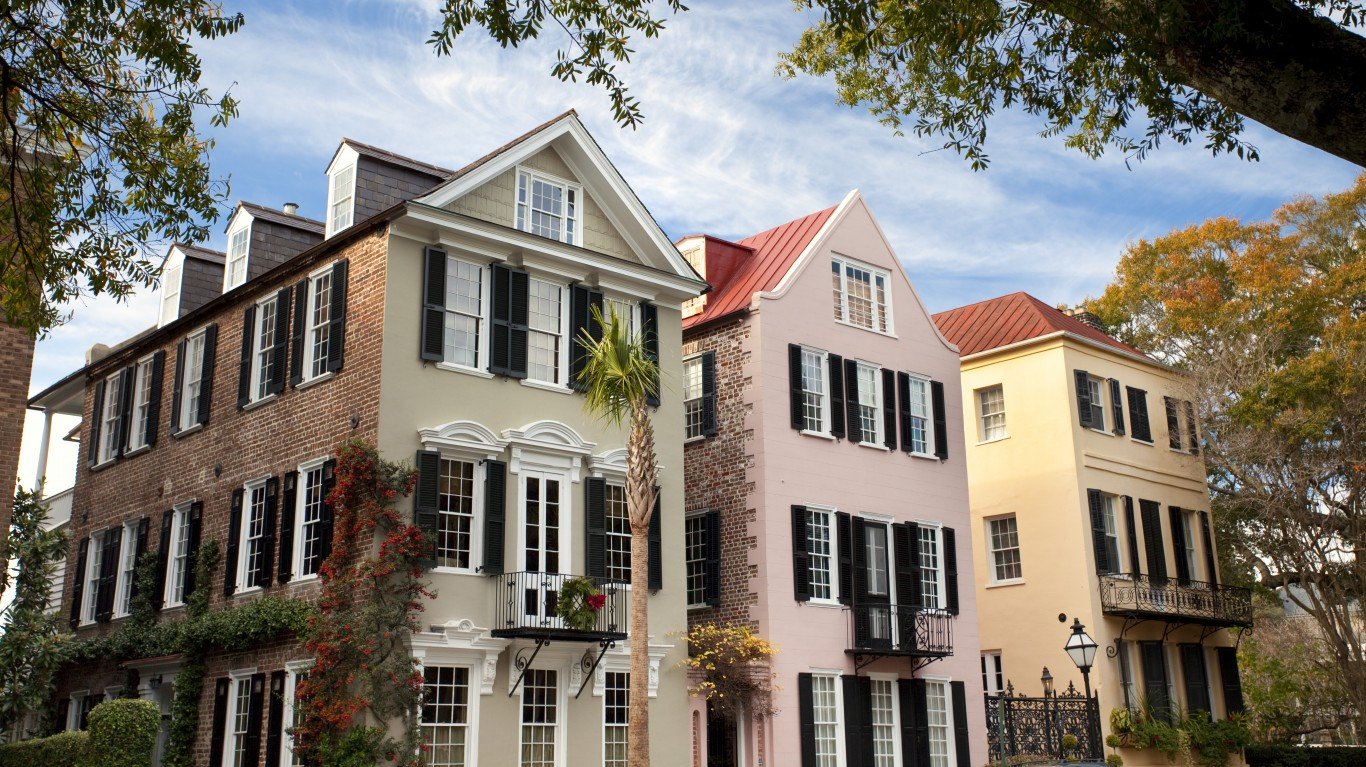
A $975,000 portfolio can look like a comfortable retirement at 65, but Charleston is not a place where the headline number tells the whole story. The city offers history, healthcare access, beaches, restaurants, and a strong retirement draw. It also brings coastal home prices, flood exposure, and insurance costs that can turn a simple budget into a much tighter plan. The real question is not whether $975,000 can work in Charleston. It is whether the plan prices the coast honestly.
What Charleston actually costs at 65
Start with housing. The Charleston Trident MLS reported a $424,000 median sale price for the 12 months ending in May 2026 across the broader market, while Zillow put the average Charleston city home value at about $593,700 as of April 2026. South Carolina is still below the national average on broad cost-of-living measures, but Charleston city housing is not the cheap part of the plan. Treat the state index as a tailwind for some groceries and services, not for the house.
Assume you arrive owning your home outright. A reasonable annual carrying budget for a paid-off home includes property taxes in the low thousands thanks to South Carolina’s 4% primary-residence assessment ratio, coastal homeowners coverage that can run well above statewide averages, separate flood insurance through NFIP or a private carrier, utilities, HOA dues where applicable, and a maintenance reserve. For a Charleston home in the $500,000 to $600,000 range, call it roughly $14,000 to $18,000 a year before any major storm deductible.
Healthcare and everyday spending
Healthcare at 65 is cleaner because Medicare begins for most retirees. The 2026 standard Part B premium is $202.90 a month, the Part A inpatient deductible is $1,736, and the annual Part B deductible is $283. Layer in a Medigap Plan G policy, a Part D drug plan, dental and vision, and a realistic out-of-pocket buffer, and a healthy single retiree should plan for roughly $6,500 to $8,000 a year.
Food, transportation, and discretionary spending round out the picture. A comfortable Charleston budget for a single retiree with a paid-off home lands around $55,000 to $60,000 a year. A couple with the same housing setup needs closer to $75,000 to $85,000, depending on travel, vehicles, insurance, and healthcare choices.
Turning the budget into a portfolio target
Social Security at age 65 is claimed two years before full retirement age for anyone born in 1960 or later, so the benefit is reduced by roughly 13.3%. SSA estimates the average retired-worker benefit at $2,071 a month in January 2026 after the 2.8% COLA, so a 65-year-old with an average earnings record might draw closer to $1,795 a month, or about $21,500 a year. A higher earner who waits until 67 can receive much more, and every year of delay raises the inflation-protected floor for the rest of retirement.
Run the gap math on a single retiree spending $58,000 a year and claiming at 65 with about $21,500 in Social Security. The portfolio has to cover roughly $36,500 a year. At a 3.7% withdrawal rate, that requires about $986,000. At a more conservative 3.5% rate, the gap implies about $1.04 million. If you delay Social Security to 67 and bridge those two years from the portfolio, the higher lifetime benefit can reduce the long-term portfolio draw.
For a couple, the same $975,000 only works if both spouses have benefits, the home is paid off, and discretionary spending stays disciplined. Two benefits totaling about $43,000 a year plus a $35,000 portfolio draw at roughly 3.6% supports a $78,000 lifestyle before any unusually large insurance, tax, or healthcare shock.
Taxes help, but they do not erase the coastal risk
South Carolina helps on the tax side. Residents 65 and older can deduct up to $10,000 of qualifying retirement income from state taxable income, and Social Security is not taxed at the state level. Federal taxes on a roughly $36,500 traditional IRA draw plus a partially taxable Social Security benefit should be modest for many single filers, especially after the standard deduction and senior deductions, but they still need to be included in the spending plan.
The line item that decides whether this works
The financial risk in this scenario is the structural reality of coastal property insurance in South Carolina. It compounds over a 25- to 30-year retirement in ways a simple spreadsheet can easily understate.
Three mechanics matter. First, named-storm and wind/hail deductibles in coastal South Carolina are often percentage-based, commonly in the 1% to 5% range depending on carrier, location, and policy language. On a $500,000 insured value, a 5% wind deductible is $25,000 out of pocket before the carrier pays. Second, flood insurance is separate from homeowners coverage, and FEMA’s Risk Rating 2.0 prices flood risk more directly by property. Third, if standard-market coverage becomes unavailable, South Carolina’s wind pool exists to improve access to wind and hail coverage in coastal areas.
Add $3,000 a year of insurance creep over a decade and you have added roughly $30,000 of cumulative drag before inflation. Pair that with one 5% deductible event on a $500,000 insured value and the combined hit reaches about $55,000 in current dollars. CPI-U rose 4.2% over the 12 months ending in May 2026, but coastal insurance can move differently from broad inflation. That is why the insurance line item is the one most likely to break the worry-free promise.
How to make the Charleston plan safer
Buy outside the highest-risk flood areas and on higher elevation where possible. Confirm the flood zone, elevation certificate, wind and hail deductible, flood premium, and claims history before you close. Keep a dedicated insurance reserve of $30,000 to $40,000 inside your cash and short-duration bond bucket. A smaller, newer, more storm-resilient home in West Ashley, Summerville, or another inland suburb may be a better long-horizon bet than a charming older home in one of Charleston’s most flood-exposed historic areas.
What it actually takes
The portfolio number that makes Charleston work at 65 is closer to $975,000 to $1.05 million for a single retiree if the house is already paid for, Social Security is claimed with intention, withdrawals stay around 3.5% to 3.7%, and there is a real reserve against coastal insurance volatility. A balanced portfolio may need to earn roughly 6% nominal over time for the plan to feel comfortable, but the budget should also survive years when returns lag and insurance rises faster than inflation. Delay Social Security if possible, because every month of delay improves the rest of the plan.
Charleston rewards the people who price the coast accurately. The retirement can work at $975,000, especially for a paid-off homeowner with steady Social Security and disciplined spending. The worry-free part works only if you build the insurance line into the budget at full freight, treat the percentage deductible as a real liability, and stop assuming that next year’s premium will look like this year’s.
Contact [email protected] for any questions or corrections.
Drew Wood has edited or ghostwritten nine books and published more than 1,500 articles on investing, business, politics, travel, world cultures, wildlife, and earth science. He holds a doctorate and four master's degrees and has nearly 30 years of college teaching experience. His travels have taken him to 25 countries, including three years living in Ukraine.