She Inherited 200 Acres of Texas Land Expecting a Windfall From the Water Beneath It. A 2025 Ruling Said Otherwise.
A Texas schoolteacher inherited 200 acres of Permian Basin ranchland and started doing retirement math around the lithium-rich brine flowing beneath it. Then a June 2025 court ruling reframed who actually controls that water under a standard oil-and-gas lease.

This post may contain links from our sponsors and affiliates, and Flywheel Publishing may receive compensation for actions taken through them.

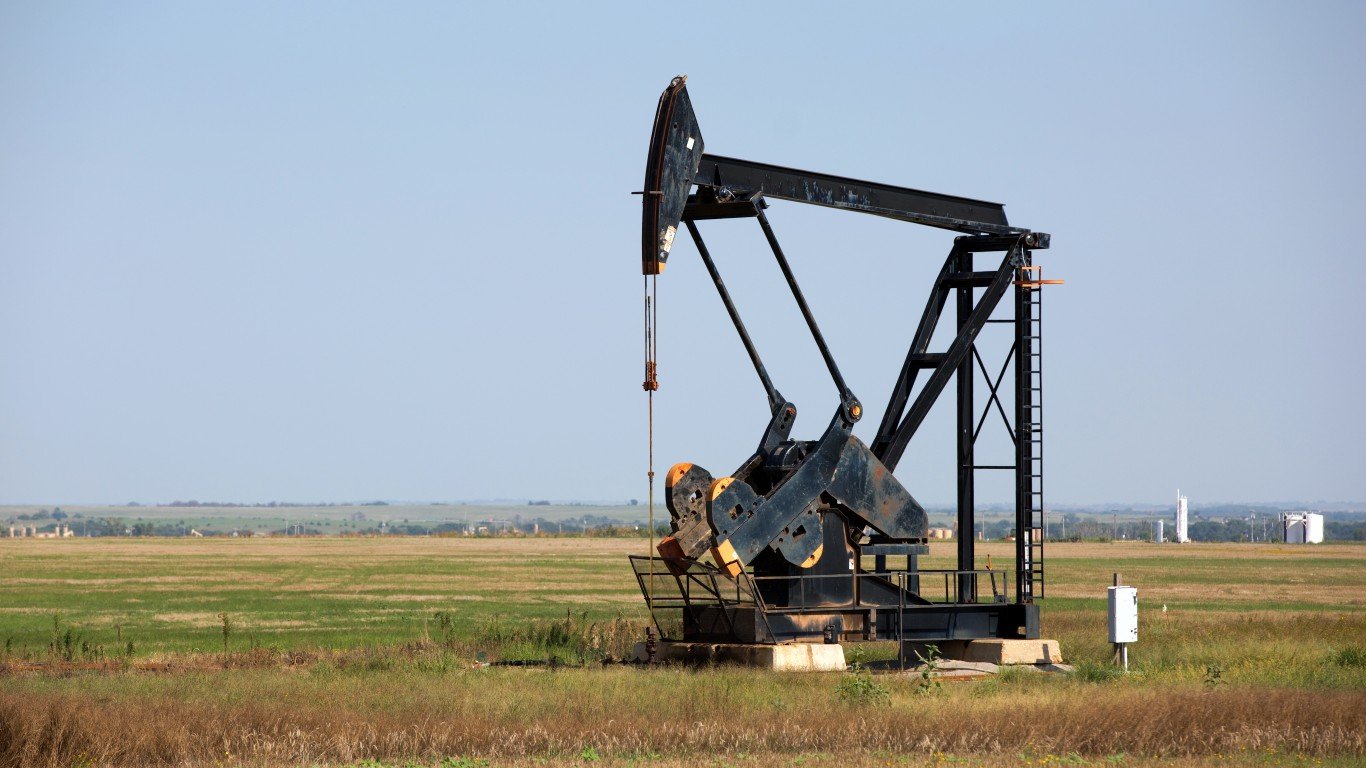
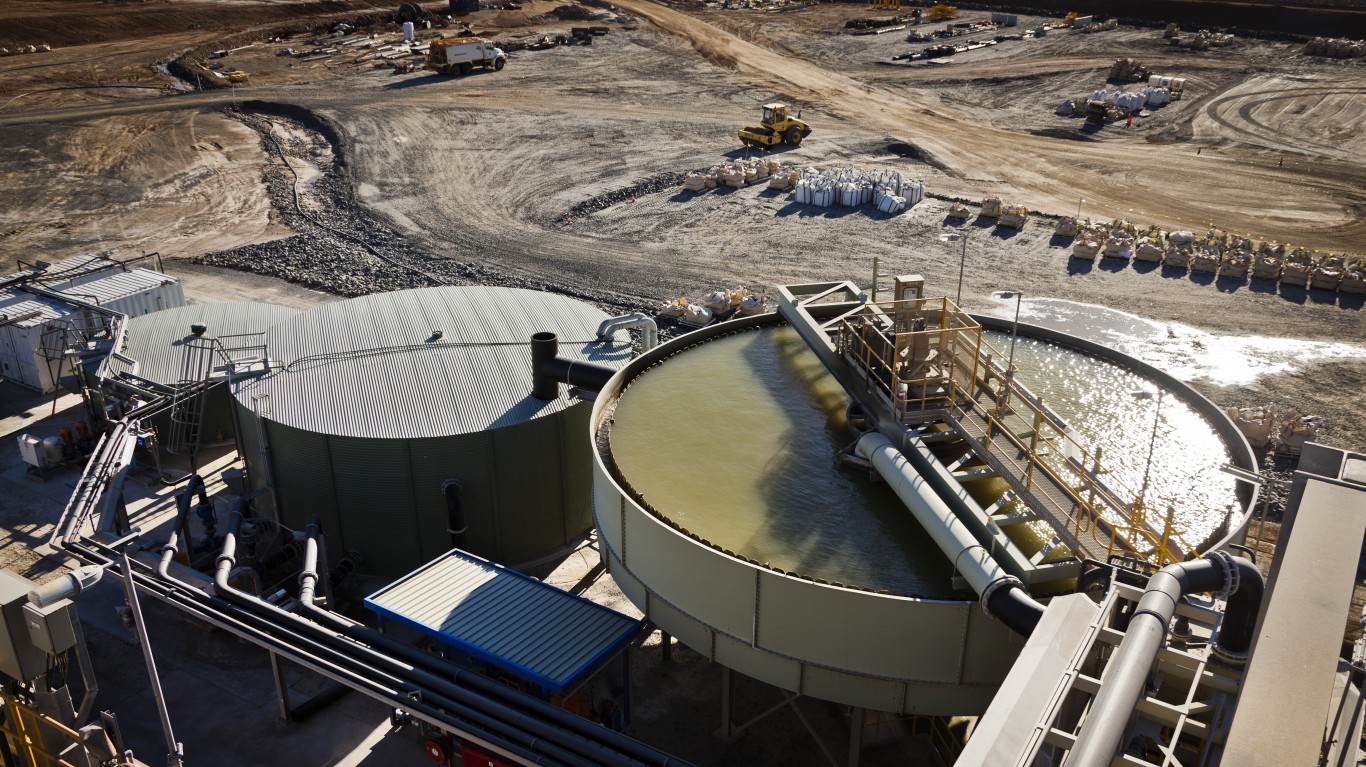
Maria is 58, a schoolteacher in Lubbock, and last spring she inherited roughly 200 acres of West Texas ranchland from her father. The land sits atop the Permian Basin, and two producing oil wells operate under a decades-old lease. Those wells bring up large volumes of salty, mineral-rich “produced water,” the briny byproduct of oil production that companies are now testing as a possible domestic source of lithium and other critical minerals.
Maria did the back-of-the-envelope math a hundred times. If that water were hers, and if even a fraction of the lithium extraction pilots underway in the Permian panned out, the inheritance could reshape her entire retirement. She started reading lease documents at the kitchen table.
Then came June 27, 2025, when a Texas Supreme Court decision turned her assumption inside out.
The Ruling That Changed the Math
In Cactus Water Services v. COG Operating, the court held that typical oil-and-gas lease language gives the lessee control of produced water unless the surface owner expressly reserves it. As the court put it, “produced water is not water … a horse of an entirely different color.”
The practical consequence for Maria is direct. Unless her father’s lease expressly reserved ownership of produced water, the operator likely controls the brine. Whether the operator also owns nonhydrocarbon minerals such as lithium extracted from it remains unresolved. The court expressly declined to decide that question, according to reporting from Texas Standard and Inside Climate News.
Permian landowners and heirs with older leases that use typical language and never mention produced water now face the same question: Did their families sign away a resource no one yet considered valuable?
Why This Is a Wealth-Stage Problem
Inherited land can be one of the largest assets a middle-income family ever holds. In Texas, 200 acres may represent years of household income, especially when the family believes the tract carries oil, gas, water, or critical-mineral upside. When that asset carries assumed subsurface value, families plan around it. They delay Social Security. They pass on downsizing. They tell themselves the land is the plan.
The financial tension is this: what Maria thinks she owns and what the documents say she owns may be two different things. Surface rights, mineral rights, and groundwater rights can be severed or conveyed separately. If prior generations split the estate or signed away rights in broad lease language, the family’s value assumption can collapse.
The Two Paths Most Heirs Face
For someone in Maria’s position, one path is meaningfully safer than the other.
- Audit first, plan second. Pull the deed, the original lease, every amendment, and any division orders. Have a Texas oil-and-gas attorney read the documents specifically for produced-water language, prior assignments, and any rights expressly reserved by the family. Order a title examination to confirm what mineral interests, if any, transferred with the surface. Only after that audit is complete should retirement projections assign value to anything beyond the raw acreage. Texas commonly allows the surface and mineral estates to be owned separately, while division orders identify the owner’s interest but do not rewrite the underlying lease.
- The other path is to assume the upside and build around it. This is what many heirs do by default, and it is the path that can go wrong. Treating unverified subsurface rights as a retirement backstop is how people end up house-rich, cash-poor, and unable to undo an early Social Security claiming decision years later.
Path one wins because the downside of being wrong on path two is asymmetric. A title and lease audit costs money upfront. Rebuilding a retirement plan around a phantom asset can cost years.
What to Do This Month
The next moves are clear cut.
- First, read the lease. If it does not expressly reserve produced water to the surface owner, typical oil-and-gas lease language now favors the operator under Texas law. The Cactus Water ruling made silence on produced water a default in the operator’s favor.
- Second, if you still own the relevant rights and control future lease negotiations, fix the language now. Add express provisions addressing produced water and any rights connected to critical-mineral extraction when a lease is signed or renewed. Make sure the deed, will, or trust accurately identifies which surface, mineral, and water interests pass to your heirs. Estate documents can transfer rights you own, but they cannot recover rights already conveyed under an existing lease or deed.
The common mistake is assuming that inheriting the surface means inheriting everything under it. In Texas, it does not. The answer lies in the chain of title, the lease, and any express reservations written into them.
Contact [email protected] for any questions or corrections.
Gerelyn Terzo is the author of dividend investing handbook "Dividend Investing Strategies: How to Have Your Cake & Eat It Too." A veteran financial journalist, she covers agri-finance for outlets like Global AgInvesting and the broader stock market and personal finance for 24/7 Wall Street. She began at CNBC and later helped launch Fox Business in New York. Gerelyn currently resides in Woodland Park, Colorado and dabbles in nature photography as a hobby.