Coming Home From a Stroke Costs Thousands in Ramps, Rails, and Wider Doorways. Medicare Says ‘Not Medical’ Equipment.
Medicare covered the hospital stay and the rehabilitation unit, but when a stroke survivor wheels home to a split-level entry and a 28-inch bathroom door, the bills waiting there belong to an entirely different rulebook.

This post may contain links from our sponsors and affiliates, and Flywheel Publishing may receive compensation for actions taken through them.

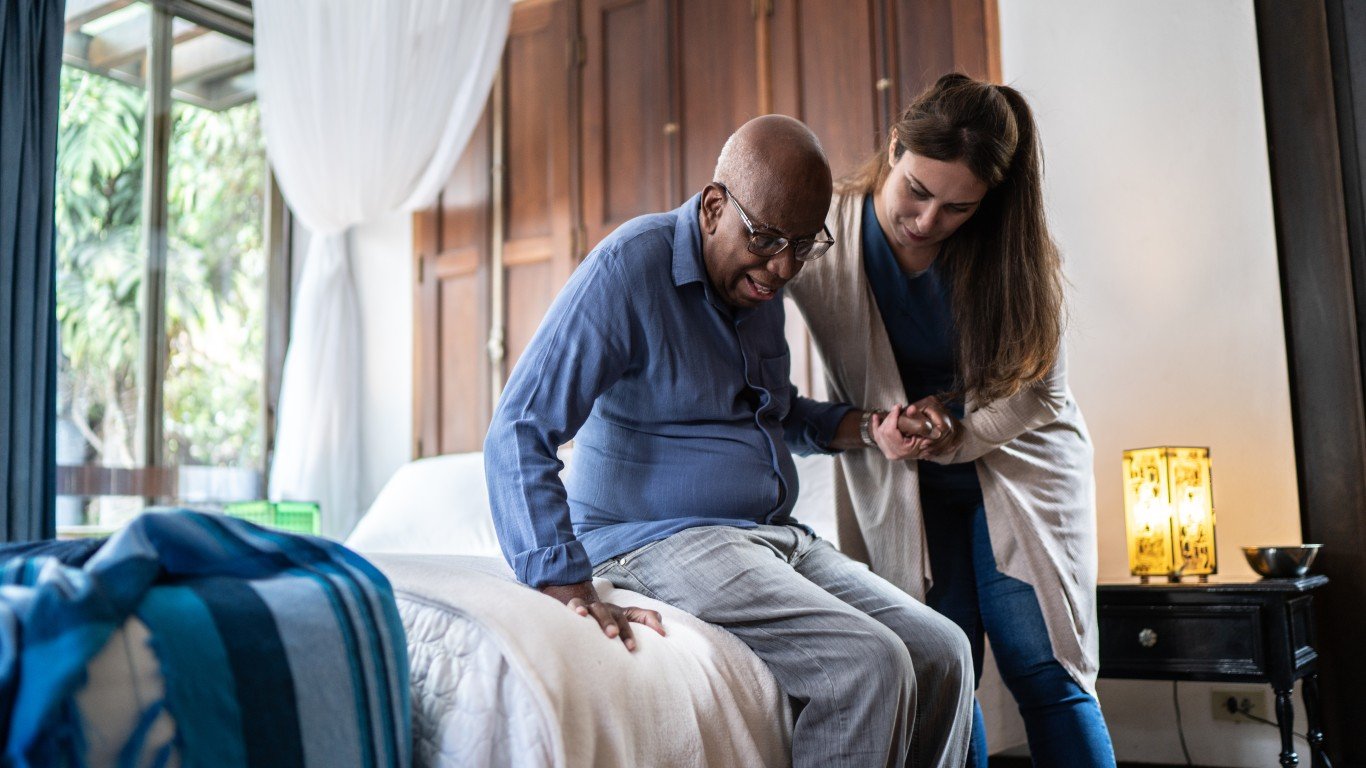
A 68-year-old comes home after three weeks in a stroke rehabilitation unit. His occupational therapist has already flagged the split-level entry, tub-shower combination, and 28-inch bathroom door as hazards for someone using a walker. The discharge planner hands him a list of contractors. Then he learns what nobody mentioned at the hospital: Original Medicare generally will not pay for the ramp, grab bars, widened doorway, or walk-in shower, even when the care team recommends them for a safe discharge.
That rule can turn a covered medical event into a five-figure household expense just as income is falling and care needs are peaking. The hospital stay may be covered. Making the house usable afterward is a different matter.
The Rule That Costs the Most
Original Medicare covers qualifying medical care and equipment, not most permanent changes to the home. Part A covers a qualifying inpatient hospital stay. Part B covers medically necessary outpatient physical and occupational therapy. It also covers durable medical equipment such as walkers, wheelchairs, and hospital beds when Medicare’s requirements are met. After the $283 Part B deductible in 2026, the beneficiary generally pays 20% of the approved amount when the supplier accepts assignment.
A ramp or widened doorway is not portable medical equipment. It becomes part of the house. The same distinction generally excludes grab bars, stair lifts, and bathroom remodeling from Original Medicare. A written recommendation from the occupational therapist remains valuable, but it does not convert construction into covered equipment. Neither does a physician’s order for a roll-in shower.
What the Bill Can Look Like
Estimates for a post-stroke retrofit can stack up quickly:
- Aluminum modular wheelchair ramp: $1,000 to $10,000, depending heavily on length and site conditions
- Straight stair lift: approximately $3,000 to $5,000 installed
- Tub-to-walk-in-shower conversion: approximately $6,000 to $12,000
- Grab bars, raised toilet, and handheld showerhead: often under $1,000 as a package
- Widening one interior doorway: approximately $700 to $2,500
A household needing a ramp and bathroom conversion can easily face $10,000 to $20,000. Add a stair lift or multiple doorways, and the total can clear $25,000. Local labor rates, permits, structural work, and the layout of the house can move those estimates sharply. Compare that with a retiree receiving $1,600 a month from Social Security. The 2.8% cost-of-living adjustment (COLA) for 2026 added roughly $45 per month. A $20,000 retrofit costs more than an entire year of that beneficiary’s Social Security income.
Medicare’s charges from the same medical episode remain substantial. The 2026 Part A inpatient deductible is $1,736 per benefit period, and skilled-nursing coinsurance is $217 per day for covered days 21 through 100. Home modifications sit outside those benefit rules altogether.
Where the Money May Come From
No single program closes the gap, but several can shrink it.
Medicare Advantage supplemental benefits. Some plans offer home-safety benefits covering items such as grab bars, shower seats, or limited ramp work. Allowances, approved vendors, and eligibility rules vary. The plan’s Evidence of Coverage controls, and a hospital discharge does not ordinarily create a midyear opportunity to change plans. A modest home-safety allowance should not drive the entire Medicare decision.
Medicaid Home and Community-Based Services waivers. Depending on the state and waiver, Medicaid may cover environmental accessibility adaptations such as ramps, widened doorways, and bathroom modifications when they help someone remain at home instead of entering an institution. Financial eligibility, benefit caps, and waiting lists vary considerably. The application should begin as early as possible.
VA assistance. Eligible veterans may qualify for the Home Improvements and Structural Alterations benefit. HISA can provide a lifetime benefit of up to $6,800 for certain veterans with service-connected disabilities or qualifying disability ratings, and up to $2,000 in certain other cases. The Specially Adapted Housing programs carry different, generally narrower disability requirements.
A medical-expense deduction or HSA. The IRS generally allows qualifying disability-related improvements, including entrance ramps, widened doorways, and bathroom support bars, to be included as medical expenses. Someone who itemizes can deduct unreimbursed medical expenses exceeding 7.5% of adjusted gross income. A qualifying expense may also be payable tax-free from an existing HSA. Keep the therapist’s assessment, physician documentation, contracts, and invoices.
What to Do Before Discharge
Two calls carry most of the weight.
- Request the occupational therapist’s written home-safety assessment before leaving rehabilitation. It does not make Medicare pay, but it can support Medicaid, VA, tax, and nonprofit-funding applications.
- Then call the local Area Agency on Aging. Its staff will know which state, county, and nonprofit programs are accepting applications, including local Habitat for Humanity aging-in-place work and smaller accessibility grants.
The medical team may decide that a patient is ready to go home. Medicare’s coverage decision does not guarantee that the home is ready for the patient.
Contact [email protected] for any questions or corrections.
Gerelyn Terzo is the author of dividend investing handbook "Dividend Investing Strategies: How to Have Your Cake & Eat It Too." A veteran financial journalist, she covers agri-finance for outlets like Global AgInvesting and the broader stock market and personal finance for 24/7 Wall Street. She began at CNBC and later helped launch Fox Business in New York. Gerelyn currently resides in Woodland Park, Colorado and dabbles in nature photography as a hobby.