Medicare Home Health Costs $0. An AI Discharge Summary Still Cannot Replace the Face-to-Face Visit That Unlocks It
A hospital AI tool writes a polished discharge summary calling for nursing visits and therapy at home, and the family assumes coverage is set. One missing clinical step can turn a $0 Medicare benefit into an out-of-pocket bill before the…

This post may contain links from our sponsors and affiliates, and Flywheel Publishing may receive compensation for actions taken through them.
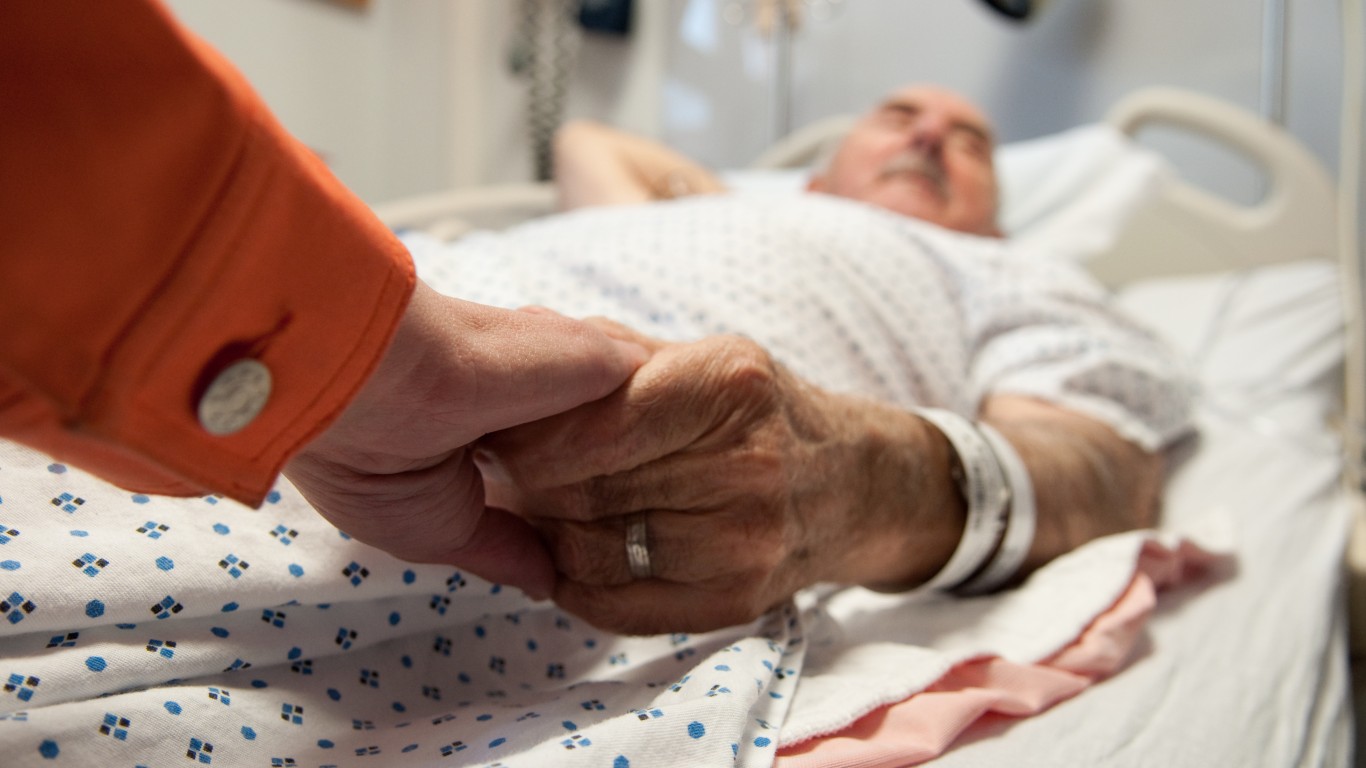
Her father’s hip replacement went smoothly. On day three, the hospital’s AI tool writes a finished discharge summary that calls for skilled nursing visits, physical therapy and help at home. The family takes it as a green light. Medicare treats it as paperwork with a missing piece, and that missing piece decides whether the next month of care costs $0 or comes out of the family’s pocket.
Covered Medicare home health services can cost the beneficiary $0. But an AI-written discharge summary cannot qualify someone for that coverage on its own. A doctor or other permitted practitioner still has to see the patient, document the required face-to-face visit and certify that home health care is medically necessary.
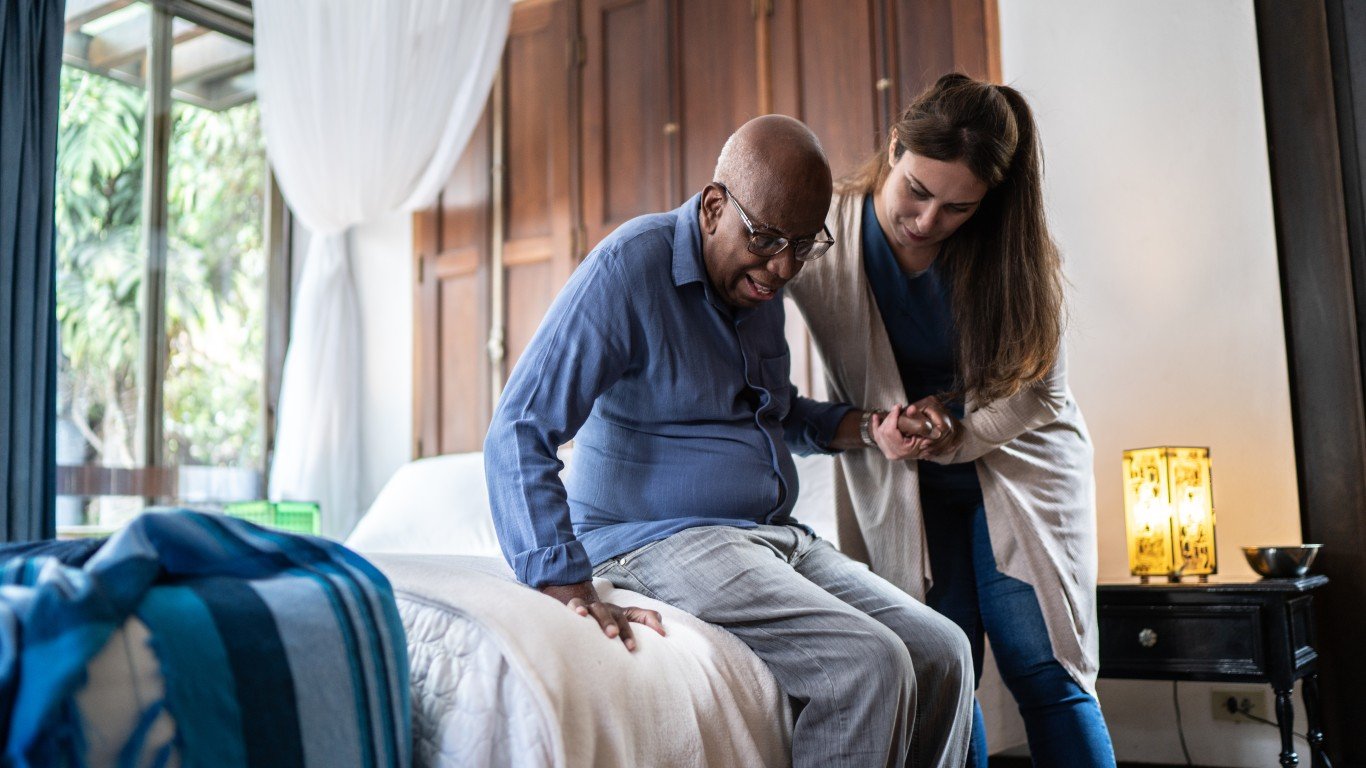
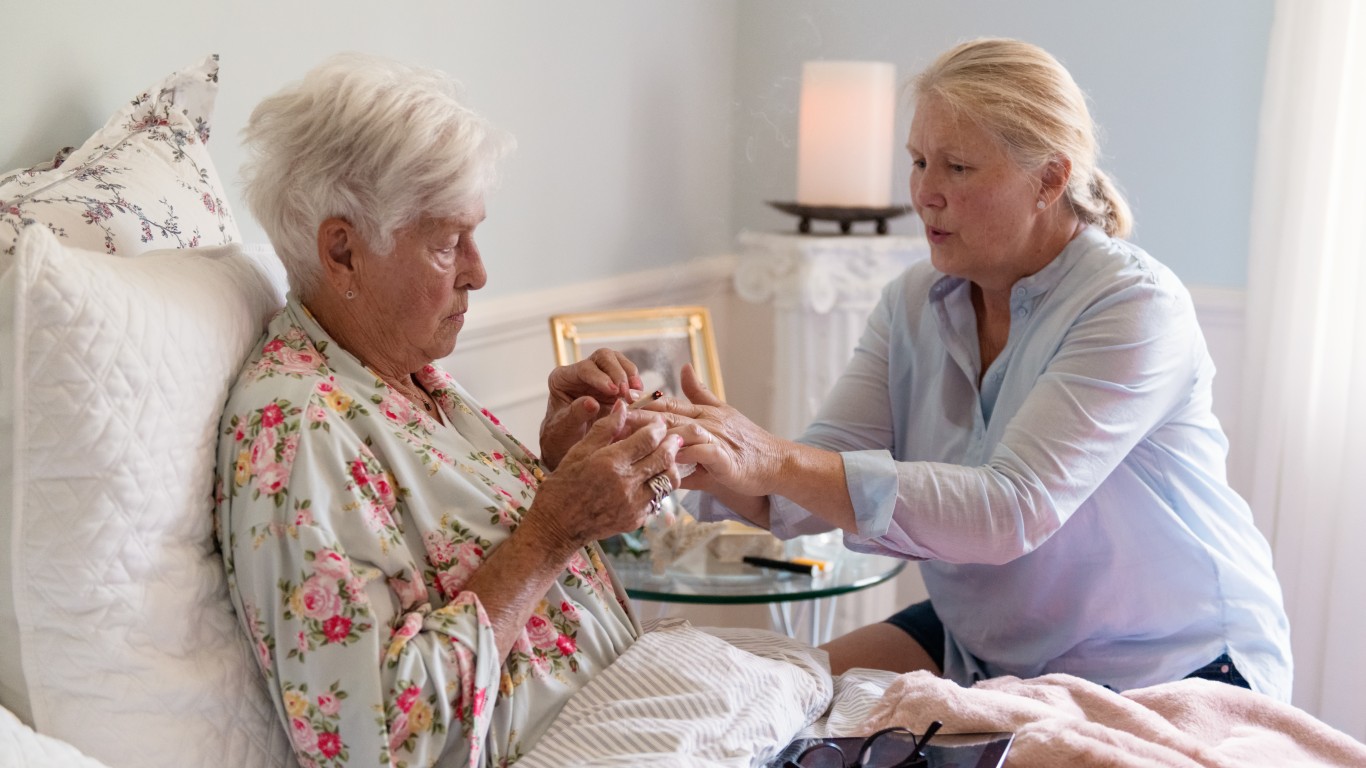
Picture a parent heading home with a walker, a wound or a new medication routine, for whom leaving the house already takes real effort. This rule stands between that parent and free care. A patient who routinely leaves home without much difficulty may fail Medicare’s homebound test. A short or occasional trip out, though, does not automatically disqualify them.
A $0 Benefit Riding on One Clinician’s Note
On Original Medicare, a homebound patient who needs part-time skilled care can expect this: you typically pay nothing for covered home health care, but you may owe 20% for durable medical equipment. That equipment share applies after the 2026 Part B deductible of $283. Covered nursing visits and therapy cost $0, and part-time home health aide care can also cost $0 when the patient is receiving qualifying skilled care.
That price matters to retired people who already pay a 2026 Part B premium of $202.90 a month. It also matters because the alternatives get expensive fast. A family that cannot make home care work may have to consider a skilled nursing facility. There, coinsurance starts on day 21 at $217 a day in 2026 and continues through day 100. Ten of those days cost $2,170.
What the AI Summary Handles Well and Where It Stops
Hospitals increasingly use AI to summarize the chart, surface diagnoses and organize discharge information. That saves clinicians time, but quality varies. A medical worker wrote about AI-generated discharge summaries inside Epic, the electronic health record system used by many hospitals. They posted on Reddit’s r/hospitalist forum: “As someone who does both inpatient and outpatient, these AI summaries do everything I tell my residents not to do.”
Even a perfect AI summary cannot approve home health on its own. A clinician still has to see the patient, sign off on the care and put the right paperwork in place. If that does not happen, the first nursing visit can stall while the family thinks everything was already handled.
Timing Rules That Catch Families Off Guard
The face-to-face visit must happen no more than 90 days before starting care or within 30 days after. It can take place in an office or hospital, or via video. The visit has to address the main reason the patient needs home care, so last month’s cardiology checkup will not count for a new hip.
The certifying clinician no longer has to be a physician. Federal law permits nurse practitioners (NPs), clinical nurse specialists (CNSs), and physician assistants (PAs) to certify the need for home health. More people can sign, but someone still has to, and the visit note has to show that the clinician actually evaluated the patient.
Medicare Advantage members face an extra layer. Plans can require prior authorization and an in-network agency, so families also need to check what the plan requires before home health care begins. It ranks among the Medicare surprises worth knowing in advance, the kind we mapped out in a free guide to Medicare’s hidden bills.
Three Checks Before the Patient Leaves the Building
- Ask who did the face-to-face visit, and when. Get the clinician’s name and the date of the visit from the attending doctor or case manager. If the encounter already happened in the hospital, make sure it is documented before discharge. If it still needs to happen, arrange it within Medicare’s allowed window.
- Confirm the home health order is complete and signed. Get the name of the provider certifying the plan of care. Make sure the order lists the specific services, such as skilled nursing, physical therapy or both. An unsigned order stalls the agency.
- Check that the agency participates in Medicare. Look up the agency on Medicare.gov’s Care Compare tool before you agree to a referral. Advantage members should also call their plan to confirm the agency is in network and that any prior authorization has been approved.
AI can help write the record. Medicare still requires a human clinician to open the benefit. Ten minutes of questions at the bedside protects care that costs $0 and keeps the family from paying for it later.
Contact [email protected] for any questions or corrections.
Gerelyn Terzo is the author of dividend investing handbook "Dividend Investing Strategies: How to Have Your Cake & Eat It Too." A veteran financial journalist, she covers agri-finance for outlets like Global AgInvesting and the broader stock market and personal finance for 24/7 Wall Street. She began at CNBC and later helped launch Fox Business in New York. Gerelyn currently resides in Woodland Park, Colorado and dabbles in nature photography as a hobby.