Same Doctor, Same Office, New Owner: The Hospital ‘Facility Fee’ That Now Rides Along on a Medicare Visit
Your doctor never changed offices, yet Medicare split your bill in two and handed you a charge you never agreed to. The ownership paperwork your clinic signed quietly reclassified the visit, and most patients have no idea it happened until…

This post may contain links from our sponsors and affiliates, and Flywheel Publishing may receive compensation for actions taken through them.

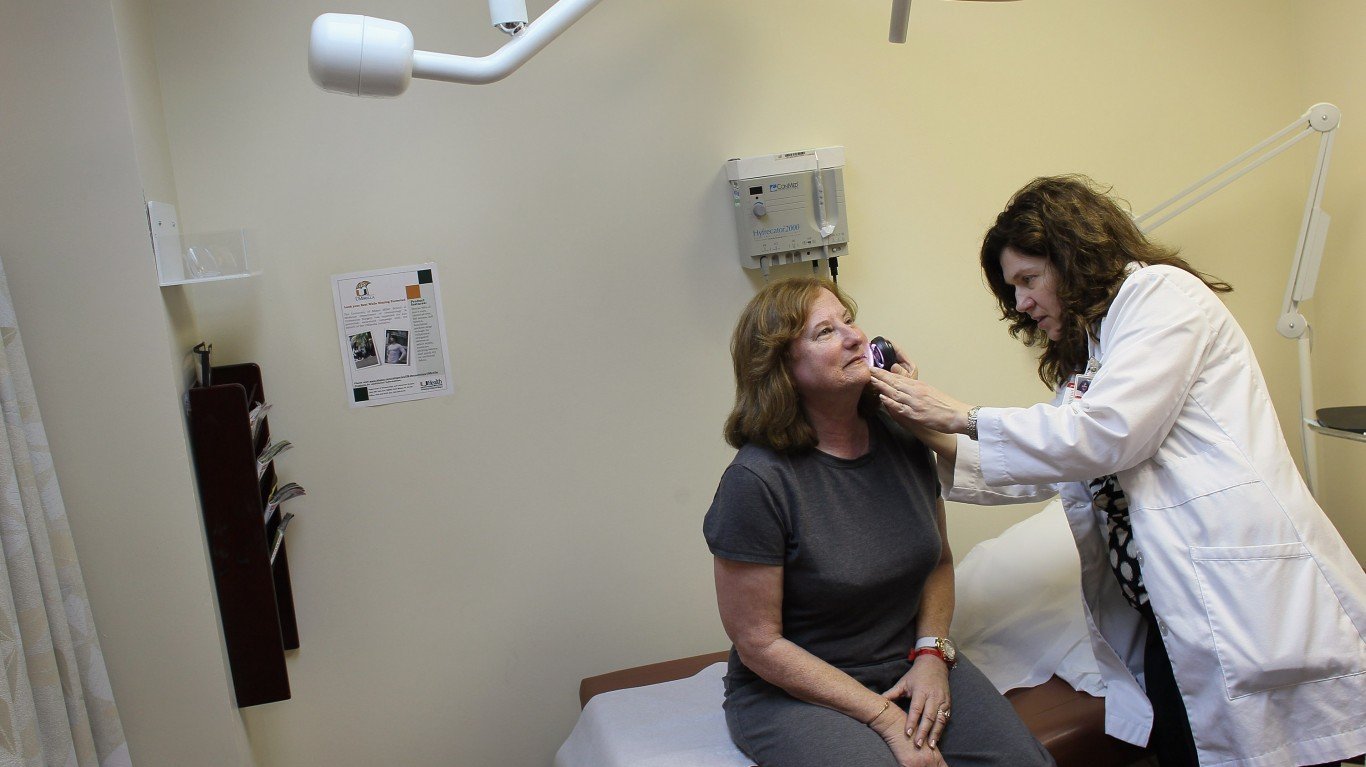
The visit felt identical. Same third-floor suite, same receptionist, same primary care doctor she had seen for a decade. Six weeks later, two bills arrived instead of one. The professional fee looked normal. The second, labeled hospital outpatient services, added a charge for the clinic she had always visited. The billing category had changed.
When a hospital acquires or reorganizes a physician practice, the office may become a hospital outpatient department, or HOPD. Medicare can then process separate professional and hospital claims for one visit. Whether that produces a larger patient bill depends on the clinic’s location, when it began billing as a hospital department, and which service was provided.
Why the Same Visit Can Cost More
After the 2026 Part B deductible of $283, Original Medicare beneficiaries generally owe 20% of the approved amount for physician services. At a hospital outpatient department, they may also owe a separate hospital copayment for each outpatient service.
That extra copayment means care delivered through a Hospital Outpatient Department (HOPD) can cost more than equivalent care in a physician office. In most cases, the hospital copayment for a single service cannot exceed the $1,736 Part A inpatient deductible, although several services during one visit can produce several copayments.
The difference becomes clearer with procedures. Medicare’s Procedure Price Lookup estimates that one common knee arthroscopy carries an average patient cost of approximately $434 at an ambulatory surgical center and $774 at a hospital outpatient department in 2026. Actual costs depend on location and the services billed, but the setting alone creates a difference of roughly $340 for someone without supplemental coverage.
Site-Neutral Rules Cover Only Part of the Map
Congress and CMS have narrowed some of these payment differences. Most off-campus hospital departments that began billing after November 2, 2015 receive lower, physician-fee-schedule-equivalent payments. Older departments can qualify as “excepted” or grandfathered locations.
CMS has also applied site-neutral treatment to clinic visits at many excepted off-campus departments. Beginning in 2026, it expanded that policy to drug-administration services at those locations. For 2027, CMS has proposed extending it to certain imaging services without contrast, although that proposal is not yet final.
The result is less straightforward than hospital buys office, bill doubles. A recently acquired off-campus practice may already fall under lower payment rules. On-campus departments, grandfathered locations, and services outside the site-neutral categories can still generate higher hospital-outpatient cost-sharing.
That distinction is difficult to spot from the waiting room. The doctor may be the same, while the place-of-service code and the patient’s share have changed.
Who Absorbs the Added Cost
Medigap Plan G generally covers Part B coinsurance and hospital-outpatient copayments after the beneficiary meets the Part B deductible. Plan N covers most of the same exposure but can leave certain office and ER copayments.
Original Medicare beneficiaries without supplemental coverage feel the difference directly.
Medicare Advantage works under the plan’s own cost-sharing schedule. Some plans charge a specialist copay for an office visit and a different, often larger copay for hospital-outpatient services. Ownership changes can also affect whether a clinic remains in-network. Members should not assume the ordinary specialist copay will apply simply because the doctor has not changed.
Infusion suites deserve particular attention. Part B generally covers drugs administered in a clinical setting, and patients without supplemental insurance may owe coinsurance on the drug plus the administration service. The 2026 site-neutral expansion reduces administration payments at certain off-campus departments, but it does not erase cost differences at every hospital-owned site.
What to Do Before the Next Visit
Three questions can surface the charge before the bill does:
- Ask whether the clinic bills as a hospital outpatient department and whether it is on-campus or off-campus. Confirm whether the visit will produce separate professional and facility claims.
- Request the billing codes and an estimate of the Medicare-approved patient responsibility. For outpatient procedures, compare hospital and ambulatory-surgery-center costs through Medicare’s Procedure Price Lookup.
- If considering Medigap, check eligibility before changing coverage. The federal six-month Medigap Open Enrollment Period begins when someone is 65 or older and enrolled in Part B. Outside that period, underwriting may apply unless a guaranteed-issue right or state protection is available.
Federal rules require qualifying off-campus provider-based departments to give Medicare beneficiaries written notice before nonemergency services when they will incur separate hospital coinsurance. The notice must disclose the potential liability or provide a reasonable estimate.
If no notice appeared, request a copy from the billing office and report the concern to 1-800-MEDICARE. A Medicare appeal is appropriate when the Medicare Summary Notice contains a coverage or payment determination believed to be incorrect. Missing notice alone does not automatically erase an otherwise valid charge. The doctor may not have moved. The billing category did, and sometimes the patient’s share follows.
Contact [email protected] for any questions or corrections.
Gerelyn Terzo is the author of dividend investing handbook "Dividend Investing Strategies: How to Have Your Cake & Eat It Too." A veteran financial journalist, she covers agri-finance for outlets like Global AgInvesting and the broader stock market and personal finance for 24/7 Wall Street. She began at CNBC and later helped launch Fox Business in New York. Gerelyn currently resides in Woodland Park, Colorado and dabbles in nature photography as a hobby.