The Colonoscopy Is Free Until They Find a Polyp. Then Medicare’s 15% Coinsurance Starts Mid-Procedure.
Medicare promised a free colonoscopy, and she did everything right. Then the doctor found something, and the billing rules changed before she woke up from the sedation.

This post may contain links from our sponsors and affiliates, and Flywheel Publishing may receive compensation for actions taken through them.

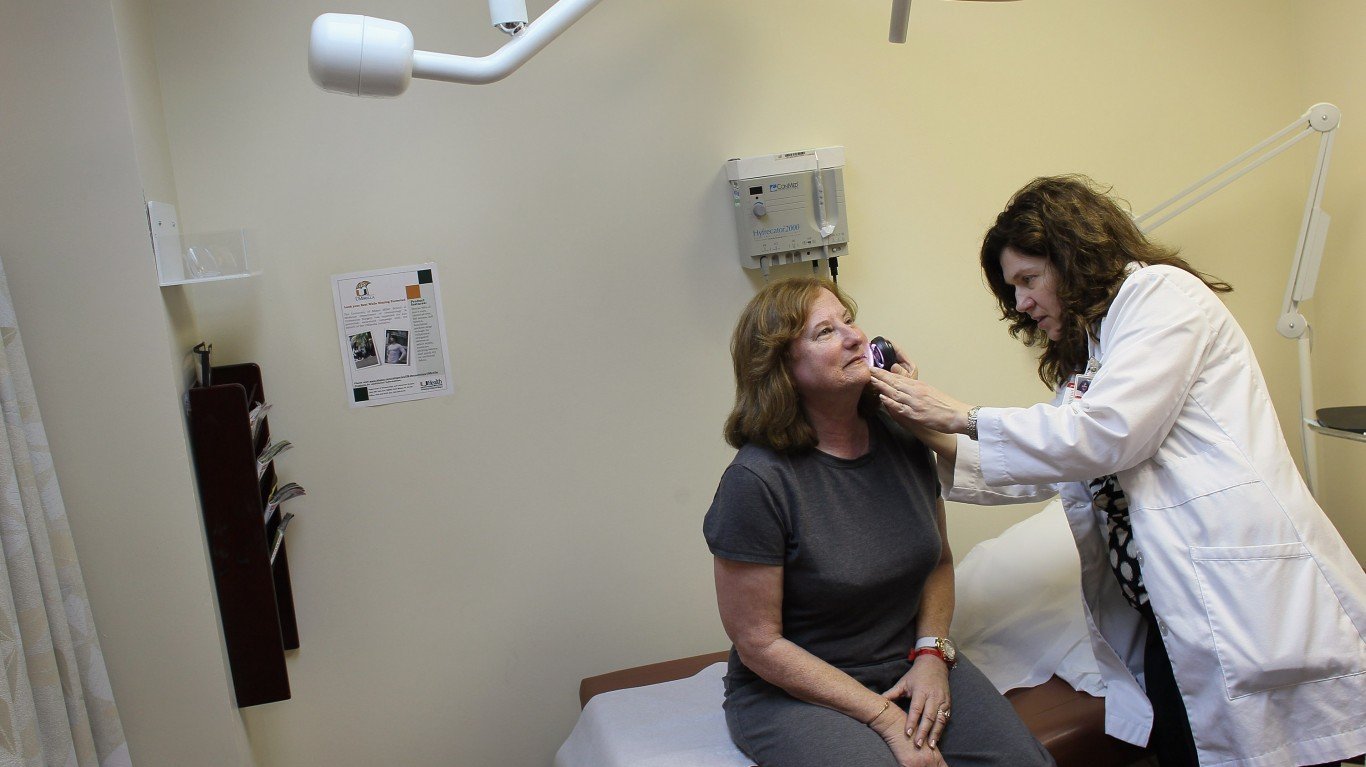
A 70-year-old arrives for the screening colonoscopy Medicare told her would cost nothing. The doctor finds one polyp and removes it while she is sedated. A few weeks later, a bill follows. Nothing about the appointment felt different. The billing code was.
This is one of the strangest turns in Medicare preventive care, and it can hit beneficiaries who did everything right. A screening colonoscopy under Original Medicare costs the patient nothing when the provider accepts assignment. If the doctor finds and removes a polyp or other tissue, however, cost-sharing can begin before the patient even wakes up.
The Coinsurance That Starts Mid-Procedure
Medicare’s rule is clear. When a screening colonoscopy becomes a diagnostic or therapeutic procedure because tissue is found and removed, the biller appends a –PT modifier to the claim. That adjustment waives the Part B deductible, which is the piece of the trap most people don’t realize is still working in their favor. But it does not waive coinsurance. For calendar years 2023 through 2026, that coinsurance is 15% of the Medicare-approved amount for the procedure.
Fifteen percent of what, exactly, is where the bill grows. The physician’s fee is one line. The facility charge for the ambulatory surgery center or hospital outpatient department is another, usually larger line, and it also carries the 15% share. Anesthesia and pathology may appear on separate claims, so every line on the Medicare Summary Notice deserves a look.
For someone with Original Medicare alone, the result can be several hundred dollars. A bill approaching $3,000 is not routine 15% coinsurance. It is a reason to examine the coding, confirm that every provider accepted Medicare assignment, and appeal before paying.
If the converted procedure is not properly submitted with the –PT modifier, the Part B deductible may also appear. That coding decision can determine whether the bill begins with coinsurance alone or deductible plus coinsurance.
Beneficiaries with Medigap may owe little or nothing because most standardized supplements cover Part B coinsurance. Medicare Advantage members should check their plan’s cost-sharing rules, which can differ from Original Medicare’s billing mechanics.
The Phase-Down Few Patients Know About
The Consolidated Appropriations Act of 2021 put this coinsurance on a glide path to zero. The rate is 15% through 2026, 10% from 2027 through 2029, and zero beginning in 2030.
That does not make postponing a recommended screening a sound savings strategy. Colonoscopy timing should follow the physician’s recommendation, particularly when symptoms, family history, or previous polyps are involved. The phase-down simply means the same polyp removal will carry less Medicare cost-sharing as the law takes effect.
The distinction also matters after a positive stool-based screening test. Since 2023, Medicare has treated a qualifying follow-up colonoscopy as part of the complete preventive screening process, with cost-sharing protections when it is coded correctly. A positive stool test does not automatically turn the next colonoscopy into an ordinary diagnostic procedure.
What to Do Before You Get on the Table
The best time to untangle the billing is before the procedure. Three questions can prevent a nasty surprise:
- Ask for an estimate under both scenarios. Request the expected Medicare-approved amounts if the procedure remains a screening and if the doctor removes a polyp. Ask separately about the physician, facility, anesthesia, and pathology charges. This is a requested cost estimate, not the formal good-faith estimate available to uninsured or self-pay patients.
- Learn how a converted screening will be coded. Confirm that the practice expects to append the –PT modifier if tissue is removed. If the procedure follows a positive Medicare-covered stool test, ask whether the appropriate screening modifier will be used.
- Read the Medicare Summary Notice before paying. Check whether the claim began as a screening, whether the proper modifier appears, and whether every provider accepted assignment. A large bill is a prompt to investigate, not proof that Medicare calculated it correctly.
Medicare’s preventive-care promise is real, and colorectal screening is one of the program’s most valuable benefits. The surprise begins in the few seconds it takes to find a polyp. Knowing what should happen to the claim afterward keeps a medical discovery from becoming a billing mystery.
Contact [email protected] for any questions or corrections.
Gerelyn Terzo is the author of dividend investing handbook "Dividend Investing Strategies: How to Have Your Cake & Eat It Too." A veteran financial journalist, she covers agri-finance for outlets like Global AgInvesting and the broader stock market and personal finance for 24/7 Wall Street. She began at CNBC and later helped launch Fox Business in New York. Gerelyn currently resides in Woodland Park, Colorado and dabbles in nature photography as a hobby.