Homes Are Now a Record Share of the $120 Trillion Boomer Wealth Transfer, and Most Families Aren’t Prepared for What Comes Next
A record share of Boomer wealth is arriving as a house, not a check, and most heirs discover too late that bricks and mortar come with mortgages, tax reassessments, and sibling standoffs that grief makes much worse.

This post may contain links from our sponsors and affiliates, and Flywheel Publishing may receive compensation for actions taken through them.
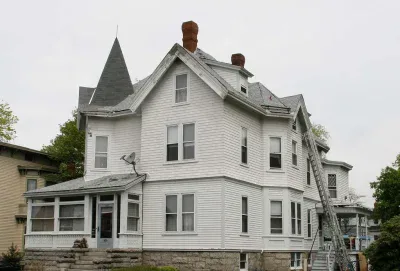
On CNBC this morning, correspondent Sharon Epperson delivered a number that reframes how families should think about inheritance: “Inherited property accounted for nearly 9% of property transfers in 2025, a record high.” That statistic, sourced to real estate data firm Totality, lands inside a much larger story. More than $120 trillion is expected to change hands over the next 20 years, and a growing slice of it is arriving in the form of a house, not a brokerage statement.
An heir who inherits a home also inherits property taxes, deferred maintenance, insurance premiums, and often an unpaid mortgage. If the family has never discussed what happens next, the decision to sell, rent, or keep the home gets made under grief, deadline pressure, or sibling disagreement. That is when expensive mistakes happen.
Treat the House as an Asset Before It Becomes One
Financial advisor Lizette Rainey Braxton put it plainly: “The home is an asset, and a lot of people want to put emotional ties to it. It’s a large asset that needs a conversation around it.”
Her framing matters because of the numbers. The S&P CoreLogic Case-Shiller U.S. National Home Price Index hit 335.1 in May 2026, a record, sitting in the 90th percentile of its historical range. Home equity is the single largest asset on most retiree balance sheets, and prices have kept climbing even as existing home sales sit at a soft 4.09 million annualized pace as of June 2026. Fewer buyers plus record prices means inherited houses are big, illiquid, and slow to sell.
Certified Financial Planner Ashton Lawrence admitted the emotional pull complicates even his own family’s planning: “Regardless of whatever the house might yield to us personally, there’s an emotional attachment to the property, and so that’ll be something that we end up weighing along with the financial pieces.” When a CFP tells you the feelings do not go away, believe him.
The Checklist Most Families Skip
Before the keys change hands, Epperson laid out exactly what heirs need to know: “Sometimes it’s just understanding what is still owed on the house, if there’s still a mortgage, knowing what the property taxes are going to be and what the repairs and the upkeep is going to be. But also people need to know the issues of if a sibling decides to stay there or they’re not sure if they’re going to rent it, who’s going to manage the house while you still own it?”
- Mortgage balance and terms. Is the loan assumable, must it be paid off at death, or can it be refinanced? A due-on-sale clause can force a decision within months.
- Property taxes at the new assessed value. In many states, inheritance triggers reassessment. The bill your parents paid may not be the bill you pay.
- Deferred maintenance. Roofs, HVAC systems, and foundations do not respect probate timelines. A single major repair can wipe out months of rental income.
- Insurance and vacancy risk. Standard homeowner policies often lapse or restrict coverage once the property is unoccupied, exposing heirs to loss during the window when nobody is living there.
- Sibling intentions and management duties. Who cuts the grass, pays the utilities, and handles tenant calls while the estate is settled? Unpaid labor is where family relationships fracture.
The One Variable That Decides the Outcome
Whether an inherited home builds or burns family wealth depends on whether the conversation happened before the funeral. Epperson pushed the timeline earlier than most parents expect: “It’s important to have that conversation even now with children in their 20s and just to have an idea of what would happen, would you want to come back to where you grew up or not so that you have an idea of whether or not you can leave. It’s ongoing conversations that need to be had.”
The household math backs her urgency. The U.S. personal savings rate fell to about 3% in the second quarter of 2026, down from roughly 6% in the first quarter of 2024. Heirs are arriving at inheritance with thinner cash cushions than at any point in recent memory. An unexpected $18,000 roof or a six-month vacancy is more likely to force a rushed, discounted sale.
What to Do This Month
Schedule one conversation with parents or adult children in the next 30 days. Ask four questions: Is the home paid off? What are the current property taxes and last three years of major repair costs? If more than one heir is involved, does anyone want to live in it or rent it? Who has legal authority to make decisions quickly?
Write the answers down. Revisit them yearly. A house is the most valuable thing most families will ever pass along, and the paperwork behind it deserves the same attention as the memories inside it.
Contact [email protected] for any questions or corrections.
AJ spent 10 years writing about financial markets at The Motley Fool. His coverage centers on technology stocks and the broader macroeconomic trends, from interest rates to geopolitics, that shape where markets are headed next. AJ is drawn to the stories where big-picture economics and individual companies collide.