The Family That Invented Hot Pockets Moved $540 Million Into Its Own Private ETF. The Tax Bill Might Be Deferred Forever
The family behind one of America's most iconic frozen foods found a way to move half a billion dollars of appreciated stock without handing the IRS a dime, and the century-old tax provision they used is now circling Washington like…

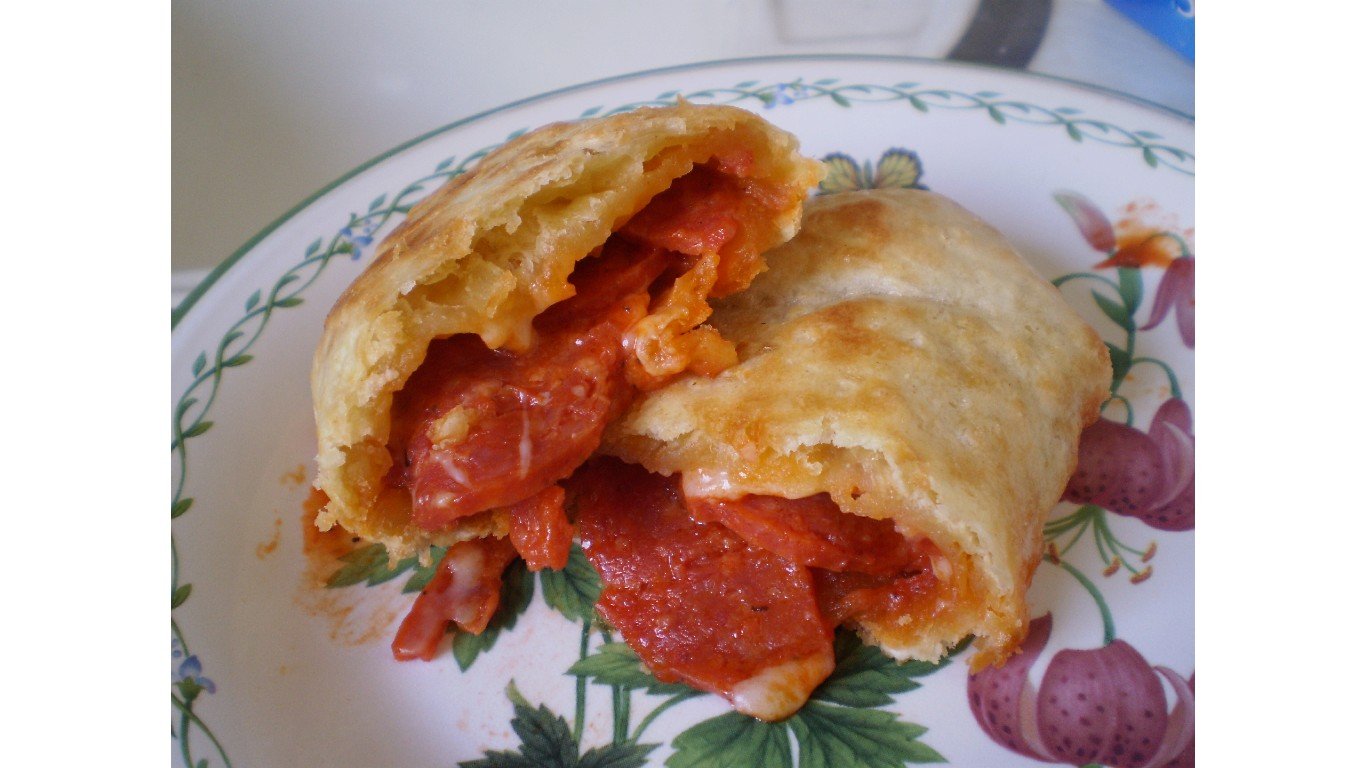
Paul Merage came to the United States from Iran as a teenager and invented the Hot Pocket. His family sold the business to Nestle for $2.6 billion in 2002. Two decades later, per Bloomberg, the Merages deployed something even more lucrative with what came next.
According to a person familiar with the matter cited by Bloomberg, the family supplied most of the seed assets for the MIG Core ETF (NASDAQ:MIGO), which launched in February with about $540 million of securities. The move allowed the family to offload appreciated shares without realizing capital gains. As of May 31, 2026, the fund reported net assets of about $758 million, with its largest disclosed position the Vanguard 500 Index Fund at roughly 17.8% of net assets.
How a Century-Old Provision Became an ETF Trick
MIG Core ETF is what tax lawyers call a “351 conversion,” named for Section 351 of the tax code, a century-old provision that lets Americans form new companies with existing assets. ETF rule changes in 2019 made widespread use of 351s possible, and conversions have surged in the past two years.
Instead of selling a decade of appreciated stock and paying the IRS, you contribute the whole basket into a new fund in exchange for shares. No sale, no realized gain. Because ETFs rebalance through non-taxable “in-kind” transactions where a special market maker swaps assets in and out, the fund can quietly drift from the concentrated positions the seeder wanted to shed. Bloomberg reports flow patterns suggest MIGO has rebalanced via in-kind redemptions five times, trimming stakes in Western Digital, Seagate Technology and Micron, all still appearing in the May 31 snapshot.
As Rory Riggs, whose firm Syntax Advisors helped create some of the first ETF conversions, put it to Bloomberg: “The big benefit is taking a bunch of built-up gains in individual stocks and consolidating them into a diversified portfolio. It is about not having to realize those gains until you want to.”
Deferred Forever, If You Never Sell
Technically this is deferral, not elimination. If the investor sells their ETF shares, they still owe tax based on the original basis of the seed securities. The hook lives in what happens if they don’t sell. Under current law, heirs who inherit fund shares get a basis reset to date-of-death value, wiping the embedded gain. Deferral becomes permanent.
The 2026 estate exclusion is $15,000,000 per decedent, so this planning matters most for larger estates, though the step-up applies to any inherited taxable account. Getting that reset to actually reach heirs takes paperwork most people never finish, which is the whole point of our free estate checklist: Die With a Plan.
Scale, and the Regulators Circling
A Bloomberg analysis of SEC filings identified 105 ETFs created through 351 exchanges, collectively holding $22.1 billion in assets at launch and helping defer at least $6.5 billion in embedded capital gains. More than half listed last year. Users named in reporting include private-equity billionaire Richard Kayne, who contributed about $109 million of stocks to the Simplify Propel Opportunities ETF (NYSEARCA:SURI) in 2023, and Charlotte Hornets owner Gabe Plotkin, who plans an ETF primarily seeded with his own assets.
Treasury noticed. Officials discussed labeling conversions “transactions of interest,” a designation for deals with tax-avoidance potential, though no guidance has been issued. Kevin Salinger, acting assistant secretary for tax policy, said the in-kind mechanism “was not designed to cleanse a portfolio contributed as part of a planned diversification transaction.” Tax partner James Cofer of Seward & Kissel warned: “Historically where people get into trouble with any kind of tax-efficient trade is when they push the envelope too far.”
Version You Can Actually Use
You cannot execute a 351 exchange with a concentrated Microsoft position from your Schwab account. What you can borrow is the logic: don’t realize gains you don’t have to, and time the ones you do around brackets and the calendar.
- Harvest losses in taxable accounts. Offset gains dollar for dollar, then use up to $3,000 of ordinary income offset per year with carryforwards after that. Mind the wash-sale rule.
- Use the 0% long-term capital gains bracket in low-income years. Retirees between age 62 and Social Security or RMDs often have one or two windows where realizing gains costs nothing federally. State tax still applies in most states.
- Donate appreciated stock, not cash. A donor-advised fund takes the shares, you deduct fair market value, and the embedded gain never gets realized.
- Plan around the step-up. Highly appreciated shares held to death get a basis reset for heirs under current law. Selling them yourself surrenders that.
- Prefer ETFs over mutual funds in taxable accounts. The same in-kind mechanism that makes MIGO work quietly reduces year-end distributions for ordinary investors.
Run this math with a fiduciary advisor or CPA before touching a concentrated position, particularly if a Roth conversion window or estate strategy is in play.
Contact [email protected] for any questions or corrections.
Jake has been been working in financial media for almost 15 years. He focuses on all things personal finance for 24/7 Wall St. with high hopes to educate and entertain. Most recently, Jake spent 12 years working various roles at The Motley Fool. He started copy editing fool.com content, worked on premium and marketing campaigns, and helped launch The Ascent, a personal finance brand.
His work has been featured on platforms like MSN, Yahoo Finance, USA Today, and more. He's written about credit cards, social security, ETFs, savings accounts, and just about anything else you can imagine when thinking about money. Jake love to cook, play golf, and tell people he's never had a cavity. (It's true!)