A-Rod Was Taxed on Every Dollar of His $450 Million in MLB Contracts. The Gains on His Timberwolves Stake May Never Be Taxed at All
Alex Rodriguez paid top-bracket taxes on every dollar he earned as a player, but buying into the Timberwolves puts him inside a completely different set of rules, ones that most people never realize apply to their own portfolios too.

This post may contain links from our sponsors and affiliates, and Flywheel Publishing may receive compensation for actions taken through them.
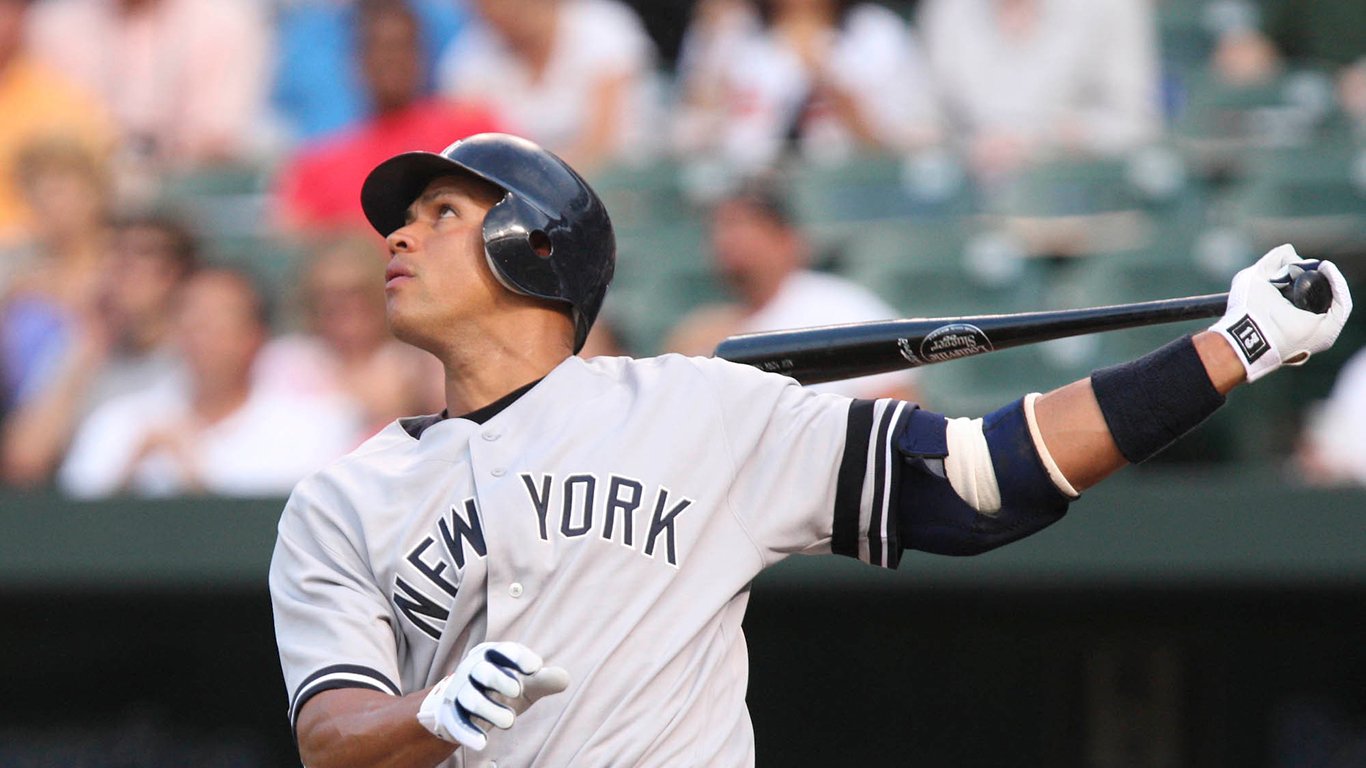
Alex Rodriguez just signed up for more of the tax code that treats him best. On August 21, 2026, the AP reported he is increasing his investment in the Minnesota Timberwolves and Lynx and becoming Co-Chairman, Governor of the Lynx, and alternate Governor of the Timberwolves, pending league approval. The transaction centers on venture capital investor Marc Stad, founder of Dragoneer Investment Group, moving from minority investor to controlling owner by acquiring the majority of co-owner Marc Lore’s stake. Lore, who is stepping back to focus on his food delivery and takeout business Wonder, will remain a limited partner. The deal values the franchises at a reported $4.5 billion, which ESPN describes as the fourth-largest franchise sale in NBA history, trailing only the Los Angeles Lakers’ most recent sale at $12.5 billion, Mark Walter’s 2025 Lakers purchase at $10 billion, and the Boston Celtics’ $6.1 billion deal earlier that year. For context, the NBA franchise market has been extraordinarily active: Tom Dundon’s $4.25 billion purchase of the Portland Trail Blazers closed just five months earlier, in March 2026.
Rodriguez is a buyer here, and that changes the entire tax picture.
Two Kinds of Money, Two Entirely Different Tax Codes
Rodriguez earned a reported $450 million in MLB contracts the hard way, from a tax standpoint. Those were employee wages, taxed as ordinary income at the top marginal federal rate in the year paid. Federal withholding came out before the check cleared. Social Security and Medicare taxes piled on top. Then came state income tax in every road state he suited up in, the so-called jock tax, which allocates a slice of a player’s salary to each day he took the field in Boston, Detroit, or Anaheim.
One detail worth noting: Rodriguez’s 2014 season ended before it started. Arbitrator Fredric Horowitz reduced his 211-game suspension to 162 games on January 11, 2014, covering the entire regular season and postseason. Rodriguez forfeited just over $22 million of his $25 million salary that year, the single largest financial penalty ever levied under baseball’s drug agreement. The season his baseball income went largely untaxed was the season he was largely unpaid.
Ownership flips nearly every one of those rules.
Why Owner Gains Sit Untouched Until Sale
Appreciation in an equity stake, whether that is a public stock, a private business, or a piece of an NBA franchise, is not taxed as it builds. The Internal Revenue Code taxes gain on sale, not gain on paper. If the Timberwolves stake doubles in value over a decade and Rodriguez never sells, the federal income tax owed on that doubling is zero. Not deferred at a lower rate. Zero, so long as the asset remains unsold.
Sports franchises are typically held through pass-through entities, so owners receive a K-1 each year and pay tax on their allocated share of operating income or losses. That is separate from the appreciation of the stake itself. The gain in the value of the equity simply waits.
How Step-Up in Basis Erases the Rest
If an appreciated asset is held until the owner’s death, heirs inherit it at its fair market value on the date of death. The prior cost basis vanishes. A stake bought for a few hundred million that is worth several billion at death carries a built-in gain that would have faced tax on a lifetime sale, but that gain is erased for income tax purposes at the moment of inheritance.
One caveat: step-up erases the income tax on appreciation. It does not erase estate tax, which is a separate federal layer with its own exemption and rate. That bill can still come due.
Congress Aimed at the Franchise Break and Left It Standing
Team owners get one more advantage most business buyers do not: they can amortize the purchase price of the franchise and related intangible assets against taxable income for years after a deal closes. The House version of the One Big Beautiful Bill Act proposed limiting that amortization for professional sports franchises to 50% of the adjusted tax basis of those intangibles, compared to 100% under current law, spread over a 15-year period. The Senate stripped the provision, and the enacted law, signed July 4, 2025, dropped the limit entirely, according to Proskauer Tax Talks (updated July 11, 2025). Congress targeted the break, then left it intact. Had the House version prevailed, the Timberwolves deal and every other major NBA transaction closing in 2026 would have carried a meaningfully higher after-tax cost.
The Version You Can Actually Use
The Timberwolves deal runs on the same Internal Revenue Code that governs an ordinary brokerage account and a paid-off house.
- Deferral is a tax rate. An appreciated stock or fund in a taxable account owes nothing until sold. Turnover inside a mutual fund can force gains you didn’t choose; a broad-market ETF in the same account generally won’t.
- Step-up applies to you too. The low-basis shares Grandma bought in 1978 reset to market value at her death. Selling them the week before her death and selling the week after are two entirely different tax outcomes for the family.
- The 0% long-term capital gains bracket exists. Retirees with modest taxable income can realize long-term gains at a federal rate of zero, up to the threshold. That is the small-scale version of the owner’s playbook.
- Location matters. Ordinary-income assets belong in traditional IRAs; appreciating equities belong in taxable accounts, where deferral and step-up can do their work.
The mechanic that decides all of it, for Rodriguez and for the reader, is the same single question: whether the asset is ever sold during the owner’s lifetime. Everything else is commentary.
This is the kind of planning worth walking through with a fiduciary advisor or CPA before a sale, a gift, or an estate decision locks the answer in (we put the full checklist, beneficiary forms, titling, and trust basics, into a free estate guide here).
Editor’s note: This pass added that Marc Stad is the founder of Dragoneer Investment Group and that Marc Lore is stepping back to focus on his food business Wonder; it also introduced context about Tom Dundon’s $4.25 billion Trail Blazers purchase (March 2026) to illustrate the broader NBA franchise market, refined the Rodriguez salary forfeiture to “just over $22 million” per MLB’s confirmed figure of $22,131,147, and added a note that the House version of the One Big Beautiful Bill would have raised the after-tax cost of deals like the Timberwolves transaction had the Senate not stripped the provision.
Contact [email protected] for any questions or corrections.
Jake has been been working in financial media for almost 15 years. He focuses on all things personal finance for 24/7 Wall St. with high hopes to educate and entertain. Most recently, Jake spent 12 years working various roles at The Motley Fool. He started copy editing fool.com content, worked on premium and marketing campaigns, and helped launch The Ascent, a personal finance brand.
His work has been featured on platforms like MSN, Yahoo Finance, USA Today, and more. He's written about credit cards, social security, ETFs, savings accounts, and just about anything else you can imagine when thinking about money. Jake love to cook, play golf, and tell people he's never had a cavity. (It's true!)