‘This Is a Hot Economy’: Joe Weisenthal on Record Travel Despite $4.46 Gas
Packed flights and record fares have one analyst calling this the hottest economy in years, but the math inside your own gas receipts and ticket prices tells a very different story about who is actually footing the bill.

This post may contain links from our sponsors and affiliates, and Flywheel Publishing may receive compensation for actions taken through them.

Bloomberg’s Joe Weisenthal closed an Odd Lots episode on airline fuel hedging by pointing at full flights and rising fares. He said “the cost of everything is going up” and that “people are flying like crazy.” His conclusion was “This is a hot economy.”
Your budget has a interest in whether he’s right. Crowded airports can make it look like households are doing fine, and that can lead you to plan as if your costs will ease. Household surveys show strain. University of Michigan consumer sentiment came in at 51.7 in August. That’s down 11% from a year earlier and below the 60 line the survey treats as recessionary.
Weisenthal Reads Spending Correctly and Misses Who Pays
On spending, Weisenthal is right. Travel demand is a real signal of activity. His frame is incomplete on household health, though, because a hot economy can run on prices that a large share of families feel squeezed by.
Jobs are holding up. The Sahm Rule recession indicator read -0.07 in August, far below its 0.50 trigger. That makes the worry a complaint about price levels.
Regular gas averaged $4.46 a gallon for the week ended September 28. That’s up 41% in a year.
The same episode explains how those prices reach you. David Kang, a former Qatar Airways treasury executive, said most airlines have stopped hedging fuel since 2020, when Delta Air Lines (NYSE:DAL | DAL Price Prediction) took the hit: Delta lost over $1 billion on hedges. Now airlines pass fuel costs straight into ticket fees, which Kang estimated at roughly 25% of ticket prices globally. In practice, the fuel bill ends up in your fare.
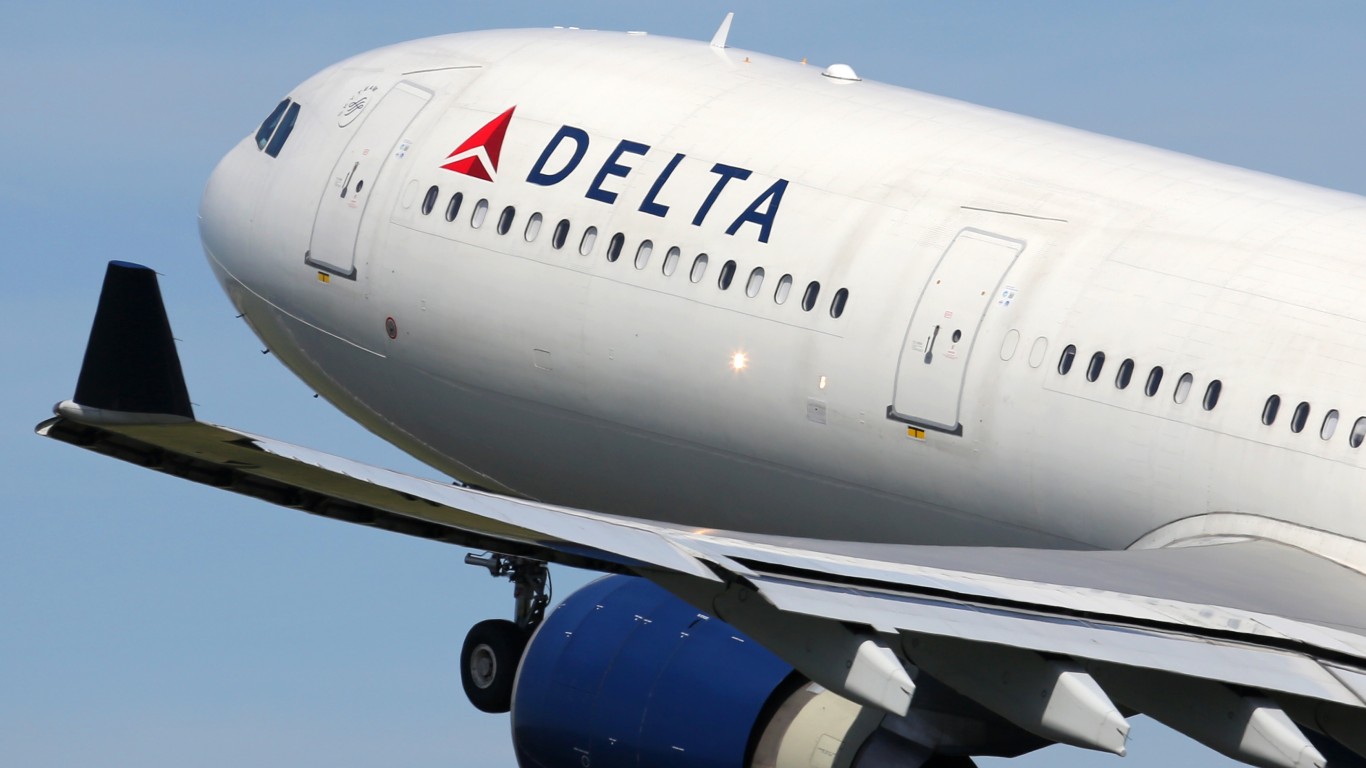
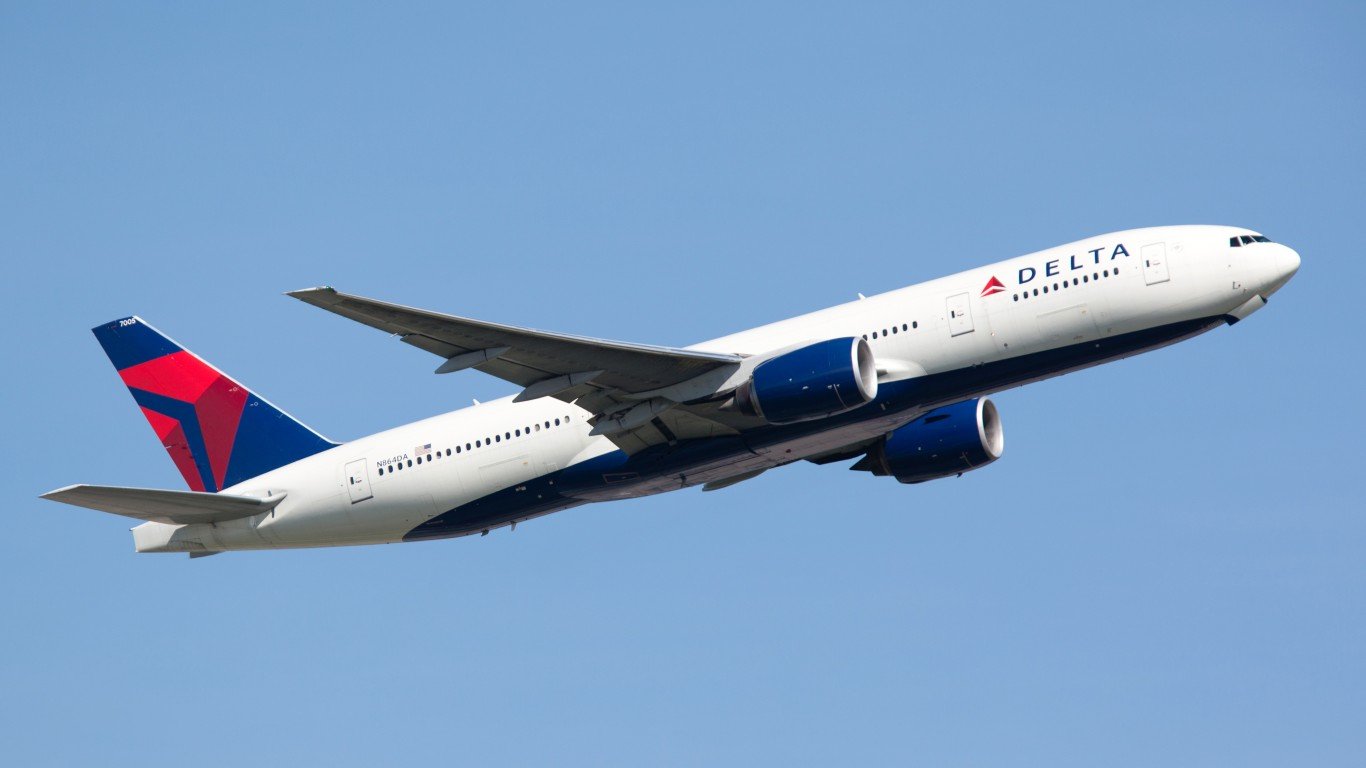
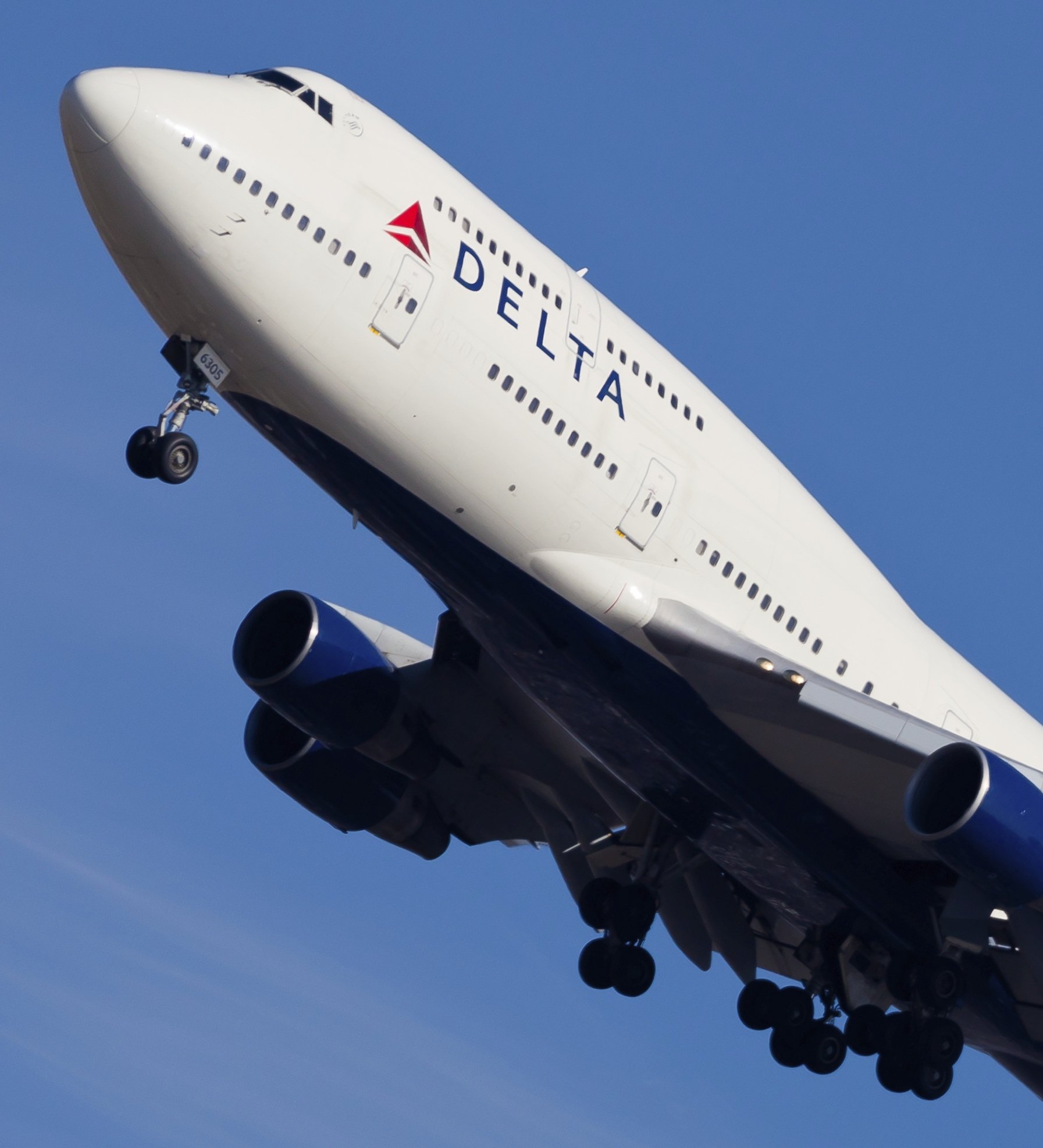
Delta shows how this works. In the June quarter it paid record fuel costs of $4.4 billion. Still, revenue rose 14% on roughly 1% capacity growth. Delta held seat growth nearly flat and raised prices, and passengers paid.

Premium revenue rose 17%, which tells you who is doing much of the flying. On the July call, CEO Ed Bastian said “Our customers are prioritizing experiences and investing in the moments and connections that matter most to them.” Steady spending at the top of the income scale can keep planes full while the typical household feels worse off.
Your Monthly Gallons Decide Which Economy You Live In
A year ago, gas cost about $3.17 a gallon, so each gallon now costs about $1.29 more.
Take an typical household burning 50 gallons a month. It pays about $65 more each month, or roughly $775 a year, for the same driving.
The number that matters most is how many gallons you burn. A light driver using 20 gallons a month absorbs about $310 a year. A long-distance commuter at 80 gallons absorbs about $1,240.
For that commuter, sentiment at 51.7 describes daily life. For the light driver, Weisenthal’s hot economy feels closer to accurate.
Flights stack on top of that. Using Kang’s 25% estimate, an typical $500 ticket carries a meaningful fuel component.
A family of four flying at that fare pays about $500 of the trip on fuel alone.
Investors have taken Weisenthal’s side. Delta shares are about $84, up 51% in a year. Kang described airlines as effectively long oil because they can adjust fares. Households sit on the opposite side of that trade.

Moves to Make Before Fares and Gas Shift Again
- Calculate your personal fuel hit. Add up three months of gas receipts to find your monthly gallons. Multiply by $1.29, then by 12. That gives you the yearly cost of this oil shock in your own budget, which a national average can’t.
- Don’t wait for cheaper oil to bring fares down. Bastian said “current revenue momentum should remain sustainable even if fuel prices moderate.” If you put off booking a trip until fuel prices fall, you may give up good seats and not save anything.
- Compare all-in fares, including fees. On international routes, carrier-imposed fees can be a large share of the ticket. Line up all-in prices across airlines and dates, because the fuel portion varies more than most travelers expect.
- See whether Delta can keep passing costs through. Delta guided September-quarter EPS of $2.00-$2.50 on revenue up mid-teens, assuming fuel of about $3.15 a gallon. Its October 9 report will show whether passengers kept absorbing higher costs as gas climbed through September.

Full planes show that someone is still paying higher prices, so check your gallons and your fares to see how much of that cost lands on you.
Contact [email protected] for any questions or corrections.
Jake has been been working in financial media for almost 15 years. He focuses on all things personal finance for 24/7 Wall St. with high hopes to educate and entertain. Most recently, Jake spent 12 years working various roles at The Motley Fool. He started copy editing fool.com content, worked on premium and marketing campaigns, and helped launch The Ascent, a personal finance brand.
His work has been featured on platforms like MSN, Yahoo Finance, USA Today, and more. He's written about credit cards, social security, ETFs, savings accounts, and just about anything else you can imagine when thinking about money. Jake love to cook, play golf, and tell people he's never had a cavity. (It's true!)