American Airlines Sinks 5%, United Falls 4%, Delta and JetBlue Slip 3% as Crude Oil Jumps
Shares of American Airlines Group (NASDAQ:AAL | AAL Price Prediction) are down 5% in midday trading Wednesday, leading a broad airline selloff. United Airlines (NASDAQ:UAL) shares are off 4%, while Delta Air Lines (NYSE:DAL) stock and JetBlue Airways (NASDAQ:JBLU) stock…

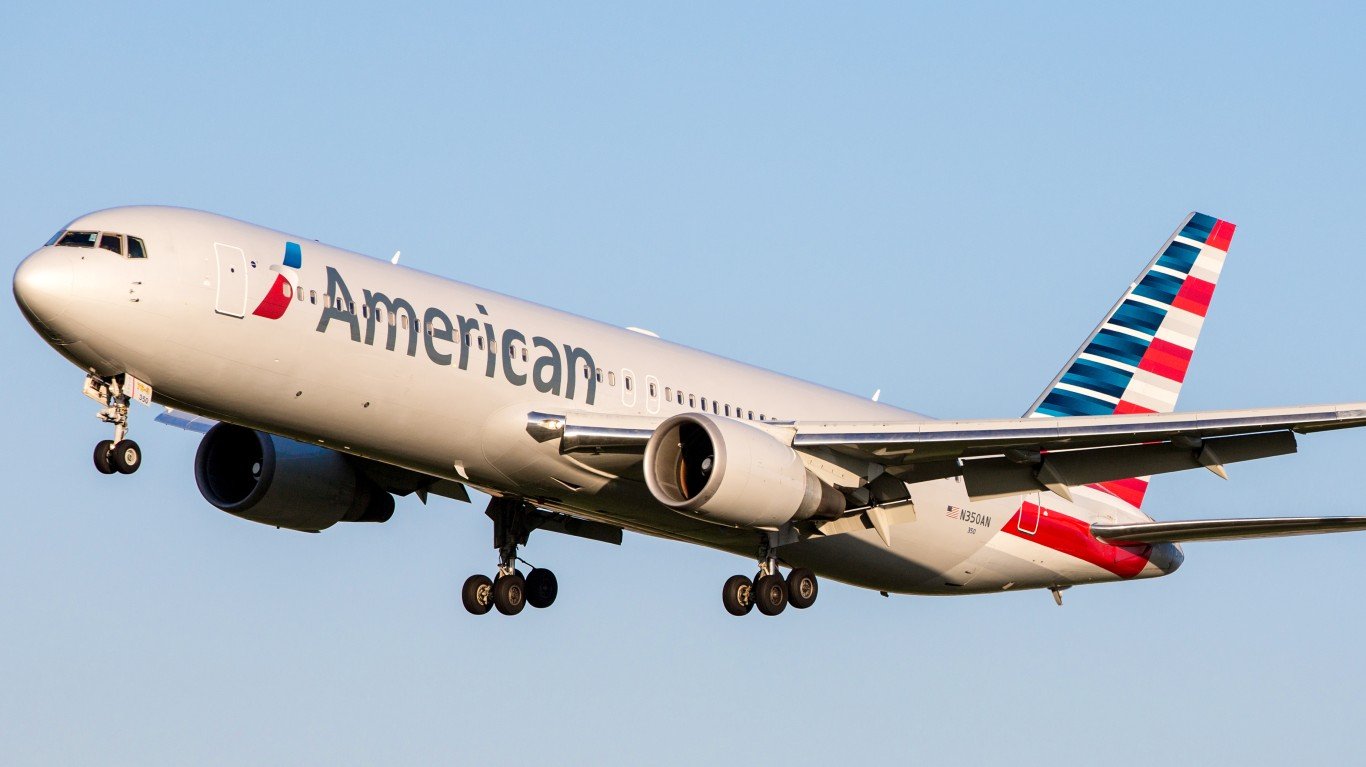
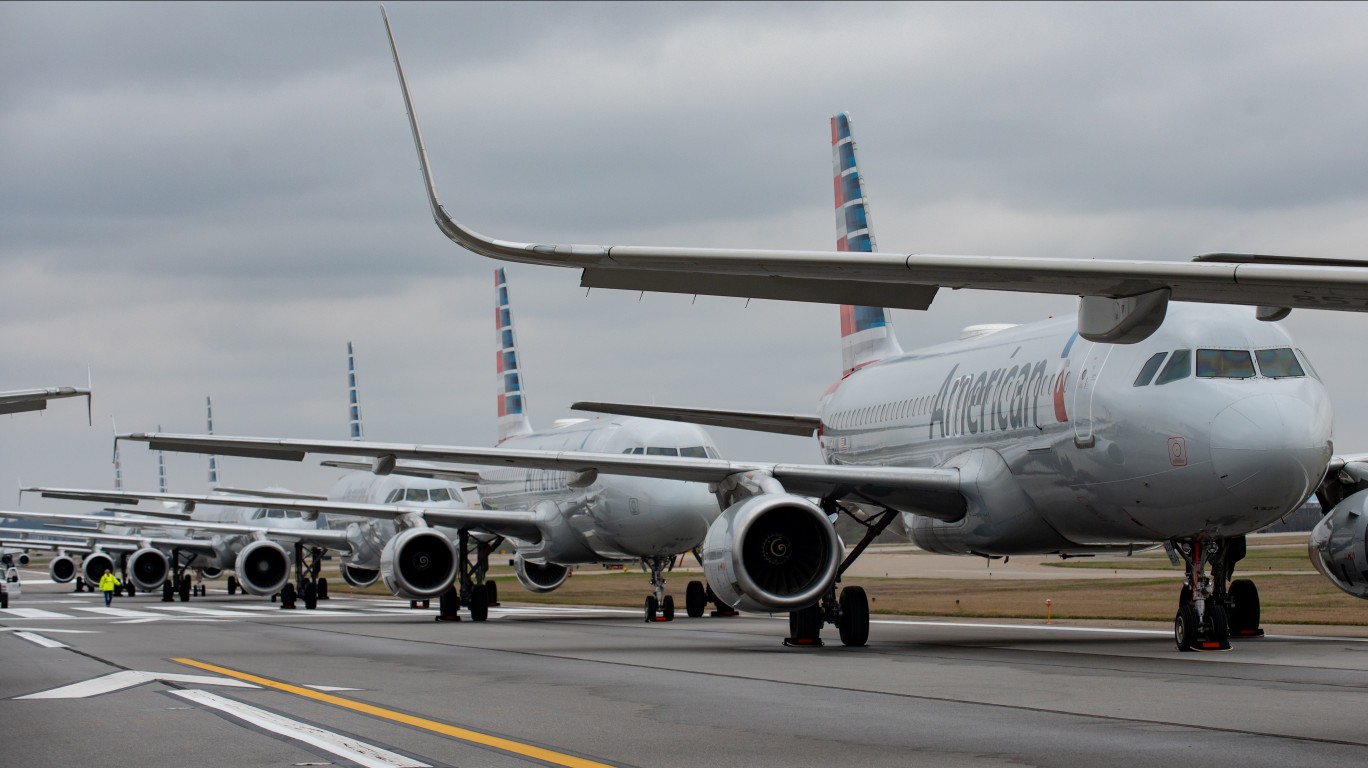
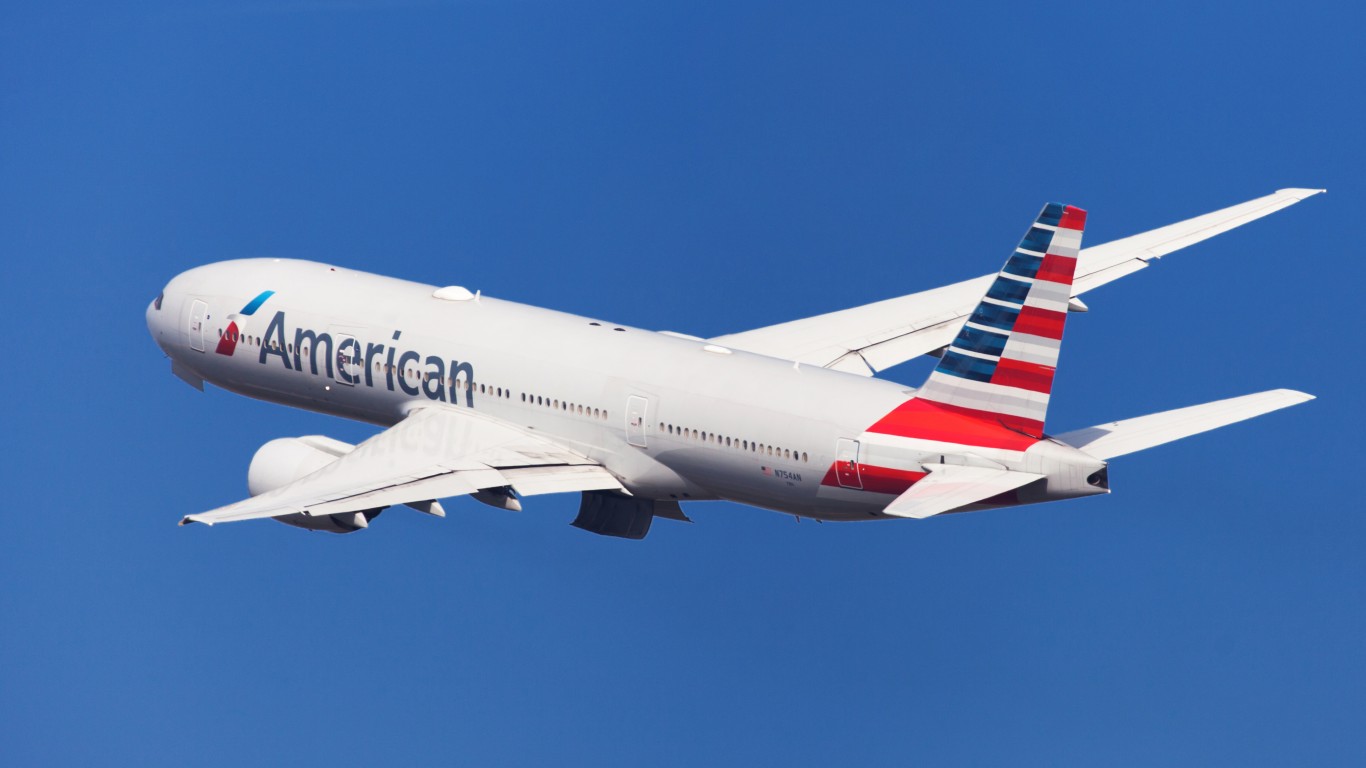
Shares of American Airlines Group (NASDAQ:AAL | AAL Price Prediction) are down 5% in midday trading Wednesday, leading a broad airline selloff. United Airlines (NASDAQ:UAL) shares are off 4%, while Delta Air Lines (NYSE:DAL) stock and JetBlue Airways (NASDAQ:JBLU) stock are each down 3%.
The catalyst is a sharp jump in crude oil prices. Per Yahoo Finance, WTI crude oil is up 7.47% over the past 24 hours to $75.70 a barrel, driven by news that the U.S.-Iran ceasefire ended after U.S. strikes, with President Trump threatening further strikes. Jet fuel is one of the largest variable costs for carriers, and every leg higher in crude compresses margins that airlines had just begun to protect through capacity discipline.
Crude Oil Spike Reprices Fuel Assumptions
Airlines built their 2026 guidance around fuel near $4 to $4.30 per gallon. American Airlines guided FY 2026 assuming fuel near $4/gallon, while Delta and United both modeled roughly $4.30/gallon for Q2 2026. Today’s crude spike puts those assumptions at risk if it holds.
The oil market has been volatile. Over the past year, WTI crude oil has ranged from $55.44 to a $114.58 peak in April 2026, and traders remain jumpy about Middle East supply risk.
American Airlines Leads the Decline
American Airlines stock is the most exposed to fuel shocks because of its balance sheet. The company carries $34.7 billion in total debt and negative shareholders’ equity of $4.1 billion, leaving little cushion when jet fuel spikes eat into cash flow.
The bull case is that AAL stock was up 27% over the past month heading into today, and American Airlines’ FY2026 adjusted EPS guide of -$0.40 to $1.10 already bakes in significant fuel risk. The bear case is simpler: with an analyst target of $18.95 and thin margins, a sustained oil rally could push the airline toward break-even.
United Airlines Faces a Fuel Recapture Squeeze
United Airlines stock had been one of the sector’s strongest performers, up 58% over the past year. Management warned in Q1 2026 that it expects to recover only 40 to 50% of fuel price increases in Q2, 70 to 80% in Q3, and 85 to 100% in Q4.
United Airlines CEO Scott Kirby stated, “Our strong financial position and success in winning brand-loyal customers enabled United to quickly make tactical adjustments to higher fuel prices while maintaining our long-term focus.” The carrier also trimmed capacity by 5 points for the remainder of the year.
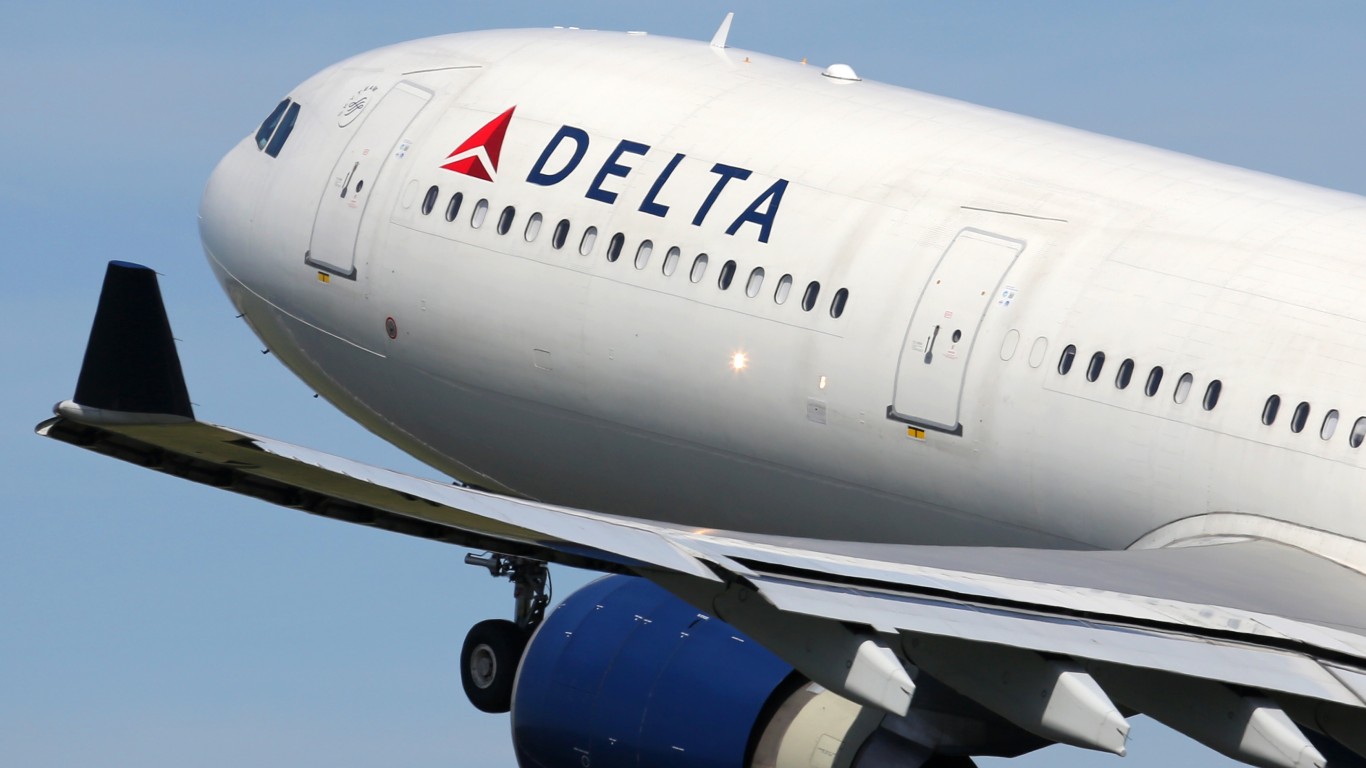
Delta Air Lines Braces for Earnings
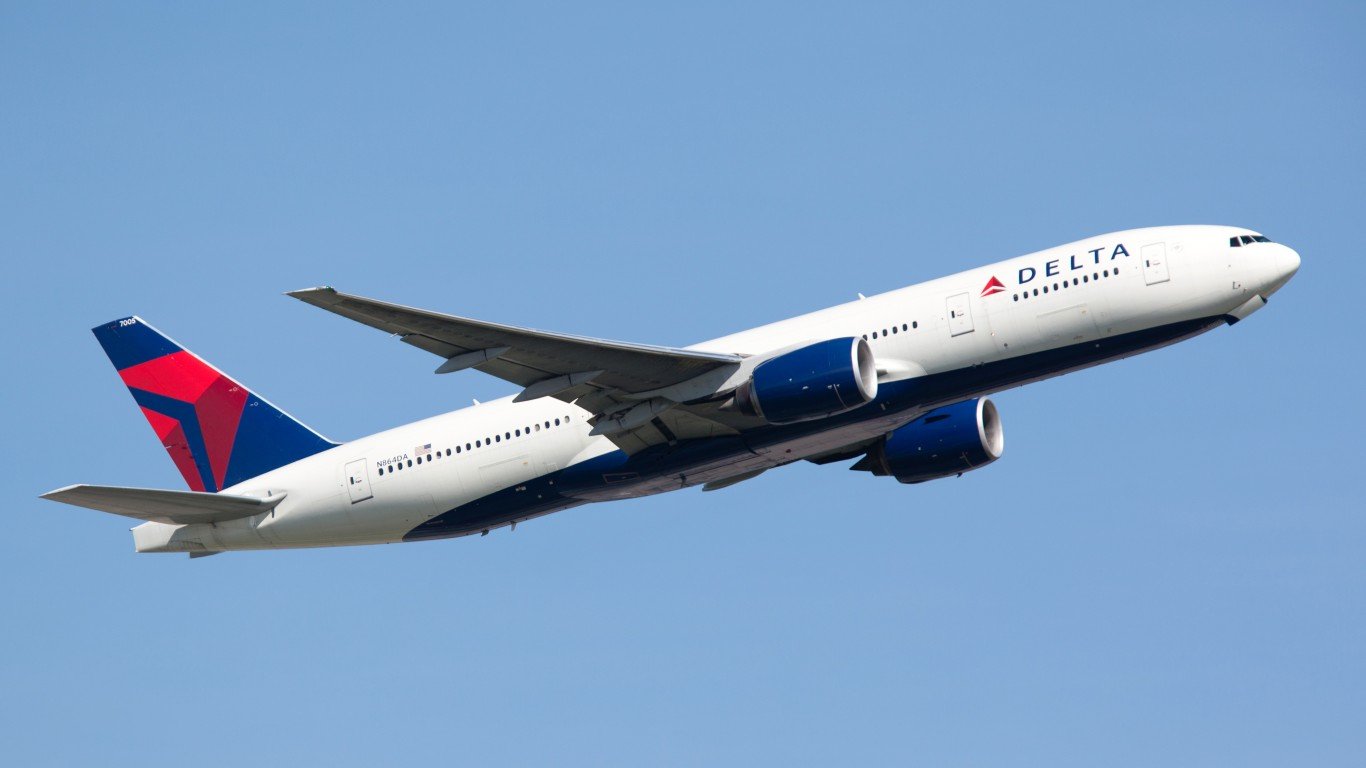
Delta Air Lines stock is the least fuel-exposed of the group thanks to diversified revenue. Loyalty, premium, and refinery streams contribute 62% of Delta’s adjusted revenue, softening the blow from higher jet fuel.
Delta reports Q2 2026 results next week, making today’s move a sentiment preview. CEO Ed Bastian asserted, “Demand remains strong, and we are taking actions to protect our margins and cash flow. This includes meaningfully reducing capacity growth, with a downward bias until the fuel environment improves.” DAL stock trades at a trailing P/E ratio of 13x, with an analyst target of $92.09 and a consensus tilting constructive on 20 Buy and 5 Strong Buy ratings.
JetBlue and the JETS ETF Feel the Pressure
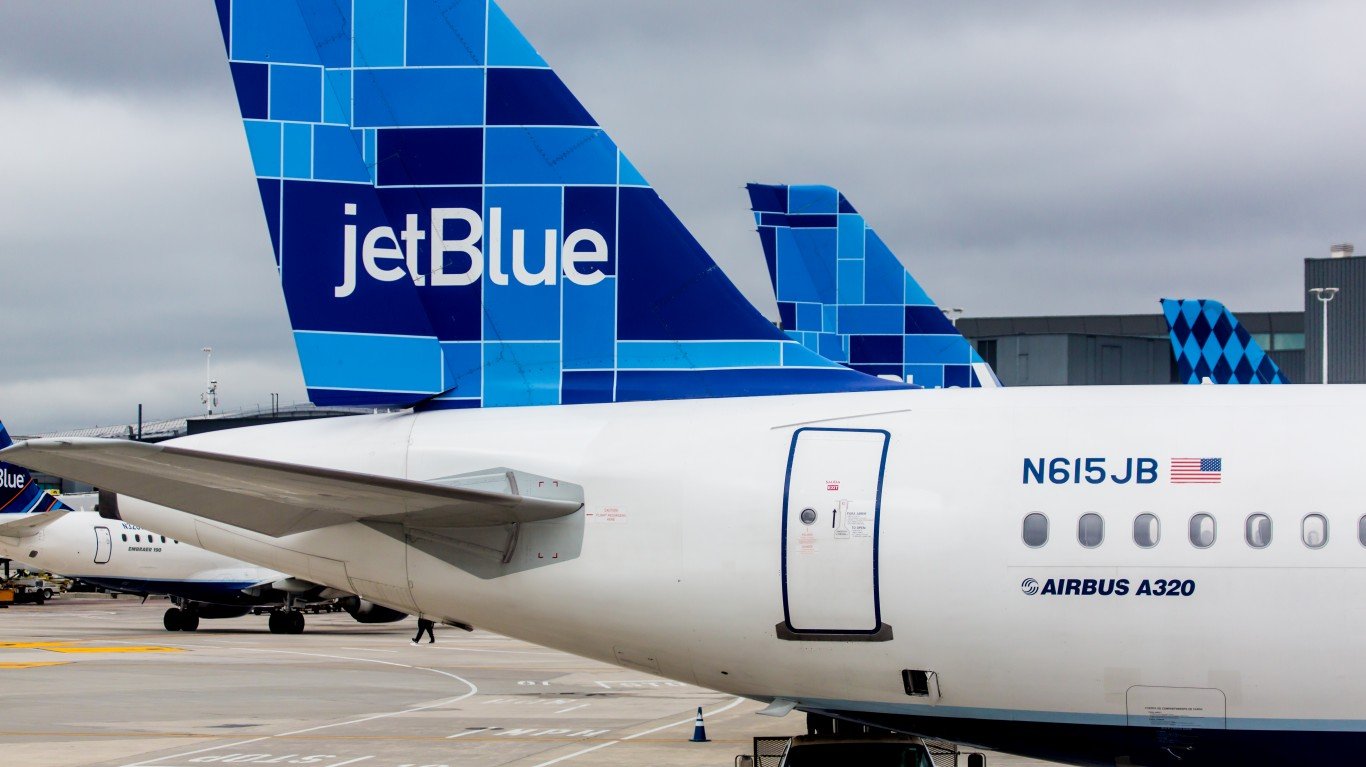
JetBlue Airways is the most fragile name in the group. Q2 2026 fuel is guided at $4.13 to $4.28 per gallon, 75% higher year over year, with only 30 to 40% recapture expected in Q2 and full recapture not until early 2027. JetBlue Airways CEO Joanna Geraghty observed that the “macro environment, particularly fuel, has become more volatile.”
The U.S. Global Jets ETF (NYSEARCA:JETS) is down 3% to $31.44, confirming that this is a sector event rather than a single-name story. The ETF was up 16% over the past month heading into today, so part of the drop reflects a crowded position giving back gains.
What to Watch
Delta reports its Q2 2026 results in mid-July and typically sets the tone for the group. Investors can watch for whether management updates its $4.30 fuel assumption and whether capacity cuts deepen across peers.
If crude oil retreats, today’s selloff could reverse quickly given the sector’s momentum. A sustained move above $75 may prompt analysts to trim their FY2026 EPS estimates and keep airline stocks under pressure into the earnings cycle. American Airlines stock looks most vulnerable to a fuel-driven downgrade cycle given its leverage, while Delta remains the most defensive with its refinery hedge and diversified revenue.
Contact [email protected] for any questions or corrections.
David Moadel is financial writer specializing in stocks, ETFs, options, precious metals, and Bitcoin. David has written well over 1,000 articles for leading online publications, helping investors understand markets, income strategies, and risk.His work has appeared in The Motley Fool, InvestorPlace, U.S. News & World Report, TipRanks, ValueWalk, Benzinga, Market Realist, TalkMarkets, Finmasters, 24/7 Wall St., and others.With a master’s degree in education, David has taught at the elementary, high school, and college levels. That teaching background shapes his writing style: clear, educational, and practical. David has also built a loyal social-media audience by providing trustworthy financial content on YouTube, X/Twitter, and StockTwits.